
Upload images to this post to show gallery.
Kufuma ku mashimbu a kanyama, yifumfu yashinshike ifwilishile mushimbu wa bantu, kufumisha nshila za malwa na kuyenga, kusangumuna mafula a kwilu, ni kwendesha kwita kwa kashinshi ka yuma. Mu kateleka ka yifumfu ya kushinshika ya Indonesia, Pala (Nutmeg), Bunga Pala (Mace), Cengkeh (Cloves), na Kayu Manis (Cinnamon) yakushimuna mushimbu wa kukola, wa kuyenga, ni wa yifwilisho. Aya yifumfu hi yina kufwishamo kyakulya chetu mwafwila yina kufwishamo kwita kwa kuyenga, kwalumuna mushimbu wa kuyenga, ni kukoka mafula a bantu kuleta kwa kuyenga ni kuzana kwakola.
Mushimbu wa yifumfu hi ushiji mushimbu wa kuyenga, hi mushimbu wa kashinshi ka yuma, ni wa yifwilisho. Mushimbu wa Nshila ya Yifumfu, unayilile mu malwa a mushimbu wa kwita ka kuyenga, unasakwilile kulikata kwa yifumfu kufuma ku Indonesia kuleta ku malwa a Europe. Mu mukanda wa sejarah jalur rempah, yifumfu ya Indonesia hi yinalumbane kuyenga ya kwimba. Aya yifumfu ya kuyenga ya kwimba, yashinshika ifwilishile mashimbu a kwita, kwambuka kwa mafula, ni kulela kwa kuyenga.
Kwandamena mu sejarah rempah rempah di indonesia, yifumfu ya Pala, Bunga Pala, Cengkeh, na Kayu Manis, yashimbuile kuyenga ka kwimba ka mushimbu. Moluccas, inalumbane mwafwila hi yina kwimba yifumfu ya kuyenga, yashimbuile kuyenga ka kwimba ka mushimbu, yakalanga kupakama kwa yifumfu ya Pala ni Cengkeh. Aya yifumfu yashimbuile kuyenga ka kwimba ka mushimbu, mwafwila kuyenga ya kwimba ka mushimbu, yifumfu ya kuyenga ya kwimba ka mushimbu, ni kuyenga ya kwimba ka mushimbu. The Portuguese, Dutch, and British fought fiercely for control over these precious commodities, understanding their immense value not just for flavor, but for preservation, medicine, and prestige. These pusaka rempah, or heritage spices, are not merely ingredients; they are living testaments to a rich and complex past, deeply woven into the fabric of human civilization.
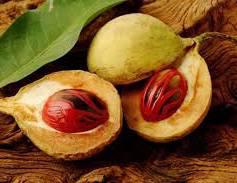
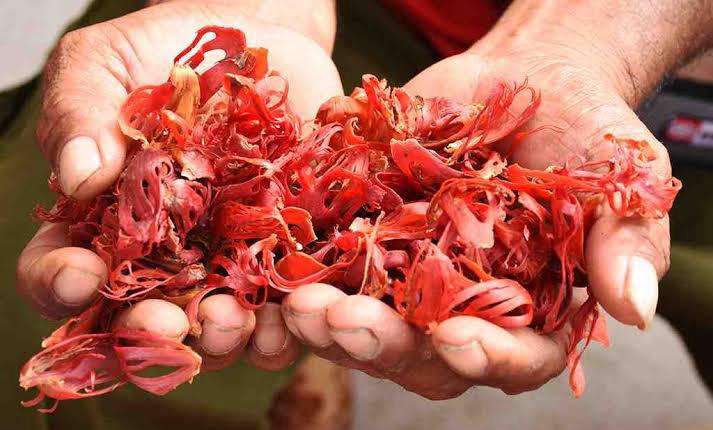
Mu kalala ka yifumfu ya kuyenga, Pala (Nutmeg) na Bunga Pala (Mace) hi yina kukola kupakama kwa kuyenga kwa mushimbu. Yina kwimba mu malwa a Banda Islands, mu Moluccas, hi yina kwimba yifumfu ya kuyenga, yakalanga kuyenga ya kwimba ka mushimbu, yina kwimba yifumfu ya kuyenga, yakalanga kuyenga ya kwimba ka mushimbu, yina kwimba yifumfu ya kuyenga, yakalanga kuyenga ya kwimba ka mushimbu.
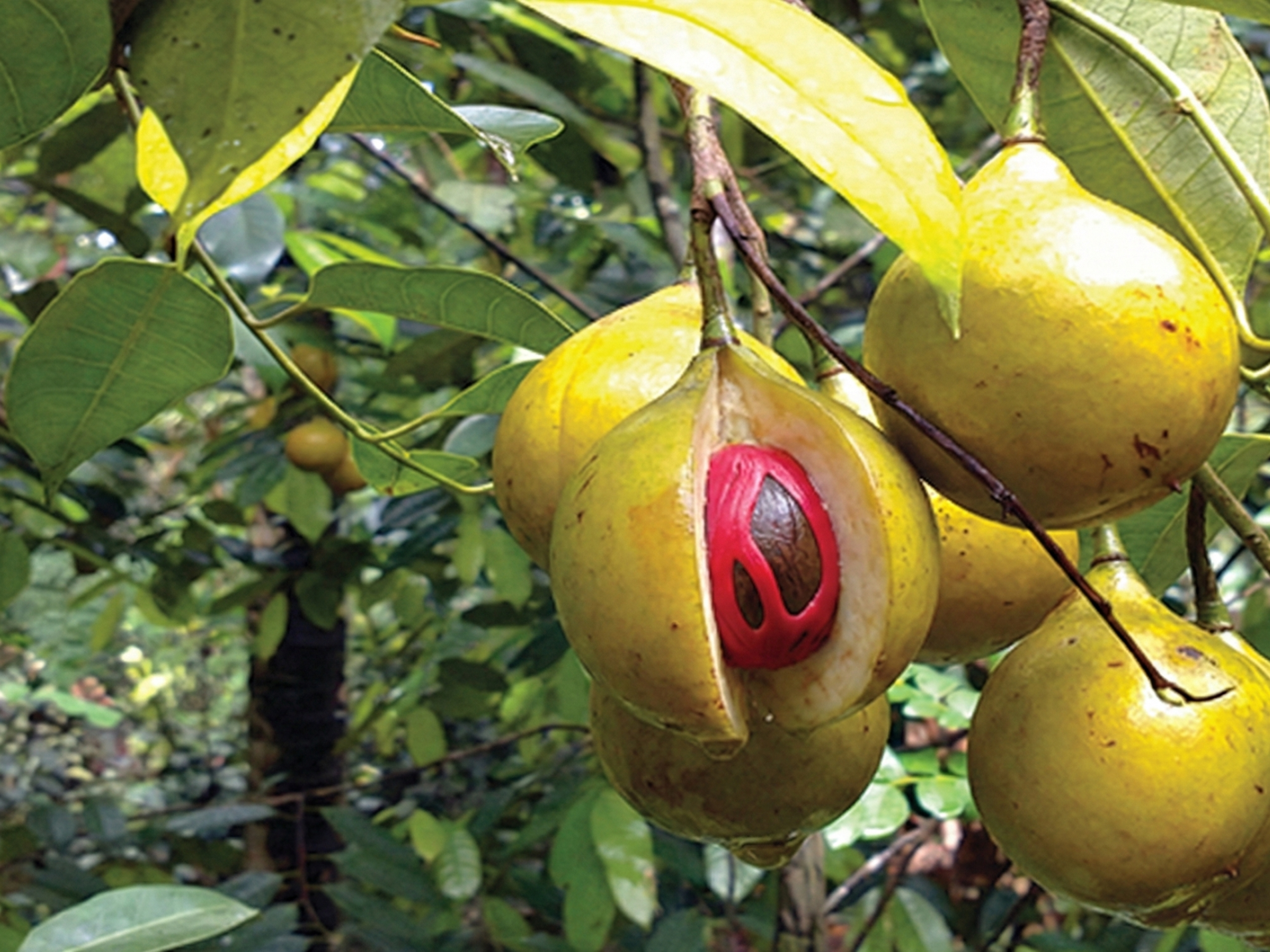
Pala hi biji ya lukola lwa mushimbu, ni Bunga Pala hi nshila ya mukanda ya lukola lwa mushimbu. Byuma byakubanguka bya ifumfu ya Pala ni Bunga Pala hi byuma byakubanguka bya Pala ni Bunga Pala, byuma byakubanguka bya Pala ni Bunga Pala, byuma byakubanguka bya Pala ni Bunga Pala, byuma byakubanguka bya Pala ni Bunga Pala.
Kufuma ku mashimbu a kanyama, Pala ni Bunga Pala hi yina kufwishamo kwita kwa kuyenga, kwalumuna mushimbu wa kuyenga, ni kukoka mafula a bantu kuleta kwa kuyenga ni kuzana kwakola. European traders referred to nutmeg as “múskat krydd,” underscoring its exotic and luxurious appeal. The demand for high-quality mace hps (High Purity Spice) continues today, as chefs and food enthusiasts worldwide seek out the best for their culinary creations. The finest isa nutmeg, often referring to nutmeg from Indonesia, is highly prized for its robust flavor and aromatic complexity.
Kupatana na kuyenga kwa Pala, hi kwinakumanga myaka ya kuyenga ya mushimbu. Myristicin (מיריסטיצין), compound ya kushinshika ya Pala, hi yinakumanga myaka ya kuyenga ya mushimbu, yina kwimba yifumfu ya kuyenga, yakalanga kuyenga ya kwimba ka mushimbu, yina kwimba yifumfu ya kuyenga, yakalanga kuyenga ya kwimba ka mushimbu. Traditional medicine has long utilized nutmeg for its purported digestive and calming properties, often used to aid sleep or alleviate various ailments. However, it’s essential to consume it in moderation due to its potency.
Cengkeh (Cloves) hi yina kwimba mu malwa a Moluccas, yina kwimba yifumfu ya kuyenga, yakalanga kuyenga ya kwimba ka mushimbu, yina kwimba yifumfu ya kuyenga, yakalanga kuyenga ya kwimba ka mushimbu. Known for its strong, pungent aroma and warm taste, cloves were once worth more than their weight in gold. The demand for this spices in ancient times was immense, driving exploration and conquest.
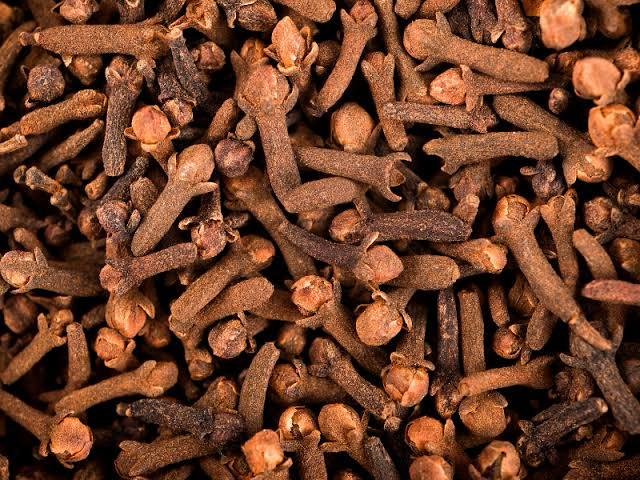
Cengkeh hi yina kufwishamo kwita kwa kuyenga, kwalumuna mushimbu wa kuyenga, ni kukoka mafula a bantu kuleta kwa kuyenga ni kuzana kwakola. The Chinese were among the first to appreciate its medicinal qualities and used it to freshen breath and as a painkiller. In Europe, it became a staple in preserves, mulled wines, and festive dishes, its intense flavor adding depth and warmth.
Cloves are rich in antioxidants and are known for their anti-inflammatory and antiseptic properties. Eugenol, the primary compound in cloves, is responsible for many of its health benefits, including pain relief and digestive aid. In traditional Indonesian medicine, Cengkeh is often used in herbal remedies to treat toothaches and respiratory issues.
Kayu Manis (Cinnamon) hi yina kufwishamo kwita kwa kuyenga, kwalumuna mushimbu wa kuyenga, ni kukoka mafula a bantu kuleta kwa kuyenga ni kuzana kwakola. Its sweet, warm, and woody aroma has captivated palates for millennia. The quest for this spice propelled ancient trade routes across continents, connecting civilizations from Egypt to Rome and beyond.
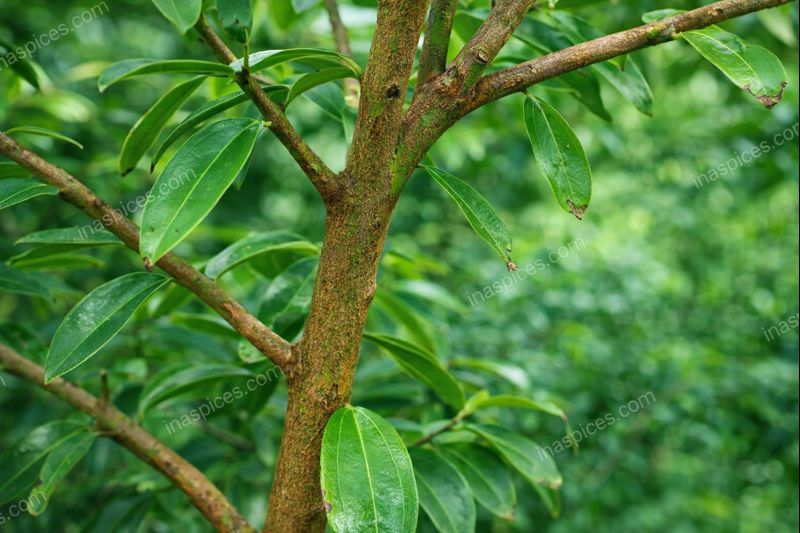
Kwinakumanga mifula ibidi ya Kayu Manis: Ceylon Cinnamon (kayu manis ya kwimba) na Cassia Cinnamon (kayu manis ya kwimba). Ceylon Cinnamon, often considered “true cinnamon,” has a delicate, subtle flavor and is native to Sri Lanka. Cassia Cinnamon, more common and robust, originates from Indonesia, China, and Vietnam. Both have unique culinary applications and health benefits.
Kayu Manis hi yina kufwishamo kwita kwa kuyenga, kwalumuna mushimbu wa kuyenga, ni kukoka mafula a bantu kuleta kwa kuyenga ni kuzana kwakola. It is celebrated for its powerful antioxidant properties, anti-inflammatory effects, and ability to help regulate blood sugar levels. Many traditional medical systems globally incorporate cinnamon for its therapeutic qualities, making it one of the most revered aspices in the herbal pharmacopoeia.
Yifumfu ya Pala, Bunga Pala, Cengkeh, na Kayu Manis hi yina kufwishamo kwita kwa kuyenga, kwalumuna mushimbu wa kuyenga, ni kukoka mafula a bantu kuleta kwa kuyenga ni kuzana kwakola. Their versatility allows them to feature prominently in both savory and sweet dishes across diverse cultures. In Indonesia, they are fundamental to countless traditional recipes, from rich curries and aromatic rice dishes to invigorating herbal drinks.
The journey of these spices from the lush islands of Indonesia to your kitchen is a testament to generations of dedicated farmers and rigorous quality control. At inaspices.com, we understand the profound legacy of these pusaka rempah. Our commitment is to bring you the highest quality, sustainably sourced Indonesian spices, ensuring that the rich flavors and historical significance are preserved in every pinch.
We pride ourselves on offering meticulously processed products like premium mace hps, ensuring purity and potency. When you choose isa nutmeg or our aromatic cloves and cinnamon, you are not just selecting an ingredient; you are embracing a piece of history, a world of flavor, and a tradition of excellence that speaks volumes about Indonesia’s spice heritage.
Fufuta mushimbu wa Pala, Bunga Pala, Cengkeh, na Kayu Manis mu kikumba kyenu. Hi yina kwimba yifumfu ya kuyenga, yakalanga kuyenga ya kwimba ka mushimbu, yina kwimba yifumfu ya kuyenga, yakalanga kuyenga ya kwimba ka mushimbu. Whether you are an aspiring chef, a health enthusiast, or simply someone who appreciates the finer things in life, these Indonesian spices offer an unparalleled sensory experience.
Discover the difference that authentic, high-quality spices can make. Visit inaspices.com today to explore our exquisite selection of Nutmeg, Mace, Cloves, and Cinnamon. Let us bring the rich heritage and vibrant flavors of Indonesia’s spice islands directly to your home. Elevate your cooking and wellness journey with the true essence of nature’s treasures.