
Upload images to this post to show gallery.
Daa sá kawóo? Gáa yáa atx̲áa yatánk yáa xat sáyá. Awé haa dísi yáa xʼwáat yán kúnáx̱ yeedáat yán áwé atx̲áa kaa yeedáat. Indonesia yán xʼwáat yatánk, Hútskʼi, Géex̱ʼát, Kaa Aan Kʼúwaa. Daa sá yáa pusaka rempah yáa? Éedáa yáa yee xʼéigaa yán xʼwáat sʼéḵt kaa átx̲aa. Yáa an áyá yee xʼéigaa yán yeedáat yán áwé atx̲áa. Yáa xʼwáat yán kúnáx̱ yeedáat yán áwé atx̲áa. Haa atx̲áa, haa hás yeedáat, haa an yán kúnáx̱ yee xʼéigaa yán áwé atx̲áa. Yáa xʼwáat yán haa dísi yáa xʼwáat yán kúnáx̱ yeedáat yán áwé atx̲áa.
Yáa Tlingit yán yee yáa atx̲áa yatánk yáa xat sáyá. Yáa xʼwáat yán haa dísi yáa xʼwáat yán kúnáx̱ yeedáat yán áwé atx̲áa. Yáa xʼwáat yán haa dísi yáa xʼwáat yán kúnáx̱ yeedáat yán áwé atx̲áa. Yáa xʼwáat yán haa dísi yáa xʼwáat yán kúnáx̱ yeedáat yán áwé atx̲áa. Yáa xʼwáat yán haa dísi yáa xʼwáat yán kúnáx̱ yeedáat yán áwé atx̲áa. Yáa xʼwáat yán haa dísi yáa xʼwáat yán kúnáx̱ yeedáat yán áwé atx̲áa.
Éedáa yán dísi yáa xʼwáat yán kúnáx̱ yee xʼéigaa yán áwé atx̲áa. Yáa xʼwáat yán haa dísi yáa xʼwáat yán kúnáx̱ yeedáat yán áwé atx̲áa. Yáa xʼwáat yán haa dísi yáa xʼwáat yán kúnáx̱ yeedáat yán áwé atx̲áa. Yáa xʼwáat yán haa dísi yáa xʼwáat yán kúnáx̱ yeedáat yán áwé atx̲áa. Gáa yáa xʼwáat yán haa dísi yáa xʼwáat yán kúnáx̱ yeedáat yán áwé atx̲áa. Yáa sejarah jalur rempah yán dísi yáa xʼwáat yán kúnáx̱ yeedáat yán áwé atx̲áa. Kaa dísi yáa yáa xʼwáat yán kúnáx̱ yeedáat yán áwé atx̲áa. Gáa yáa xʼwáat yán haa dísi yáa xʼwáat yán kúnáx̱ yeedáat yán áwé atx̲áa.
Yáa Rempah Kaa Yaa Naakw Atín, gáa yáa xʼwáat yán haa dísi yáa xʼwáat yán kúnáx̱ yeedáat yán áwé atx̲áa. Yáa xʼwáat yán haa dísi yáa xʼwáat yán kúnáx̱ yeedáat yán áwé atx̲áa. Yáa xʼwáat yán haa dísi yáa xʼwáat yán kúnáx̱ yeedáat yán áwé atx̲áa. Yáa sejarah rempah rempah di indonesia yán dísi yáa xʼwáat yán kúnáx̱ yeedáat yán áwé atx̲áa. Yáa xʼwáat yán haa dísi yáa xʼwáat yán kúnáx̱ yeedáat yán áwé atx̲áa. Hútskʼi Kaa Géex̱ʼát yán kúnáx̱ yee xʼéigaa yán áwé atx̲áa. Yáa xʼwáat yán haa dísi yáa xʼwáat yán kúnáx̱ yeedáat yán áwé atx̲áa. Yáa xʼwáat yán haa dísi yáa xʼwáat yán kúnáx̱ yeedáat yán áwé atx̲áa.
Yáa Rempah Kaa Yaa Naakw Atín yán kúnáx̱ yee xʼéigaa yán áwé atx̲áa. Yáa xʼwáat yán haa dísi yáa xʼwáat yán kúnáx̱ yeedáat yán áwé atx̲áa. Yáa xʼwáat yán haa dísi yáa xʼwáat yán kúnáx̱ yeedáat yán áwé atx̲áa. Éedáa yán dísi yáa xʼwáat yán kúnáx̱ yeedáat yán áwé atx̲áa. Yáa xʼwáat yán haa dísi yáa xʼwáat yán kúnáx̱ yeedáat yán áwé atx̲áa. Yáa xʼwáat yán haa dísi yáa xʼwáat yán kúnáx̱ yeedáat yán áwé atx̲áa. Yáa xʼwáat yán haa dísi yáa xʼwáat yán kúnáx̱ yeedáat yán áwé atx̲áa.
Hútskʼi (Nutmeg) gáa yáa atx̲áa yatánk yáa xat sáyá. Éedáa yán dísi yáa xʼwáat yán kúnáx̱ yeedáat yán áwé atx̲áa. Yáa xʼwáat yán haa dísi yáa xʼwáat yán kúnáx̱ yeedáat yán áwé atx̲áa. Hútskʼi kaa Bunga Pala (Mace) yán dísi yáa xʼwáat yán kúnáx̱ yeedáat yán áwé atx̲áa. Yáa xʼwáat yán haa dísi yáa xʼwáat yán kúnáx̱ yeedáat yán áwé atx̲áa. Bunga Pala yán kúnáx̱ yee xʼéigaa yán áwé atx̲áa. Yáa xʼwáat yán haa dísi yáa xʼwáat yán kúnáx̱ yeedáat yán áwé atx̲áa.
Kʼatsʼaan Bunga Pala (High-quality mace) yán dísi yáa xʼwáat yán kúnáx̱ yeedáat yán áwé atx̲áa. Yáa xʼwáat yán haa dísi yáa xʼwáat yán kúnáx̱ yeedáat yán áwé atx̲áa. Yáa xʼwáat yán haa dísi yáa xʼwáat yán kúnáx̱ yeedáat yán áwé atx̲áa. Yáa xʼwáat yán haa dísi yáa xʼwáat yán kúnáx̱ yeedáat yán áwé atx̲áa. Yáa mace hps yán dísi yáa xʼwáat yán kúnáx̱ yeedáat yán áwé atx̲áa. Yáa xʼwáat yán haa dísi yáa xʼwáat yán kúnáx̱ yeedáat yán áwé atx̲áa. Yáa isa nutmeg yán dísi yáa xʼwáat yán kúnáx̱ yeedáat yán áwé atx̲áa.
Hútskʼi Kaa Xʼwáat (Nutmeg spice) yán kúnáx̱ yee xʼéigaa yán áwé atx̲áa. Gáa yáa xʼwáat yán haa dísi yáa xʼwáat yán kúnáx̱ yeedáat yán áwé atx̲áa. Yáa xʼwáat yán haa dísi yáa xʼwáat yán kúnáx̱ yeedáat yán áwé atx̲áa. Yáa xʼwáat yán haa dísi yáa xʼwáat yán kúnáx̱ yeedáat yán áwé atx̲áa. Yáa múskat krydd yán dísi yáa xʼwáat yán kúnáx̱ yeedáat yán áwé atx̲áa. Yáa xʼwáat yán haa dísi yáa xʼwáat yán kúnáx̱ yeedáat yán áwé atx̲áa. Yáa xʼwáat yán haa dísi yáa xʼwáat yán kúnáx̱ yeedáat yán áwé atx̲áa.
Géex̱ʼát (Cloves) gáa yáa atx̲áa yatánk yáa xat sáyá. Éedáa yán dísi yáa xʼwáat yán kúnáx̱ yeedáat yán áwé atx̲áa. Yáa xʼwáat yán haa dísi yáa xʼwáat yán kúnáx̱ yeedáat yán áwé atx̲áa. Yáa xʼwáat yán haa dísi yáa xʼwáat yán kúnáx̱ yeedáat yán áwé atx̲áa. Yáa xʼwáat yán haa dísi yáa xʼwáat yán kúnáx̱ yeedáat yán áwé atx̲áa. Spices in healing yán dísi yáa xʼwáat yán kúnáx̱ yeedáat yán áwé atx̲áa. Yáa xʼwáat yán haa dísi yáa xʼwáat yán kúnáx̱ yeedáat yán áwé atx̲áa.
Géex̱ʼát yán kúnáx̱ yee xʼéigaa yán áwé atx̲áa. Yáa xʼwáat yán haa dísi yáa xʼwáat yán kúnáx̱ yeedáat yán áwé atx̲áa. Yáa xʼwáat yán haa dísi yáa xʼwáat yán kúnáx̱ yeedáat yán áwé atx̲áa. Éedáa yán dísi yáa xʼwáat yán kúnáx̱ yeedáat yán áwé atx̲áa. Yáa xʼwáat yán haa dísi yáa xʼwáat yán kúnáx̱ yeedáat yán áwé atx̲áa. Yáa xʼwáat yán haa dísi yáa xʼwáat yán kúnáx̱ yeedáat yán áwé atx̲áa. Yáa xʼwáat yán haa dísi yáa xʼwáat yán kúnáx̱ yeedáat yán áwé atx̲áa.
Aan Kʼúwaa (Cinnamon) gáa yáa atx̲áa yatánk yáa xat sáyá. Éedáa yán dísi yáa xʼwáat yán kúnáx̱ yeedáat yán áwé atx̲áa. Yáa xʼwáat yán haa dísi yáa xʼwáat yán kúnáx̱ yeedáat yán áwé atx̲áa. Yáa xʼwáat yán haa dísi yáa xʼwáat yán kúnáx̱ yeedáat yán áwé atx̲áa. Yáa xʼwáat yán haa dísi yáa xʼwáat yán kúnáx̱ yeedáat yán áwé atx̲áa. Spices in desserts yán dísi yáa xʼwáat yán kúnáx̱ yeedáat yán áwé atx̲áa. Yáa xʼwáat yán haa dísi yáa xʼwáat yán kúnáx̱ yeedáat yán áwé atx̲áa.
Aan Kʼúwaa yán kúnáx̱ yee xʼéigaa yán áwé atx̲áa. Yáa xʼwáat yán haa dísi yáa xʼwáat yán kúnáx̱ yeedáat yán áwé atx̲áa. Yáa xʼwáat yán haa dísi yáa xʼwáat yán kúnáx̱ yeedáat yán áwé atx̲áa. Éedáa yán dísi yáa xʼwáat yán kúnáx̱ yeedáat yán áwé atx̲áa. Yáa xʼwáat yán haa dísi yáa xʼwáat yán kúnáx̱ yeedáat yán áwé atx̲áa. Lokum, gáa yáa xʼwáat yán haa dísi yáa xʼwáat yán kúnáx̱ yeedáat yán áwé atx̲áa. Yáa xʼwáat yán haa dísi yáa xʼwáat yán kúnáx̱ yeedáat yán áwé atx̲áa. Yáa xʼwáat yán haa dísi yáa xʼwáat yán kúnáx̱ yeedáat yán áwé atx̲áa.
Yáa xʼwáat yán kúnáx̱ yee xʼéigaa yán áwé atx̲áa. Yáa xʼwáat yán haa dísi yáa xʼwáat yán kúnáx̱ yeedáat yán áwé atx̲áa. Yáa xʼwáat yán haa dísi yáa xʼwáat yán kúnáx̱ yeedáat yán áwé atx̲áa. Yáa xʼwáat yán haa dísi yáa xʼwáat yán kúnáx̱ yeedáat yán áwé atx̲áa. Yáa spices in traditional medicine yán dísi yáa xʼwáat yán kúnáx̱ yeedáat yán áwé atx̲áa. Yáa xʼwáat yán haa dísi yáa xʼwáat yán kúnáx̱ yeedáat yán áwé atx̲áa. Haa yeedáat yán kúnáx̱ yee xʼéigaa yán áwé atx̲áa.
Indonesia yán kúnáx̱ yee xʼéigaa yán áwé atx̲áa. Yáa xʼwáat yán haa dísi yáa xʼwáat yán kúnáx̱ yeedáat yán áwé atx̲áa. Pusaka rempah yán dísi yáa xʼwáat yán kúnáx̱ yeedáat yán áwé atx̲áa. Yáa xʼwáat yán haa dísi yáa xʼwáat yán kúnáx̱ yeedáat yán áwé atx̲áa. Yáa xʼwáat yán haa dísi yáa xʼwáat yán kúnáx̱ yeedáat yán áwé atx̲áa. Yáa xʼwáat yán haa dísi yáa xʼwáat yán kúnáx̱ yeedáat yán áwé atx̲áa.
Yáa xʼwáat yán kúnáx̱ yee xʼéigaa yán áwé atx̲áa. Yáa xʼwáat yán haa dísi yáa xʼwáat yán kúnáx̱ yeedáat yán áwé atx̲áa. Yáa xʼwáat yán haa dísi yáa xʼwáat yán kúnáx̱ yeedáat yán áwé atx̲áa. Yáa aspices yán dísi yáa xʼwáat yán kúnáx̱ yeedáat yán áwé atx̲áa. Yáa xʼwáat yán haa dísi yáa xʼwáat yán kúnáx̱ yeedáat yán áwé atx̲áa. Yáa xʼwáat yán haa dísi yáa xʼwáat yán kúnáx̱ yeedáat yán áwé atx̲áa. Yáa xʼwáat yán haa dísi yáa xʼwáat yán kúnáx̱ yeedáat yán áwé atx̲áa.
Gáa yáa xʼwáat yán kúnáx̱ yeedáat yán áwé atx̲áa. Yáa xʼwáat yán haa dísi yáa xʼwáat yán kúnáx̱ yeedáat yán áwé atx̲áa. Yáa xʼwáat yán haa dísi yáa xʼwáat yán kúnáx̱ yeedáat yán áwé atx̲áa. Yáa xʼwáat yán haa dísi yáa xʼwáat yán kúnáx̱ yeedáat yán áwé atx̲áa. Yáa xʼwáat yán haa dísi yáa xʼwáat yán kúnáx̱ yeedáat yán áwé atx̲áa. Haa an yán kúnáx̱ yee xʼéigaa yán áwé atx̲áa. Yáa xʼwáat yán haa dísi yáa xʼwáat yán kúnáx̱ yeedáat yán áwé atx̲áa.
Gáa yáa xʼwáat yán kúnáx̱ yeedáat yán áwé atx̲áa. Yáa xʼwáat yán haa dísi yáa xʼwáat yán kúnáx̱ yeedáat yán áwé atx̲áa. Yáa xʼwáat yán haa dísi yáa xʼwáat yán kúnáx̱ yeedáat yán áwé atx̲áa. Yáa xʼwáat yán haa dísi yáa xʼwáat yán kúnáx̱ yeedáat yán áwé atx̲áa. Yáa xʼwáat yán haa dísi yáa xʼwáat yán kúnáx̱ yeedáat yán áwé atx̲áa. Yáa xʼwáat yán haa dísi yáa xʼwáat yán kúnáx̱ yeedáat yán áwé atx̲áa. Yáa xʼwáat yán haa dísi yáa xʼwáat yán kúnáx̱ yeedáat yán áwé atx̲áa.
Daa sá kawóo? Gáa yáa xʼwáat yán haa dísi yáa xʼwáat yán kúnáx̱ yeedáat yán áwé atx̲áa. Yáa xʼwáat yán haa dísi yáa xʼwáat yán kúnáx̱ yeedáat yán áwé atx̲áa. Yáa xʼwáat yán haa dísi yáa xʼwáat yán kúnáx̱ yeedáat yán áwé atx̲áa. Yáa xʼwáat yán haa dísi yáa xʼwáat yán kúnáx̱ yeedáat yán áwé atx̲áa. Yáa xʼwáat yán haa dísi yáa xʼwáat yán kúnáx̱ yeedáat yán áwé atx̲áa. Yáa xʼwáat yán haa dísi yáa xʼwáat yán kúnáx̱ yeedáat yán áwé atx̲áa. Yáa xʼwáat yán haa dísi yáa xʼwáat yán kúnáx̱ yeedáat yán áwé atx̲áa. Yáa xʼwáat yán haa dísi yáa xʼwáat yán kúnáx̱ yeedáat yán áwé atx̲áa.
Daa sá kawóo? Yáa xʼwáat yán kúnáx̱ yee xʼéigaa yán áwé atx̲áa. Yáa xʼwáat yán haa dísi yáa xʼwáat yán kúnáx̱ yeedáat yán áwé atx̲áa. Yáa xʼwáat yán haa dísi yáa xʼwáat yán kúnáx̱ yeedáat yán áwé atx̲áa. Yáa xʼwáat yán haa dísi yáa xʼwáat yán kúnáx̱ yeedáat yán áwé atx̲áa. Yáa xʼwáat yán haa dísi yáa xʼwáat yán kúnáx̱ yeedáat yán áwé atx̲áa. Yáa xʼwáat yán haa dísi yáa xʼwáat yán kúnáx̱ yeedáat yán áwé atx̲áa. Yáa xʼwáat yán haa dísi yáa xʼwáat yán kúnáx̱ yeedáat yán áwé atx̲áa. Yáa xʼwáat yán haa dísi yáa xʼwáat yán kúnáx̱ yeedáat yán áwé atx̲áa. Yáa xʼwáat yán haa dísi yáa xʼwáat yán kúnáx̱ yeedáat yán áwé atx̲áa.
Gáa yáa atx̲áa yatánk yáa xat sáyá. Yáa xʼwáat yán kúnáx̱ yeedáat yán áwé atx̲áa. Yáa xʼwáat yán haa dísi yáa xʼwáat yán kúnáx̱ yeedáat yán áwé atx̲áa. Yáa xʼwáat yán haa dísi yáa xʼwáat yán kúnáx̱ yeedáat yán áwé atx̲áa. Yáa xʼwáat yán haa dísi yáa xʼwáat yán kúnáx̱ yeedáat yán áwé atx̲áa. Yáa xʼwáat yán haa dísi yáa xʼwáat yán kúnáx̱ yeedáat yán áwé atx̲áa. Yáa xʼwáat yán haa dísi yáa xʼwáat yán kúnáx̱ yeedáat yán áwé atx̲áa. Yáa xʼwáat yán haa dísi yáa xʼwáat yán kúnáx̱ yeedáat yán áwé atx̲áa. Yáa xʼwáat yán haa dísi yáa xʼwáat yán kúnáx̱ yeedáat yán áwé atx̲áa. inaspices.com yán dísi yáa xʼwáat yán kúnáx̱ yeedáat yán áwé atx̲áa. Yáa xʼwáat yán haa dísi yáa xʼwáat yán kúnáx̱ yeedáat yán áwé atx̲áa. Yáa xʼwáat yán haa dísi yáa xʼwáat yán kúnáx̱ yeedáat yán áwé atx̲áa.
Upload images to this post to show gallery.
Long dispela hap graun bilong Indonesia, long ol ailan bilong Maluku, i gat wanpela taim bilong bihain na i stap yet. Dispela taim i karim i kam stori bilong ol gutpela spais, olsem Pala (Nutmeg), Bunga Pala (Mace), Cengkeh (Cloves), na Kayu Manis (Cinnamon). Ol dispela spais i no save givim tasol gutpela smel na save mekim kaikai i swit tru, nogat. Ol i karim tu bikpela histori, pawa bilong mekim marasin, na ol i bin senisim tru rot bilong ol bikpela bisnis na wok bilong graun. Ol i tru Rengis bilong Ol Spais bilong dispela kantri, ol gutpela samting bilong ol tumbuna i kamap long nau.
Klosemap olgeta spais i kam long Indonesia i gat ol gutpela stori bilong ol i stap. Ol i save long wanem kain graun ol i kamap long en, na long wanem rot ol i bin kamapim ol wok bisnis bilong ol manmeri long olgeta hap bilong graun. Tude, yumi bai lusim yumi yet long dispela raun long histori bilong ol spais, painimaut ol gutpela samting ol i gat, na lukim olsem wanem ol i mekim wok bilong ol long kaikai, marasin, na tu long pasin bilong ol manmeri bilong dispela taim na bilong bipo.
Olsem sampela ol man bilong histori i tok, ol Maluku, ol i kolim tu ol ‘Spice Islands’ bilong bipo, ol i bin stap bilong wanpela bikpela stori long olgeta hap bilong graun. Long ol taim bilong bipo, ol spais i no gutpela samting tasol bilong mekim kaikai i swit, nogat. Ol i bin stap olsem ol bikpela samting bilong ol man i gat moni, na ol i bin gat bikpela pawa bilong mekim marasin. Ol i bin stap olsem gold na silva, ol i bin pulim olgeta bisnisman, ol king na kwin, na ol ami bilong olgeta kantri bilong kamapim ol rot bilong bisnis na pait long dispela hap graun.
Dispela histori bilong rot bilong ol spais i kam long Moluccas i bikpela tru. Ol spais olsem Cengkeh na Pala i save kamap long dispela hap tasol long graun. Long dispela as, ol rot bilong bisnis i bin ran i go long ol hap bilong Asia, Middle East, na i go inap long Europe. Ol Arab, Indian, na China wok bisnis i bin wok long dispela rot long planti handred yia. Ol i bin karim ol spais i go long ol maket bilong ol, na dispela i bin mekim ol dispela spais i kamapim bikpela nem bilong ol long olgeta hap bilong graun.
Long taim bilong ol lain bilong Europe i kamapim ol nupela rot bilong si, ol Portugis, Spen, Oland, na Inglan ol i bin pait strong bilong kisim dispela gutpela samting. Dispela i bin kamapim ol bikpela pait na ol nupela rot bilong ol kantri i kamap. Dispela histori bilong ol spais long Indonesia i no bilong gutpela kaikai tasol, nogat. Ol i bilong bikpela wok bisnis, pait bilong pawa, na tu bilong senisim ol pasin bilong ol manmeri long olgeta hap bilong graun.
Pala (Nutmeg) na Bunga Pala (Mace) i kam long wanpela diwai tasol, Myristica fragrans. Dispela diwai i save kamap long ol Maluku Ailan bilong Indonesia. Long taim ol frui bilong pala i redi, ol i op yet long diwai, na yumi ken lukim dispela nupela samting i kamap. Insait long dispela frod, i gat wanpela strongpela skel olsem net i pasim wanpela ston. Dispela skel i Bunga Pala, na dispela ston i Pala. Ol i olsem “twin treasures” bilong wanpela diwai, tasol ol i gat ol wanpis smel na save mekim kaikai i swit long ol wanpis rot.
Pala, olsem wanpela spais bilong pala (múskat krydd), i gat strongpela smel na save mekim kaikai i swit. Ol i save krungutim na putim long ol supsup, ol switpela kaikai, na tu long ol dring olsem Eggnog. Bunga Pala, i gat wanpela nupela smel i no strong tumas olsem Pala, na i save putim long ol kaikai olsem fish, sos, na tu long ol grinpela kaikai. Ol i save makim Bunga Pala bilong Gutpela Kwaliti (mace hps) long bikpela maket bilong ol spais bilong olgeta hap bilong graun, bikos dispela kwaliti i mekim wok bilong en i gutpela tru.
Long hap bilong marasin, ol tumbuna bilong Indonesia ol i bin yusim Pala na Bunga Pala bilong mekim gut long planti sik. Ol i bilong mekim gut long dispela hap bilong body bilong man i wok long painim kaikai (digestive system), bilong daunim pen, na bilong mekim slip i kam. Ol i bin bilong mekim gut long ol disia olsem diarea, na bilong mekim gut long bodi i kol.
Insait long Pala na Bunga Pala, i gat wanpela wanpis kemikal i stap, ol i kolim Myristicin. Dispela Myristicin i gutpela samting bilong givim dispela wanpis smel na save bilong ol spais. Myristicin i gat pawa bilong mekim gut long bodi long planti rot. Long liklik hap, ol i bilong marasin, bilong daunim pen na bilong mekim bodi i strong. Tasol, ol manmeri i mas tingim, sapos yu yusim Myristicin long bikpela hap, i ken gat wanpela nupela wok i ken kamap long bodi, olsem i ken mekim yu wari o wanpela nupela pasin bilong bodi. Olsem na, i mas yusim ol spais long wanpela rot i stret, na i no yusim tumas.
Cengkeh (Cloves) i wanpela nupela spais i bin stap long Moluccas, na ol i bin gat bikpela wok bilong ol long histori bilong ol spais. Dispela i wanpela spais bilong ol flawa bilong diwai Syzygium aromaticum, ol i no op yet. Ol i bin yusim ol Cengkeh long mekim kaikai i swit long ol hap bilong Asia na Middle East, long ol taim bilong bipo tru. Ol manmeri bilong China ol i bin yusim Cengkeh bilong mekim gut long smel bilong maus, na bilong mekim gut long maus i pen. Ol i bin yusim ol dispela spais long olgeta kain kaikai, olsem kari, ol supsup, na tu long ol switpela kaikai.
Long hap bilong marasin, Cengkeh i bikpela samting tru. Ol i gat wanpela kemikal ol i kolim Eugenol, na dispela i gat pawa bilong daunim pen na bilong kilim ol kain kain doti. Long dispela as, ol i save yusim ol Cengkeh oil bilong mekim gut long ol maus i pen, na bilong mekim gut long ol wun i stap. Planti spais long marasin bilong ol tumbuna i gat Cengkeh i stap. Ol i bilong mekim gut long dispela hap bilong bodi i wok long painim kaikai, bilong mekim gut long hevi bilong bodi i go daun, na bilong mekim bodi i strong bilong paitim ol sik. Dispela i mekim ol ol spais (aspices) i kamapim wanpela bikpela wok long histori bilong marasin bilong ol tumbuna.
Kayu Manis (Cinnamon) i wanpela spais i bin stap long dispela hap bilong South East Asia. Ol i kam long skin bilong diwai Cinnamomum. I gat tupela kain bikpela Kayu Manis: Ceylon Cinnamon (ol i kolim tu “true cinnamon”), na Cassia Cinnamon. Ceylon i kam long Sri Lanka, na Cassia i kam long Indonesia, China, na Vietnam. Indonesia i wanpela bikpela hap bilong kamapim Cassia Cinnamon bilong olgeta hap bilong graun.
Kayu Manis i gat wanpela switpela smel na save mekim kaikai i swit, na i stap long planti kain kaikai bilong olgeta hap bilong graun. Ol i save putim long ol switpela kaikai, ol bisket, ol dring olsem kopi na ti, na tu long ol kari na ol supsup. Histori bilong Kayu Manis i kam long taim bilong bipo tru, na ol manmeri bilong Egypt ol i bin yusim long ol wok bilong lotu na bilong marasin. Ol i bin lukim olsem wanpela gutpela samting tru, na ol i bin kisim dispela Kayu Manis long ol rot bilong bisnis i kam long Asia.
Long hap bilong marasin, Kayu Manis i gat planti gutpela samting bilong mekim gut long bodi. Ol i bilong mekim gut long hevi bilong suka long bodi, bilong daunim dispela hap bilong bodi i solap, na bilong kilim ol kain kain doti. Ol i bin yusim long ol marasin bilong ol tumbuna bilong mekim gut long dispela hap bilong bodi i wok long painim kaikai, bilong daunim kol, na bilong mekim bodi i strong. Dispela i mekim Kayu Manis i kamap wanpela bikpela spais long hap bilong marasin bilong ol tumbuna na tu bilong dispela taim.
Dispela stori bilong Pala, Bunga Pala, Cengkeh, na Kayu Manis i no bilong bipo tasol, nogat. Ol i karim dispela Rengis bilong Ol Spais i kamap long nau. Ol i makim dispela bikpela wok bilong Indonesia long maket bilong ol spais long olgeta hap bilong graun. Ol dispela spais i no mekim kaikai i swit tasol, nogat. Ol i stori bilong ol wok bisnis, ol pait, ol nupela wok bilong bisnis, na tu bilong wok bilong ol manmeri i laik lukim ol nupela hap graun. Ol i stori bilong ol tumbuna bilong Moluccas i bin save long dispela gutpela samting bilong graun bilong ol, na ol i bin soim dispela long olgeta hap bilong graun.
Tude, ol dispela spais i stap long olgeta kain kaikai bilong yumi. Ol i stap long ol gutpela kaikai bilong restoran, long ol kaikai bilong ol haus, na tu long ol kaikai bilong maket. Ol i stap long ol kaikai bilong Asia, Middle East, na Europe. Yu ken lukim ol i stap long ol kari bilong India, long ol switpela kaikai bilong Middle East, na tu long ol kuki bilong Christmas long Westen. Ol i save mekim gut long ol switpela kaikai olsem lokum, wanpela kain switpela kaikai bilong Turkiye i save yusim ol gutpela smel bilong spais olsem cinnamon na nutmeg bilong mekim em i switpela. Dispela i soim olsem wanem ol spais i bin stap long olgeta hap bilong graun na ol i bin senisim ol pasin bilong kaikai bilong ol manmeri.
Long dispela taim bilong nau, yumi lukim olsem wanem ol spais i bin mekim gut long wok bilong ol manmeri long olgeta hap bilong graun. Indonesia i stap yet olsem wanpela bikpela hap bilong kamapim ol gutpela spais. Ol manmeri bilong dispela hap graun ol i save long wok bilong kamapim ol spais, na ol i save lukautim gut long ol diwai bilong ol spais. Dispela i mekim ol spais bilong Indonesia i gat wanpela nupela kwaliti na gutpela smel i no save stap long ol narapela hap bilong graun.
Sapos yu laik painim wanpela gutpela Pala, o yu laik painim Bunga Pala Bilong Gutpela Kwaliti, o Cengkeh, o Kayu Manis, yu ken painim ol gutpela spais i kam long Indonesia. Dispela kantri i gat planti kain kain spais, na ol i save lukautim gut long ol wok bilong kamapim ol dispela spais. Olsem na, sapos yu laik mekim kaikai i swit, o yu laik yusim ol spais bilong marasin, yu ken painim ol gutpela spais i kam long Indonesia.
Oli bin yusim ol dispela spais long planti handred yia bilong mekim gut long bodi na bilong mekim kaikai i swit. Olsem na, yu ken traim tu. Yu ken painim Pala (isa nutmeg) na ol narapela gutpela spais bilong Indonesia. Ol i no gutpela bilong kaikai tasol, nogat. Ol i karim tu dispela gutpela stori bilong ol tumbuna na bilong ol wok bilong bisnis i senisim graun bilong yumi.
Olgeta spais bilong Indonesia i gat wanpela wanpis stori i stap long en, na ol i karim i kam wanpela gutpela save long olgeta manmeri. Ol i gutpela samting bilong graun bilong yumi, na ol i mas stap bilong olgeta taim.
Sapos yu laik long painim na traim ol dispela gutpela pusaka rempah bilong Indonesia, olsem Pala, Bunga Pala, Cengkeh, na Kayu Manis, yumi strongim yu long lukim ol gutpela prodak long inaspices.com. Ol i gat ol spais bilong gutpela kwaliti tru, ol i kam direkt long ol wok bilong spais long Indonesia. Go long inaspices.com tude na lainim planti moa bilong dispela gutpela gutpela samting bilong graun bilong Indonesia!
Upload images to this post to show gallery.
Kregiñ a reomp gant ur veaj glorius, ul lestr-bale dre vras a gas ac’hanomp en amzer-dremenet hag e kalon Indonezia, ul lec’h ma vez kement c’hwezh ha kement blaz ouzh lakaat en evez ar speredoù. Un douar leun a zesteni e vez Indonezia d’an douaroniezh ha d’an istor, o vezañ lec’h ganedigezh an ispisoù brudetañ ha priziusañ er bed. Ouzhpenn-se, ez int muioc’h evit traoù a voued ; int an arouezioù a geodedoù kozh, a vrezelioù ha a zizoloadennoù bras. Digoromp asambles istor ar c’hoant-se, istor an hêrezh an ispisoù, ha penaos e kendalc’h da vesañ hor buhezioù hiziv an deiz.
Deuit ganin da zizoleiñ sekredoù ar muskaden, ar bunga pala, ar kenghe, hag ar kanell – peder izpis veur a zo e kalon hêrezh spisek Indonezia. Adal o orinoù gozh betek o lec’h er c’heginerezh modern hag er medisinerezh hengounel, pep izpis a ziskouez ul lodenn eus istor pinvidik an dud hag eus nerzh an natur.
Pa gaozeer eus istor Hent an Ispisoù, e ranker komz eus Indonezia. Enezegi an inizi Molukez (Maluku), anavezet ivez evel an Inizi Ispisoù, a oa e-kreiz ar rouedad kenwerzhel hollvedel-se adalek mareoù pell en amzer. Ar sejarah rempah rempah di indonesia, pe istor an ispisoù en Indonezia, a zo un istor a c’hoantoù, a gevezerezhioù, hag a zaolioù-tro. Rouaned, impalaerien, ha kenwerzherien, adal ar Romaned betek an Arabed, an Indiat, ar Sinaat, hag e diwezh ar Portugesiz, an Izelvroiz, hag ar Saozon, a glaskas dreist-holl an traoù prizius-se. An aspices-se, dre o zalvoudegezh, a gredañ kenwerzhel ha politikel, a lakaas da ziwan impalaeriezhioù ha da gouezhañ re all. Ar muskaden hag ar c’henghe, dreist-holl, a oa kement a vrasañ talvoudegezh ma vezent gwerzhet ouzh ar pouez en aour. An divizoù-se a zo un hêrezh an ispisoù a chom bev en enorioù hag er sevenadur indoneziat.
Kement korn eus Indonezia, adal Sumatera betek Papoua, a ginnig e rann da deñzorioù botanek ar vro. Ar c’hlimad trovanel, ar gouerien ampart, hag an douaroù strujus a oa hag a chom ar c’henstrollad peurvat evit gounezerezh an ispisoù-se. Annezidi an inizi a zalc’has ar sekredoù-se, hag a voe e-kreiz an holl gempouezioù-se, o vezañ mestrez war o douaroù ha war o froduoù. Pep izpis, pa vez savet, e vez un tamm eus istor an Indonezianed, eus o stourmoù, eus o c’haeroù hag eus o froudoù. Ur c’hêriadenn evel Pulau Run, un enezennig vihan er Molukez, a voe a-bouez bras en istor Hent an Ispisoù, hag a voe eskemmet gant Manhattan gant an Izelvroiz d’ar mare-se evit ma vezfe perc’hennet ar muskaden ganto. Ur skouer splann eo eus pegen uhel e oa talvoudegezh an ispisoù. Hiziv an deiz, pa vezom o fardañ boued gant an ispisoù en hor c’hegin, e kemeromp perzh er sevenadur mil-bloaziek-se.
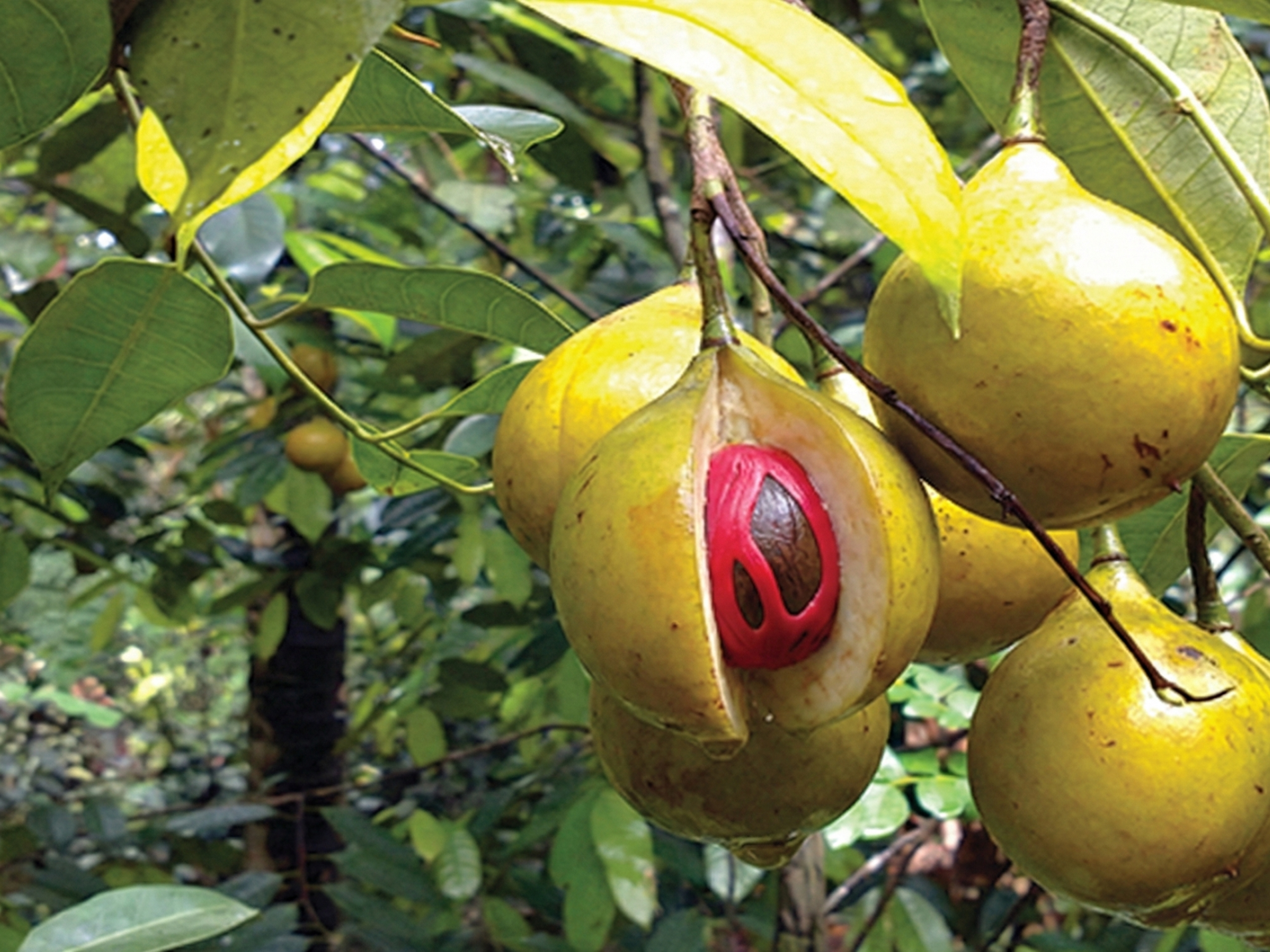
Ar muskaden (Myristica fragrans) a zo un izpis a zeu eus an had eus ur wezenn c’hlas bepred a orin eus an Inizi Molukez. Pa vez ar frouezh-se en o flourenn, e tigor anezho d’ar gwellañ, o tiskuliañ an had du skedus goloet gant ur rouedenn ruz-orañjez flamm. An had du-se eo ar muskaden a anavezomp, an ispis muskaden a ro ur blaz krogus, dous, ha piket war un dro. Hag-eñ eo ar muskaden un izpis dreist-ordinal? Ya, hep mar. He blaz a zo ken pinvidik ha ken kemplezh ma vez un arouez a geginerezhioù pinvidik ha dous. E kalz a rekipeoù e vez kavet, adalek keuzioù ha soubennoù betek desavennoù dous evel an apple pie pe ar pumpkin spice latte. Evit ar medisinerezh hengounel, e vez implijet abaoe pell zo evit an diwaskañ, ar c’hwezhañ, hag ar reizhiadoù dic’houzouiñ. An elfennoù oberiant, evel ar Myristicin, a ro dezhi perzhioù unel, met rankout a reer hec’h implij gant spisidigezh.
An ispis muskaden a zo ivez a-bouez bras war ar marc’hadoù etrebroadel. He c’hwezh ha he blaz a c’hall bezañ implijet e meur a zanvez, adalek ar boued betek ar c’hwezh-vat. An Indonezianed o deus labouret kalz evit ma vezfe fardet ar muskaden a galite uhelañ, o toujañ d’an doareoù hengounel hag ekologel. Ar frouezh a vez dastumet gant dorn, dibabet gant preder, hag heskennet gant dorn, evit ma vo miret e galite ha e zale anezhañ. Ar labour-se a zo ul lodenn vras eus hêrezh an ispisoù hag a chom bev en Indonezia. He gounid a zo ur vrasañ lodenn eus ekonomiezh kalz a gumuniezhioù war an inizi. An ispisoù en keginerezh a zo un doare da vesañ hon c’horf, met ivez hon ene.
Tra ma vez ar muskaden an had, e vez ar bunga pala ar golo ruz lufrus a bempere an had-se. Ur c’heginer ampart a oar ez eo div izpis disheñvel, pep hini gant he blaz dibar. Ar bunga pala a zo un izpis teneroc’h, dousoc’h, hag un tamm muioc’h a vleunioù he blaz eget hini ar muskaden. Koulskoude, e rann ar perzhioù tost ouzh ar muskaden e-keñver ar c’hwezh, met gant un neuz resisoc’h. E-keñver implijoù, e vez implijet ar bunga pala e meur a geginerezh, adalek ar c’heginoù pinvidik eus Azia ar Gevred betek re Europa. Klotañ a ra mat gant kig, soubennoù, ha boued-mor, met ivez gant desavennoù dous evel mousoù ha c’hreamoù. Ar mace dibaouet dre zorn (mace hps) a zo ar stumm gwellañ anezhañ, dibabet gant preder bras evit e galite ha e vrasañ blaz. Ar c’horvezadenn-se a ziskouez pegen a-bouez eo an dibab hag ar fardañ evit mirout da galite ar produoù. An ispisoù en boued a zo un arz, hag ar bunga pala a zo unan eus o zraoù koant.
Ar kenghe (Syzygium aromaticum) a zo bodoù-bleunioù sec’het ur wezenn eus ar familh Myrtaceae, a orin eus an Inizi Molukez ivez. Gant o blaz kreñv, tomm, ha piket, ar kenghe a zo un izpis a-bouez bras abaoe milvedoù. He implijoù a zo liesseurt: adalek ar c’heginerezh (dreist-holl e rekipeoù kig, soubennoù, ha desavennoù dous) betek ar medisinerezh hengounel hag an dantelezh. Eugenol, un elfenn vras e-barzh ar kenghe, a ro dezhañ perzhioù antiseptik ha analgezikoù. Ma vezom o kaout poan dent, e vez implijet a-wechoù evit skañvaat ar boan. Ar sejarah rempah rempah di indonesia a ziskouez pegen a-bouez eo bet ar kenghe evit an ekonomiezhioù lec’hel hag ar c’henwerzh etrebroadel. Milionoù a dimbreidi a vez dastumet pep bloaz hag a vez kaset dre ar bed. An ispisoù en keginerezh a zo un doare da lakaat blaz e pep tra, ha da lakaat an istor da vevañ.
Ar kanell (Cinnamomum) a zo un izpis a zeu eus kroc’hen gwezigoù. Div brantenn veur a zo: Cinnamomum verum (kanell Ceylon, anvet ivez “gwir ganell”) ha Cinnamomum cassia (kanell Cassia). Indonezia a vez unan eus ar broioù a brodu kanell Cassia, anvet alies Kanell Indonezia. He blaz a zo kreñv, dous, ha piket. Ar kanell a zo un izpis liesseurt-kenañ. E-barzh ar c’heginerezh, e vez implijet e rekipeoù dous (bara-gwenn, koñfizi, kouignoù) ha sall (kig, kig-yar, kariaz). Brudet eo ivez evit he ferzhioù yec’hed, evel he nerzh antioxidant, he ferzhioù enep-tanijenn, hag hec’h efed war ar sukr e-barzh ar gwad. An ispisoù en medisinerezh hengounel a zo bet implijet abaoe miliadoù a vloazioù, hag ar kanell a zo unan eus an aspices pouezusañ er gennad-se. An hêrezh an ispisoù a weler en implijoù-se, hag a zalc’h da vesañ hon sevenadur.
An ispisoù en keginerezh a zo un dra a vez anavezet gant an holl, met o ferzhioù dreist-holl evit ar yec’hed hag ar medisinerezh a zo un hêrezh an ispisoù prizius-kenañ. Adalek ar muskaden, gant he ferzhioù antidiareet hag antianksiedad, betek ar kenghe, evit hec’h efed war ar boan dent hag ar c’hwezhañ, eo an aspices-se ur farmaji naturel a-bouez. Ar kanell, gant he ferzhioù enep-diabetek, a zo bet studié ivez. Ar sejarah rempah rempah di indonesia a ziskouez penaos e veze implijet ar plant-se gant ar bobl c’henidik evit louzoù hag evit dougen ar yec’hed. Anavezet eo bet ar bunga pala evit he ferzhioù dic’houzouiñ ha kempouez. Zoken en implijoù modernoc’h, evel ar lokoum turk, e kaver blaz an ispisoù-se o tegas ur notenn ispisial ha pinvidik.
Ouzhpenn o implijoù medisinel ha keginerezh, e vez an aspices-se implijet ivez evit fardañ c’hwezh-vat, lizher-c’hwezh, ha produoù kened. O c’hwezhioù unel, a c’hall bezañ dous, piket, tomm, pe fresk, a c’hall cheñch un aergelc’h pe un empenn. An ispis muskaden a zo, da skouer, ul lodenn vras eus kalz a c’hwezh-vat evit ar baotred ha ar merc’hed. E pep lec’h ma vez deuet an ispisoù, e vez deuet ivez un tamm eus sevenadur Indonezia hag eus he hêrezh an ispisoù. Kement tra a vez fardet gant preder, adalek an dastum betek ar fardañ, a ziskouez ar doujañs ouzh an natur hag ouzh ar c’hoñvers a zo bet degaset betek ennomp a-hed ar c’hantvedoù. Ur mace dibaouet dre zorn a zo muioc’h evit un izpis ; un testeni eo d’ur c’hoñvers ha d’un arz.
Hiziv an deiz, eo muioc’h eget biskoazh a-bouez mirout an hêrezh an ispisoù. Kemer perzh a reomp en istor Hent an Ispisoù pa zibabomp produoù a vez fardet en un doare padus hag a douj d’an amva. An embregerezhioù a labour evit doujañ d’ar gounezerezh ekologel, da bae kempouez ar gouerien, hag da broduioù a galite uhel, a vez o skoazellañ ar gumuniezhioù lec’hel hag o mirout ar spesadoù plant a-bouez-se. Pa vezom o prenañ ispisoù en linenn, e ranker bezañ spis war orin ha war fardadur ar produoù. Ar mace dibaouet dre zorn pe ar muskaden dibabet gant dorn a ziskouez ul labour prederus, hag a veiz pegen a-bouez eo an dibab hag ar fardañ. An ispisoù indoneziat a zo muioc’h evit traoù a voued ; int ur pont etre an amzer-dremenet hag an dazont, un testeni d’an nerzh a vez gant an natur hag eus ingalusted an dud.
An aspices, evel ar muskaden, ar bunga pala, ar kenghe, hag ar kanell, a zo teñzorioù bev eus Indonezia. O istor pinvidik, o ferzhioù unel, hag o lec’h e sevenadur ar bed a ziskouez pegen a-bouez int. Abaoe o c’hantvedoù kentañ war Hent an Ispisoù betek o implijoù modern en hor c’heginoù hag en hor medisinerezh, e kendalc’hont da vesañ hon speredoù hag hor c’horfoù.
Evit diskoachañ blaz gwirion hag hêrezh an ispisoù indoneziat, ha da vezañ sur da gaout produoù a galite uhel, e c’halloc’h gweladenniñ inaspices.com. Eno e kavoc’h un dibab brav a muskaden, bunga pala, kenghe, ha kanell, fardet gant preder ha karantez, evit ma vo degaset ar gwellañ eus Indonezia d’ho kegin. Pep produ a zo un tamm eus istor an ispisoù en Indonezia, prest da vezañ rannet ganeoc’h.
Upload images to this post to show gallery.
Ta yo’nton balumil, li Indonesiae jach lek xk’otem ta sbalumil k’ajk’altik. Li k’ajk’altike ma’uk no’ox ve’el, yu’un ja’ tojol k’ulej, sbajil vo’ne, sok ak’abaltik xch’iel. Li k’ajk’altike ja’ sk’oplal bejil vo’ne ti te xak’tik komel yu’un jbats’iltik ta vo’ne. Li k’ajk’altik jach lek xk’otem ta sk’oplal balumil. Li Indonesiae, ti jach lek xk’otem ta sbalumil k’ajk’altike, ta j-ak’betik na’el li jk’ulej k’ajk’al ta Indonesia, li vo’ne k’opole, sok li lekil yo’ntonil ta j-isikbetik ta pala, xcho’al pala, cengkeh, sok kayu manis. Li junjun k’ajk’ale ja’ jun k’op ta sba’jil bej k’ajk’al, jun bej ti jach lek xk’otem ta sk’oplal balumil. Li k’ajk’altik jach lek xk’otem ta sk’oplal balumil. Li jk’ulej k’ajk’al ti jach lek xk’otem ta sk’oplal balumile, ja’ jach lek xk’otem ta sk’oplal balumil, ma’uk no’ox ta sbalumil Indonesia, yu’un ta skotol balumil.
Li k’ajk’ale ja’ jun ak’abal ti jach lek xk’otem ta sk’oplal jbats’iltik. Ta bejil vo’ne, li k’ajk’ale jach lek xk’otem ta sk’oplal, yu’un ja’ tojol k’ulej, sok ja’ ak’abaltik ti jach lek xk’otem ta sk’oplal. Ta j-ak’betik na’el jun bejil vo’ne ti te xak’tik komel yu’un jbats’iltik ta vo’ne. Li Indonesiae, ti jach lek xk’otem ta sbalumil k’ajk’altike, ta j-ak’betik na’el li jk’ulej k’ajk’al ta Indonesia, li vo’ne k’opole, sok li lekil yo’ntonil ta j-isikbetik ta pala, xcho’al pala, cengkeh, sok kayu manis. Li junjun k’ajk’ale ja’ jun k’op ta sba’jil bej k’ajk’al, jun bej ti jach lek xk’otem ta sk’oplal balumil. Li k’ajk’ale ja’ jun ak’abal ti jach lek xk’otem ta sk’oplal jbats’iltik. Ta bejil vo’ne, li k’ajk’ale jach lek xk’otem ta sk’oplal, yu’un ja’ tojol k’ulej, sok ja’ ak’abaltik ti jach lek xk’otem ta sk’oplal.
Li pala, ti sbiil Myristica fragrans ta latin, ja’ jun k’ajk’al ti jach lek xk’otem ta sk’oplal. Ta jlumaltik ta Indonesia, li palae ja’ jach lek xk’otem ta sk’oplal. Li pale ja’ jun biji ti ja’ x-ayan ta sbil s-avon te’ pala. Li xcho’al pala, ti sbiil mace ta ingles, ja’ li k’an ak’abal ti ja’ x-ayan ta biji pala. Li xcho’al palae ja’ jach lek xk’otem ta sk’oplal, yu’un ja’ jach lek xk’otem ta sk’oplal ta s-avon, sok ja’ ak’abaltik ti jach lek xk’otem ta sk’oplal. Li mace hps (high-purity specification) ja’ jun k’an ak’abal ti jach lek xk’otem ta sk’oplal, ti ja’ jach lek xk’otem ta sk’oplal ta s-avon, sok ja’ ak’abaltik ti jach lek xk’otem ta sk’oplal. Li múskat krydd, o li k’ajk’al pala, ja’ jach lek xk’otem ta sk’oplal ta skotol balumil, yu’un ja’ jach lek xk’otem ta sk’oplal ta s-avon, sok ja’ ak’abaltik ti jach lek xk’otem ta sk’oplal.
Li palae ja’ jach lek xk’otem ta sk’oplal, yu’un ja’ jun k’ajk’al ti jach lek xk’otem ta sk’oplal ta s-avon, sok ja’ ak’abaltik ti jach lek xk’otem ta sk’oplal. Li pale ja’ jach lek xk’otem ta sk’oplal ta skotol balumil, yu’un ja’ jach lek xk’otem ta sk’oplal ta s-avon, sok ja’ ak’abaltik ti jach lek xk’otem ta sk’oplal. Ta bejil vo’ne, li palae ja’ jun ak’abal ti jach lek xk’otem ta sk’oplal, yu’un ja’ tojol k’ulej, sok ja’ ak’abaltik ti jach lek xk’otem ta sk’oplal. Li מיריסטיצין (myristicin), jun ak’abal ta pala, ja’ jach lek xk’otem ta sk’oplal, yu’un ja’ jun ak’abal ti jach lek xk’otem ta sk’oplal ta s-avon, sok ja’ ak’abaltik ti jach lek xk’otem ta sk’oplal. Li myristicin ja’ jun ak’abal ti ja’ x-ak’be k’ajk’al li palae, sok ja’ jach lek xk’otem ta sk’oplal ta s-avon, sok ja’ ak’abaltik ti jach lek xk’otem ta sk’oplal. Li isa nutmeg, o li jach bats’il pala, ja’ jun k’ajk’al ti jach lek xk’otem ta sk’oplal, yu’un ja’ jach lek xk’otem ta sk’oplal ta s-avon, sok ja’ ak’abaltik ti jach lek xk’otem ta sk’oplal.
Li xcho’al pala, ti ja’ x-ayan ta biji pala, ja’ jach lek xk’otem ta sk’oplal, yu’un ja’ jun k’ajk’al ti jach lek xk’otem ta sk’oplal ta s-avon, sok ja’ ak’abaltik ti jach lek xk’otem ta sk’oplal. Li xcho’al palae ja’ jach lek xk’otem ta sk’oplal ta skotol balumil, yu’un ja’ jach lek xk’otem ta sk’oplal ta s-avon, sok ja’ ak’abaltik ti jach lek xk’otem ta sk’oplal. Li xcho’al palae ja’ jach lek xk’otem ta sk’oplal ta sbalumil ve’eltik, sok ja’ jach lek xk’otem ta sk’oplal ta sbalumil pojoviltik. Li mace hps ti te xk’otem ta sk’oplale, ja’ jun ak’abal ti jach lek xk’otem ta sk’oplal ta sbalumil k’ajk’altik. Li xcho’al palae ja’ jach lek xk’otem ta sk’oplal, yu’un ja’ jun k’ajk’al ti jach lek xk’otem ta sk’oplal ta s-avon, sok ja’ ak’abaltik ti jach lek xk’otem ta sk’oplal. Jach lek to ta pojoviltik, ja’ jun ak’abal ti ja’ x-ak’be lekil yo’ntonil li viniketik.
Li cengkeh, ti sbiil Syzygium aromaticum ta latin, ja’ jun k’ajk’al ti jach lek xk’otem ta sk’oplal. Ta jlumaltik ta Indonesia, li cengkehe ja’ jach lek xk’otem ta sk’oplal, yu’un ja’ jach lek xk’otem ta sk’oplal ta s-avon, sok ja’ ak’abaltik ti jach lek xk’otem ta sk’oplal. Li cengkehe ja’ jun bik’it nich’tikil ti ja’ x-ayan ta sbil s-avon te’ cengkeh. Li cengkehe ja’ jach lek xk’otem ta sk’oplal ta sbalumil ve’eltik, sok ja’ jach lek xk’otem ta sk’oplal ta sbalumil pojoviltik. Li spices in li cengkehe ja’ jach lek xk’otem ta sk’oplal, yu’un ja’ jun ak’abal ti ja’ x-ak’be lekil yo’ntonil li viniketik. Ta bejil vo’ne, li cengkehe ja’ jun ak’abal ti jach lek xk’otem ta sk’oplal, yu’un ja’ tojol k’ulej, sok ja’ ak’abaltik ti jach lek xk’otem ta sk’oplal.
Li cengkehe ja’ jach lek xk’otem ta sk’oplal ta sbalumil pojoviltik, yu’un ja’ jun ak’abal ti ja’ x-ak’be lekil yo’ntonil li viniketik. Li cengkehe ja’ jach lek xk’otem ta sk’oplal ta sbalumil ve’eltik, yu’un ja’ jun ak’abal ti ja’ x-ak’be lekil s-avon li ve’eltike. Li cengkehe ja’ jun ak’abal ti ja’ x-ak’be lekil yo’ntonil li viniketik, yu’un ja’ jun ak’abal ti ja’ x-ak’be lekil yo’ntonil li viniketik. Li cengkehe ja’ jun ak’abal ti ja’ x-ak’be lekil yo’ntonil li viniketik, yu’un ja’ jun ak’abal ti ja’ x-ak’be lekil yo’ntonil li viniketik. Li cengkehe ja’ jun ak’abal ti ja’ x-ak’be lekil yo’ntonil li viniketik, yu’un ja’ jun ak’abal ti ja’ x-ak’be lekil yo’ntonil li viniketik.
Li kayu manis, ti sbiil Cinnamomum verum ta latin, ja’ jun k’ajk’al ti jach lek xk’otem ta sk’oplal. Ta jlumaltik ta Indonesia, li kayu manise ja’ jach lek xk’otem ta sk’oplal, yu’un ja’ jach lek xk’otem ta sk’oplal ta s-avon, sok ja’ ak’abaltik ti jach lek xk’otem ta sk’oplal. Li kayu manise ja’ jun ak’abal ti ja’ x-ayan ta sbil s-avon te’ kayu manis. Li kayu manise ja’ jach lek xk’otem ta sk’oplal ta sbalumil ve’eltik, sok ja’ jach lek xk’otem ta sk’oplal ta sbalumil pojoviltik. Li lokum, li ak’abal ti jach lek xk’otem ta sk’oplal, ja’ jun ak’abal ti ja’ x-ak’be lekil s-avon li ve’eltike. Li kayu manise ja’ jach lek xk’otem ta sk’oplal ta sbalumil ve’eltik, yu’un ja’ jun ak’abal ti ja’ x-ak’be lekil s-avon li ve’eltike. Li kayu manise ja’ jun ak’abal ti ja’ x-ak’be lekil yo’ntonil li viniketik, yu’un ja’ jun ak’abal ti ja’ x-ak’be lekil yo’ntonil li viniketik.
Li kayu manise ja’ jach lek xk’otem ta sk’oplal ta sbalumil pojoviltik, yu’un ja’ jun ak’abal ti ja’ x-ak’be lekil yo’ntonil li viniketik. Li kayu manise ja’ jun ak’abal ti ja’ x-ak’be lekil yo’ntonil li viniketik, yu’un ja’ jun ak’abal ti ja’ x-ak’be lekil yo’ntonil li viniketik. Li kayu manise ja’ jun ak’abal ti ja’ x-ak’be lekil yo’ntonil li viniketik, yu’un ja’ jun ak’abal ti ja’ x-ak’be lekil yo’ntonil li viniketik. Li kayu manise ja’ jun ak’abal ti ja’ x-ak’be lekil yo’ntonil li viniketik, yu’un ja’ jun ak’abal ti ja’ x-ak’be lekil yo’ntonil li viniketik. Li kayu manise ja’ jun ak’abal ti ja’ x-ak’be lekil yo’ntonil li viniketik, yu’un ja’ jun ak’abal ti ja’ x-ak’be lekil yo’ntonil li viniketik.
Li k’ajk’altike ja’ jach lek xk’otem ta sk’oplal ta sba’jil bej k’ajk’al. Li sejarah jalur rempah, o li sbajil bej k’ajk’al, ja’ jun muk’ta bejil vo’ne ti te xak’tik komel yu’un jbats’iltik ta vo’ne. Li bej k’ajk’ale ja’ jun bejil vo’ne ti te xak’tik komel yu’un jbats’iltik ta vo’ne, ti ja’ x-ik’at li k’ajk’ale ta skotol balumil. Li sejarah rempah rempah di indonesia, o li sbajil k’ajk’al ta Indonesia, ja’ jun muk’ta bejil vo’ne ti te xak’tik komel yu’un jbats’iltik ta vo’ne, ti ja’ x-ik’at li k’ajk’ale ta skotol balumil. Li Indonesiae ja’ jun ak’abal ti ja’ x-ayan ta sbil s-avon te’ pala, cengkeh, sok kayu manis. Li k’ajk’altike ja’ jach lek xk’otem ta sk’oplal ta sbalumil ve’eltik, sok ja’ jach lek xk’otem ta sk’oplal ta sbalumil pojoviltik. Li aspices ti te xk’otem ta sk’oplale, ja’ jun ak’abal ti jach lek xk’otem ta sk’oplal ta sbalumil k’ajk’altik.
Li bej k’ajk’ale ja’ jun bejil vo’ne ti te xak’tik komel yu’un jbats’iltik ta vo’ne, ti ja’ x-ik’at li k’ajk’ale ta skotol balumil. Li k’ajk’altike ja’ jach lek xk’otem ta sk’oplal ta sbalumil ve’eltik, sok ja’ jach lek xk’otem ta sk’oplal ta sbalumil pojoviltik. Li k’ajk’altike ja’ jach lek xk’otem ta sk’oplal ta sbalumil ve’eltik, sok ja’ jach lek xk’otem ta sk’oplal ta sbalumil pojoviltik. Li k’ajk’ale ja’ jach lek xk’otem ta sk’oplal ta sbalumil ve’eltik, sok ja’ jach lek xk’otem ta sk’oplal ta sbalumil pojoviltik. Li k’ajk’altike ja’ jach lek xk’otem ta sk’oplal ta sbalumil ve’eltik, sok ja’ jach lek xk’otem ta sk’oplal ta sbalumil pojoviltik.
Li Indonesiae ja’ jach lek xk’otem ta sk’oplal ta sbalumil k’ajk’altik. Li Indonesiae ja’ jun ak’abal ti ja’ x-ayan ta sbil s-avon te’ pala, cengkeh, sok kayu manis. Li k’ajk’altike ja’ jach lek xk’otem ta sk’oplal ta sbalumil ve’eltik, sok ja’ jach lek xk’otem ta sk’oplal ta sbalumil pojoviltik. Li k’ajk’ale ja’ jach lek xk’otem ta sk’oplal ta sbalumil ve’eltik, sok ja’ jach lek xk’otem ta sk’oplal ta sbalumil pojoviltik. Li k’ajk’ale ja’ jach lek xk’otem ta sk’oplal ta sbalumil ve’eltik, sok ja’ jach lek xk’otem ta sk’oplal ta sbalumil pojoviltik. Li k’ajk’altike ja’ jach lek xk’otem ta sk’oplal ta sbalumil ve’eltik, sok ja’ jach lek xk’otem ta sk’oplal ta sbalumil pojoviltik.
Li k’ajk’altike ja’ jach lek xk’otem ta sk’oplal ta sbalumil ve’eltik, sok ja’ jach lek xk’otem ta sk’oplal ta sbalumil pojoviltik. Li k’ajk’ale ja’ jach lek xk’otem ta sk’oplal ta sbalumil ve’eltik, sok ja’ jach lek xk’otem ta sk’oplal ta sbalumil pojoviltik. Li k’ajk’altike ja’ jach lek xk’otem ta sk’oplal ta sbalumil ve’eltik, sok ja’ jach lek xk’otem ta sk’oplal ta sbalumil pojoviltik. Li pala, xcho’al pala, cengkeh, sok kayu manis ja’ jach lek xk’otem ta sk’oplal ta sbalumil ve’eltik, sok ja’ jach lek xk’otem ta sk’oplal ta sbalumil pojoviltik. Li k’ajk’altike ja’ jach lek xk’otem ta sk’oplal ta sbalumil ve’eltik, sok ja’ jach lek xk’otem ta sk’oplal ta sbalumil pojoviltik.
Yu’un ta j-ak’betik na’el li jk’ulej k’ajk’al ta Indonesia, li vo’ne k’opole, sok li lekil yo’ntonil ta j-isikbetik ta pala, xcho’al pala, cengkeh, sok kayu manis. Li junjun k’ajk’ale ja’ jun k’op ta sba’jil bej k’ajk’al, jun bej ti jach lek xk’otem ta sk’oplal balumil. Yu’un li Inaspices.com, ta j-ak’beik jun k’ajk’al ti jach lek xk’otem ta sk’oplal, yu’un ja’ jach lek xk’otem ta sk’oplal ta s-avon, sok ja’ ak’abaltik ti jach lek xk’otem ta sk’oplal. Ta j-ak’beik jun k’ajk’al ti jach lek xk’otem ta sk’oplal, yu’un ja’ jach lek xk’otem ta sk’oplal ta s-avon, sok ja’ ak’abaltik ti jach lek xk’otem ta sk’oplal. Ja’ jun ak’abal ti ja’ x-ak’be lekil yo’ntonil li viniketik. Ta j-ak’beik jun k’ajk’al ti jach lek xk’otem ta sk’oplal, yu’un ja’ jach lek xk’otem ta sk’oplal ta s-avon, sok ja’ ak’abaltik ti jach lek xk’otem ta sk’oplal. Ta inaspices.com, ta j-ak’beik jun k’ajk’al ti jach lek xk’otem ta sk’oplal, yu’un ja’ jach lek xk’otem ta sk’oplal ta s-avon, sok ja’ ak’abaltik ti jach lek xk’otem ta sk’oplal.
Upload images to this post to show gallery.
ދުނިޔޭގެ ދަތުރުވެރިންނާއި ވިޔަފާރިވެރިންގެ ހިތްތައް އަތުލައިގަތް މަސާލާގެ މުއްސަނދި ތާރީޚެއް އިންޑޮނޭޝިޔާ އަށް ލިބިފައިވެއެވެ. މި ރީތި ޤައުމަކީ އެތައް ގަރުނުތަކެއް ވަންދެން ބައިނަލްއަޤްވާމީ ވިޔަފާރީގެ މަރުކަޒެއް ކަމަށް ވެފައި ވަނީ، މީގެ ތެރެއިން ގިނަ ބަޔަކަށް އެނގޭ މަސާލާތަކުންނެވެ. އާދެ، އެ މަސާލާތަކުގެ ތެރޭގައި ހިމެނެނީ ފަލަ (Nutmeg)، ފަލަބުރު (Mace)، ކަރަންފޫ (Cloves) އަދި ދާޗިނި (Cinnamon) އެވެ. މިއީ ހަމައެކަނި ކެއުމަށް ރަހަ ގެނެސްދޭ ތަކެތި ނޫނެވެ؛ މިއީ ބޮޑެތި އިމްޕަރަޓަރީ ތަކާއި، ދަތުރުފަތުރުގެ މަގުތަކާއި، އަދި ދުނިޔޭގެ ސިޔާސީ މަންޒަރުވެސް ބަދަލުކުރުވުމަށް ދިމާވި ސަބަބުތަކެވެ. މި ލިޔުމުގައި، މި މުހިންމު މަސާލާތަކުގެ ތާރީޚާއި، ސިއްޙީ ފައިދާތަކާއި، އަދި ދުނިޔޭގެ ބާޒާރުގައި އެ ތަކެތީގެ މުހިންމުކަން ދެމިފައިވާ ގޮތް ބަލާލަމާ ހިނގާށެވެ.
ފަލަ އާއި ފަލަބުރު އަކީ ދުނިޔޭގެ މަސާލާގެ ތާރީޚުގައި އެންމެ އާދަޔާޚިލާފު ވާހަކަތަކެއްގެ އަސްލެވެ. އެ ދެމަސާލާވެސް އަންނަނީ އެއް ގަހަކުންނެވެ: Myristica fragrans. މިއީ އިންޑޮނޭޝިޔާގެ އިރުމަތީގައި އޮންނަ ބަންޑާ ރަށްތަކުގެ އަސްލު ގަހެކެވެ. މީގެ އެތައް ގަރުނުތަކެއް ކުރިން، މި ރަށްތަކަކީ ދުނިޔޭގެ އެންމެ އަގުބޮޑު މަސާލާގެ ބަސްތާނު ކަމުގައި ވިއެވެ. މި މަސާލާތަކުގެ ސަބަބުން ޕޯޗުގީޒުންނާއި، ޑަޗުންނާއި، އިނގިރޭސިންނާއި، އަދި އެހެނިހެން ބާރުގަދަ ޤައުމުތައްވެސް އެތައް ދަތުރުތަކެއް ކޮށް، ބޮޑެތި ހަނގުރާމަތައްވެސް ކޮށްފައިވެއެވެ. އެހެނީ އެ ތަކެއްޗަކީ ރަން ރިއްސަށްވުރެވެސް އަގުބޮޑު ތަކެތި ކަމަށް އޭރު ބެލެވިފައި އޮތީމައެވެ. ޚާއްސަކޮށް ބަންޑާ ރަށްތަކުގެ ފަލަ، އެއީ ޔޫރަޕަށް ދޫކޮށްލުމުން އެތައް ގުނައެއްގެ ފައިދާ ލިބޭ ތަކެއްޗެވެ.
މެދުޒަމާނުގައި ފަލައަކީ ޔޫރަޕުގައި މުއްސަނދިކަމުގެ ރަމްޒެކެވެ. މީގެ މީރުވަސް އާއި ރަހަ ވަނީ ކާބޯތަކެތީގައި ބޭނުންކުރުމުގެ އިތުރުން ބޭހުގެ ގޮތުގައިވެސް ބޭނުންކޮށްފައެވެ. ޚާއްސަކޮށް ބަލިމަޑުކަމުން ރައްކާތެރިވުމަށްޓަކައެވެ. މިއީ 16 ވަނަ ގަރުނުގައި ޑަޗުންނާއި އިނގިރޭސިންގެ ދެމެދުގައި ބޮޑެތި ހަނގުރާމަތަކެއް ކުރުވި ސަބަބެކެވެ. ޑަޗުން ބަންޑާ ރަށްތަކުގެ ކޮންޓްރޯލް ނެގުމަށް ކޮންމެ ކަމެއްވެސް ކުރިއެވެ؛ އެހެނީ އެތަނަކީ ފަލަ ގަސް ހުންނަ ހަމައެކަނި ތަން ކަމަށް އޭރު ހީކުރެވުނުތީއެވެ. މި ހަނގުރާމަތަކުގެ ތެރޭގައި ޑަޗުން ވަނީ އެމެރިކާގައިވާ މެންހެޓަންގެ ބަދަލުގައި އިނގިރޭސިންގެ އަތުން ބަންޑާގެ ރަން (Run Island) އަތުލާފައެވެ. މި ހާދިސާއިން ފަލައަށް އޮތް އަގުވަޒަންކުރުން ދައްކުވައިދެއެވެ.
ފަލަ އާއި ފަލަބުރު އަކީ އެއް ގަހަކުން ލިބުނަސް ދެ ވަކި މަސާލާއެވެ. ފަލަ އަކީ މި ގަހުގެ އޮށެވެ. މީގެ މީރުވަސް ވަރަށް ގަދަ، ކޮޅު ނުލިބޭ ރަހައެކެވެ. އާންމުކޮށް ކުނޑިކޮށްފައި ކާބޯތަކެތީގައި ބޭނުންކުރެއެވެ. ޚާއްސަކޮށް ފޮނި ކެއުމާއި، މަސްގަނޑު އަދި ބޭކިންގް ކުރުމުގައެވެ. ފަލަބުރު އަކީ ފަލަ އޮށުގެ ވަށައިގެން ލެވިފައިވާ ރަތްކުލައިގެ ދުލިފަށެވެ. މީގެ ރަހަ ފަލައަށްވުރެ ކުޑަކޮށް މަޑު، މީރުވަސްވެސް ފަލައަށްވުރެ މަޑެވެ. ފަލަބުރު އަކީ ފަލައަށްވުރެ އަގުބޮޑު އެއްޗެކެވެ. އެއީ އެ އެއްޗެއް ލިބޭ މިންވަރު މަދުވުމުންނެވެ. ކޮޕީކުޑީގެ ރަހަ ގެނައުމަށް، ސޫޕް، ސޯސް، އަދި މަސްގަނޑުގައި ފަލަބުރު ބޭނުންކުރެއެވެ.
ކަރަންފޫ އަކީ އިންޑޮނޭޝިޔާގެ މޮލޫކަސް ރަށްތަކުގެ (Spice Islands) އަސްލު މަސާލާއެކެވެ. މިއީ Syzygium aromaticum ގަހުން ލިބޭ މޭވާ ނިކުންނަ ބޮނޑި ނުވަތަ ކަޅުކުލައިގެ ކިނގޫތަކެވެ. ކަރަންފޫގެ ވަހާއި ރަހައަކީ ދުނިޔޭގައި އެއްވެސް މަސާލާއަކާ އެއްވެސް ނުވާ ވަހަކާއި ރަހައެކެވެ. މިއީ ޢަރަބި، ޗައިނާ، އަދި ރޫމީންގެ ބޭސްވެރިކަމުގައްޔާއި، ކެއުމުގައި އެތައް ހާސް އަހަރުތަކެއް ވަންދެން ބޭނުންކުރި މަސާލާއެކެވެ.
އެތައް ސަތޭކަ އަހަރުތަކެއްގެ ކުރިން، މޮލޫކަސް ރަށްތަކުގައި ކަރަންފޫ ހެދެމުން އައިއިރު، މިއީ އެ ރަށްތަކަށް ބޮޑު މުއްސަނދިކަމެއް ގެނެސްދިން އެއްޗެކެވެ. ޗައިނާގެ ހަން ޑައިނަސްޓީގެ ޒަމާނުގައި، ޗައިނާގެ ރަސްކަމުގެ ދަރުބާރުގައި ހަވާލުވުމަށް ކަރަންފޫ ބޭނުންކޮށްފައިވެއެވެ. ޚާއްސަކޮށް ދުވަހު ނޭވާ ތާޒާކުރުމަށްޓަކައެވެ. ޢަރަބި ވިޔަފާރިވެރިންގެ ފަރާތުން ކަރަންފޫ ޔޫރަޕަށް ވާސިލްވިއިރު، އެއީ ވަރަށް އަގުބޮޑު މަސާލާއަކަށް ވިއެވެ. ޑަޗުންނާއި ޕޯޗުގީޒުންވެސް ވަނީ ކަރަންފޫގެ ވިޔަފާރީގެ ކޮންޓްރޯލް ނެގުމަށް ބޮޑެތި މަސައްކަތްތަކެއް ކޮށްފައެވެ.
ދާޗިނި އަކީ Cinnamomum ގަސްތަކުގެ ތޮށިގަނޑުން ލިބޭ މަސާލާއެކެވެ. މިއީ ދުނިޔޭގެ އެންމެ ދުވަސްވީ މަސާލާތަކުގެ ތެރޭގައި ހިމެނެއެވެ. މީގެ ވަހާއި ރަހަ ވަރަށް ހިތްގައިމެވެ. އިންޑޮނޭޝިޔާއަކީ ދާޗިނި އުފައްދާ މައިގަނޑު ޤައުމުތަކުގެ ތެރޭގައި ހިމެނޭ އެއް ޤައުމެވެ. ޚާއްސަކޮށް Cinnamomum burmannii ނުވަތަ ކަސީޔާ ދާޗިނި އިންޑޮނޭޝިޔާގައި ވަރަށް ގިނައެވެ.
އިންޑޮނޭޝިޔާގެ ދާޗިނި (ކަސީޔާ) އަކީ ދުނިޔޭގައި އެންމެ ގިނައިން ބޭނުންކުރާ ދާޗިނީގެ ބާވަތެވެ. މީގެ ރަހަ ވަރަށް ގަދަ، ކުޑަކޮށް ހިތި ރަހައެކެވެ. އަދި މީރުވަސް ވަރަށް ދިގުދެމި ހުންނާނެއެވެ. ދާޗިނި އަކީ އިސްލާމީ ޤައުމުތަކާއި، ޗައިނާގެ ބޭސްވެރިކަމުގައިވެސް އެތައް ސަތޭކަ އަހަރުތަކެއް ވަންދެން ބޭނުންކުރި މަސާލާއެކެވެ. އިންޑޮނޭޝިޔާގައި ދާޗިނި ގަސް ހެދުމަށް އެކަށޭނަ މޫސުމާއި ބިމުގެ ސަބަބުން، ދުނިޔޭގެ ބާޒާރަށް ދާޗިނި ފޯރުކޮށްދިނުމުގައި މި ޤައުމުގެ ދައުރު ވަރަށް މުހިންމެވެ.
އިންޑޮނޭޝިޔާގެ މަސާލާތަކަކީ ދުނިޔޭގެ ބާޒާރުގައި އަބަދުވެސް ވަރަށް މުހިންމު ދައުރެއް އަދާކުރާ ތަކެއްޗެވެ. މިހާރުވެސް އިންޑޮނޭޝިޔާއަކީ ފަލަ، ފަލަބުރު، ކަރަންފޫ އަދި ދާޗިނި އުފައްދާ މައިގަނޑު ޤައުމެކެވެ. މި މަސާލާތަކުގެ އެކްސްޕޯޓް އަކީ އިންޑޮނޭޝިޔާގެ އިޤްތިޞާދަށް ބޮޑު އެހީތެރިކަމެއް ގެނެސްދޭ އެއްޗެކެވެ.
އިންޑޮނޭޝިޔާގެ ބިމާއި މޫސުމަކީ މި މަސާލާތައް ހެދުމަށް ވަރަށް އެކަށީގެންވާ ތަނެކެވެ. މި ސަބަބަށްޓަކައި، އިންޑޮނޭޝިޔާއަކީ މި މަސާލާތައް އުފައްދާ އެންމެ މުހިންމު ޤައުމުތަކުގެ ތެރޭގައި ހިމެނެއެވެ. ދުނިޔޭގެ އެކި ކަންކޮޅުތަކުގައި އިންޑޮނޭޝިޔާގެ މަސާލާގެ ރަހަ ވަރަށް މަގުބޫލެވެ. ޚާއްސަކޮށް މެދުއިރުމަތީގެ ޤައުމުތަކާއި، ޔޫރަޕާއި، އަދި އެމެރިކާގައެވެ.
މިހާރުގެ ދުނިޔޭގައިވެސް މަސާލާގެ ވިޔަފާރި ދަނީ ކުރިއަރަމުންނެވެ. ކާބޯތަކެތީގެ ސިނާއަތް ބޮޑުވަމުންދާ ވަރަކަށް މަސާލާގެ ޑިމާންޑްވެސް ދަނީ އިތުރުވަމުންނެވެ. މީގެ އިތުރުން، ސިއްޙީ ފައިދާތަކަށް މީހުން ދޭ ސަމާލުކަން އިތުރުވުމުގެ ސަބަބުން، ގުދުރަތީ މަސާލާތަކުގެ ޑިމާންޑް ދަނީ އިތުރުވަމުންނެވެ. މިއީ އިންޑޮނޭޝިޔާގެ މަސާލާ އުފައްދާ ފަރާތްތަކަށް ވަރަށް ބޮޑު ފުރުސަތެކެވެ.
މުސްތަޤުބަލުގައި އިންޑޮނޭޝިޔާގެ މަސާލާ އުފެއްދުން ދެމެހެއްޓެނިވި ގޮތަކަށް ކުރިއެރުވުމަކީ ވަރަށް މުހިންމު ކަމެކެވެ. ދަނޑުވެރިންނަށް ތަޢުލީމު ދީ، އެމީހުންގެ އުފެއްދުންތައް ރަނގަޅުކުރުމަށް އެހީތެރިވުމަކީ މި ދާއިރާ ކުރިއެރުވުމަށްޓަކައި ކުރަންޖެހޭ ކަންކަމެވެ.
ދެމެހެއްޓެނިވި ދަނޑުވެރިކަމުގެ އުސޫލުތައް ބޭނުންކުރުމަކީ ބިމަށް ލިބޭ ގެއްލުން ކުޑަކޮށް، މަސާލާގެ ކޮލިޓީ ރަނގަޅުކުރުމަށް އެހީވެދޭނެ ކަމެކެވެ. މީގެ ސަބަބުން ދަނޑުވެރިންނަށްވެސް ދިގު މުއްދަތަކަށް ފައިދާ ލިބިގެންދާނެއެވެ.
މަސާލާ އުފެއްދުމާއި ޕެކިން ކުރުމުގައި އާ ފަންނުތައް ބޭނުންކުރުމަކީ މި ދާއިރާ ކުރިއެރުވުމަށް އެހީވެދޭނެއެވެ. އީޖާދީ ގޮތްތަކުން އާ ޕްރޮޑަކްޓްސްތައް ތަޢާރަފް ކުރުމަކީވެސް ދުނިޔޭގެ ބާޒާރުގައި އިންޑޮނޭޝިޔާގެ މަސާލާގެ މަގުބޫލުކަން އިތުރުކުރުމަށް އެހީވެދޭނެއެވެ.
އިންޑޮނޭޝިޔާގެ މަސާލާތަކުގެ ވާހަކައަކީ ހަމައެކަނި ކެއުމަށް ރަހަ ގެނެސްދޭ ތަކެތީގެ ވާހަކައެއް ނޫނެވެ. މިއީ ތާރީޚާއި، ސަގާފަތާއި، އަދި އިޤްތިޞާދާ ގުޅިފައިވާ ވަރަށް މުހިންމު ވާހަކައެކެވެ. ފަލައިގެ މީރުވަސް އާއި، ކަރަންފޫގެ ތޫނު ރަހަ، އަދި ދާޗިނިގެ ހިތްގައިމު ވަހުން ދުނިޔޭގެ އެތައް މިލިއަން ބައެއްގެ ހިތްތައް އަތުލައިގަނެފައިވެއެވެ. މި މަސާލާތަކަކީ ދުނިޔޭގެ ސަގާފަތަށް އަދި ކާބޯތަކެތީގެ ސިނާއަތަށް ވަރަށް ބޮޑު އަސަރެއް ފޯރުކޮށްދީފައިވާ ތަކެއްޗެވެ.
މި މުއްސަނދި މަސާލާގެ ތާރީޚާއި ރަހަތަކުގެ ތެރެއަށް ވަދެލާން ބޭނުންނަމަ، inaspices.com އަށް ޒިޔާރަތް ކުރައްވާށެވެ. އިންޑޮނޭޝިޔާގެ އެންމެ މޮޅު ފަލަ Nutmeg އާއި ފަލަބުރު Mace، އަދި އެންމެ ފުރިހަމަ ކަރަންފޫ Cloves އާއި ދާޗިނި Cinnamon ގެ ތެރެއިން ތިބާގެ ކެއުމަށް އެންމެ ރަނގަޅު މަސާލާ ހޮވާލައްވާ!.
[FOTO_TAMBAHAN]
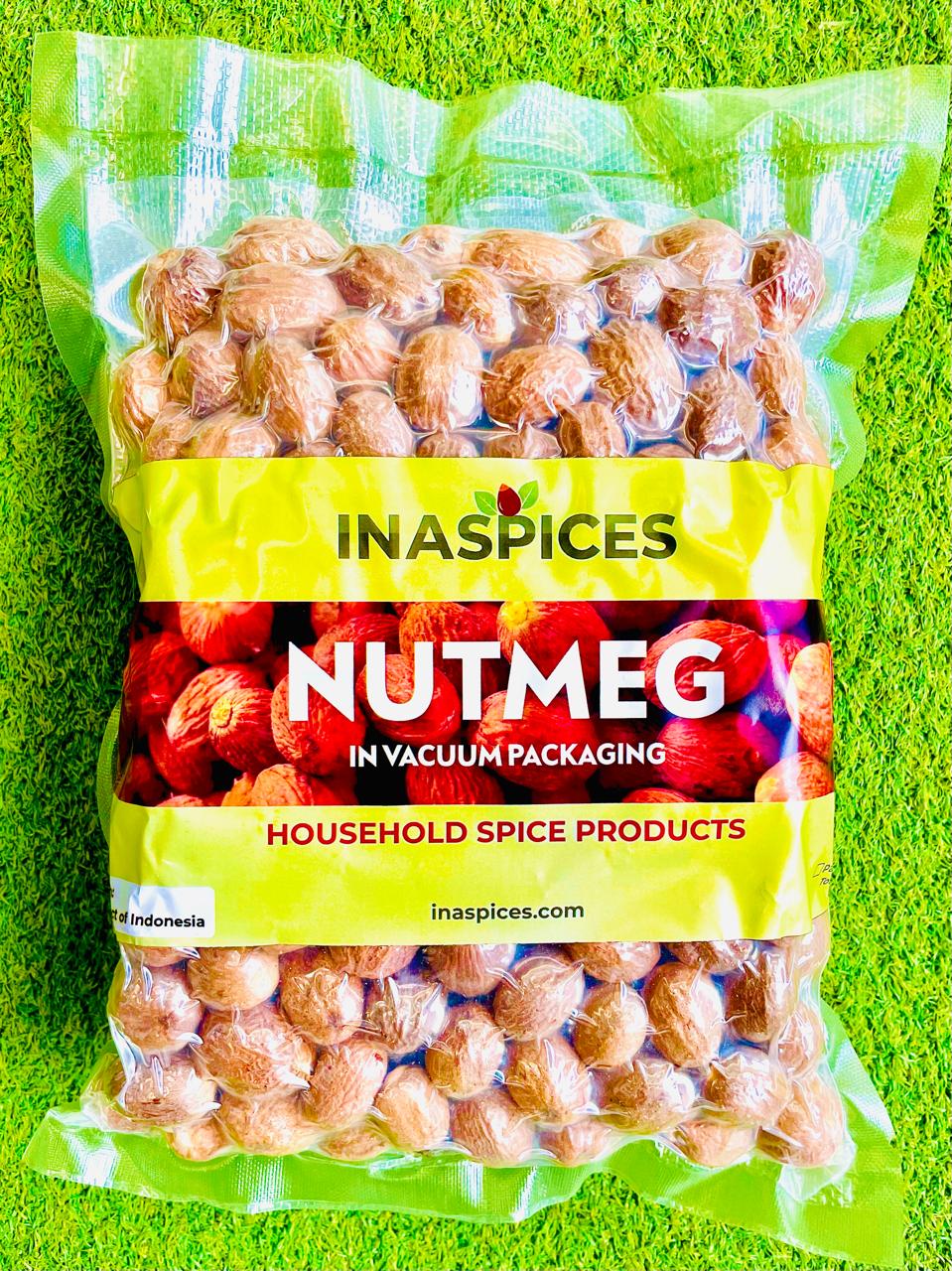
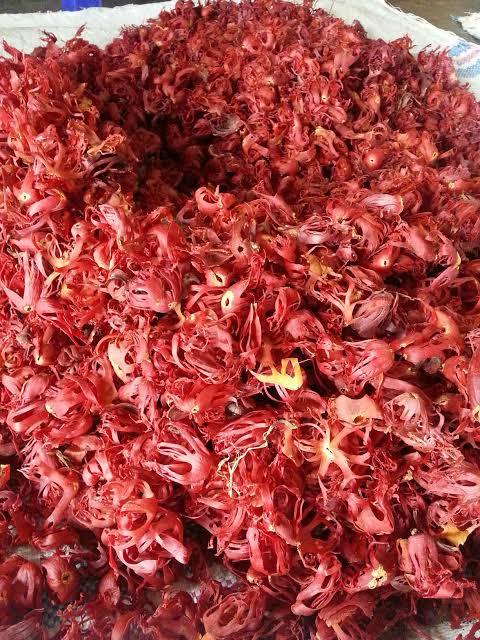
އިންޑޮނޭޝިޔާގެ ރަށްތަކުގެ ހިތްގައިމު މަންޒަރު: މަސާލާގެ އުފަންބިން.
This article was written in Divehi, the national language of the Maldives, celebrating the rich heritage of Indonesian spices.
Upload images to this post to show gallery.
In the vast tapestry of global flavors and fragrances, few regions have captivated the world quite like the Indonesian archipelago. For millennia, these emerald islands, scattered across the equator, have been the heartland of some of the planet’s most coveted treasures: spices. From the pungent warmth of cloves to the delicate complexity of nutmeg and mace, and the comforting sweetness of cinnamon, Indonesian spices have not only shaped culinary traditions but have also driven empires, fueled explorations, and profoundly influenced medicine and culture across continents. This extensive exploration delves deep into the fascinating world of Indonesian spices, uncovering their rich history, their myriad health benefits, their journey from traditional remedies to modern pharmaceutical applications, their unique cultivation, and their enduring impact on global gastronomy.
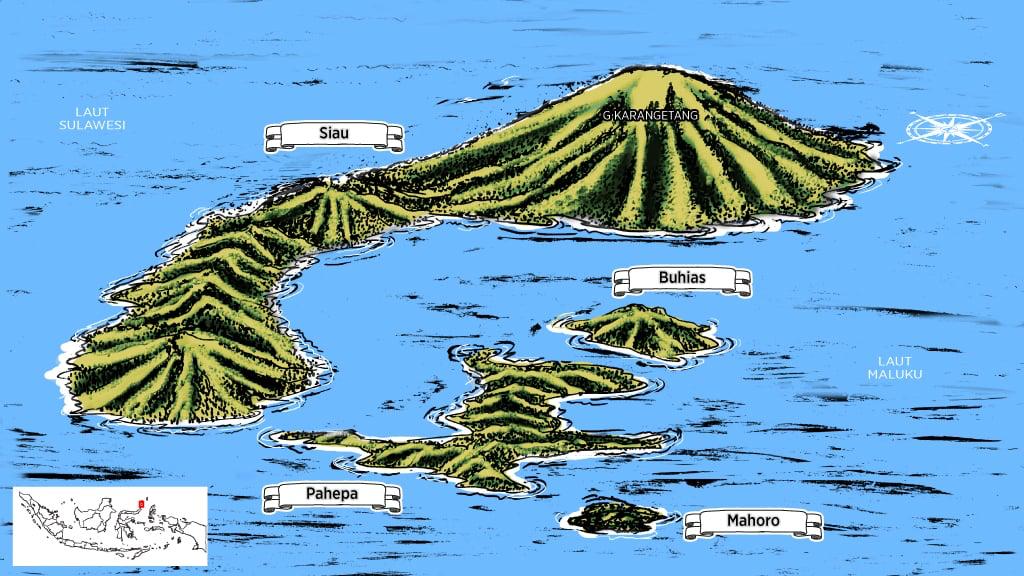
The story of Indonesian spices is inextricably linked with the grand narrative of human exploration and trade. Long before the age of European discoveries, Arab, Indian, and Chinese merchants navigated the treacherous waters of the Indian Ocean, drawn by the irresistible promise of the “Spice Islands,” primarily the Moluccas (Maluku), the original home of cloves and nutmeg. These early trade routes, known collectively as the Maritime Silk Road, were conduits not just for goods but also for ideas, religions, and technologies, forging an intricate web of cultural exchange.
The 15th and 16th centuries witnessed a dramatic shift in this global spice trade. European powers, driven by insatiable demand and the desire to bypass Venetian and Arab intermediaries, embarked on perilous voyages to find direct routes to the East. Christopher Columbus’s journey, though it led him to the Americas, was ultimately spurred by the quest for spices. It was Vasco da Gama who successfully rounded the Cape of Good Hope, opening a sea route to India and, subsequently, to the Indonesian archipelago, forever altering the course of world history.
The Portuguese were the first Europeans to establish a foothold in the Moluccas, followed by the Spanish, and then more dominantly, the Dutch and the English. The competition for control over the spice trade was brutal, marked by wars, monopolies, and unimaginable human cost. The Dutch East India Company (VOC), established in 1602, became particularly ruthless in its pursuit of monopoly, especially over nutmeg and cloves. The Banda Islands, the sole natural source of nutmeg and mace, bore the brunt of this imperial ambition, with their indigenous populations decimated to ensure exclusive control over production.
This colonial legacy profoundly shaped the economic and political landscape of Indonesia and indeed, the world. Spices were not just commodities; they were geopolitical tools, symbols of wealth and power, and catalysts for global exploration and exploitation. Even as monopolies eventually crumbled and cultivation spread to other parts of the world, Indonesia’s identity as the cradle of these precious aromatics remained.
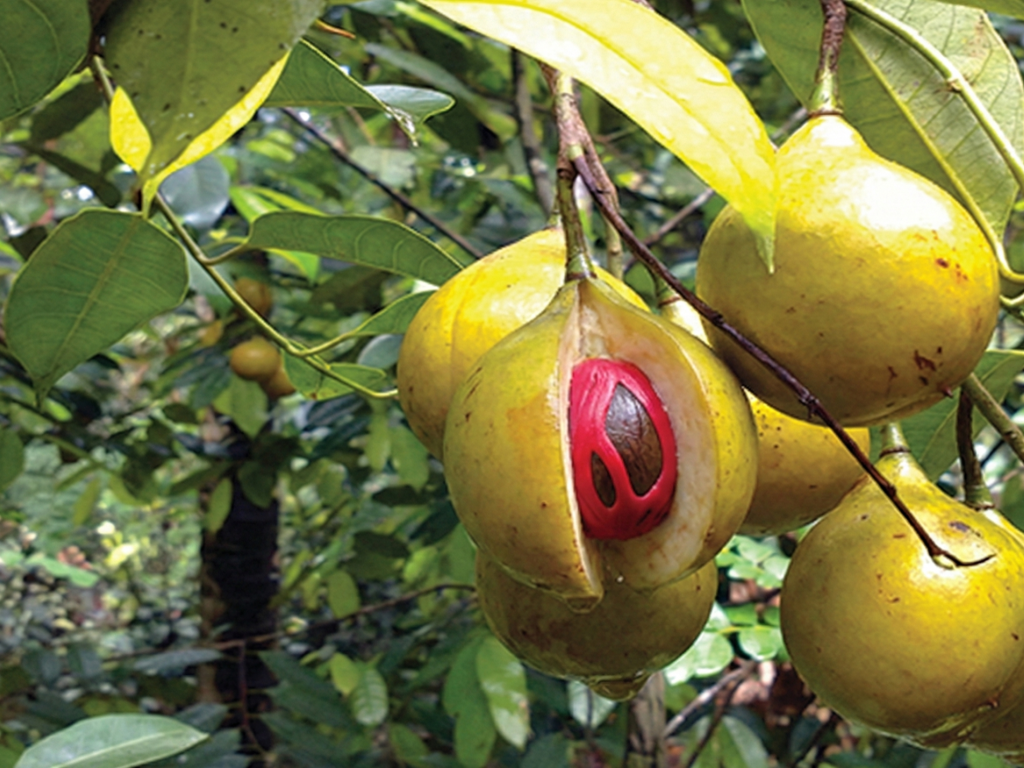
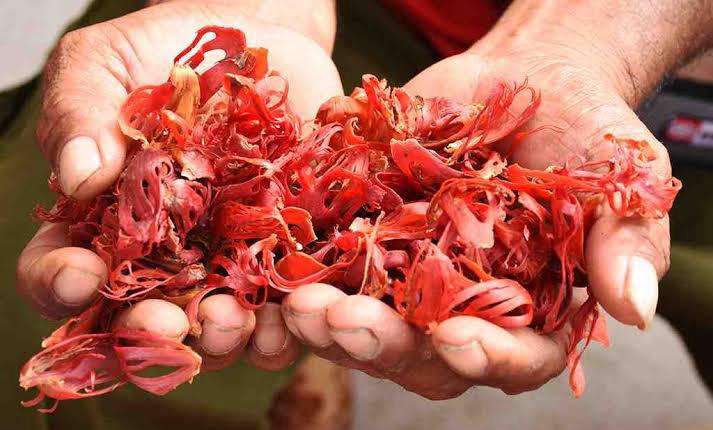
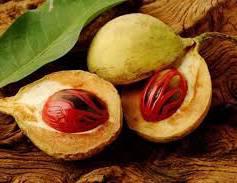
From the mystical Banda Islands, the nutmeg tree (Myristica fragrans) yields not one but two distinct spices: nutmeg, the seed, and mace, the lacy aril that covers the seed. This dual offering makes it uniquely valuable. The nutmeg fruit, resembling an apricot, splits open when ripe, revealing the dark brown seed encased in a brilliant red aril – mace.
Nutmeg trees thrive in tropical climates with ample rainfall and rich volcanic soil. The cultivation process is labor-intensive, often requiring harvesting by hand. Once harvested, the fruit is carefully opened to extract the mace, which is then gently removed from the nutmeg seed. Mace is flattened and dried in the sun, turning from vibrant red to a delicate orange-yellow. The nutmeg seeds are also sun-dried over several weeks until the kernel rattles within its hard shell. The shell is then cracked open to reveal the fragrant nutmeg kernel.
Nutmeg and mace offer distinct but complementary flavors. Nutmeg is warm, sweet, and highly aromatic, frequently used in desserts, custards, baked goods, and creamy sauces. It’s a staple in béchamel sauce, potato dishes, and even in some robust meat preparations. Mace, with its more delicate, subtly pungent, and slightly sweeter flavor, is preferred in lighter dishes, seafood, pastries, and sophisticated spice blends, where its nuanced aroma can truly shine without overpowering other ingredients.
Beyond their culinary appeal, both nutmeg and mace have a long history in traditional Indonesian, Indian (Ayurveda), and Chinese medicine. They are reputed for their digestive properties, often used to alleviate nausea, indigestion, and flatulence. Both possess anti-inflammatory and analgesic qualities. Nutmeg oil, rich in compounds like myristicin, eugenol, and safrole, has been used as an anxiolytic and sleep aid in folk medicine, though it must be used with caution due to potential toxicity in large doses. Early research suggests potential antidepressant and antimicrobial properties.
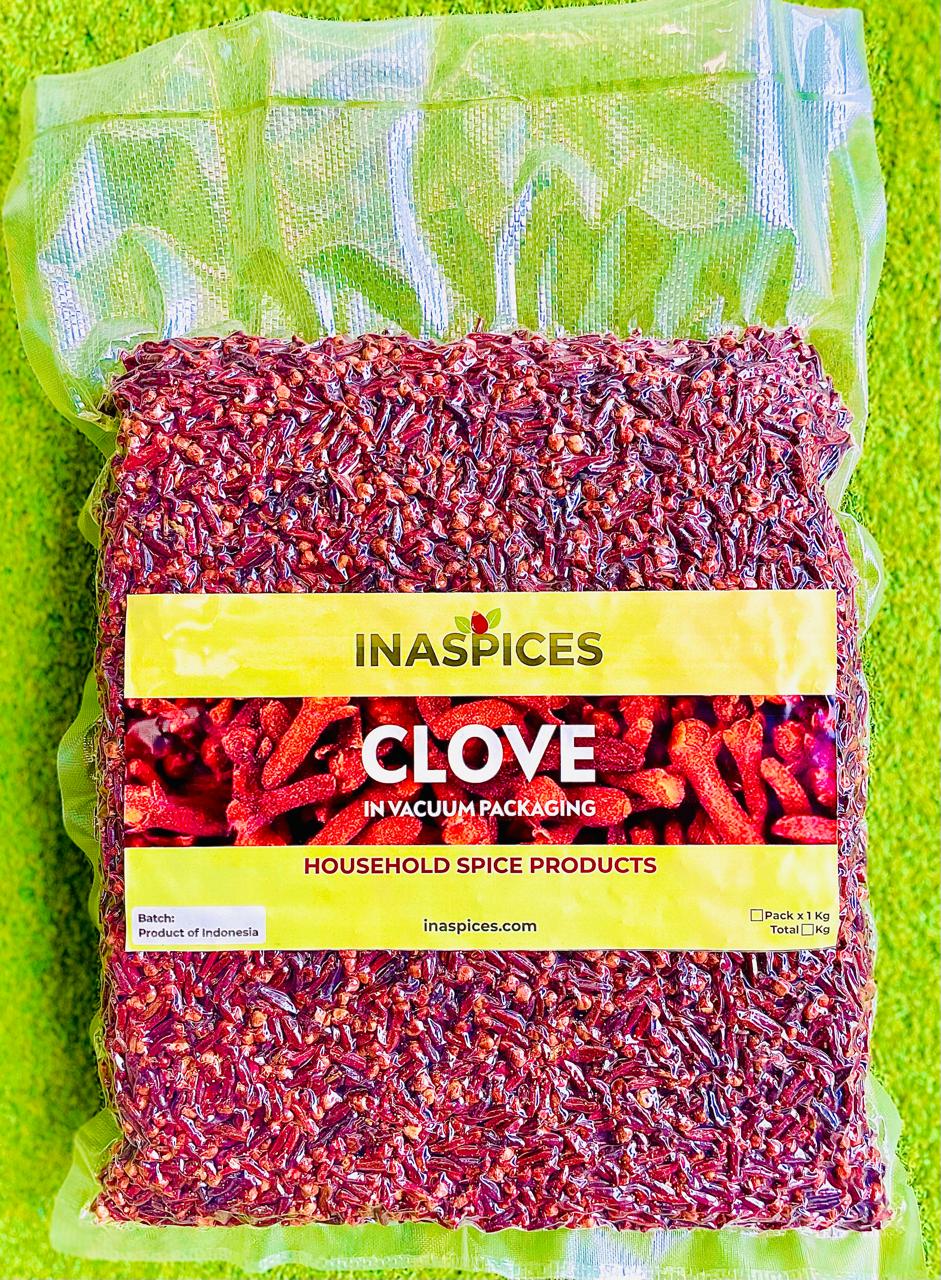
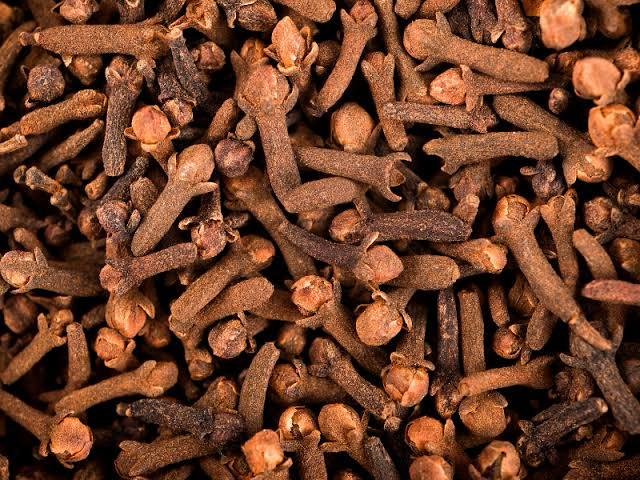
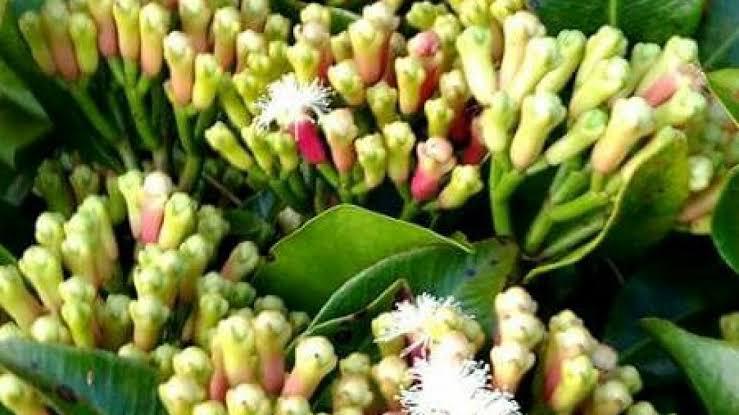
The small, nail-shaped dried flower buds of the clove tree (Syzygium aromaticum) are perhaps one of Indonesia’s most iconic exports. Hailing primarily from the Moluccas, particularly the islands of Ternate and Tidore, cloves boast an intensely pungent, sweet, and slightly bitter flavor, accompanied by a powerful, invigorating aroma.
Clove trees are evergreen, tropical trees that can grow quite tall. The buds are hand-picked before they open, when they are still pink and plump. They are then sun-dried until they turn a dark reddish-brown and develop their characteristic aroma and texture. The meticulous process of harvesting and drying ensures the preservation of their potent essential oils.
Cloves are incredibly versatile. In Indonesian cuisine, they are indispensable in savory dishes like rendang, curries, and various broths, lending depth and warmth. They are also a key ingredient in “kretek” cigarettes, a unique Indonesian product. Globally, cloves feature prominently in festive baking (gingerbread, apple pie), mulled wine, hot ciders, and savory meat rubs. Beyond the kitchen, clove oil is a well-known natural remedy for toothache and gum pain due to its strong anesthetic and antiseptic properties, thanks to its high eugenol content.
The health benefits of cloves are extensive. They are packed with antioxidants, particularly eugenol, which gives them potent anti-inflammatory and antiseptic qualities. Studies suggest cloves may help regulate blood sugar, improve liver health, and even possess anti-cancer properties. Their antimicrobial activity makes them effective against various bacteria and fungi. In traditional medicine, cloves are used for digestive issues, respiratory conditions, and as a natural pain reliever.
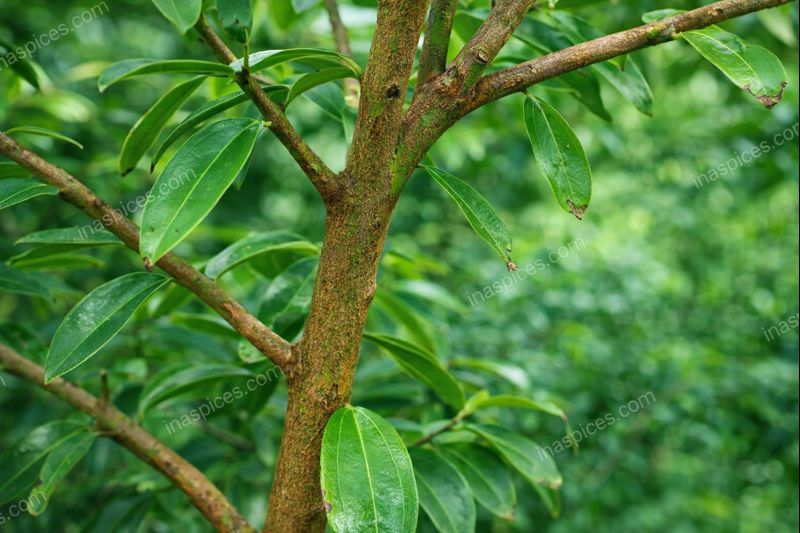
While various species of cinnamon exist globally, Indonesia is a significant producer of Cassia cinnamon (Cinnamomum cassia or Cinnamomum burmannii), often referred to as Indonesian cinnamon. This variety is known for its strong, slightly spicier flavor compared to Ceylon cinnamon, with a robust sweetness.
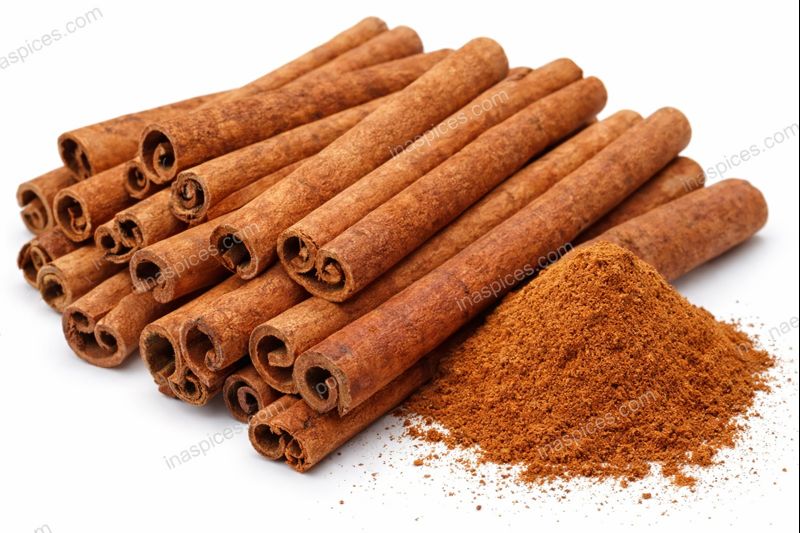
Cinnamon is derived from the inner bark of specific trees. Young cinnamon trees are pruned to encourage the growth of multiple shoots. After about two years, the bark is carefully peeled from these shoots. The outer bark is scraped away, leaving the inner bark to dry. As it dries, the bark curls into characteristic quills (sticks) or is ground into powder. The quality depends on the thinness and smoothness of the bark, with thinner bark often indicating a finer product.
Indonesian cinnamon’s bold flavor makes it a favorite in hearty stews, curries, and meat dishes across Asia. It’s also widely used in baked goods, desserts, and beverages in Western cuisines, from apple pies and cinnamon rolls to lattes and teas. Its versatility allows it to bridge the gap between sweet and savory applications with ease.
Cinnamon is celebrated for its impressive health benefits. It is a powerful antioxidant, helping to protect the body from oxidative damage. Perhaps its most well-researched benefit is its ability to help regulate blood sugar levels, making it of interest to those with type 2 diabetes or insulin resistance. Cinnamon also possesses significant anti-inflammatory, antimicrobial, and antifungal properties. Traditional medicine has long utilized cinnamon for digestive complaints, respiratory infections, and to warm the body.
The journey of Indonesian spices extends far beyond mere flavor enhancement. Their potent bioactive compounds have garnered significant interest from the scientific and medical communities, bridging ancient traditional wisdom with modern pharmacology.
For centuries, Indonesian spices have been cornerstones of traditional healing systems like Jamu, a holistic herbal medicine practice unique to Indonesia. Clove, nutmeg, mace, and cinnamon are revered for their therapeutic properties, used to treat a wide array of ailments from digestive disorders and inflammatory conditions to pain relief and mood enhancement. Remedies often involve decoctions, poultices, or topical applications, passed down through generations.
Today, pharmaceutical companies and researchers are actively investigating the isolated compounds within these spices. Eugenol from cloves is already a recognized topical anesthetic and antiseptic in dentistry. Myristicin and safrole from nutmeg are studied for their potential neuropharmacological effects, though toxicity at high doses remains a concern. Cinnamaldehyde from cinnamon is a focus of research for its anti-diabetic, anti-inflammatory, and antimicrobial actions. The antioxidant capacity of these spices, driven by polyphenols and flavonoids, makes them attractive candidates for developing nutraceuticals and dietary supplements aimed at combating chronic diseases.
The potential for new drug discovery from these natural sources is immense. Scientists are exploring how spice extracts can be used in antibacterial agents, anti-fungal treatments, and even in novel approaches to cancer therapy. This scientific validation helps elevate the status of these traditional remedies, offering new avenues for their application in global healthcare.
The captivating aromas of Indonesian spices also make them highly valued in the world of aromatherapy and home fragrance. Essential oils extracted from cloves, nutmeg, and cinnamon are widely used for their therapeutic effects. Clove oil is invigorating and purifying, often used to stimulate the mind or cleanse the air. Nutmeg oil is known for its calming and grounding properties, promoting relaxation and aiding sleep. Cinnamon oil is warming and comforting, frequently used to create a cozy atmosphere or to boost mental focus.
Beyond oils, whole or ground spices can be used in potpourri, simmering pots, or crafted into decorative elements that naturally scent a home, evoking warmth, comfort, and exotic allure without artificial chemicals. The earthy, sweet, and spicy notes create an inviting ambiance, making any space feel more welcoming and serene.
The influence of Indonesian spices on global cuisine is profound and ever-expanding. They are the secret ingredients that elevate ordinary dishes to extraordinary culinary experiences, transforming flavors and igniting the senses.
In the realm of desserts, nutmeg and cinnamon are kings. Imagine the rich warmth they lend to apple pie, pumpkin spice lattes, custards, rice puddings, and gingerbread. Mace, with its delicate charm, often finds its way into subtle fruit tarts, crème brûlée, and sophisticated baked goods. Cloves, while strong, are masterful when used sparingly in spiced cookies, fruit compotes, and even chocolate preparations, adding a distinctive aromatic bite.
The savory applications of these spices are just as diverse. Indonesian cuisine itself showcases their versatility in dishes like “rendang” (a rich coconut beef stew often spiced with cloves and cinnamon), “sate” marinades, and various curries. Globally, nutmeg is a classic pairing for cheese sauces, spinach, and mashed potatoes. Cloves lend their robust flavor to ham glazes, slow-cooked meats, stews, and Indian curries. Cinnamon, especially Cassia, forms the backbone of many Middle Eastern and North African meat dishes, tagines, and rice pilafs.
Beyond food, these spices infuse beverages with delightful complexity. Mulled wine, spiced teas, chai lattes, and artisanal coffees often feature cinnamon and cloves. Nutmeg is the quintessential topping for eggnog and hot chocolate. The chocolate industry also utilizes these spices, with dark chocolates sometimes incorporating a hint of clove or cinnamon for an exotic twist.
The continued global demand for Indonesian spices underscores their significant economic impact, particularly on local farming communities. Thousands of smallholder farmers across islands like Sulawesi, Sumatra, and the Moluccas depend on spice cultivation for their livelihoods. Ensuring sustainable practices is crucial not only for environmental preservation but also for the long-term economic viability of these communities.
Sustainable farming initiatives focus on organic cultivation, responsible harvesting techniques, fair trade practices, and supporting farmers with training and resources. This commitment helps maintain soil health, protect biodiversity, and ensure that the rich heritage of Indonesian spice farming can continue to thrive for generations to come. When consumers choose responsibly sourced Indonesian spices, they are not just acquiring a premium product; they are also supporting a vital ecosystem and empowering local communities.
From the ancient maritime trade routes that connected civilizations to the modern kitchens and laboratories of today, Indonesian spices have woven an extraordinary narrative. They are not merely ingredients but powerful symbols of history, cultural exchange, health, and flavor. The warmth of cinnamon, the aromatic bite of clove, and the complex allure of nutmeg and mace continue to inspire chefs, heal ailments, and fill homes with intoxicating fragrances.
Their journey from the lush volcanic soils of the archipelago to every corner of the globe is a testament to their timeless appeal and intrinsic value. As we savor their flavors or benefit from their therapeutic properties, we are reminded of Indonesia’s unparalleled contribution to the world of spices – a legacy rich in history, vibrant in health, and boundless in gastronomic possibility.
The next time you encounter these precious spices, remember the verdant islands, the dedicated farmers, and the centuries of history that have brought them to you. They are more than just spices; they are fragments of a remarkable story, ready to unfold in your hands.
For authentic, high-quality Indonesian spices directly from the source, explore the exquisite selection at Inaspices.com. We pride ourselves on offering premium, sustainably sourced spices that bring the true essence of the archipelago to your kitchen and beyond.
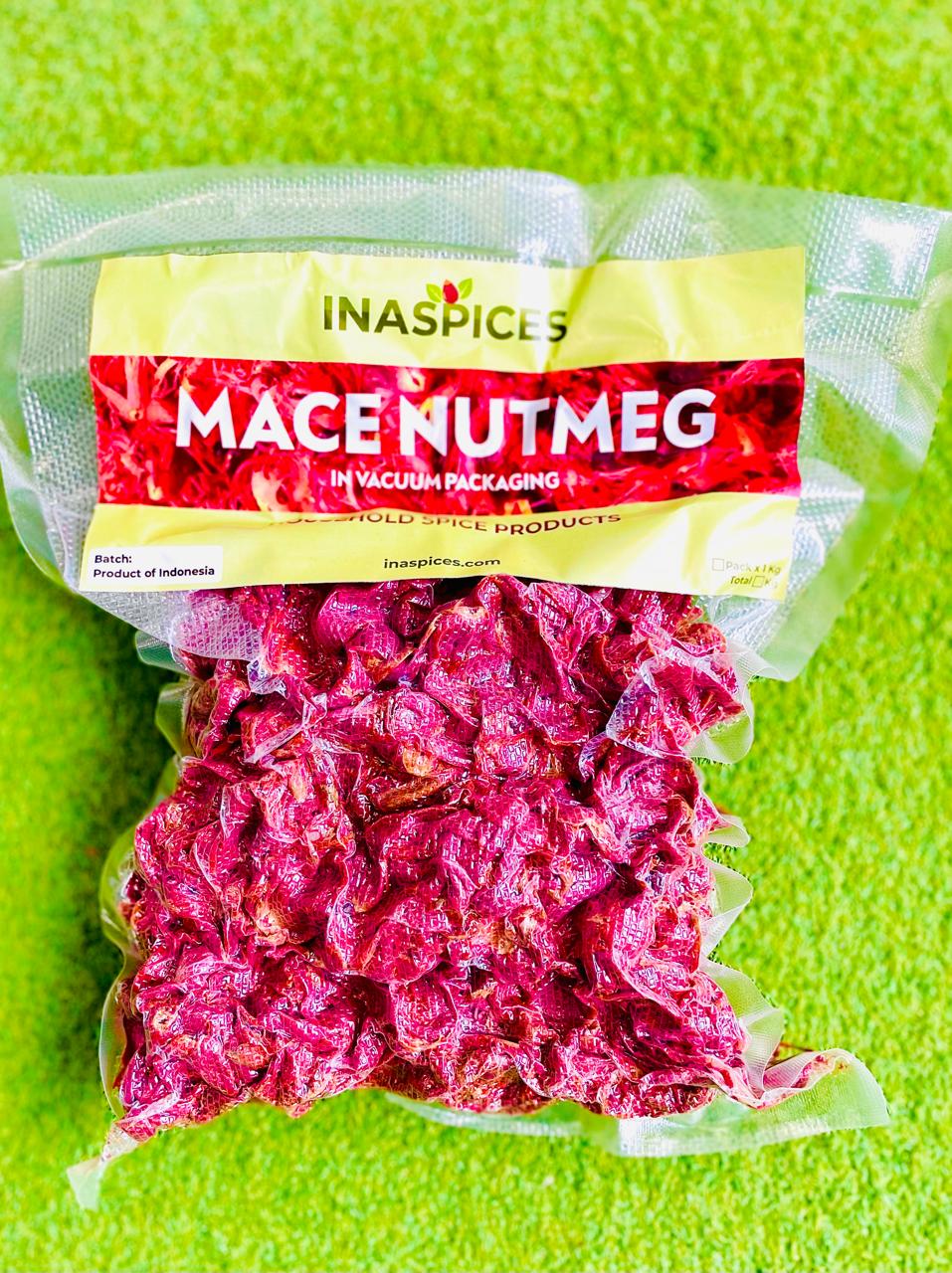
Mace Nutmeg: Experience the delicate yet profound flavor of our premium mace and nutmeg.Clove: Discover the intense aroma and warm spice of our finest cloves.Nutmeg: Enhance your dishes with the sweet, rich notes of our high-quality nutmeg.Visit Inaspices.com today and embark on your own spice adventure!