
Upload images to this post to show gallery.
In the vast tapestry of global flavors, few regions boast a history as rich and aromatic as Indonesia. Known for centuries as the “Spice Islands,” this archipelago nation has been the epicenter of a lucrative and often dramatic trade that shaped empires, ignited explorations, and tantalized palates across the world. From the fragrant kitchens of Southeast Asia to the sophisticated pharmacies of Europe, Indonesian spices have always been more than just ingredients; they are a legacy, a medicine, and a symbol of natural abundance.

Long before modern trade routes, the islands of Maluku (the Moluccas), part of modern-day Indonesia, were whispered about in distant lands as the source of extraordinary treasures: cloves and nutmeg. These weren’t just exotic flavorings; they were symbols of wealth, status, and believed to possess mystical healing powers. The desire for these spices drove explorers like Vasco da Gama and Ferdinand Magellan, reshaping world maps and global economics.
The intense demand led to fierce competition among European powers—Portuguese, Dutch, and British—each vying for control over the precious spice-producing islands. Monopolies were established, fortunes were made, and the very course of history was altered by these tiny, potent seeds and dried flower buds. Even today, the legacy of this era can be tasted in the vibrant cuisines of many cultures, a testament to the enduring power of Indonesian spices.
While Indonesia cultivates a diverse array of spices, four stand out for their historical significance, versatility, and unique characteristics:
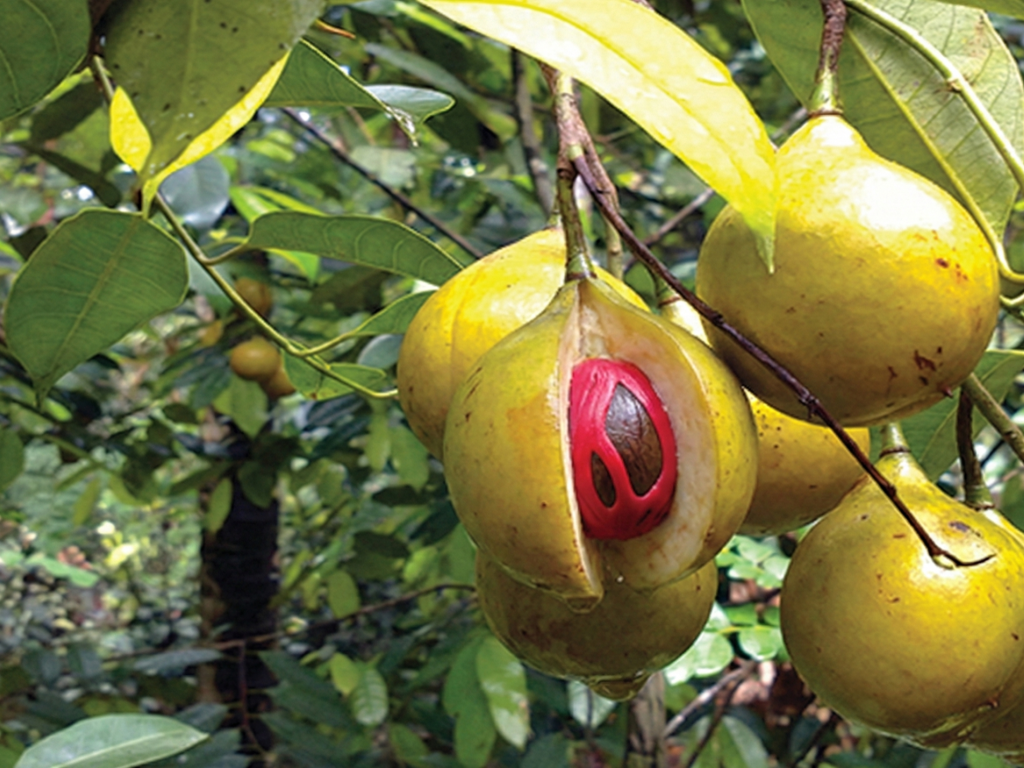
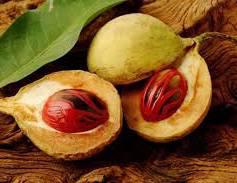
From the same fruit of the Myristica fragrans tree, we get two distinct spices: nutmeg and mace. Nutmeg is the hard, aromatic seed, while mace is the delicate, lacy aril that encases it. Native to the Banda Islands, these spices were once so valuable that they were traded for Manhattan Island!
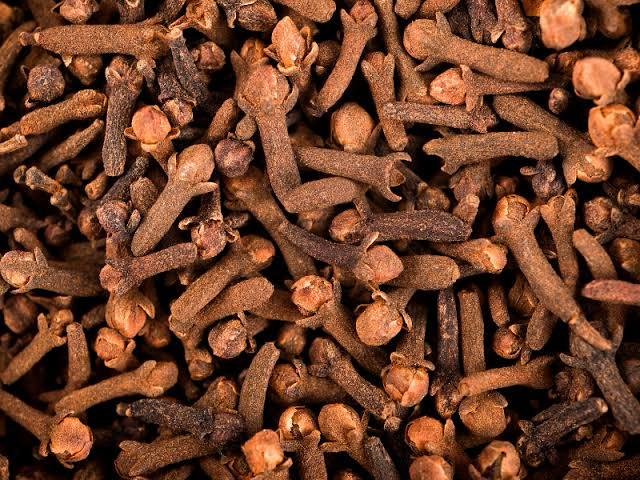
The dried flower buds of the clove tree (Syzygium aromaticum) are renowned for their intense, pungent, and slightly sweet flavor. Originating from the Maluku Islands, cloves have been cherished for millennia, not just for culinary uses but also for their medicinal properties.
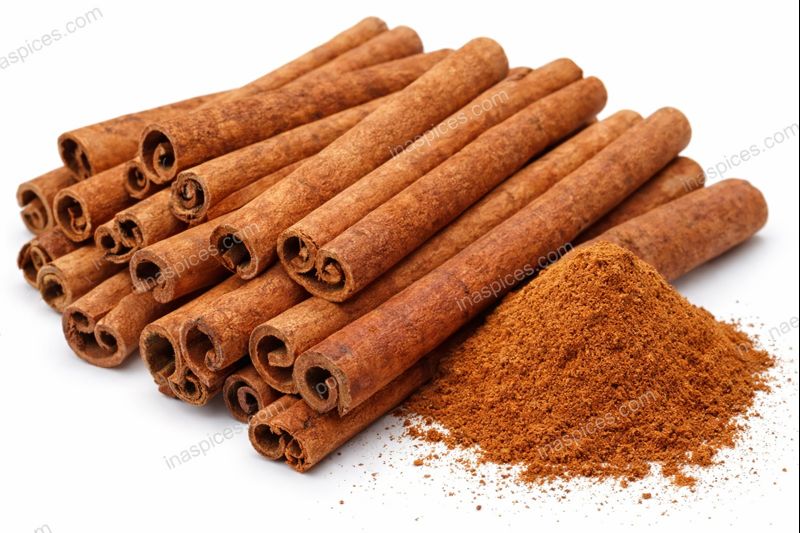
While Sri Lanka is often associated with “true” Ceylon cinnamon, Indonesia is a major producer of Cassia cinnamon (Cinnamomum cassia or Cinnamomum burmannii), celebrated for its robust, sweet, and slightly spicy flavor. The bark of the cinnamon tree is harvested, dried, and rolled into quills or ground into powder.
Indonesian spices are not just about flavor; they are potent sources of natural compounds with incredible health benefits, deeply embedded in traditional medicine practices and increasingly recognized by modern pharmacology.
From ancient Indonesian Jamu (traditional herbal medicine) to contemporary pharmaceutical research, the potential of these natural wonders continues to be explored, bridging age-old wisdom with scientific innovation.
The delightful aromas of Indonesian spices extend beyond the kitchen and medicine cabinet. They are perfect for creating a warm, inviting atmosphere in your home:
What makes Indonesian spices truly special? It’s the unique combination of volcanic soil, tropical climate, and generations of farming expertise. The archipelago’s diverse ecosystems provide ideal growing conditions, imparting distinctive flavor profiles that are sought after globally. Sustainable farming practices, often passed down through families, ensure the continued quality and authenticity of these precious crops.
Ready to bring the authentic, rich flavors and aromatic magic of Indonesian spices into your home? At inaspices.com, we pride ourselves on sourcing the highest quality spices directly from the heart of Indonesia. Our commitment to freshness and purity ensures you receive only the best, allowing you to experience the true essence of the Spice Islands.
Explore our selection of premium Indonesian spices:
Discover the difference that genuine Indonesian spices can make in your cooking, your health, and your home. Visit inaspices.com today!