
Upload images to this post to show gallery.
In days of yore, ere charts were drawn and compasses did guide, there stirred a hunger in the hearts of men for that which lay beyond the known shores: the mystical, aromatic treasures from lands far-flung. These were the spices, in sooth, not mere condiments, but very gold, more prized than jewels, capable of shaping empires and altering the very course of history. From the Sun-drenched Isles of the East, where the air doth heavy lie with fragrant breath, four mighty monarchs of aroma did emerge: Nutmeg, her crimson cloak of Mace, the pungent Clove, and the sweet embrace of Cinnamon. Hither shall we journey, into their ancient saga, their lore, and their enduring might.
Verily, the pursuit of spices did forge paths across oceans and continents, creating the legendary Lore of the Spice-Route, a network of trade that stretched from the fabled Moluccas to the farthest reaches of Europe. It was a perilous journey, oft fraught with peril and piracy, yet the allure of these potent botanical gifts was too great to resist. The Moluccas, now known as part of Indonesia, were then the sole fount of certain spices, a secret guarded with fierce zeal. The very name ‘Spice Islands’ speaks volumes of their unparalleled bounty.
The Chronicle of Spices in the East-Indies is one woven with threads of discovery, conquest, and vast wealth. Long ere European mariners did dream of circumnavigating the globe, native traders had already established intricate networks, bringing these precious commodities from their verdant birthplaces to eager hands across Asia. The quest for nutmeg, cloves, and cinnamon spurred explorers like Columbus and Magellan, though their paths diverged greatly. Each journey added another chapter to this epic, transforming global commerce and culinary arts forevermore.
Within the bosom of Insulinde – the Indonesian Archipelago – lay the fabled lands that were the very fount of the world’s most sought-after flavours. This truly was the heirloom of spices, a natural treasure trove passed down through countless generations. The small islands of Banda, in particular, held the secret of nutmeg and mace, whilst the northern Moluccas, Ternate and Tidore, were the undisputed kings of the clove trade. For centuries, these islands were the most valuable pieces of land on Earth, their bounty igniting rivalries and wars amongst colonial powers – the Portuguese, the Dutch, and the English – all vying for control of this fragrant dominion.
From these sun-kissed lands did emerge the plants that would become global commodities, transforming kitchens and apothecaries alike. The very earth of these islands, warmed by tropical sun and fed by volcanic soil, was the perfect cradle for these botanical marvels.
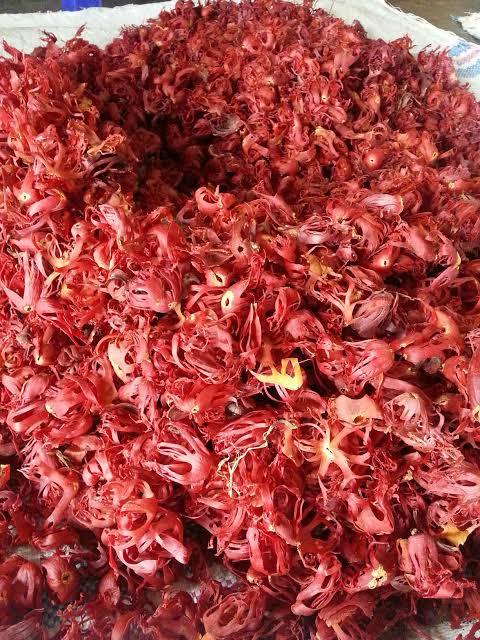
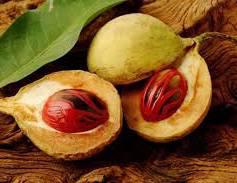
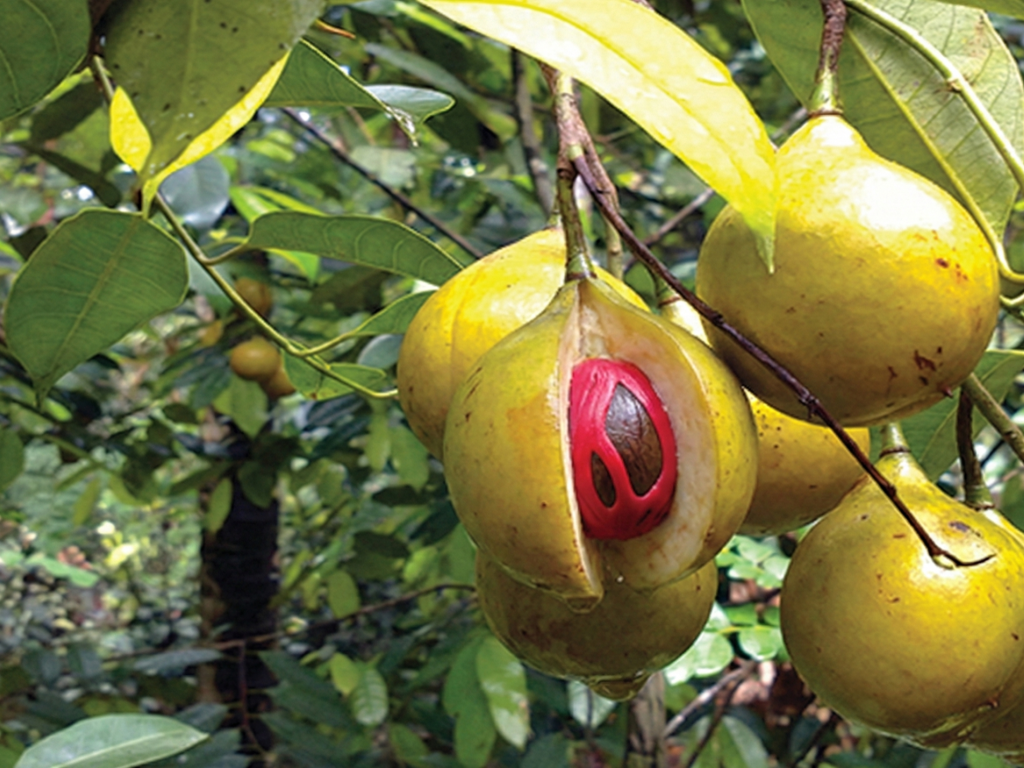
Behold the wondrous tree of Myristica fragrans, the nutmeg tree! From its boughs hang fruits akin to apricots. When ripe, these fruits split open to reveal a dark, shiny seed – the nutmeg – enveloped by a lacy, crimson aril. This aril, gently removed and dried, becomes the revered mace of the highest standard and purity. It is a spice of delicate fragrance yet potent flavour, often preferred for its subtle warmth in dishes where nutmeg might overpower.
The nutmeg itself, once the mace is detached, is a seed hard as wood, which must be carefully dried and then grated to release its unique aroma. It is a truly remarkable pair, born of the same fruit, yet distinct in character and usage. The compound known as Myristicin – a natural organic compound found within the nutmeg – is of great interest to scholars of medicine and botany, for its unique properties and its historical use in various remedies and spiritual practices.
The muscat spice, as nutmeg was oft called in bygone eras – a name evoking its musky, sweet fragrance – has found its way into countless preparations, from savoury stews to sweet custards. Its warm, slightly pungent flavour lends itself to a myriad of cuisines across the globe. In medieval Europe, it was believed to ward off plague and illness, and was a staple in festive drinks and rich meats. To this day, it graces béchamel sauce, creamy soups, and is indispensable in baking, from fruit tarts to spiced breads. Indeed, Isa, a nutmeg of rare renown, might be found prized by connoisseurs for its particularly intense aroma and flavour, a testament to the diverse qualities within this singular spice.
Recipes of Yore: A Nutmeg Confection
For a taste of olden days, perchance, try a simple spiced milk: Warm fresh milk with a pinch of grated nutmeg, a whisper of cinnamon, and a spoonful of honey. A soothing draught for cold nights, or a comforting tonic.
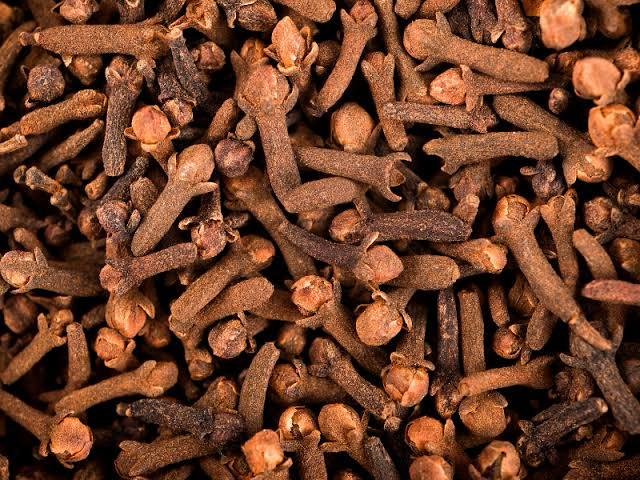
Next amongst our esteemed company is the Clove (Syzygium aromaticum), a dried flower bud hailing predominantly from the Moluccan Isles. Its name, derived from the Latin ‘clavus’ meaning nail, perfectly describes its shape. The clove’s flavour is intensely warm, sweet, and aromatic, bearing a slight peppery finish. Used whole or ground, it is a formidable presence in cooking, from studding hams and oranges to infusing mulled wines and flavouring curries. Beyond the kitchen, cloves have a venerable history in traditional medicine as a potent analgesic and antiseptic, particularly for dental woes.
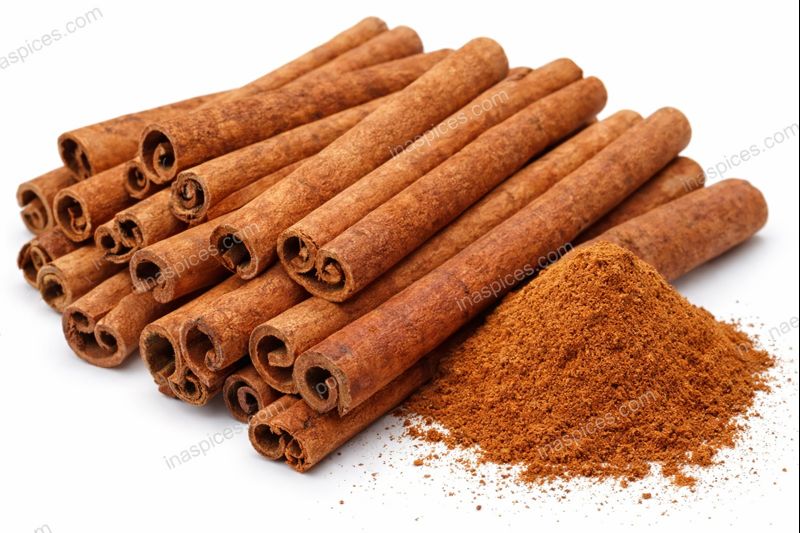
Then comes Cinnamon (Cinnamomum verum or Cinnamomum cassia), the sweet, fragrant bark whose delicate curl has graced kitchens for millennia. Its origin traces back to Ceylon (modern-day Sri Lanka) for the true ‘Ceylon cinnamon’, and to various parts of Southeast Asia for ‘Cassia cinnamon’. The harvesting of this spice is an art, involving the careful scraping and drying of the inner bark, which then curls into the familiar quills. Cinnamon is universally beloved for its comforting warmth and sweetness, finding its place in desserts, beverages, and savoury dishes alike. From apple pies to aromatic tagines, its presence is unmistakable and cherished.
The influence of these ancient aspices extends far beyond the culinary realm. In the chambers of healers and perfumers, their virtues were equally extolled. Nutmeg and cloves, with their strong aromatic compounds, were oft used in incense and potpourri, believed to purify the air and uplift the spirit. Cinnamon, too, found its way into fragrant oils and perfumes, cherished for its warm and inviting scent.
Consider the sweet delights of the Middle East, such as Lokum, that chewy Turkish confection. Whilst often famed for rosewater or pistachio, many variants incorporate the subtle warmth of nutmeg and the delicate sweetness of cinnamon, providing a complex counterpoint to the sugary base. These spices, then, are not merely a flavour for the tongue, but a full sensory experience, interwoven into the fabric of culture, medicine, and spiritual practice across diverse lands.
Their medicinal applications are manifold and continue to be studied. Nutmeg and cloves are known for their anti-inflammatory and antiseptic properties, whilst cinnamon is celebrated for its potential to regulate blood sugar. These ancient gifts, therefore, bridge the gap betwixt flavour and well-being, proving their worth not just as culinary stars but as natural remedies.
The narrative of nutmeg, mace, cloves, and cinnamon is a timeless one, a testament to the enduring human fascination with flavour and aroma. From the perilous voyages of old to the bustling markets of today, these spices have retained their allure. They are not merely commodities but cultural ambassadors, carrying whispers of ancient traditions and exotic lands into every kitchen they enter. The global spice trade continues to thrive, a vibrant echo of the historic Spice Route, bringing the essence of the East-Indies to every corner of the world.
Though the world has shrunk, and these precious gifts are now more accessible than ever, their intrinsic value and the story they tell remain undiminished. They are a bridge to our past, a delight for our present, and a flavourful promise for our future.
For those who seek to imbue their kitchens and lives with the rich legacy of these venerable spices – be it the potent nutmeg, the delicate mace, the fiery clove, or the sweet cinnamon – quality is paramount. To truly experience the authentic essence and profound depth of flavour that has captivated humanity for centuries, one must seek out sources that honour the ancient traditions of cultivation and harvesting.
We heartily recommend exploring the distinguished selections at inaspices.com. They offer a bounty of these exquisite spices, ensuring that the heirloom of flavours from the East-Indies continues to enrich your culinary endeavours. Discover their offerings of Nutmeg, Mace, and Cloves, and many other fine spices, all brought forth with care from their ancestral lands to your table.
Let the spirit of these ancient aspices awaken your senses and connect you to the grand tapestry of human history and flavour.
Upload images to this post to show gallery.
In the vastness of this great land, where the wind carries stories from ancient times, we, the Panyjima people, speak of the earth’s many gifts. Among them are the aromatic wonders that have shaped histories and tantalized palates across the globe. We call them Waja Mardamarda Kari – the Treasured Ancient Spices. Today, we journey through the captivating world of Nutmeg, Mace, Cloves, and Cinnamon, reconnecting with the sejarah jalur rempah (the history of the spice route) that once linked distant shores to the rich islands of what is now Indonesia.
The tale of these spices is not just about flavour; it is a profound narrative of discovery, conflict, healing, and cultural exchange. From the sacred grounds where these plants first took root, their scent whispered promises of wealth and wonder, drawing adventurers and traders across vast oceans. This is a story that resonates deep within the earth, a true pusaka rempah (spice heritage) that we must remember and cherish.
Imagine the lush, green canopy of the Moluccas, the legendary ‘Spice Islands’ of Indonesia. Here, the air is thick with the sweet, musky scent of the nutmeg tree. For centuries, these islands were the sole source of two of the world’s most coveted spices: Nutmeg and its delicate, fiery cousin, Mace. They are, truly, a Ngurra Marru Panyjarr – the strong spirit of the land itself.
Pala, or Nutmeg as it is known to many, is more than just a spice; it is a legend. The beautiful evergreen nutmeg tree yields a fruit that, when ripe, splits open to reveal a dark, shiny seed encased in a vibrant red aril. The seed is nutmeg, and the aril is mace. The story of Pala is one of fierce desire and global impact, deeply intertwined with the sejarah rempah rempah di indonesia (history of spices in Indonesia). For millennia, only the people of these islands knew its secret. Isa Pala, this precious nutmeg, captivated empires.
Historically, Nutmeg was revered not just for its culinary uses but also for its perceived medicinal properties. Ancient texts speak of its use in digestive remedies and as a sleep aid. While we Panyjima may not have direct historical links to the Moluccas, we understand the power of plant medicines from our own land, seeing Pala as another testament to nature’s healing touch. Many people around the world still value it; some in other lands even call it múskat krydd.
Beyond its flavour and history, Nutmeg holds fascinating scientific secrets. Within its rich essence lies a compound known as Myristicin. This naturally occurring organic compound contributes to nutmeg’s distinctive aroma and, in high doses, can have psychoactive effects. It’s a powerful reminder that all of nature’s gifts, even the most fragrant, must be respected.
Nestled around the nutmeg seed is Mace, known as Marta here in our story. It is the lacy aril that clings to the nutmeg shell, and it possesses a flavour profile that is subtly different from nutmeg – more delicate, yet more intense and pungent, with a hint of pepperiness. While both come from the same fruit, Marta offers a unique culinary experience, making it a highly prized aspices in its own right.
Mace’s colour can range from fiery red to a warm orange-yellow, depending on its drying process. When dried, it retains its beautiful, net-like structure. For those seeking the very best quality, Marta HPS (High Purity Specification) is highly sought after in the international market. This ensures that the mace is meticulously handled and processed to retain its vibrant colour, potent aroma, and exceptional flavour, making it a truly waja (good) product for discerning chefs and culinary artists worldwide. From traditional curries to sophisticated desserts, Marta adds a golden touch of warmth and complexity. 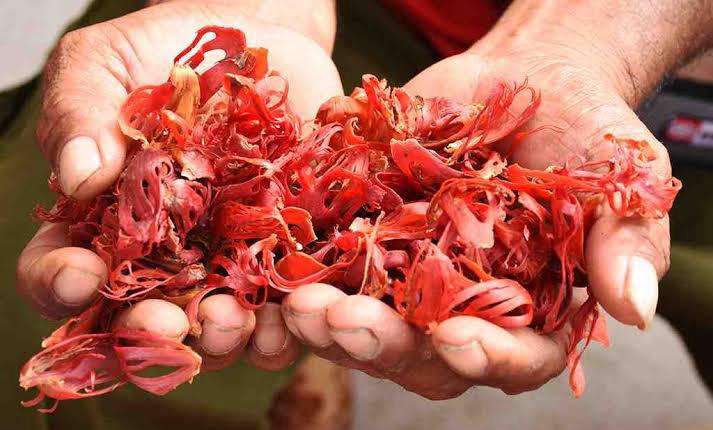
Beyond the mystical allure of Nutmeg and Mace, two other titans of the spice world hail from these same rich lands: Cloves and Cinnamon. Their stories are equally compelling, weaving a tapestry of flavour, health, and history that has touched every corner of the globe.
Cengkeh, or Cloves, are the dried flower buds of a tropical evergreen tree, indigenous to the Moluccas. Their distinctive, strong, and sweet-peppery aroma is unmistakable. To the Panyjima, we might see them as Ngarrka Kupuja Waja – a sweet, good flower that brings joy. These little buds, resembling tiny nails, were once worth their weight in gold.
For centuries, cloves have been cherished not only in cooking but also in traditional medicine across Asia and beyond. They are renowned for their powerful antioxidant and anti-inflammatory properties, largely due to a compound called eugenol. From soothing toothaches to aiding digestion, the health benefits associated with cloves are profound, making them a true gift of nature. These spices in many traditional remedies highlight their enduring value. In many kitchens, from savory meat dishes to warming winter drinks, cloves add an unmistakable depth and fragrance.
Kayu Manis, or Cinnamon, is perhaps one of the most universally loved spices. It comes from the inner bark of several tree species from the genus Cinnamomum. The bark is peeled, dried, and curls into rolls, known as quills. To us, it is Yirra Waja Marnta – the sweet, big tree bark that offers so much. Its sweet, woody, and slightly citrusy notes are comforting and familiar.
The history of cinnamon is as ancient as trade itself, tracing back to Egypt and mentioned in biblical texts. It was a luxury item, a symbol of status and wealth, and played a significant role in ancient rituals and perfumery. Today, it graces everything from apple pies to curries, and is a key ingredient in many sweet treats, including the delightful Turkish confection, lokum.
Beyond its flavour, cinnamon is celebrated for its health benefits. It is a powerful antioxidant, known for its anti-inflammatory properties and its potential role in managing blood sugar levels. Many cultures incorporate it into daily diets for these very reasons, underscoring its dual role as a culinary delight and a wellness booster.
The story of these spices – Nutmeg, Mace, Cloves, and Cinnamon – is incomplete without acknowledging the epic journeys they inspired. The Waja Ngurra Yurlu Kari, or the ancient Spice Routes, were complex networks of sea and land paths that connected the East to the West for millennia. These routes were not just conduits for trade; they were arteries of cultural exchange, spreading knowledge, languages, and ideas alongside precious cargo.
From the sun-drenched islands of Indonesia, ships laden with these aromatic treasures set sail, navigating treacherous waters and facing myriad challenges. They journeyed across the Indian Ocean, through the Red Sea, and eventually to the markets of Europe, influencing cuisines, medicines, and economies along the way. The sejarah jalur rempah is a testament to human ingenuity and the irresistible allure of the exotic. The specific importance of the sejarah rempah rempah di indonesia cannot be overstated, as this archipelago was the very heart of this global trade for centuries. 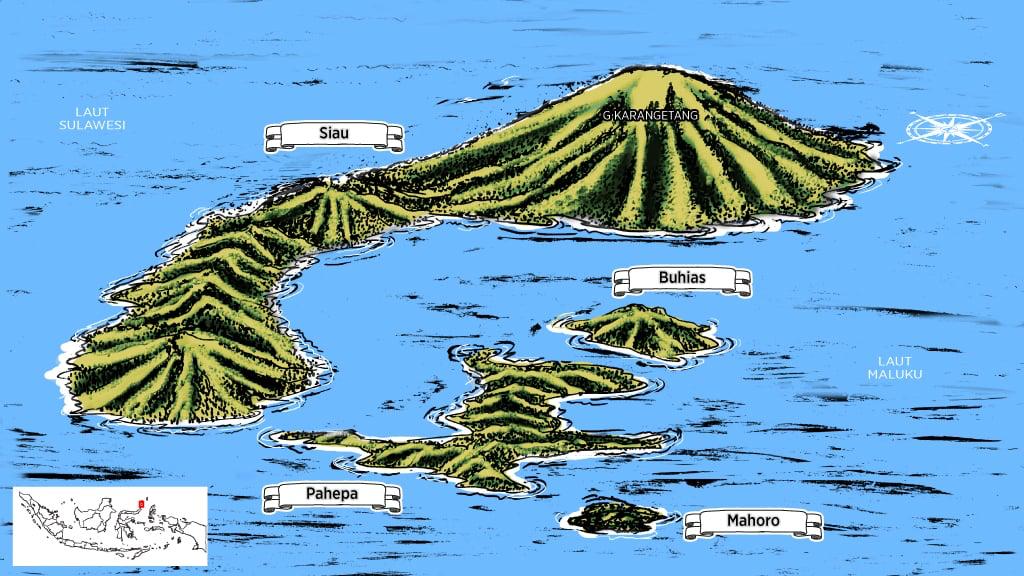
The quest for control over these spice routes led to grand explorations, fierce rivalries, and ultimately, the reshaping of world maps. Nations rose and fell, driven by the desire to command the flow of these valuable commodities. The legacy of these routes is etched into our shared history, reminding us of a time when a pinch of nutmeg or a stick of cinnamon could alter the course of empires.
Today, the allure of these spices remains undiminished. While the ancient trading routes may have evolved, the demand for high-quality Nutmeg, Mace, Cloves, and Cinnamon continues to grow. They are still Waja Mardamarda Nganpaa Ngurra – our treasured spices, connecting us to a rich past and inspiring culinary creativity in the present.
From gourmet kitchens to traditional households, aspices like these continue to be essential. They are used in countless recipes, from savory stews and curries to sweet baked goods and aromatic beverages. The versatility of isa nutmeg alone, for example, allows it to be grated fresh over pasta, stirred into a béchamel sauce, or sprinkled into a warming mug of hot chocolate. Mace, with its unique flavour profile, finds its place in delicate pastries and spiced puddings, offering a sophisticated twist.
Cloves are integral to mulled wines, braised meats, and pickling recipes, providing a powerful, aromatic kick. Cinnamon, a true global favourite, is ubiquitous in desserts, breakfast cereals, and even savory dishes in many cuisines. The world has truly embraced these Indonesian wonders, finding new and innovative ways to incorporate their unique profiles into modern living while still honouring their ancient origins.
The journey of these spices from the lush Indonesian islands to your kitchen is a story of enduring appeal. It’s a testament to the powerful connection between nature, history, and human culture. When you use these spices, you are not just adding flavour; you are participating in a timeless tradition, a continuous narrative stretching back to the earliest spice traders.
As we conclude our journey through the history and allure of these magnificent spices, we are reminded of their enduring legacy. Each pinch, each sprinkle, is a whisper from ancient times, a taste of distant lands, and a testament to the rich bounty of nature. To truly experience the authentic essence of these Waja Mardamarda Kari, we encourage you to seek out high-quality sources.
For those who wish to bring the genuine aroma and profound flavour of Indonesia’s finest spices into their homes, look no further than inaspices.com. They are dedicated to sourcing and delivering premium Nutmeg, Mace, Cloves, and Cinnamon directly from their origins, ensuring that you receive products that honour the true pusaka rempah of Indonesia. Explore their selection of exquisite spices and let your culinary adventures be enriched by the true spirit of the Spice Islands.
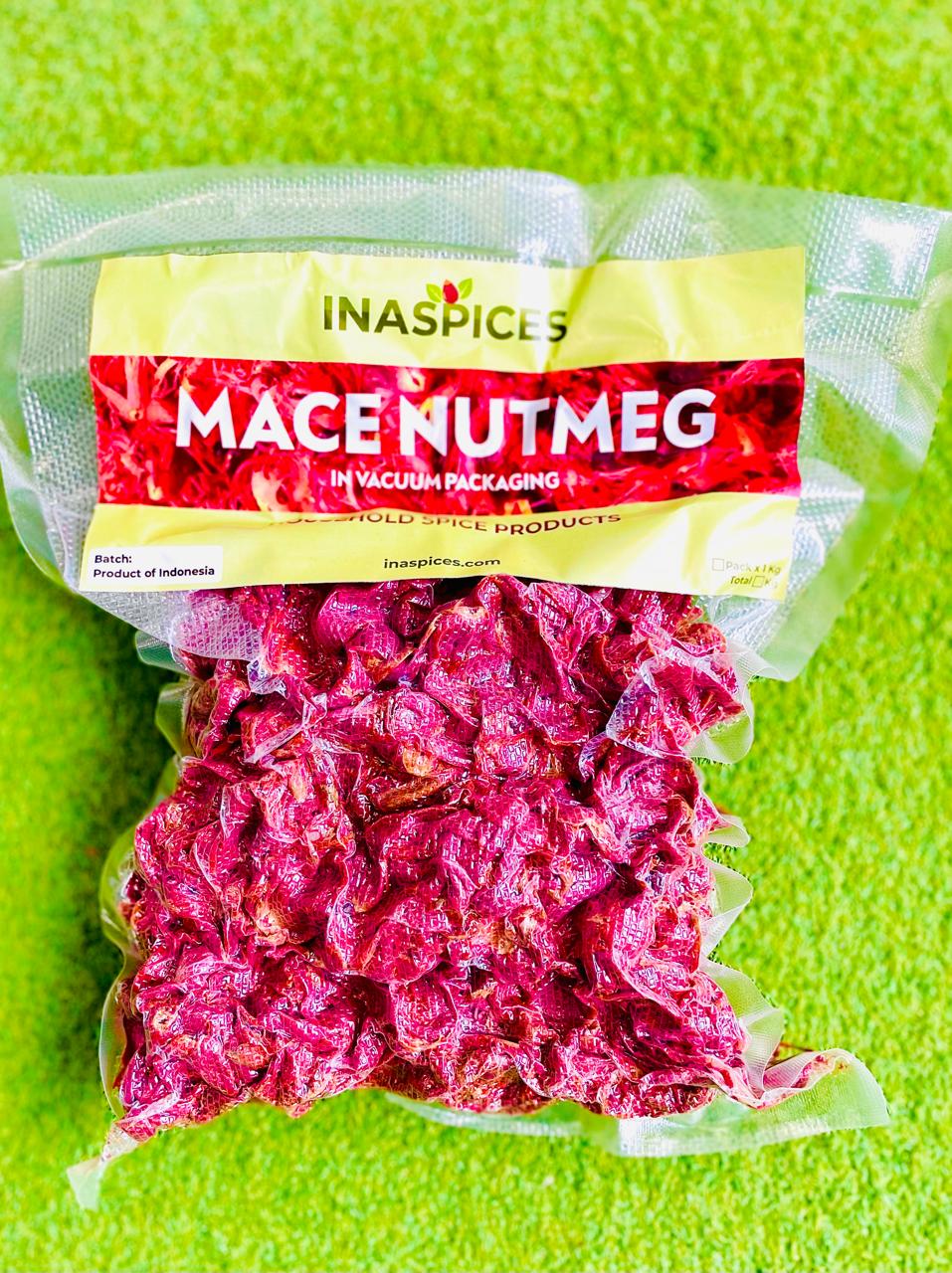 Discover the finest Nutmeg and Mace at inaspices.com.
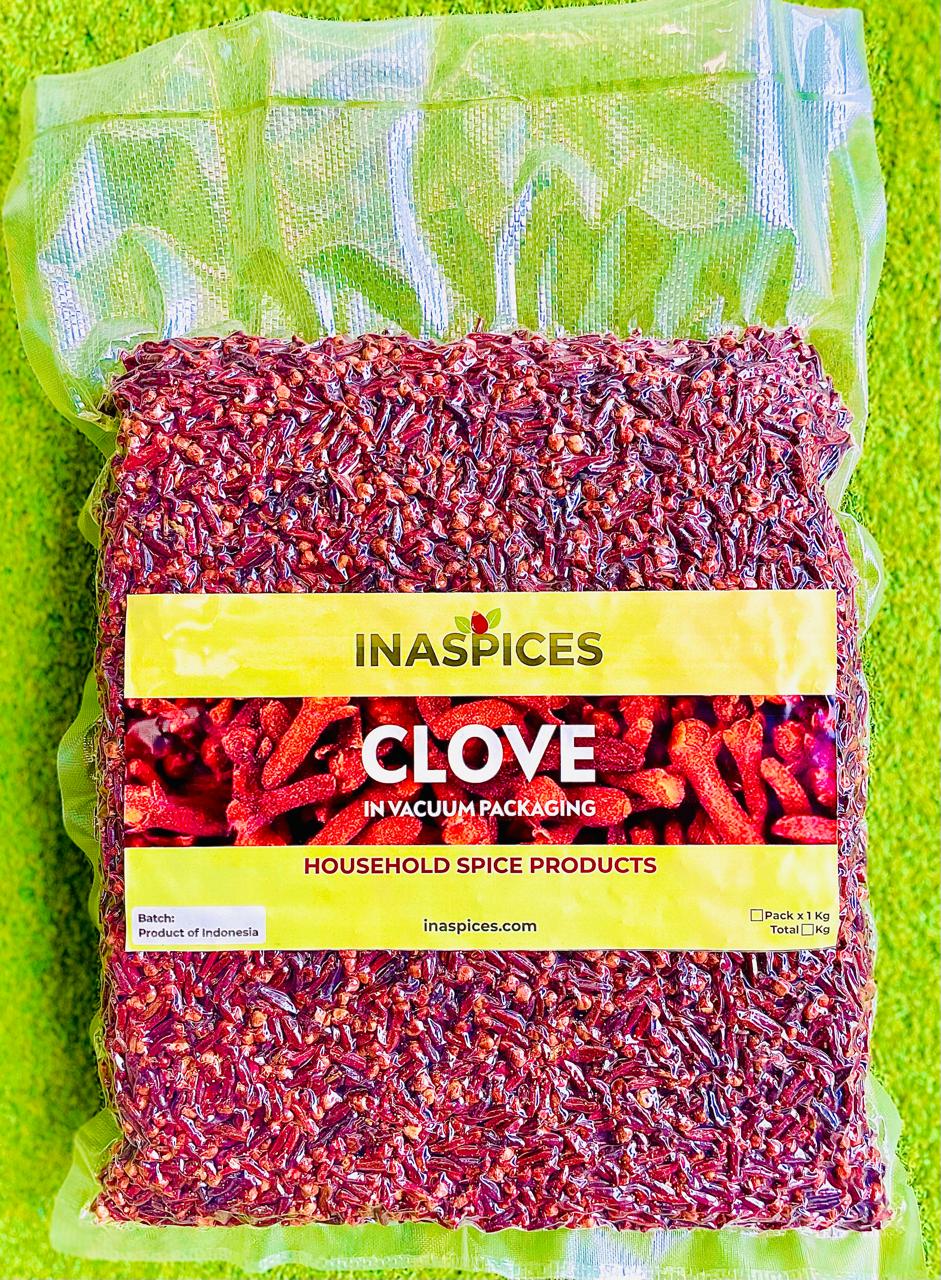 Experience the rich aroma of premium Cloves.
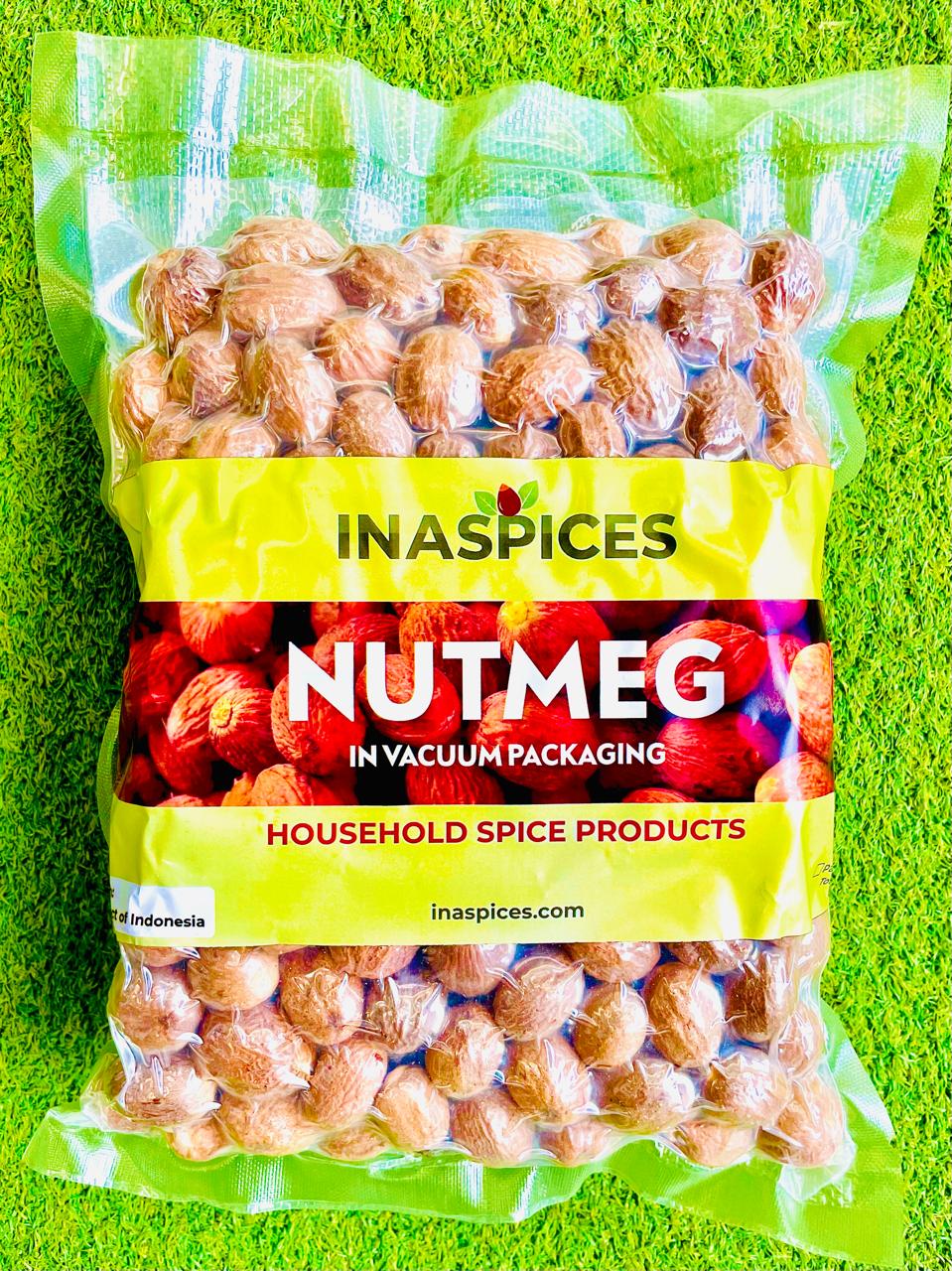 Find your perfect Nutmeg for every dish.Enhance your cooking with authentic Cinnamon.
Taste the tradition, embrace the history, and bring the Waja Mardamarda home.