
Upload images to this post to show gallery.
In a world increasingly connected, it’s easy to forget the profound impact a tiny seed or a dried bark once had on global civilization. Long before modern trade routes, there were spices – aromatic treasures that fueled empires, inspired exploration, and transformed cuisines and cultures across continents. At the heart of this fragrant saga lies Indonesia, an archipelago blessed with a cornucopia of nature’s most coveted gifts. Join us on an enchanting journey to uncover the captivating stories, unique properties, and enduring legacy of Nutmeg, Mace, Cloves, and Cinnamon – the jewels in Indonesia’s crown of flavor.
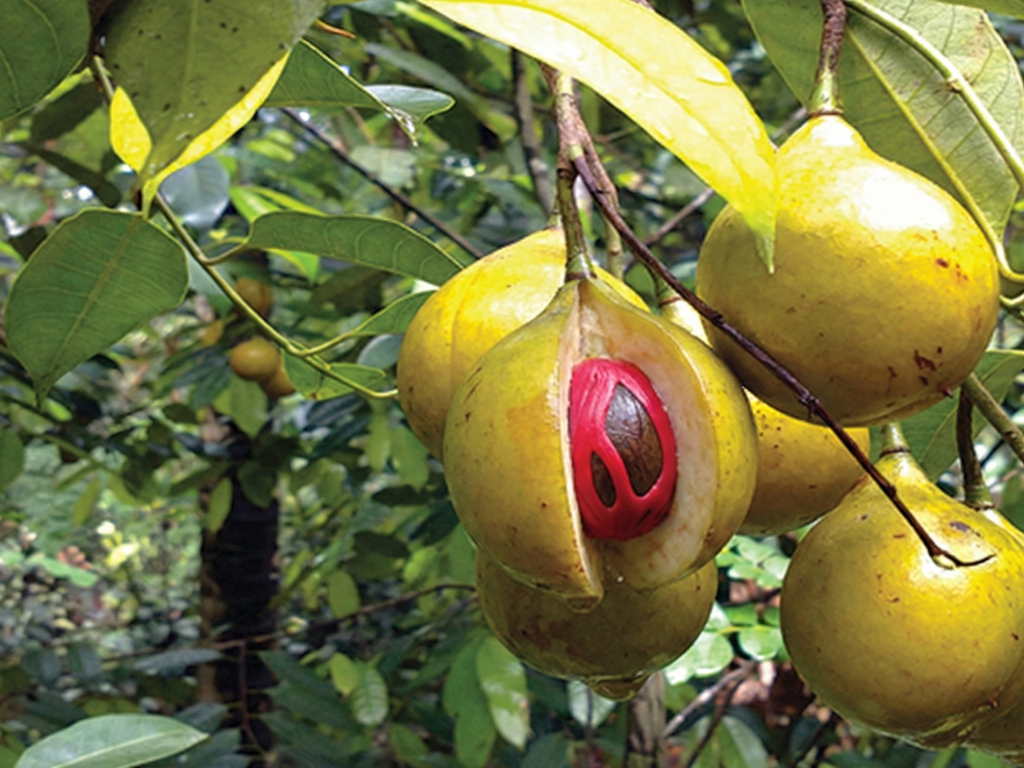
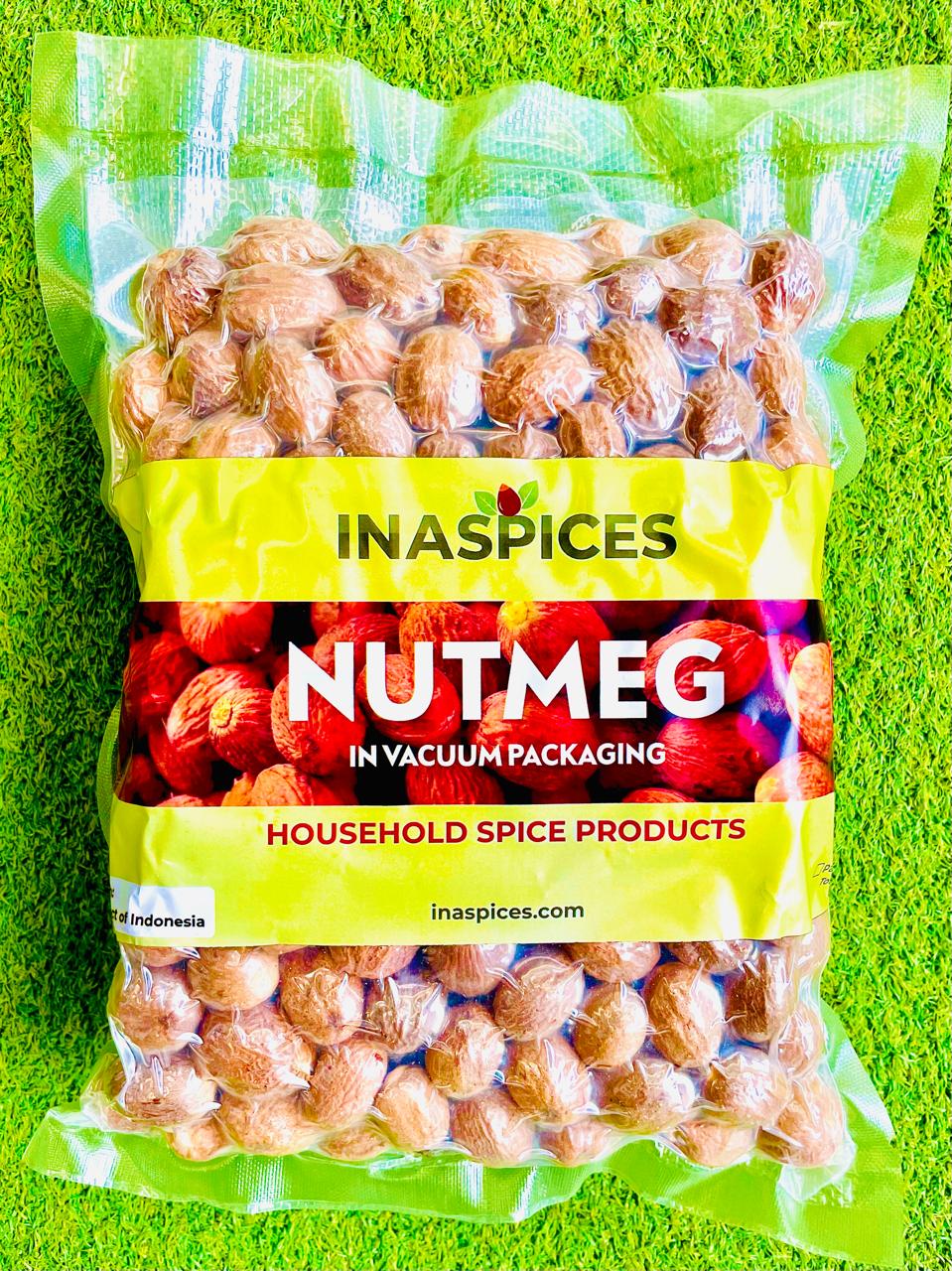
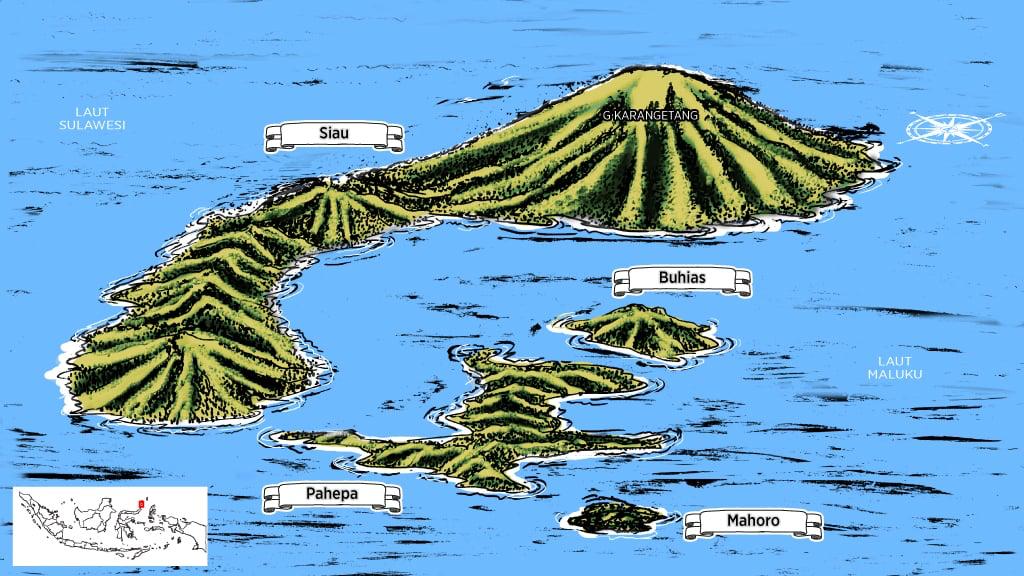
Imagine a time when a handful of nutmeg was worth more than gold. This wasn’t hyperbole; it was the reality for centuries. The nutmeg tree, Myristica fragrans, is indigenous to the Banda Islands of Indonesia, a small cluster of volcanic specks in the Moluccas, famously known as the Spice Islands. For millennia, these islands held the exclusive secret to cultivating this extraordinary spice.
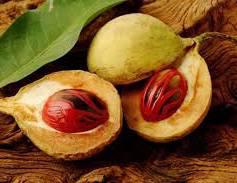
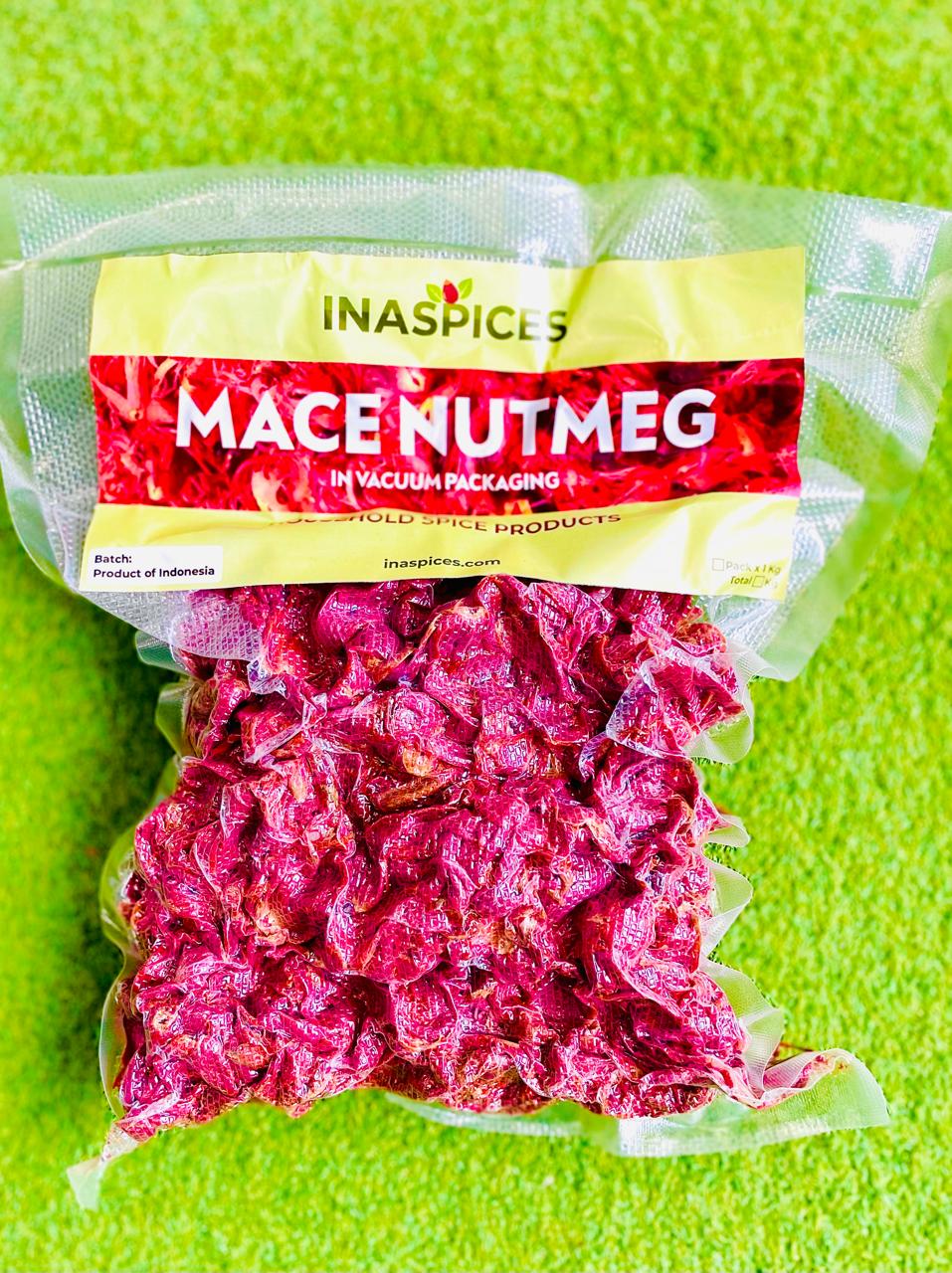
The nutmeg fruit yields two distinct spices: the seed, which is nutmeg (often called múskat krydd in other cultures, highlighting its global renown), and the aril that covers it, known as mace. Mace, with its delicate, intricate lacy pattern, offers a more subtle, yet equally complex, aroma and flavor profile than its bolder counterpart. Historically, the pursuit of these spices led to epic voyages, brutal wars, and the reshaping of global maps. European powers, particularly the Dutch, went to extreme lengths, even trading Manhattan for the sole control of Run Island, a tiny Bandanese island rich in nutmeg trees.
Beyond their culinary magic, both nutmeg and mace boast a storied history in traditional medicine. Nutmeg, in particular, contains compounds like myristicin, which has been studied for its potential neuropharmacological effects, though it should always be consumed in moderation due to its potency. High-quality varieties, like premium Mace HPS (Highest Purity Standard), are meticulously processed to preserve their natural oils and aromatic qualities, ensuring that every pinch delivers an unparalleled sensory experience. The rich soil and tropical climate of Indonesia make it the perfect cradle for these exquisite spices, solidifying its place as the original source of the world’s most desired isa nutmeg and mace.
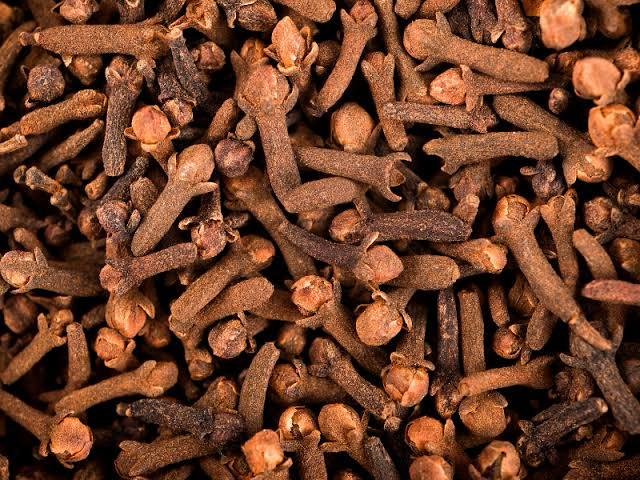
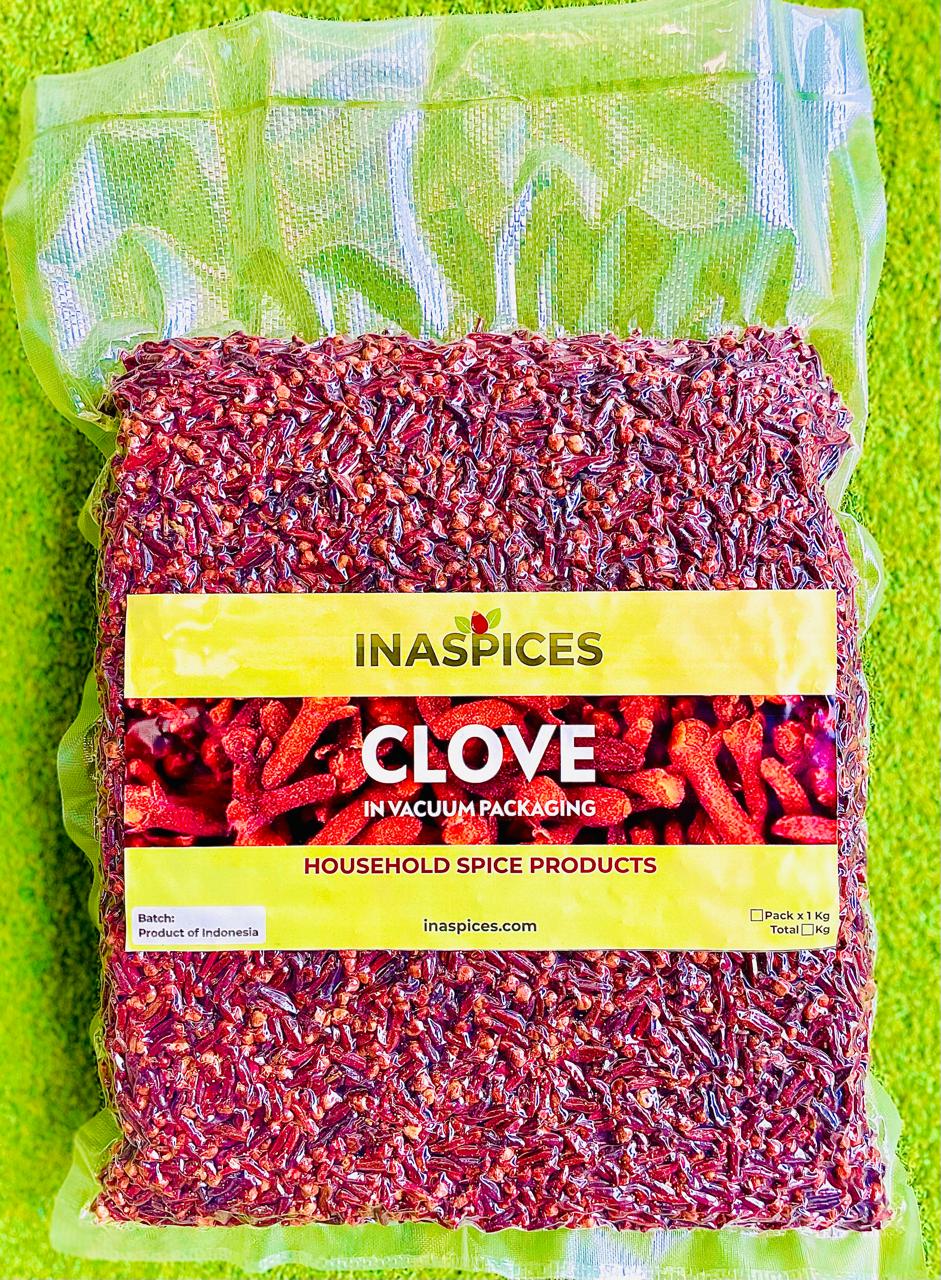
From ancient Chinese courts to Roman banquets, cloves have commanded respect for their potent aroma and remarkable preservative qualities. These dried flower buds of the Syzygium aromaticum tree are native to the Maluku Islands of Indonesia, particularly the islands of Ternate and Tidore. For centuries, these small islands held a monopoly on clove production, making them strategic points in the global spice trade.
The distinctive, warm, and intensely aromatic flavor of cloves makes them indispensable spices in a vast array of cuisines worldwide, from savory stews and curries to mulled wines and festive baked goods. Their essential oil, eugenol, is responsible for their strong aroma and has been recognized for its antiseptic and analgesic properties, making cloves a staple in traditional medicine for dental pain relief and digestive aid. The historical record shows that people in the East chewed cloves to freshen breath long before the advent of modern dental hygiene.
The quest for cloves was another driving force behind the sejarah jalur rempah (history of the Spice Route), enticing merchants and explorers from Europe, the Middle East, and Asia to embark on perilous voyages across vast oceans. The enduring popularity of these aspices speaks volumes about their timeless appeal and versatility.
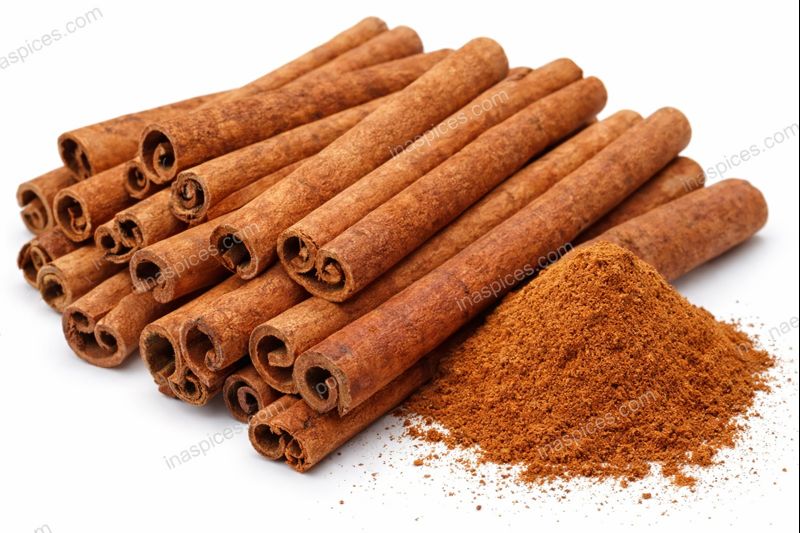
While often associated with Sri Lanka, Indonesia also plays a significant role in the world of cinnamon, particularly with its Cassia variety (Cinnamomum cassia or Cinnamomum burmannii). Cinnamon, derived from the inner bark of several tree species, has been prized since antiquity, mentioned in ancient Egyptian texts and in the Bible. Its sweet, warm, and woody fragrance has made it a beloved spice in both culinary and perfumery applications.
Indonesian cinnamon, or Korintje cinnamon, is known for its strong, slightly spicier flavor compared to the milder Ceylon variety. It is a fundamental ingredient in countless desserts, beverages, and savory dishes around the globe. Think of the comforting aroma of apple pie, the festive warmth of hot chocolate, or even the subtle sweetness in a complex curry – cinnamon is often the silent hero. It’s also a key flavor in many traditional sweets, including the famous Turkish delight, or lokum, where its subtle warmth perfectly complements the confection’s sweetness.
Beyond taste, cinnamon has a long-standing reputation in traditional medicine, revered for its anti-inflammatory and antioxidant properties. Its presence in ancient trade routes, though often traded through intermediaries, underscores its value and desirability across cultures. The cultivation and processing of cinnamon bark in Indonesia continue a centuries-old tradition, contributing significantly to the global supply of this cherished spice.
The true story of these magnificent spices cannot be told without delving into the epic sejarah rempah rempah di indonesia (history of spices in Indonesia). For centuries, these islands were not merely suppliers; they were the very heart of the global spice trade, the source of immense wealth and the object of fierce colonial competition. The Spice Route, or sejarah jalur rempah, was more than just a series of trade pathways; it was a conduit for cultural exchange, technological innovation, and political maneuvering that shaped the modern world.
Indonesia’s “pusaka rempah” – its spice heritage – is deeply interwoven with its national identity. The vibrant cultures, diverse cuisines, and even the very spirit of hospitality found across the archipelago are infused with the aromas and flavors of these ancestral treasures. From the ancient seafaring traders of Nusantara to the European colonial powers, everyone sought to control the source of these precious commodities. This intense competition led to centuries of exploration, conflict, and ultimately, the formation of global networks that laid the groundwork for modern international commerce.
Today, Indonesia remains a crucial player in the global spice market, meticulously cultivating and harvesting these spices with techniques passed down through generations. The legacy lives on, not just in the economics of trade, but in the kitchens and apothecaries worldwide, where the unique qualities of Indonesian nutmeg, mace, cloves, and cinnamon continue to delight and heal.
The journey from the lush Indonesian islands to your kitchen cabinet is a testament to human endeavor, natural bounty, and the enduring power of flavor. These aren’t just ingredients; they are echoes of history, whispers of ancient voyages, and vibrant threads in the rich tapestry of global culture.
Are you inspired by the rich history and unparalleled aromas of these legendary spices? Imagine infusing your own culinary creations with the very same quality that once sparked global expeditions. At inaspices.com, we are dedicated to bringing you the finest, ethically sourced Indonesian spices, connecting you directly to the heart of the Spice Islands.
Explore our premium selection of Nutmeg, Mace, and Cloves, each carefully harvested and processed to preserve its potent flavor and aromatic essence. Whether you’re a professional chef, a home cook, or simply someone who appreciates the finer things in life, inaspices.com offers an authentic taste of Indonesia’s glorious spice heritage.
Upload images to this post to show gallery.
In the heart of the tropics lies a land steeped in history, where the very air is perfumed with exotic aromas. Indonesia, an archipelago nation, has long been revered as the epicenter of the global spice trade, a legacy that shaped empires, fueled explorations, and captivated palates across continents. From the coveted nutmeg and its delicate cousin mace, to the pungent cloves and the sweet embrace of cinnamon, these aren’t just ingredients; they are whispers of ancient mariners, tales of legendary journeys, and a testament to nature’s profound bounty.
The allure of Indonesian spices transcends mere culinary delight. They embody centuries of cultural exchange, traditional medicine, and agricultural ingenuity. As we embark on this fragrant voyage, we delve into the rich tapestry of these incredible treasures, exploring their origins, unique characteristics, and enduring impact on the world.
The history of spices is, in many ways, the history of globalization. For millennia, the pursuit of these aromatic wonders drove explorers to chart unknown waters and nations to vie for control over distant lands. Indonesia, with its unique climatic conditions and fertile volcanic soils, became a focal point, a truly invaluable pusaka rempah – a heritage of spices – that continues to thrive today. The stories of nutmeg, mace, cloves, and cinnamon are particularly vivid, painted with strokes of ambition, discovery, and unparalleled flavour.
Perhaps no spice encapsulates Indonesia’s historical significance quite like nutmeg (Pala) and its fiery red aril, mace (Bunga Pala). These two distinct spices come from the same fruit of the Myristica fragrans tree, native exclusively to the tiny Banda Islands in the Maluku archipelago. For centuries, the Dutch and Portuguese battled fiercely for control over these remote islands, recognizing the immense wealth contained within their groves.
The nutmeg fruit is a wonder of nature. When ripe, it splits open to reveal a dark brown seed encased in a lacy, crimson aril. The seed is dried to become nutmeg, while the aril is carefully separated and dried to yield mace. Their aromas, though similar, possess unique nuances. Nutmeg offers a warm, sweet, and slightly woody flavour, while mace is more delicate, pungent, and subtly bitter.
Beyond its culinary applications, nutmeg has a fascinating chemical profile. It contains a compound known as מיריסטיצין (myristicin), which has been studied for its potential medicinal properties, including antidepressant and hallucinogenic effects in very large doses. This unique characteristic contributed to nutmeg’s mystique and sometimes its illicit trade throughout history. From a culinary perspective, a pinch of nutmeg, or ‘múskat krydd’ as it’s known in Swedish, can elevate everything from creamy sauces and baked goods to mulled wines and traditional beverages.
For discerning chefs and spice enthusiasts, the quality of mace is paramount. The term mace HPS (High Purity Standard) refers to the highest grade of mace, characterized by its vibrant color, intact lacy structure, and intense aroma. Achieving this standard requires meticulous harvesting, careful drying, and precise handling, ensuring that the mace retains its essential oils and flavour profile. This dedication to quality is what makes Indonesian mace highly sought after in international markets for its superior flavour and aromatic potency. It’s truly a testament to the care taken by local farmers to preserve this precious commodity.
The pungent, nail-shaped buds of the clove tree (Syzygium aromaticum) tell another epic tale of discovery and trade. Originating primarily from the Maluku Islands, specifically Ternate and Tidore, cloves were among the most valuable spices in the ancient world. Their intense aroma and flavour, owing to the compound eugenol, made them indispensable in medicine, perfumery, and cuisine across Asia, Africa, and Europe.
Before the age of refrigeration, cloves played a crucial role in preserving food and masking unpleasant odours. Their powerful antiseptic properties were also highly valued in traditional medicine, particularly for dental pain and digestive issues. Today, cloves are a staple in various spice blends, from Indian garam masala to European gingerbread, and remain a key ingredient in many traditional remedies.
The sejarah jalur rempah – the history of the spice route – cannot be told without mentioning cloves. For centuries, Arab, Chinese, and later European traders navigated perilous seas to reach the ‘Spice Islands’ of Indonesia in search of these precious buds. The control over the clove trade brought immense wealth and power, profoundly influencing global politics and economics. The desire for cloves, along with nutmeg and cinnamon, spurred exploration that eventually led to the discovery of new continents and the mapping of the world as we know it.
Even today, the legacy of this historical trade shapes the identity and economy of Indonesia. The clove industry, in particular, remains robust, with communities deeply rooted in the cultivation and processing of this ancient spice. This long and vibrant sejarah rempah rempah di indonesia is a source of immense pride and cultural richness, demonstrating the enduring connection between the land, its people, and the aromatic treasures they cultivate.
While often associated with Sri Lanka, Indonesia is a major producer of cinnamon (Kayu Manis), specifically Cassia cinnamon (Cinnamomum cassia). This aromatic bark, harvested from the inner layer of the cinnamon tree, boasts a sweet, warm, and subtly spicy flavour that has charmed civilizations for millennia. Ancient Egyptians used it for embalming, Romans for religious ceremonies, and medieval Europeans valued it as a culinary spice and a preservative.
Indonesian cinnamon, with its robust flavour and distinctive aroma, is a cornerstone of global cuisine. It’s a versatile spice, equally at home in savory dishes like curries and stews as it is in sweet pastries, desserts, and comforting beverages. The process of harvesting cinnamon is an art form, involving careful peeling of the bark and rolling it into quills as it dries, preserving its potent flavour and fragrance.
The collective story of nutmeg, mace, cloves, and cinnamon embodies Indonesia’s pusaka rempah. This isn’t just about historical artifacts; it’s a living heritage, passed down through generations of farmers and traders who have continued to cultivate, harvest, and share these precious spices with the world. This tradition ensures that the authentic flavours and aromas, which captivated ancient emperors and modern gourmands alike, endure.
The careful cultivation practices, often relying on traditional methods, highlight the deep respect for the land and its bounty. Each spice, with its unique story, contributes to a larger narrative of global interconnectedness and the profound impact of nature’s gifts.
The utility of these spices extends far beyond their role in culinary arts. From ancient remedies to modern aromatherapy, their properties are continually explored and celebrated.
All four of these cornerstone spices – nutmeg, mace, cloves, and cinnamon – boast a long history of use in traditional medicine. Cloves, for instance, are widely recognized for their analgesic properties, often used to alleviate toothaches. Cinnamon is studied for its potential benefits in blood sugar regulation and as an anti-inflammatory agent. Nutmeg, though used sparingly due to compounds like מיריסטיצין, has been traditionally employed for digestive and sleep aids.
In modern cuisine, the applications of these spices are boundless. They are essential spices in countless global dishes, adding depth and complexity. Consider the comforting aroma of cinnamon in a warm apple pie, the subtle warmth of nutmeg in a creamy béchamel, or the pungent kick of cloves in a slow-cooked stew. These are the ingredients that transform simple meals into memorable culinary experiences.
The versatility of Indonesian spices means they appear in unexpected places. Take lokum, or Turkish delight, a confection often delicately flavored with rosewater, mastic, or various spices. The subtle warmth of nutmeg or a hint of cinnamon can elevate these sweet treats, showcasing their global appeal and adaptability.
On the international market, the demand for high-quality Indonesian spices remains robust. Whether it’s the premium mace HPS for gourmet applications, or the pure, unadulterated isa nutmeg sought by confectioners and perfumers, the global appetite for these aromatic treasures is insatiable. Aspices, from Indonesia, are renowned worldwide for their superior quality and authentic flavour, a direct result of the country’s rich agricultural heritage and dedicated farmers.
The journey of Indonesian spices is a magnificent saga, weaving together threads of history, culture, and nature’s generosity. From the remote Banda Islands to bustling global markets, nutmeg, mace, cloves, and cinnamon have left an indelible mark on human civilization. They continue to captivate with their enchanting aromas, complex flavours, and remarkable versatility, proving that true treasures stand the test of time.
As the world continues to explore new culinary frontiers and rediscover ancient remedies, the importance of these foundational spices from Indonesia only grows. They are more than just commodities; they are a living heritage, a continuous source of inspiration, and a bridge connecting past, present, and future.
Ready to experience the authentic taste of Indonesia’s legendary spices? Explore the exquisite selection of nutmeg, mace, cloves, and cinnamon, cultivated with care and tradition. Visit inaspices.com today and bring the world’s most aromatic treasures to your kitchen.