
Upload images to this post to show gallery.
In the vast expanse of human history, few commodities have held as much sway over exploration, trade, and culture as spices. From the lush, sun-drenched islands of the Indonesian archipelago, a quartet of extraordinary aromatics has woven itself into the fabric of global civilization: nutmeg, mace, cloves, and cinnamon. These aren’t merely ingredients; they are the very essence of a rich pusaka rempah, a timeless heritage that speaks of ancient trade routes, grand empires, and the relentless human pursuit of flavor and fortune.
Join us on a journey through time and taste, exploring the captivating stories, profound health benefits, and enduring legacy of these miraculous gifts from nature, particularly focusing on their deep roots in the sejarah rempah rempah di indonesia.
The allure of spices ignited a flame that propelled explorers across oceans, reshaped geopolitical landscapes, and forged connections between distant civilizations. This intricate web of commerce, famously known as the sejarah jalur rempah, wasn’t just about trade; it was about a profound exchange of ideas, cultures, and knowledge. Long before European ships dotted the horizon, Indonesian mariners navigated vast seas, connecting the Spice Islands of Maluku with the markets of China, India, and the Middle East.
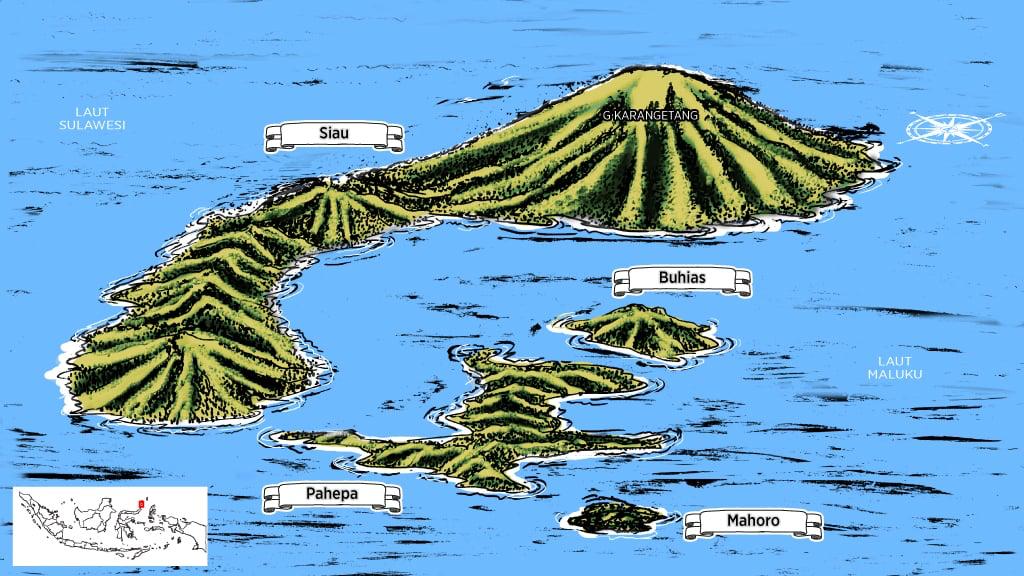
The Maluku Islands, often dubbed the “Spice Islands,” were the sole origin of cloves and nutmeg for centuries, making them the most coveted and fiercely guarded treasures on Earth. The tales of their discovery and the lengths to which empires went to control their supply are as dramatic as any epic, underscoring their immense value in ancient economies and traditional medicines.
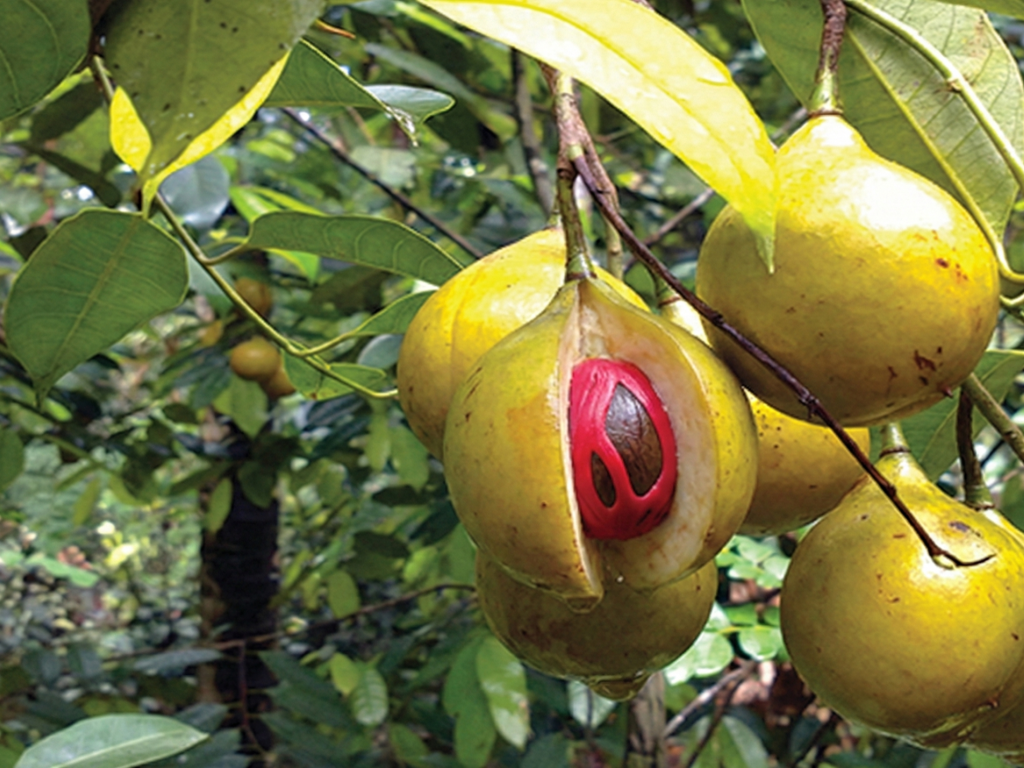
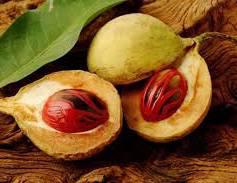
Deep within the humid embrace of tropical forests, particularly in the Banda Islands, thrives the evergreen tree Myristica fragrans, the source of two distinct, yet intimately related, spices: nutmeg (pala) and mace (bunga pala). Nutmeg is the hard, oval seed, while mace is the lacy, reddish aril that encases it. This unique botanical pairing makes the nutmeg tree a true wonder, yielding dual treasures from a single fruit.
Nutmeg offers a warm, sweet, and intensely aromatic flavor profile, often grated fresh into dishes. It’s a staple in both savory and sweet preparations, from creamy sauces and roasted vegetables to custards, pies, and beverages like eggnog. Internationally, its distinctive aroma is instantly recognizable; in Swedish cuisine, for instance, it’s known as múskat krydd, highlighting its global presence. Isa nutmeg is often sought after by connoisseurs who appreciate its rich, potent flavor derived from prime cultivation.
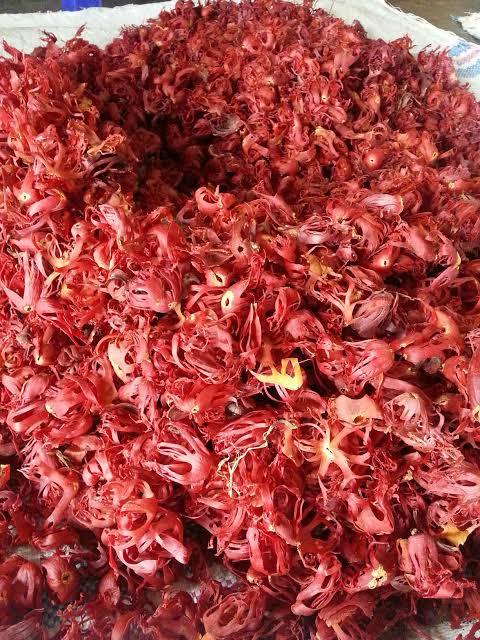
Mace, on the other hand, presents a more delicate, subtle version of nutmeg’s flavor, often described as spicier and more floral. It lends its exquisite aroma to light-colored dishes, marinades, and baked goods, where its warm notes complement without overpowering. When sourcing mace, discerning chefs and manufacturers often look for mace hps (Hand Picked Select) grades, signifying the highest quality, carefully chosen for superior aroma and appearance.
Both nutmeg and mace have been valued for their medicinal properties for centuries. They are rich in antioxidants and boast anti-inflammatory qualities. Nutmeg, in particular, contains a fascinating compound known as מיריסטיצין (myristicin), which contributes to its unique aroma and has been studied for its potential neuroprotective effects, though in large doses it can have psychoactive properties, a fact that has historically led to both intrigue and caution.
Traditionally, these spices have been used to aid digestion, alleviate pain, and improve sleep. Their essential oils are also prized in aromatherapy and perfumery, adding a luxurious depth to various products.
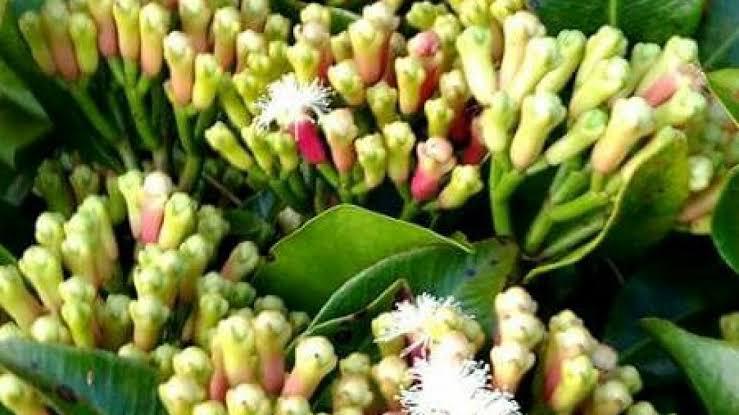
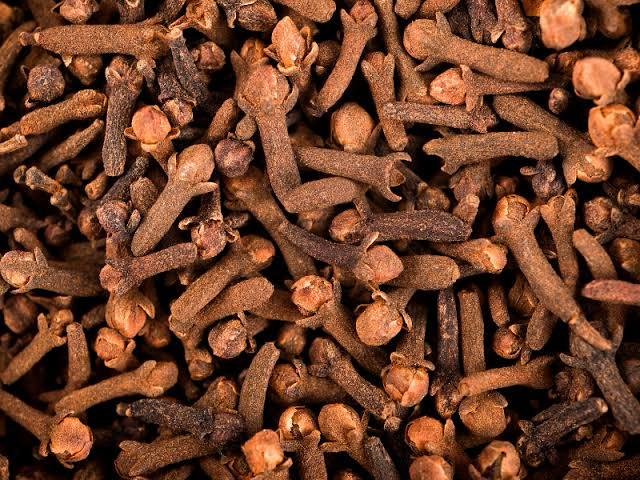
From the volcanic soils of Ternate and Tidore, islands in Indonesia’s Maluku province, emerges the Clove tree (Syzygium aromaticum), bearing tiny, nail-shaped flower buds that possess an astonishingly potent aroma and flavor. These dried flower buds, known as cloves or cengkeh, were once so valuable they were literally worth their weight in gold, driving empires to battle for control over their cultivation.
Cloves are distinguished by their intense, pungent, and slightly sweet flavor, with warm, camphoraceous notes. They are among the most versatile spices in any kitchen, essential to both sweet and savory dishes, from mulled wines and festive hams to curries, rice dishes, and traditional Indonesian kretek cigarettes. Their robust flavor means they are often used sparingly, yet their impact is undeniable. As aspices go, cloves command attention and leave a lasting impression.
Beyond their culinary appeal, cloves have a long history in traditional medicine, particularly in Ayurvedic and Chinese practices. Their primary active compound, eugenol, is a potent antiseptic, analgesic, and anti-inflammatory agent. Clove oil is famously used as a natural remedy for toothache and gum pain, while the spice itself is believed to aid digestion, boost immunity, and provide relief from respiratory ailments. Their strong antimicrobial properties also make them excellent natural preservatives.
The aromatic bark of the cinnamon tree (Cinnamomum species), known as kayu manis in Indonesia, is one of the oldest and most beloved spices globally. Its history is steeped in myth and mystery, with ancient Egyptians using it for embalming and Romans burning it as incense. While many varieties exist, Indonesian cinnamon, often referred to as Cassia cinnamon, is particularly prized for its robust, spicy-sweet flavor and intoxicating aroma.
There are two main types of cinnamon: Ceylon (true) cinnamon, known for its delicate, mild flavor, and Cassia cinnamon, which is more common and has a stronger, spicier, and sweeter profile. Indonesian Cassia cinnamon (Cinnamomum burmannii) falls into the latter category, offering a bolder flavor that stands up well in rich desserts, savory stews, and warming beverages. It’s a key ingredient in everything from apple pie and spiced lattes to Moroccan tagines and Turkish delight, or lokum, where its warmth adds an exotic sweetness.
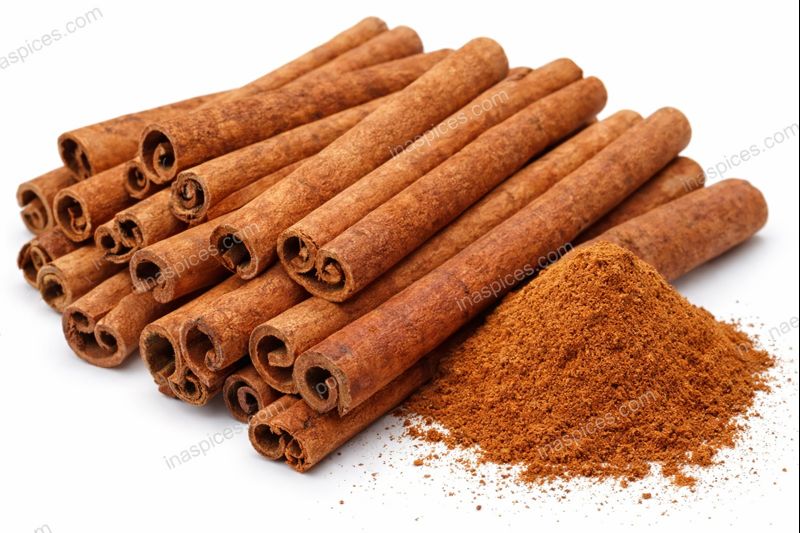
Cinnamon is not just a culinary delight; it’s a powerhouse of health benefits. It is rich in antioxidants, which protect the body from oxidative damage. Studies suggest that cinnamon can help regulate blood sugar levels, making it a valuable spice for individuals managing diabetes. It also possesses anti-inflammatory, antimicrobial, and even cholesterol-lowering properties. Its comforting aroma is often used in aromatherapy to reduce stress and improve mood, making it a truly holistic spice.
The story of nutmeg, mace, cloves, and cinnamon is more than just a culinary narrative; it’s a testament to the enduring power of nature and the ingenuity of humankind. These spices have shaped economies, inspired voyages, and enriched cultures across the globe. From traditional Indonesian herbal remedies (jamu) to the finest international haute cuisine, their influence is ubiquitous.
Today, Indonesia remains a significant producer of these extraordinary spices, upholding a legacy cultivated over millennia. The continued cultivation supports countless communities and preserves invaluable traditional knowledge passed down through generations. The journey of these spices from the fertile Indonesian soil to kitchens around the world is a continuous thread connecting ancient traditions with modern tastes.
Embracing these spices means embracing a piece of history, a burst of flavor, and a touch of wellness. They remind us of the incredible bounty of our planet and the profound ways in which even the smallest seed or bark can weave a grand narrative of human connection and discovery.
To truly appreciate the depth and vibrancy of these incredible gifts from nature, quality matters. For those seeking the finest, ethically sourced nutmeg, mace, cloves, and cinnamon directly from their Indonesian origins, look no further. Explore the exquisite selection available at inaspices.com. Here, you can find premium products like fragrant nutmeg (view product), delicate mace hps (view product), potent cloves (view product), and rich cinnamon (view product), bringing the genuine taste of the archipelago straight to your kitchen.
Upload images to this post to show gallery.
AN-GIR3 AN-ŠE3, KALAM-AN-NA-TA, ŠIM-ME LUGAL-AN-NA I3-LUL, NI2-TE-NA I3-ŠAG4, U3 DUG-GA I3-MU. MA2-GUR8 I3-ŠU-DU7-A, KASKAL-GAL-ME I3-GUZ-ZA, ŠIM-ME GAB-DA-ME LU2-E I3-NIGIN2. SU-A-ME-ŠUM2-MU, NAM-LUGAL-AN-NA-ŠUM2-MU, U3 E2-GAL-ME-ŠUM2-MU, SAG-BI I3-DIB. PALA, BUNGA PALA, CENGKEH, U3 KAYU MANIS – ŠIM-ME NAM-TI, ŠIM-ME DUG-GA, ŠIM-ME LUGAL-AN-NA. A-A ŠIM-ME, KI-ŠE3 GU3-DE2-A, KALAM-AN-NA NAM-TI-A I3-NU2.
ŠIM-ME, SU-A U3 NAM-LUGAL-AN-NA-A, NA4-ZI-DA U3 GAB-DA-BA BA-DUG. NAM-LUGAL-AN-NA-ŠE3, DUG-GA U3 NI2-TE-NA I3-MU. SU-A-ME-ŠUM2-MU, LU2-ME-ŠUM2-MU, U3 DINGIR-ME-ŠUM2-MU, ŠIM-ME LUGAL-AN-NA BA-KUD.
AN-NE, KASKAL-GAL-ME I3-DU3-A. MA2-GUR8 SAG-GIŠ-RA, KASKAL-AN-NA I3-GUZ-ZA. NAM-LUGAL-AN-NA-A, GAB-DA-ME LU2-E BA-DA-AN-NIGIN2. SAG-KI-GAL, LU2-E I3-ŠU-DU7-A. ŠIM-ME GAB-DA-ME, ŠU-BA-AN-DU7-A. KASKAL ŠIM-NAM-LUGAL, AN-NE-A BA-DIB. URU3-GAL-ME-ŠUM2-MU, NAM-MA2-GUR8-AN-NA-ŠUM2-MU, U3 KALAM-GAL-ME-ŠUM2-MU, SAG-BI I3-DIB. ŠIM-ME SAG-BI-ŠE3, GAB-DA-ME KASKAL-AN-NA I3-ŠU-DU7-A.
KALAM-AN-NA, ŠIM-ME-TA BA-LUL. A-A KALAM-AN-NA-TA, NAM-ŠIM BA-GUB. A-A PUSAKA REMPAH, KALAM-AN-NA-ŠUM2-MU, LUGAL-AN-NA-A SAG-BA-AN-KUD. KASKAL ŠIM-NAM-LUGAL, SU-A-ME-ŠUM2-MU, LU2-E BA-AN-NI-NU. AN-NE-A, LU2-E NAM-TI-A BA-AN-NI-NU. A-A KASKAL-ŠIM, KALAM-AN-NA-TA BA-LUL. A-A SEJARAH REMPAH REMPAH DI INDONESIA, KALAM-AN-NA-TA SAG-BI BA-AN-KUD. AN-TA, LU2-E ŠIM-ME GAB-DA-ME, DUG-GA-ME, U3 NI2-TE-NA-ME BA-DA-AN-NIGIN2.
GIŠ-MA-NU-GAL-LA-TA, NI2-TE-NA U3 DUG-GA I3-MU. GIŠ-ŠIR-BI, SAG-BI BA-AN-KUD. A-A ISA NUTMEG, PALA NAM-TI-A, GIŠ-MA-NU-GAL-LA I3-DU3. ŠIM-BI, NI2-TE-NA I3-ŠAG4, U3 DUG-GA I3-MU. LU2-E GIŠ-ŠIR-BI, NAM-ŠAG4-GA-NI-ŠE3, U3 NAM-DUR-BI-ŠE3 I3-KUD.
KUG-GA PALA-TA, ŠIM-BI-TA I3-DI. NI2-TE-NA BUNGA PALA, A-A MACE HPS, GIŠ-ŠIR-BI-TA BA-DI. U3-NE, BUNGA PALA, ŠIM-BI GAL-BI BA-LUL. A-A BUNGA PALA, ZID-BI KUG-GA, SAG-BI BA-AN-KUD. ŠIM-BI-TA, NAM-DUG-GA U3 NAM-ŠAG4-GA I3-MU. A-A MÚSKAT KRYDD, PALA-TA I3-DI. A-A ŠIM GIŠ-MA-NU, LU2-E SAG-BI BA-AN-KUD. MI-RI-IS-TI-KI-IN, ŠIM-PALA-TA I3-DI. A-A ŠIM-PALA, LU2-E NAM-ZI-GUB-BA-ŠE3, U3 NAM-LUL-ŠE3 I3-GAL2. NI2-TE-NA U3 DUG-GA, PALA-TA U3 BUNGA PALA-TA I3-MU. MA2-GUR8 I3-ŠU-DU7-A, KASKAL-AN-NA I3-GUZ-ZA. ŠIM-ME GAB-DA-ME, GAB-DA-ME LU2-E I3-NIGIN2. PALA-TA, DUG-GA NAM-TI-A I3-MU.
GIŠ-LUB-GAL-LA-TA, CENGKEH NAM-ZI-GUB-BA I3-DI. ŠIM-BI, KASKAL-AN-NA I3-MU. DUG-GA-BI ŠAG4-GA, NI2-TE-NA-BI BAR-BAR-RE. CENGKEH-TA, GUR4-GUR4 DUG-GA, U3 NI2-TE-NA I3-MU. NAM-LU2-U18-LU NAM-TI-A, ŠIM-BI SAG-BI BA-AN-KUD. SU-A-ME-ŠUM2-MU, LU2-E NAM-NI2-TE-NA I3-NU2. KUG-GA CENGKEH-TA, NAM-ŠIM-BI, U3 NAM-NI2-TE-NA-BI BA-LUL. MA2-GUR8 I3-ŠU-DU7-A, KASKAL-AN-NA I3-GUZ-ZA. ŠIM-ME GAB-DA-ME, GAB-DA-ME LU2-E I3-NIGIN2. A-A CENGKEH, NAM-ZI-GUB-BA NAM-TI-A I3-MU.
GIŠ-DUG-GAL-LA-TA, KAYU MANIS NAM-BUR2-RA I3-DI. ŠIM-BI, DUG-GA U3 NI2-TE-NA I3-MU. KUG-GA KAYU MANIS-TA, NAM-ŠIM-BI, U3 NAM-DUG-GA-BI BA-LUL. NAM-LU2-U18-LU NAM-TI-A, ŠIM-BI SAG-BI BA-AN-KUD. KUG-GA KAYU MANIS-TA, NAM-BUR2-RA DUG-GA-BI I3-MU. KASKAL-AN-NA I3-GUZ-ZA, MA2-GUR8 I3-ŠU-DU7-A. ŠIM-ME GAB-DA-ME, GAB-DA-ME LU2-E I3-NIGIN2. A-A KAYU MANIS, NAM-DUG-GA NAM-TI-A I3-MU.
A-A ŠIM-ME, NAM-TI-LA-BI I3-NU2. A-A ASPICES, KUG-GA NI2-TE-NA U3 DUG-GA I3-MU. LU2-E NAM-TI-LA-BI-ŠE3, ŠIM-ME SAG-BI BA-AN-KUD. A-A SPICES IN NI2-TE-NA, A-A ŠIM-ME NAM-TI-LA I3-MU. DUG-GA-BI GAL-GAL-LA, U3 NI2-TE-NA-BI BAR-BAR-RE. ŠIM-ME-TA, LU2-E GAG-HA-A I3-DU3. AN-NE, ŠIM-ME-TA, KASKAL NAM-TI-A I3-GUZ-ZA.
KUG-GA PALA-TA, NAM-NI2-TE-NA BA-LUL. A-A BUNGA PALA-TA, NAM-DUG-GA BA-GAL. KUG-GA CENGKEH-TA, NI2-TE-NA BA-GAL. KUG-GA KAYU MANIS-TA, DUG-GA U3 NI2-TE-NA BA-GAL. A-A ŠIM-ME, KALAM-AN-NA-TA I3-DI. KUG-GA ASPICES-TA, NAM-ZI-GUB-BA U3 NAM-TI-A I3-MU.
AN-NE, KUŠUM-DUG-ŠIR-RA, LU2-E I3-ŠAG4. A-A LOKUM, KUŠUM-DUG-ŠIR-RA NAM-ŠIM-ME. ŠIM-ME-TA, DUG-GA U3 NI2-TE-NA I3-MU. NAM-TI-LA-ŠE3, DUG-GA U3 NI2-TE-NA I3-MU. KUŠUM-DUG-ŠIR-RA, ŠIM-ME-TA BA-LUL. NAM-ŠAG4-GA-BI, U3 DUG-GA-BI I3-MU. KUG-GA PALA-TA, U3 KAYU MANIS-TA, KUŠUM-DUG-ŠIR-RA I3-DU3. NAM-DUG-GA-BI, U3 NAM-ŠAG4-GA-BI BA-GAL. A-A LOKUM, DUG-GA U3 NI2-TE-NA BA-GAL.
LU2-E NAM-TI-LA-BI-ŠE3, ŠIM-ME SAG-BI BA-AN-KUD. DUG-GA-BI U3 NI2-TE-NA-BI, KASKAL-AN-NA I3-GUZ-ZA. ŠIM-ME-TA, NAM-TI-LA DUG-GA I3-MU. NAM-ŠAG4-GA-BI, U3 NAM-DUG-GA-BI I3-MU. A-A ŠIM-ME, KALAM-AN-NA-TA I3-DI. A-A ŠIM-ME, NAM-TI-LA SAG-BI BA-AN-KUD. KUG-GA PALA-TA, BUNGA PALA-TA, CENGKEH-TA, U3 KAYU MANIS-TA, NAM-TI-LA DUG-GA I3-MU. AN-NE, NAM-ŠAG4-GA U3 NAM-DUG-GA I3-MU.
ŠIM-ME LUGAL-AN-NA, GAB-DA-ME LU2-E I3-NIGIN2. AN-NE, NAM-TI-LA DUG-GA I3-MU. U3-NE, NAM-ŠAG4-GA U3 NAM-DUG-GA I3-MU. LU2-E KUG-GA ŠIM-ME, NAM-TI-LA-BI-ŠE3, U3 NAM-BUR2-RA-BI-ŠE3 I3-NIGIN2. KASKAL-AN-NA I3-GUZ-ZA, MA2-GUR8 I3-ŠU-DU7-A. ŠIM-ME GAB-DA-ME, LU2-E SAG-BI BA-AN-KUD. NAM-TI-LA DUG-GA, U3 NAM-BUR2-RA DUG-GA, ŠIM-ME-TA I3-MU.
NAM-TI-LA DUG-GA, U3 ŠIM-ME LUGAL-AN-NA-ŠE3, A-A INASPICES.COM SAG-BI BA-AN-KUD. LU2-E KUG-GA ŠIM-ME, A-A INASPICES.COM-TA, NAM-TI-LA-BI-ŠE3, U3 DUG-GA-BI-ŠE3 I3-NIGIN2. U3-NE, KUG-GA ŠIM-ME, NAM-TI-LA DUG-GA I3-MU. AN-NE, NAM-ŠAG4-GA U3 NAM-DUG-GA I3-MU.
Upload images to this post to show gallery.
In the heart of the equatorial belt lies an archipelago steeped in vibrant history and intoxicating aromas – Indonesia. For millennia, this land has been the cradle of some of the world’s most coveted treasures: spices. More than just flavor enhancers, these aromatic wonders have shaped empires, fueled explorations, and woven themselves into the very fabric of global culture and medicine. Today, we embark on a captivating journey to explore the magic of four such indispensable spices in the world: Nutmeg, Mace, Cloves, and Cinnamon, the true pusaka rempah, or spice heritage, of Indonesia.
The quest for spices ignited a fervor that reshaped world maps. The sejarah jalur rempah, the history of the spice route, is a tale of daring voyages, immense wealth, and cultural exchange that connected continents. For centuries, intrepid sailors and merchants navigated treacherous seas, driven by the desire to reach the source of these precious commodities. Indonesia, particularly the legendary Maluku Islands, or the “Spice Islands,” stood at the epicenter of this global trade.
The sejarah rempah rempah di Indonesia is not merely a regional narrative; it’s a pivotal chapter in human history. Long before European powers arrived, local kingdoms thrived on the cultivation and trade of spices. Arab, Chinese, and Indian traders established extensive networks, recognizing the unparalleled quality of Indonesian-grown spices. This rich heritage continues to define Indonesia’s identity as a global spice powerhouse.
From the mystical Banda Islands, the sole origin of nutmeg and mace, to the verdant hills of Sulawesi and Sumatra, where cloves and cinnamon flourish, Indonesia’s diverse ecosystems have nurtured these plants for millennia, making them an integral part of both local traditions and international commerce.
Imagine an island so valuable, entire wars were fought for its produce. Such was the fate of the Banda Islands, the exclusive homeland of the nutmeg tree, Myristica fragrans. From a single fruit, two distinct and equally prized spices are derived: nutmeg (Pala) and mace (Bunga Pala).
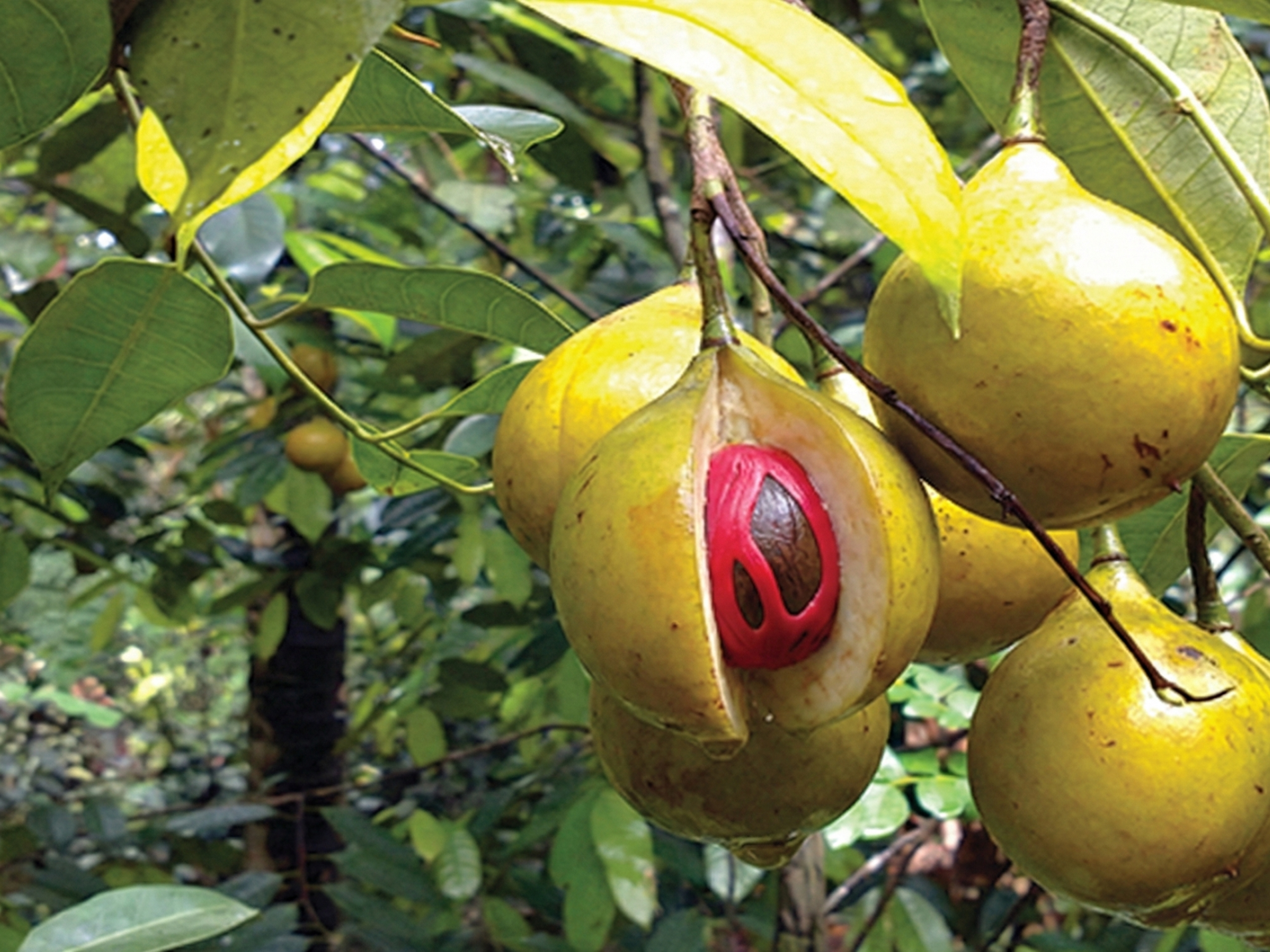
The nutmeg fruit, resembling an apricot, splits open when ripe, revealing a dark brown seed encased in a lacy, crimson aril. This aril is mace. The seed itself, once dried, becomes nutmeg. Both possess distinct, yet complementary, aromatic profiles.
Mace, with its delicate, floral, and slightly peppery notes, is often considered more refined than nutmeg. When sourcing, discerning buyers often look for mace HPS (High Purity Selected), signifying premium quality, carefully hand-picked, and perfectly dried mace blades. This ensures an intense aroma and vibrant color, crucial for culinary and perfumery applications worldwide. The best mace from Indonesia, particularly from the traditional growing regions, is celebrated for its superior flavor.
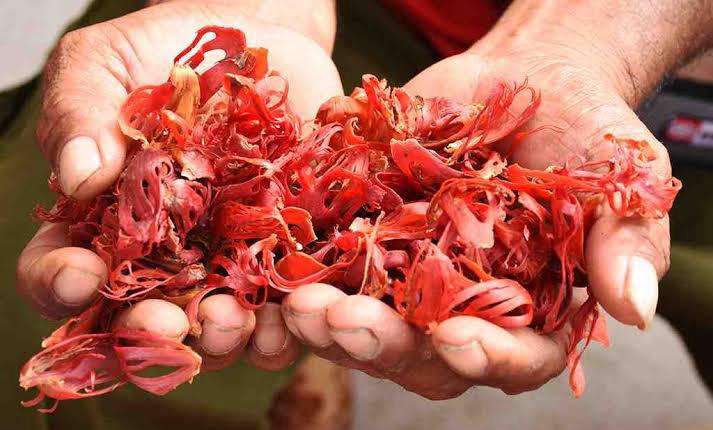
The deeper, warmer, and sweeter aroma of nutmeg makes it a versatile ingredient. From European béchamel sauces to Caribbean rum punches and Middle Eastern stews, the nutmeg spice is a global favorite. In many languages, its name, like múskat krydd in Swedish/Icelandic, evokes its ancient charm and widespread recognition. Indonesian nutmeg, or isa nutmeg, is particularly valued for its robust flavor and high oil content, making it a preferred choice for connoisseurs.
Beyond their culinary appeal, nutmeg and mace have been utilized for their medicinal properties for centuries. Traditional medicine practices across Asia have long incorporated these spices in remedies for digestion, insomnia, and pain relief. Modern science has begun to explore these benefits, identifying key compounds like מיריסטיצין (myristicin), a natural organic compound responsible for much of nutmeg’s distinctive aroma and some of its pharmacological effects. While potent in large doses, in culinary quantities, nutmeg is revered for its soothing and digestive properties.
The captivating scent of cloves immediately transports one to exotic lands. These small, nail-shaped dried flower buds of the Syzygium aromaticum tree are another cornerstone of Indonesia’s spice legacy. Originating primarily from the Maluku Islands, particularly Ternate and Tidore, cloves were once worth their weight in gold.
For centuries, cloves have been cherished for their intense, pungent, and sweet aroma. In Indonesia, cloves are not only essential in cooking but are famously used in kretek, traditional Indonesian clove cigarettes, highlighting their deep cultural integration. Cloves are also celebrated for their health benefits, particularly their powerful antioxidant and anti-inflammatory properties, often used in dental care and as a digestive aid. These spices in natural remedies are invaluable.
Of all the aromatic barks, cinnamon holds a special place, revered since antiquity for its warm, sweet, and comforting aroma. While Ceylon cinnamon (Cinnamomum verum) is famous, Indonesia is a significant producer of Cassia cinnamon (Cinnamomum cassia or Cinnamomum burmannii), known as kayu manis locally. This variety offers a stronger, spicier flavor, making it a favorite for hearty dishes and robust desserts.
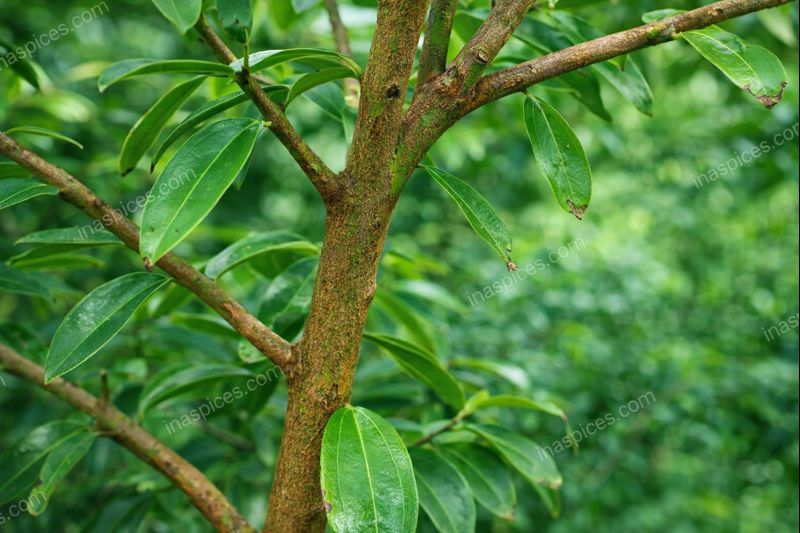
Cinnamon’s history is as rich as its flavor, having been traded across continents for thousands of years. It was mentioned in ancient Egyptian texts and was a highly prized commodity on the spice routes. Today, cinnamon is a global pantry staple, from apple pies to Indian curries, and even in beverages like mulled wine. Its versatility extends to sweet treats like lokum, Turkish delight, where its comforting warmth beautifully complements nuts and sugar.
Beyond its culinary prowess, cinnamon is celebrated for its impressive health benefits. It is a powerful antioxidant, has anti-inflammatory properties, and is studied for its potential role in managing blood sugar levels. These spices in holistic wellness continue to gain recognition.
The allure of these Indonesian spices extends far beyond their captivating aromas and flavors. Each one is a treasure trove of beneficial compounds that have been utilized in traditional medicine for centuries and are now attracting the attention of modern scientific research.
These aspices, when integrated into a balanced diet, offer more than just culinary delight; they contribute significantly to overall well-being, proving their worth as nature’s pharmacies.
Indonesia remains a vital player in the global spice market, a testament to its enduring pusaka rempah. Farmers across the archipelago continue to cultivate these precious plants, often using methods passed down through generations, ensuring the sustainable production of high-quality spices. The commitment to preserving this legacy is evident in the rich flavors and aromas that Indonesian spices offer.
From the lush volcanic soil to the skilled hands of the growers, every step in the journey of these spices from farm to table is imbued with history and dedication. This unwavering tradition ensures that the world can continue to savor the authentic taste of Indonesia’s spice heritage.
The journey through the world of Nutmeg, Mace, Cloves, and Cinnamon reveals more than just ingredients; it uncovers a legacy of exploration, culture, and nature’s profound generosity. These spices are an invitation to connect with history, to elevate your culinary creations, and to embrace the wellness benefits that have been cherished for centuries.
Are you ready to infuse your life with the unparalleled aroma and flavor of authentic Indonesian spices? Explore the finest selection of Nutmeg, Mace, Cloves, and Cinnamon directly from their source. For premium quality, sustainably sourced, and meticulously processed spices that embody Indonesia’s true pusaka rempah, look no further than Inaspices.com. Discover the difference that true heritage makes in every sprinkle.
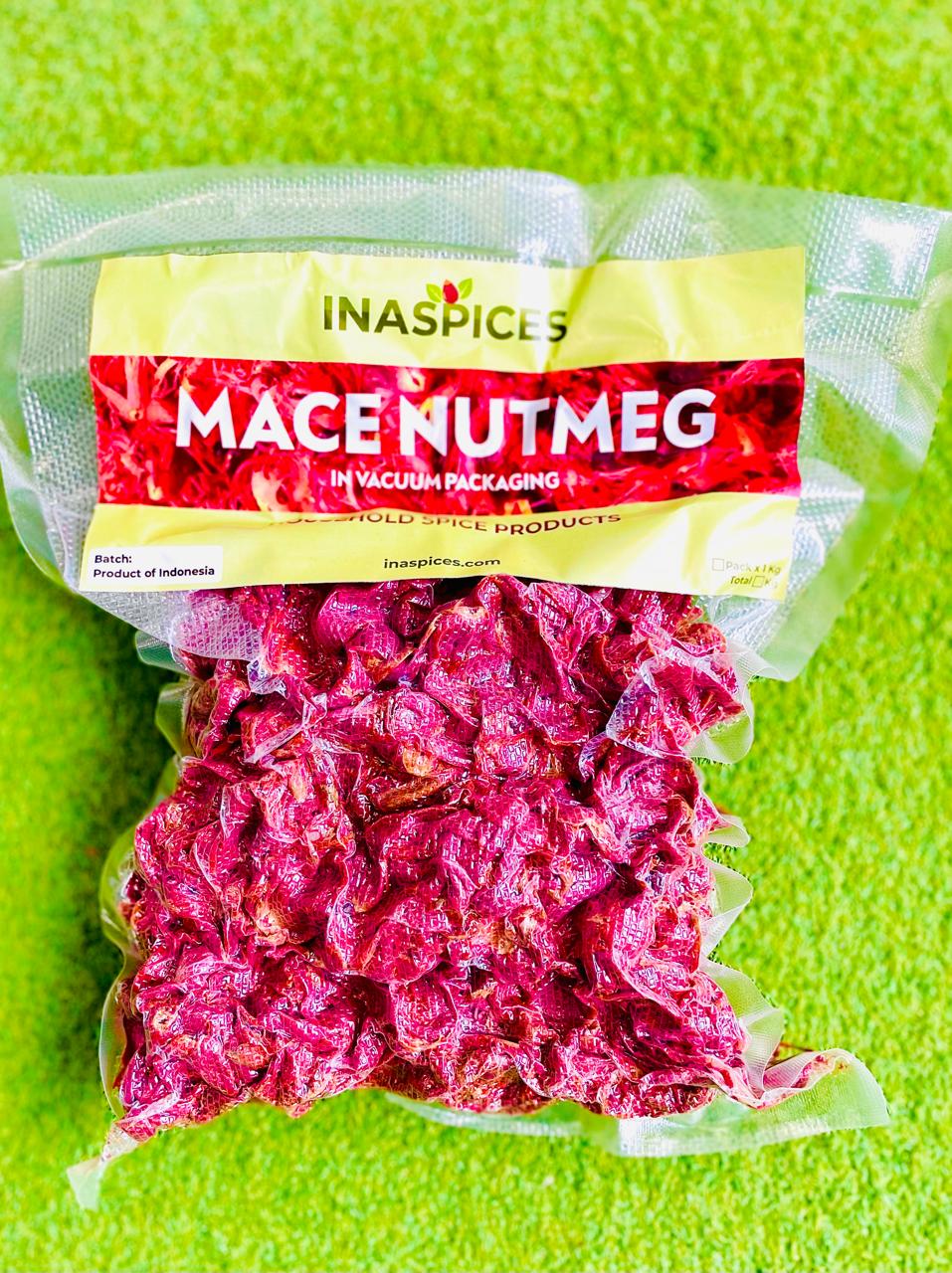
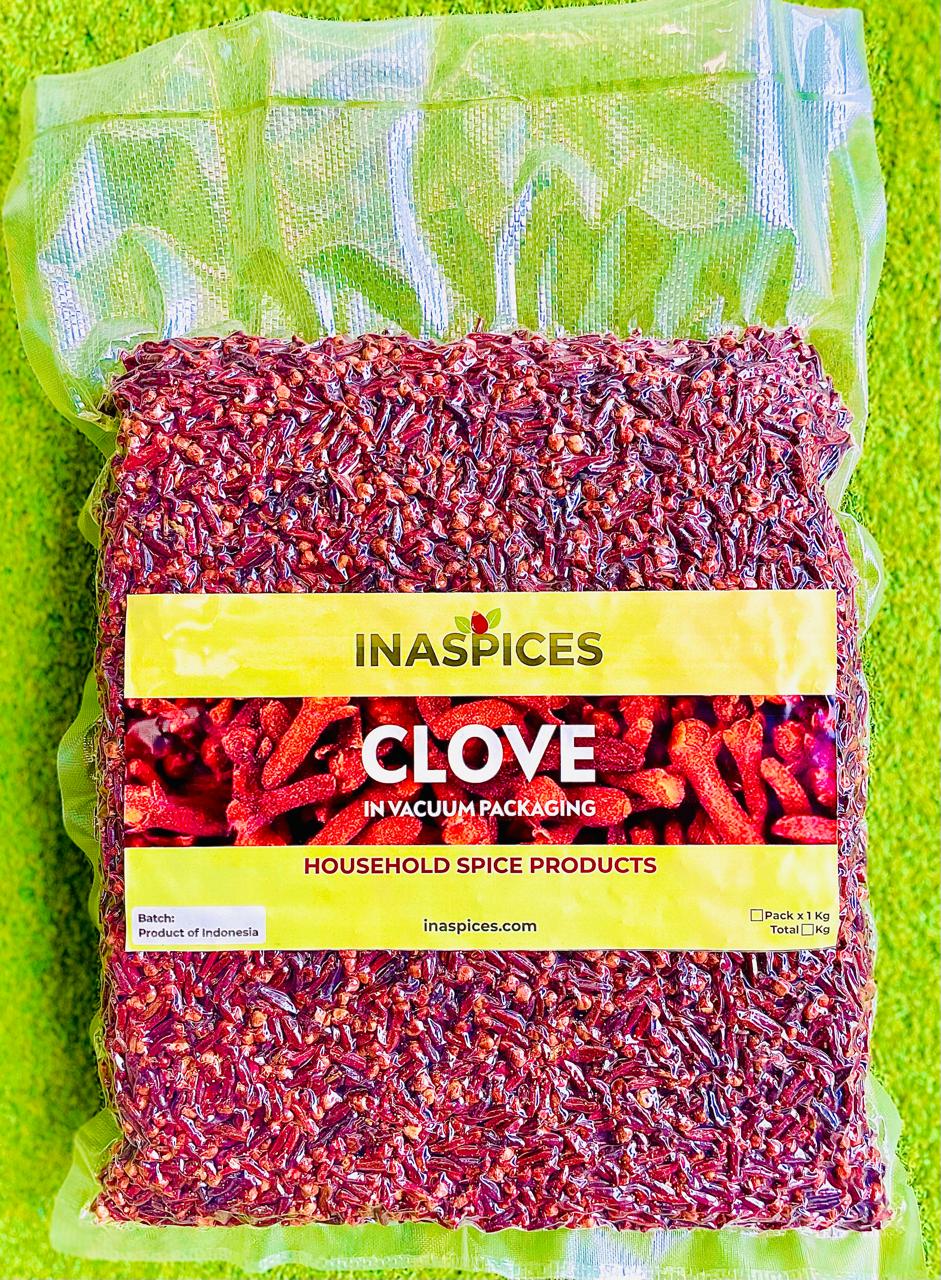
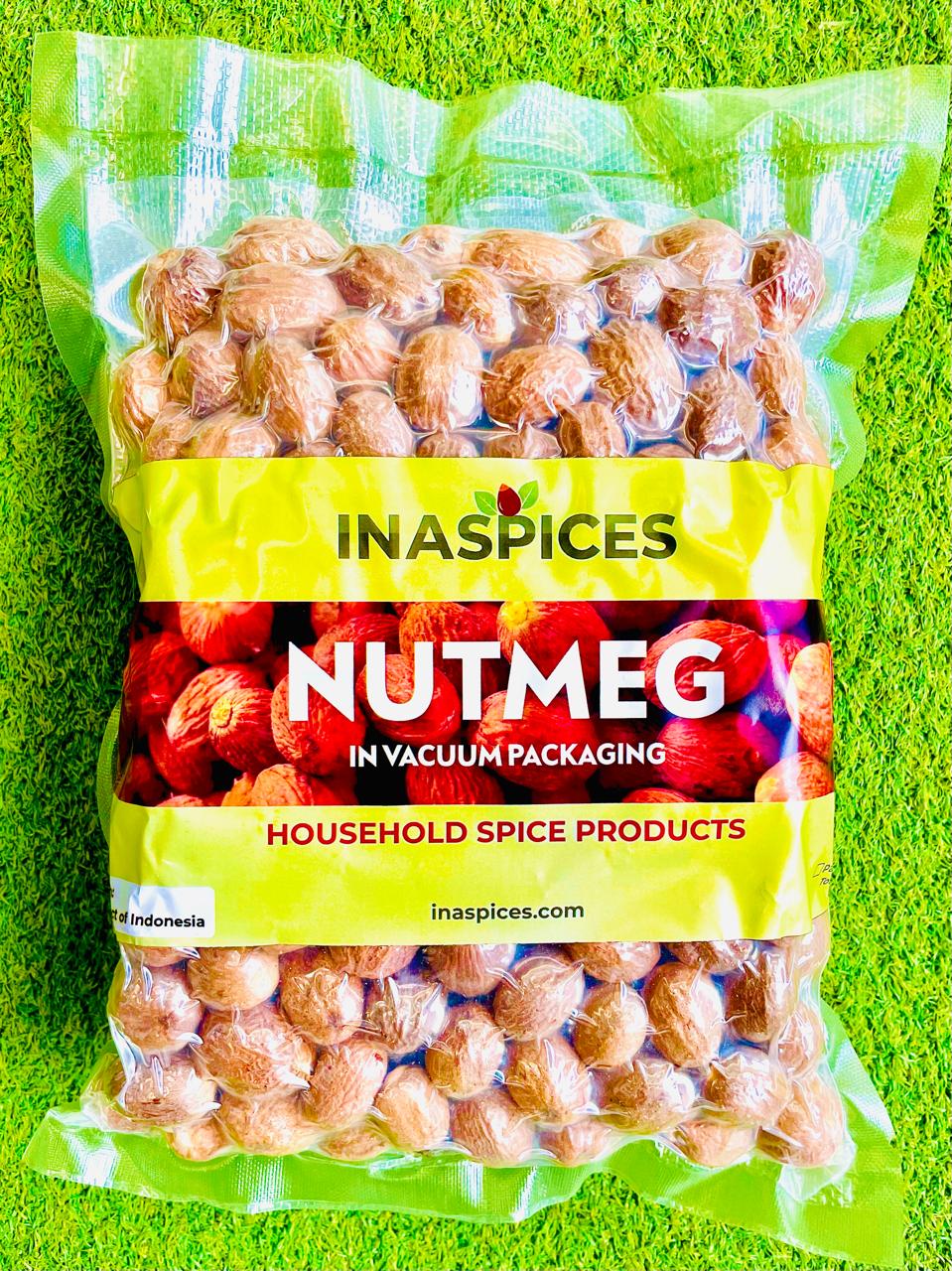
Visit inaspices.com today and bring the magic of Indonesia’s spice heritage into your home.