
Upload images to this post to show gallery.
Duniya ke kone-kone se aawat masalen ke khushboo, humme ek purana yatra pe le jaat rahen. Ek aisan yatra jahan sirf bhojan ke swad na badhal jaay, balki sabhyata ke dhara, arthvyavastha ke buniyad, aur sanskriti ke aadhaar ke bhi prabhavit karis. Indonesia, jaawan ke ‘Pusaka Rempah’ ke desh ke roop mein jaana jaay, e anmol masalen, khas taur pe Pala (Nutmeg), Bunga Pala (Mace), Cengkeh (Cloves), aur Kayu Manis (Cinnamon) ke janam bhoomi rahis. Aai, hum e virasat bhara masalen ke kahani mein gehrai se utari, jahan har ek dana, har ek chhal, aur har ek phool ek itihas aur ek anokha katha batawat ba.
Sadiyan pahile, jab abhi modern navigation na rahis, tab bhi log samudra paar karke, jangal, pahaar aur registan laangh ke masalen ke khoj mein nikalan. Ehi safar ke sejarah jalur rempah, yaani spice route ke itihas kahal jaala. E rasta sirf vyapar ke rasta na rahis, balki gyaan, sanskriti, aur naya khoj ke bhi rasta rahis. Asia aur Europe ke beech, Africa aur Middle East se hoke, masalen ne duniya ke badle mein ek mahatvapurn bhumika nibhais. Jab hum sejarah rempah rempah di indonesia ke baat karila, tab humara ek aisan bhumi ke yaad aawat ba, jahan se duniya ke sabse mahanga aur anmol masalen utpann hot rahe.
Indonesia, khas taur pe Maluku dweep समूह (jisake ‘Spice Islands’ bhi kahal jaay), Pala, Cengkeh, aur Bunga Pala jaisan masalen ke asal ghar rahis. Ehi masalen ke khoj mein purana European shaktiyan jaise Portuguese, Dutch, aur British ek dusre se ladat rahe, aur e sabhi ghatanaye Indonesia ke itihas ke gehrai se prabhavit karis. E masalen sirf swad ke vastu na rahisan; e swasth, aushadhi, aur dhan ke prateek bhi rahisan. Pusaka rempah – e masalen ke virasat – aaj bhi Indonesia ke pahchan ke ek hissa ba, jawan humme apan purana dharohar ke yaad dilawat ba.
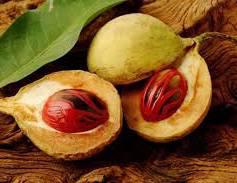
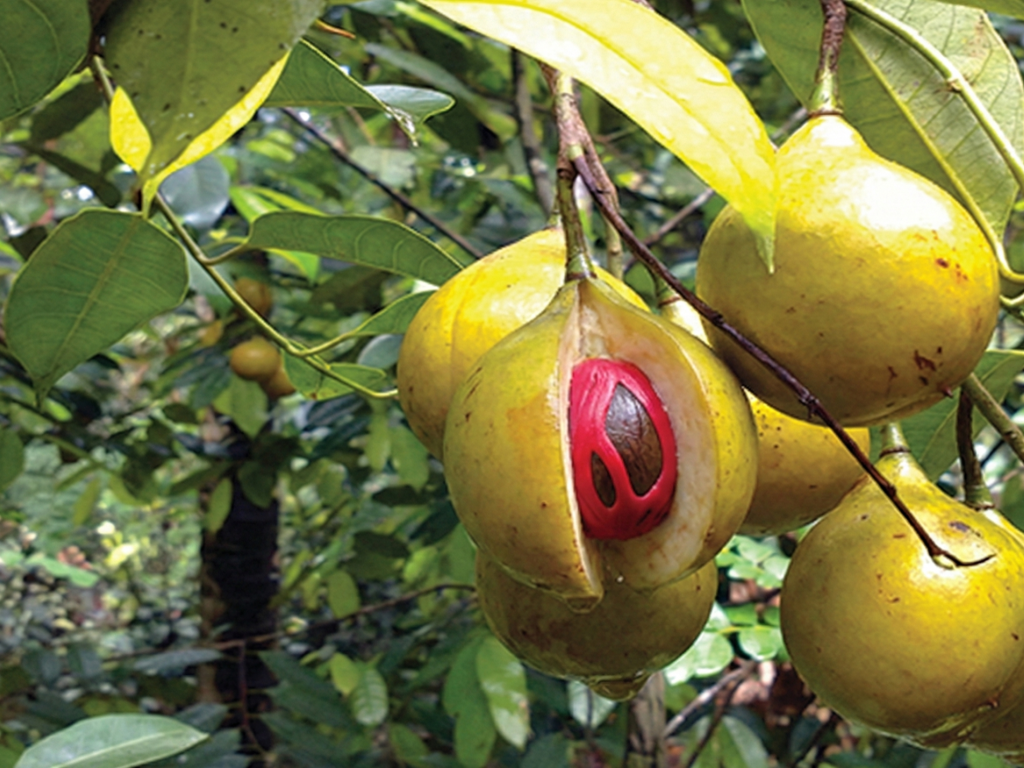
Pala (Nutmeg) aur Bunga Pala (Mace) ek hi ped se aawat do anokha masalen hawein. Jab pala ke phalta ba, tab okar lal jali wala kosh (aril) se Bunga Pala milela, aur andar se biji se pala nikle la. E dono ke alag-alag khushboo aur swad hola. Bunga Pala, jawan ke aksar mace hps (high quality premium standard) ke roop mein pasand karal jaala, apan naazuk aur thoda teekha swad ke karan mashoor ba. Yah bhojan ke saundarya aur swad dono mein mahatvapurn yogdaan dewe la. Iska upyog mithai se lekar namkeen tak, aur pramukh rup se Indian aur Middle Eastern cuisine mein hola. Duniya bhar mein, pala ke bhi alag-alag naam se jaanal jaala, jaisan Sweden mein iske múskat krydd kahal jaala, jawan ekar global lokpriyata ke darshawat ba.
Pala ke itihas bhi kam dilchasp na ba. Sadiyan tak, ekar vaibhav ke karan, ekar kharid-bikri pe kadi control rahis. Pala ke swasth labh bhi anek hawein. Paramparik aushadhi mein, ekar upyog pachan ke sudhare, neend laawe, aur dard kam kare mein hola. Lekin, e mahatvapurn ba ki pala ke jyada matra mein upyog na karal jaay, kahe ki isme מיריסטיצין (Myristicin) naamak ek compound hola jawan jyada matra mein hani karak ho sake la. Humare purvaj e anmol masale ke upyog mein santulan rakhat rahe. Ek anokha kahani mein, “Isa nutmeg” ke naam se ek khas prajati ke pala ke charcha hola, jawan ekar unchai aur behtar swad ke liye mashoor rahis, jawan batawat ba ki kaise har ek masale ke apan khaas pahchan hola.
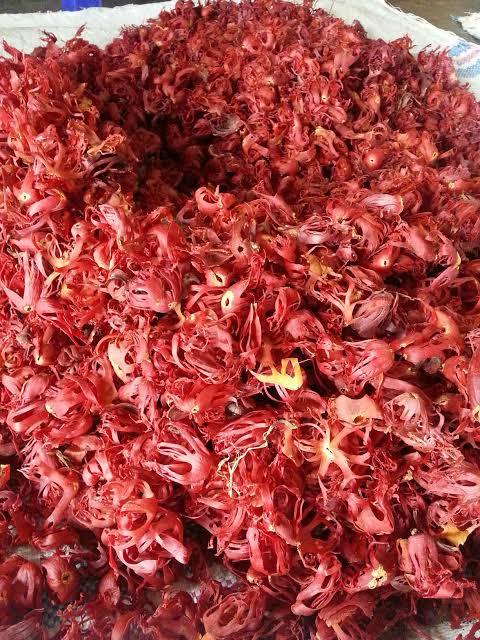
Pala aur Bunga Pala ke kheti mein vishesh dhyan rakhal jaala. Indonesia ke Maluku dweep samooh ke garm aur nam mosam ekar vikas ke liye sabse upyukt hola. Ped ke bade ho mein kai saal lagat ba, aur ek baar jab e phali lagawe lage la, tab e saalon tak phal dewe la. Ekar upyog na kewal khana mein hola, balki fragrance aur cosmetic udyog mein bhi hola, jahan ekar sugandhit tel ke demand bahut jyada hola.
Cengkeh (Cloves) bhi Maluku ke dharohar mein se ek ba. E masale ke khushboo, jawan itna teevra aur alag ba, sadiyon se duniya bhar ke khane aur dawa mein upyog hot aawat ba. Cengkeh ke ped ek chhota, sadaabahar ped hola, aur ekar phool ke kaliyan jab abhi khule na rahisan, tabhi inke tod ke sukhawe la. E hi sukhal kaliyan hum sabke cengkeh ke roop mein jaanal jaala. Spices in ancient medicine, cengkeh ke upyog dant dard ke ilaj, pachan ke sudhare, aur anti-inflammatory gunan ke liye hot rahis. Aaj bhi, e danto ke pasta, mouthwash, aur anek Ayurvedic aur Unani aushadhi mein ek pramukh tatv ba.
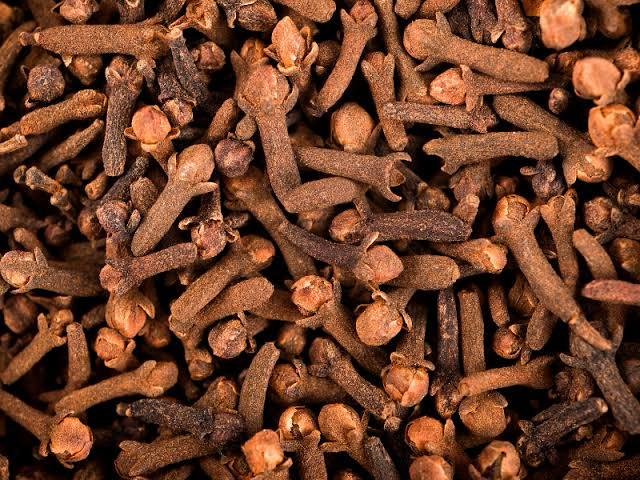
Cengkeh ke vyapar bhi sejarah jalur rempah mein ek mahatvapurn bhoomika nibhais. Roman samrajya mein ekar bahut mang rahis, aur baad mein Arab vyapariyan aur European powers ekar vyapar pe control kare ke koshish karat rahe. Cengkeh ke teekha aur garm swad eke anek mithai, savory dishes, aur pey mein ek pasandida masale banawe la. Indonesia mein, ekar upyog “kretek” cigarette mein bhi hola, jawan ekar ek anokha aur sanskritik upyog ke darshawat ba. Cengkeh ke kheti bhi Maluku ke jalkharab mein khub hamesha se hot rahil ba, jahan e ped apan poore shaan se badhe la.
Kayu Manis (Cinnamon), jawan ke mithai aur pey mein apan madhur swad ke liye jaanal jaala, e bhi aspices mein se ek anmol ratna ba. Ekar utpatti Sri Lanka aur India mein mani jaala, lekin Indonesia mein bhi ekar bahut accha kheti hola. Kayu Manis ke chhal se banaal jaala, jawan ke chhot-chhot tukdan mein kat ke sukhawe la. Dunia mein kai prakaar ke Kayu Manis paayal jaala, jismein Ceylon Cinnamon (asal Kayu Manis) aur Cassia Cinnamon sabse pramukh hawein. Cassia variety Indonesia, China, aur Vietnam mein ugal jaala, aur ekar swad thoda teevra aur teekha hola.
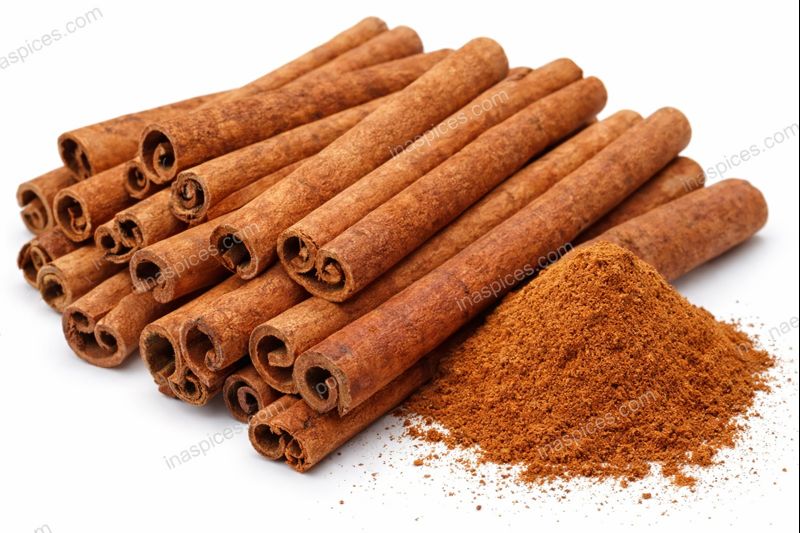
Kayu Manis ke swasth labh bhi bahut hawein. E blood sugar ke control kare mein madat kare la, anti-inflammatory gun hola, aur antioxidant se bharal hola. Ehi karan se, paramparik aushadhi mein ekar upyog sadiyon se hot aawat ba. Culinary duniya mein, Kayu Manis ek bahut versatile masale ba. American apple pie se lekar Middle Eastern dishes tak, aur Turkish delight lokum jaisan mithai mein bhi ekar upyog hola, jawan ekar global appeal ke pramanit kare la. Kayu Manis ke khushboo aur swad ghar ke garam aur aaramdayak mahol dewe la, khaas taur pe thand ke mosam mein.
Aaj ke modern duniya mein bhi, Indonesia ke masalen apan mahatva banawal rakhe hawein. Global food industry, pharmaceutical industry, aur cosmetic industry mein ekar mang hamesha jyada rahela. Indonesian farmers aur traders apan purani parampara ke banawal rakhat hawein, jawan e masalen ke gunavatta aur asliyat ke sunischit kare la. Jab hum aspices ke baat karila, tab humara sirf masalen ke na, balki un sabhi kisanan ke mehnat ke bhi yaad aawat ba jawan e anmol dharohar ke hum tak pahunchawat hawein.
Indonesia ke masalen, khas taur pe Pala, Bunga Pala, Cengkeh, aur Kayu Manis, abhi bhi international market mein bahut jayada demand mein hawein. Sustainable kheti ke tarike apana ke, aur high-quality processing techniques ke istemal karke, Indonesia apan masalen ke visvasiyta banawal rakhle ba. Mace HPS jaisan premium products ke demand din-b-din badhat jaat ba, jawan batawat ba ki duniya bhar ke log asli aur shuddh masalen ke mahatva samjhat hawein.
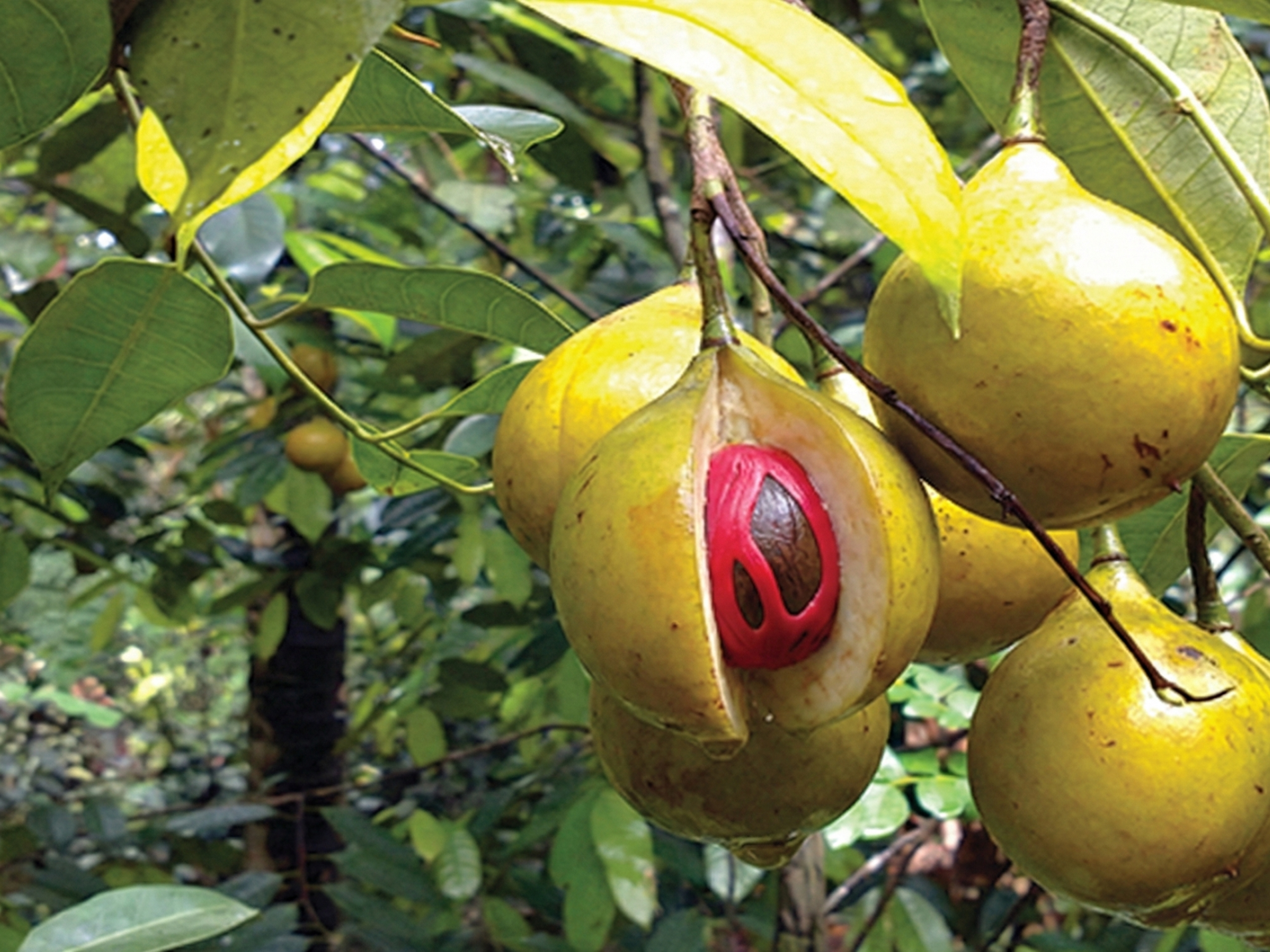
E masalen sirf khana ke swad na badhawe lan, balki e ek kahani sunawat hawein – ek kahani itihas ke, ek kahani sangharsh ke, aur ek kahani virasat ke. E hamara yaad dilawat hawein ki kaise ek chhote se dweep ke upaj ne poori duniya ke badal dis.
Agar aap bhi e anmol pusaka rempah ke swad aur khushboo apan ghar le jaana chahat bani, toh hum aapke inaspices.com pe dekhe ke nimantran karat bani. Hum Indonesia ke sabse accha aur shuddh masalen, jaisan ki Nutmeg, Mace, aur Cloves, seedhe kisanan se aap tak pahunchawe la. Hamare uttam gunavatta wale utpaad se apan bhojan aur swasth ke sudharen. inaspices.com pe visit kari aur Indonesia ke asli swad ke anubhav kari!
Upload images to this post to show gallery.
دُنیاہَس مَنٛز چھِ کینہہ مُلُک اَتھ پٲٹھؠ یِمَن ہُنٛد نہ صرف جغرافیائی مقام چھُ اہم، بلکہ یِمَن ہُنٛد ثَقافتی ورثہٕ تہٕ چھُ عالمی تٲریخَس مَنٛز اَکھ اہم کردار ادا کوٚرمُت۔ اِنڈونیشیاہُک جزیرٕ یَتھ سِیاؤ جزیرٕ ونان چھِ، یہِ چھُ اَکھ مُلُک یَتھ اَتھ پٲٹھؠ ونان چھِ یَتھ مصالحہٕ جاتُک گَرٕ ونان چھِ۔ دُنیاہَس مَنٛز چھُ اِنڈونیشیاہَس مَنٛز مصالحہٕ جاتٕچ اَکھ لمبی تہٕ دِلچَسپ تٲریخ۔ پَلہٕ (Nutmeg)، بُنٛگہٕ پالا (Mace)، چَنٛگیہٕ (Cloves)، تہٕ کیَنہٕ مَنٛز (Cinnamon) چھِ صِرِف کھؠنَس ذائقہٕ دار بناوان بلکہ یِمَن ہُنٛد چھُ اَکھ تٲریخی اہمیت تہٕ اَتھ پٲٹھؠ یَتھ پٲٹھؠ یِمو دُنیاہٕچ تٲریخ شکل دِتھ چھےٚ۔ اَکھ گٲژھ دُنیاہَس مَنٛز اِنڈونیشیاہُک مصالحہٕ ورثہٕ (پُساکا ریمپا) گۄڈٕ کَن بوزُن۔
اَکھ زمانَس مَنٛز اوس مصالحہٕ روٹ (سہجاراہ جالور ریمپاہ) محض اَکھ تجارتُک راستہٕ نہٕ، بلکہ یہِ اوس ثقافتن، خیالاتن، تہٕ تٲریخٕچ اَکھ مِلاوٹ ییٚمِس مَنٛز دُنیاہٕچ مختلف علاقن ہُنٛد تال مَیل اوس۔ اِنڈونیشیاہَس مَنٛز مصالحہٕ جاتٕچ تٲریخ (سہجاراہ ریمپاہ ریمپاہ دِی اِنڈونیشیا) چھِ ساس وریَن پرٛان۔ جزائر مالوکو (Spice Islands) خٲص طور پٲٹھؠ بَنٛڈاہُک جَزیرٕ اوس پَلہٕ (Nutmeg) تہٕ چَنٛگیہٕ (Cloves) خٲطرٕ مشہوٗر۔ یِم مصالحہٕ اوس عالمی سطحَس پؠٹھ اَقدام آسان، یِمَن خٲطرٕ اوس پۄزٕر وژھُن یِوان۔ وۄنؠ چھِ یِم صرف تٲریخی یادگٲری نہٕ بلکہ اِنسان کِس تٲریخٕچ اَکھ اِنتہٲیی اہمیت تہٕ چھِ تھاوان۔
یہِ تٲریخ چھےٚ دٕسِوان کہِ کِتھ پٲٹھؠ واریہن قُدرتی طاقتن، جَنٛگن، تہٕ تہٕ دُنیاہَس مَنٛز بادشاہَتن پؠٹھ اوس یِمَن مصالحہٕ جاتَن اَثر گُزٲرؠو۔ واریہن صدیَن مَنٛز اوس یہِ اَکھ اَثردار تجارت، ییٚمِس اِنڈونیشیاہُک میس نٹمیگ تہٕ کلوو آسَن تہٕ واریہن یورپی طاقتن اوس یِمَن پؠٹھ قَبضہٕ کَرَن تہٕ تجارتَس پؠٹھ قابو تھاوَن خٲطرٕ کلہٕ یَوان۔
پَلہٕ (Nutmeg) تہٕ بُنٛگہٕ پالا (Mace) چھِ اَکھ میوٕ کَن حٲصِل گَژھَن ییٚمِس مائیریسٹیکا فُریگرینز ونان چھِ۔ یہِ میوٕ چھُ اِنڈونیشیاہٕک بَنٛڈاہُک جَزیرٕ کَن وۄنؠ اصلیَتَس پؠٹھ چھُ یِوان۔ پَلہٕ چھُ اَکھ بُنیٲدی بیج یُس خشک کَرنہٕ یِوان چھُ، تہٕ بُنٛگہٕ پالا چھُ اَتھ بیجَس پؠٹھ اَکھ جٲلؠ ہَوَن اَنڈ۔ یِم زٕ چھِ اَکھہِ مَنٛز تَقریباً اَکھ ہَوَن اَوَن، مگر اِمَن چھُ اَلَگ اَلَگ خوشبو تہٕ ذائقہٕ۔
بُنٛگہٕ پالا چھُ پَلہٕ کھوتہٕ زیٛادٕ نازُک تہٕ مِٹھا ذائقہٕ دار۔ اَز چھِ بُنٛگہٕ پالا (میس ایچ پی ایس) دُنیاہَس مَنٛز اَکھ قۭیمتی مصالحہٕ۔ بُنٛگہٕ پالا ہُنٛد رَنٛگ چھُ نارَنٛجی کَن زَرد تَمرَن گَژھان، یُس یہِ کھؠنَس مَنٛز رَنٛگ تہٕ ذائقہٕ دِوان چھُ۔ مُشکٹ مصالحہٕ (مَسکیٹ مصالحہٕ) چھُ یورپَس مَنٛز تہٕ واریہن مُلکن مَنٛز اَکھ مشہوٗر مصالحہٕ۔
تٲریخی طور پؠٹھ، چھُ پَلہٕ اَکھ اِنتہٲیی اہمیت تھاوان. اَتھ چھُ گۄڑنۍ کَن اَکھ دوا تہٕ کھؠنَس مَنٛز ذائقہٕ دار ہِش اِستعمال گَژھان۔ اَتھ مَنٛز چھُ اَکھ کِمیکَل مائیریسٹیسین (Myristicin)، یُس کَم مقدارَس مَنٛز صحتس خٲطرٕ فائدیمند آسہِ مگر زیٛادٕ مقدارَس مَنٛز چھُ نقصان دِہ۔ اِسا نٹمیگ (Isa Nutmeg) تہٕ اَسپائسس (Aspices) چھِ مصالحہٕ جاتُک اَکھ خاص وۄرثہٕ دِوان، یُس معیار تہٕ پۄزٕر وٲلؠ چھُ۔ اَتھ چھُ کَم مِقدٲرَس مَنٛز دِماغَس آرام دِوان تہٕ نیندرٕ خٲطرٕ تہٕ چھُ اِستعمال گَژھان۔
پَلہٕ چھُ اِنتہٲیی ذائقہٕ دار تہٕ چھُ میٹھن تہٕ نمکین کھٮ۪نَن مَنٛز اِستعمال گَژھان۔ یہِ چھُ سُوپن، گوشتُک سالَن، بیکَن پروڈکٹس، تہٕ کینڈیز مَنٛز مِلاوَن یِوان۔ اَتھ چھُ اَکھ گَرَم تہٕ مِٹھا ذائقہٕ یُس کھٮ۪نَن مَنٛز اَکھ خٲص ذائقہٕ بَناوان چھُ۔ بُنٛگہٕ پالا چھُ رَنٛگَس تہٕ ذائقَس بَڈایَن خٲطرٕ اِستعمال گَژھان۔ خاص پٲٹھؠ چھُ یہِ بِرَیانَن، میٹھَن، تہٕ مِٹھاییَن مَنٛز اِستعمال گَژھان۔
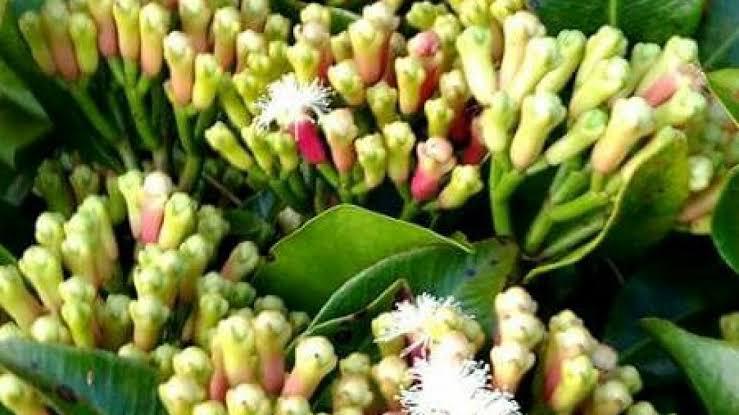
چَنٛگیہٕ (Cloves) چھِ سِیزیجِیئم ایرومیٹیکم درختُک خشک کَرنہٕ آمُت کلٕمُنؠ۔ اَتھ ہُنٛد اصلیَت چھُ اِنڈونیشیاہٕک مالوکو جَزیرٕ، یَتھ مصالحہٕ جاتُک جَزیرٕ تہٕ ونان چھِ۔ چَنٛگیہٕ اوس زمانہٕ قد یم کَن ہندستانَس، چینَس، تہٕ یورپَس مَنٛز اِستعمال گَژھان، یُس اَتھ ہُنٛد عالمی تجارتَس مَنٛز اَکھ اِنتہٲیی اہم کردار دِوان اوس۔
چَنٛگیہٕ چھُ اَکھ تَیز تہٕ مِٹھا ذائقہٕ تھاوان یُس گرمی تہٕ تازٕگی دِوان چھُ۔ یِم چھِ مُختلف کھٮ۪نَن، خاص پٲٹھؠ گوشتُک سالَن، بِرَیانَن، اچارن، تہٕ میٹھَن مَنٛز اِستعمال گَژھان۔ چَنٛگیہٕ چھُ اَکھ قدرتی اَینٹیسَپٹِک تہٕ درد کم کَرن وٲلؠ خصوصیت تھاوان، یُس اَتھ دندانُک درد دُور کَرنَس خٲطرٕ تہٕ اِستعمال گَژھان چھُ۔ چَنٛگیہٕ چھُ اِنڈونیشیاہَس مَنٛز اَکھ مشہوٗر مصالحہٕ، یُس تہٕ تَقریباً ہرِ گھَرَس مَنٛز لبَن یِوان چھُ۔ یہِ چھُ مُختلف مصالحہٕ جات (Spices In) مَنٛز اَکھ اہم جز۔
قدیم زمانس مَنٛز، چھُ چینی بادشاہَن چَنٛگیہٕ اِستعمال کَرنُک حُکم دِتھ اوس ییٚمِس مَنٛز دربارس مَنٛز گالَن مَنٛز خۄشبو بَرنایَن تہٕ سانس تازٕ کَرنَس خٲطرٕ اِستعمال گَژھان اوس۔ یہِ چھُ اَکھ مشہوٗر مصالحہٕ یُس اِنڈونیشیاہَس مَنٛز “کریتیک” سِگارَن مَنٛز تہٕ اِستعمال گَژھان چھُ، یُس اَتھ اَکھ خٲص ذائقہٕ دِوان چھُ۔
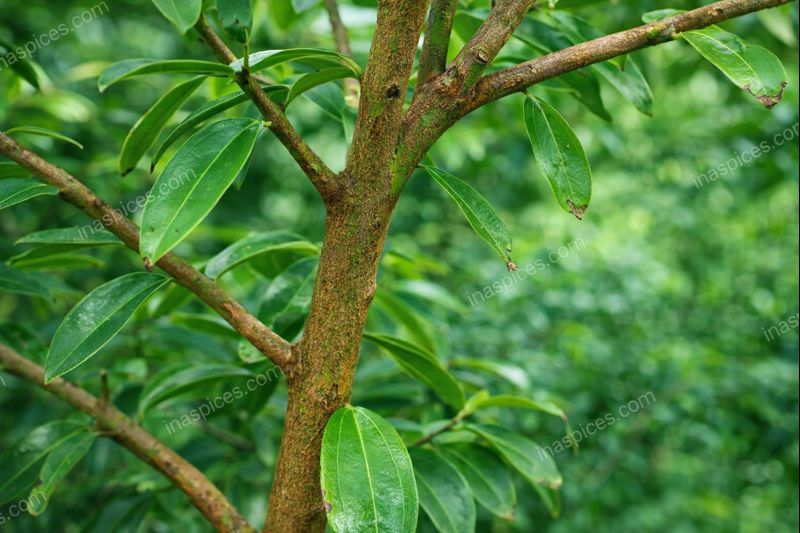
کیَنہٕ مَنٛز (Cinnamon) چھُ اَکھ قدیم مصالحہٕ یُس سِنومومَم جینس کِس درختُچ اَنٛدرُونی چھال کَن حٲصِل گَژھان چھُ۔ اَتھ چھُ زٕ اہم قِسم: سیلون کیَنہٕ مَنٛز (True Cinnamon) یُس سِری لنکا کَن چھُ تہٕ کاسیا کیَنہٕ مَنٛز یُس اِنڈونیشیاہَس تہٕ چینَس مَنٛز چھُ۔ اِنڈونیشیاہُک کیَنہٕ مَنٛز (سِنومومَم بُرمانی) چھُ اَکھ گَرم، تَیز تہٕ مِٹھا ذائقہٕ تھاوان یُس دُنیاہَس مَنٛز واریہن کھٮ۪نَن مَنٛز اِستعمال گَژھان چھُ۔
تٲریخی طور پؠٹھ، اوس کیَنہٕ مَنٛز اَکھ اِنتہٲیی قۭیمتی مصالحہٕ یُس قدیم مصرَس مَنٛز مُمیَفیکیشن تہٕ مذہبی رَسُومَن مَنٛز اِستعمال گَژھان اوس۔ یہِ اوس مصالحہٕ روٹَس پؠٹھ اَکھ اہم تجارتُک حِصہٕ، یُس رومی سلطنتَس تہٕ باقی یورپَس مَنٛز چھُ یِوان۔ اَتھ ہُنٛد مِٹھا ذائقہٕ چھُ اَتھ مِٹھاییَن، مشروباتَن، تہٕ بِرَیانَن مَنٛز تہٕ مشہوٗر بَناوان۔ مِثال کِس طور پؠٹھ چھُ یہِ کیَنہٕ مَنٛز تُرکیٕچ مِٹھاییَن (لوکم) تہٕ مُختلف بیکَن پروڈکٹس مَنٛز تہٕ اِستعمال گَژھان۔
کیَنہٕ مَنٛز چھُ صرف اَکھ ذائقہٕ دار مصالحہٕ نہٕ بلکہ یہِ چھُ صحتَس خٲطرٕ تہٕ فائدیمند۔ اَتھ چھُ اَینٹیاکسِڈنٹ خصوصیات تہٕ چھُ شوگر کَنٹرول کَرنَس مَنٛز تہٕ مدد کَران۔ یہِ چھُ گَرَم چایَس، کافیَس، تہٕ سُوپن مَنٛز تہٕ اِستعمال گَژھان۔
اِنڈونیشیاہٕک مصالحہٕ جات چھِ نہ صرف ذائقہٕ دار بلکہ یِم چھِ اَکھ تٲریخی وَزَن تہٕ تھاوان یِمو دُنیاہٕچ تٲریخ بَدلاومُت چھےٚ۔ پَلہٕ، بُنٛگہٕ پالا، چَنٛگیہٕ، تہٕ کیَنہٕ مَنٛز چھِ اِنڈونیشیاہٕک ثقافتُک تہٕ اَقتِصادُک اَکھ اہم حِصہٕ۔ یِمَن مصالحہٕ جاتَن ہُنٛد سفر چھُ تجارتُک، جَنٛگنُک، تہٕ ثقافتن ہُنٛد تال مَیلُک داستان بیان کَران۔
اَز تہِ چھِ یِم مصالحہٕ جات دُنیاہَس مَنٛز مختلف رَسُومَن، کھٮ۪نَن، تہٕ دواہَن مَنٛز اِستعمال گَژھان۔ اِنڈونیشیاہُک نٹمیگ چھُ اَکھ اعلیٰ قسمُک مصالحہٕ یُس اصلی تہٕ تازٕ ذائقہٕ دِوان چھُ۔ یہِ چھُ اَکھ ورثہٕ یُس وۄنؠ تہِ زِندہٕ چھُ تہٕ واریہن نَسَلَن ہُنٛد تجرباتَن مَنٛز تہِ چھُ شٲمِل۔
اَکھ زمانَس مَنٛز اوس یِم مصالحہٕ جات صرف بادشاہَن تہٕ امیرَن خٲطرٕ مَحصوٗص، مگر اَز چھُ ہرِ کُنیِ کَن آسانی سٟتؠ دَستِیاب۔ اگر توہؠ چھِو اِنتہٲیی معیارُک اِنڈونیشیاہُک مصالحہٕ لبَن، تہٕ چھُ inaspices.com تُہٕنِس خٲطرٕ اَکھ مِثال۔ اَتھ ویبسایِٹَس پؠٹھ چھِو تُہؠ واریہن قِسمَن ہُنٛد تازہ تہٕ خالص اِنڈونیشیاہُک مصالحہٕ حٲصِل کَرِتھ۔
چاہے توہؠ چھِو پَلہٕ، بُنٛگہٕ پالا، چَنٛگیہٕ، یا کیَنہٕ مَنٛز لبَن، inaspices.com چھُ تُہٕنِس خٲطرٕ اَکھ بھروسہٕ مند ذریعہٕ۔ یِمَن ہُنٛد مقصد چھُ دُنیاہَس اِنڈونیشیاہٕک اصلی ذائقہٕ تہٕ خوشبو فراہم کَرُن۔ پَنُن کھٮ۪ن تہٕ رَسُوکھ وۄنؠ زیٛادٕ دلچسپ بَناوَن خٲطرٕ کَرِو inaspices.com کَن وِزِٹ تہٕ حٲصِل کَرِو دُنیاہٕچ بہترین مصالحہٕ جات!
Upload images to this post to show gallery.
From the windswept steppes where our ancestors, the Scythians, rode, tales were whispered of distant, sun-drenched lands. Lands where the air itself was woven with scents of exotic trees and plants, treasures more precious than gold. These were the fabled islands of the East, the true heartland of what later ages would call the ‘pusaka rempah’—the sacred heritage of spices.
For millennia, long before the galleons of the West dared to cross the vast oceans, the allure of nutmeg, mace, cloves, and cinnamon stirred the souls of merchants, healers, and emperors. These weren’t mere flavorings; they were currency, medicine, divine offerings, and symbols of ultimate power. Our journey now takes us back through the mists of time, not merely to recount history, but to breathe life into the very essence of these fragrant gifts that shaped civilizations and continue to enchant our modern world.
Consider, if you will, the epic tapestry of the ‘sejarah jalur rempah’—the very history of the Spice Route. It was a network of paths, both by land and by sea, that predated much of recorded civilization. Imagine caravans traversing arid deserts and fragile dhows braving tempestuous seas, all driven by the irresistible demand for these aromatic wonders. From the easternmost reaches of the archipelago, the fragrance of spices drifted west, reaching the markets of Persia, the bustling souks of Arabia, and eventually, the grand tables of Rome and beyond.
This ancient commerce was not a simple exchange; it was a conduit for culture, knowledge, and even myth. Each bead of sweat from a weary trader, each creak of a ship’s timber, was a testament to the profound value placed upon these precious commodities. The ‘sejarah rempah rempah di Indonesia’—the distinct history of spices within these very islands—is a chronicle intertwined with global empires, fierce rivalries, and the unwavering human quest for discovery and enrichment.
Indonesia, with its fertile volcanic soils and equatorial sun, was and remains the cradle for many of the world’s most sought-after spices. It was from these islands that the very air seemed to carry whispers of incredible wealth, beckoning adventurers and empires alike.
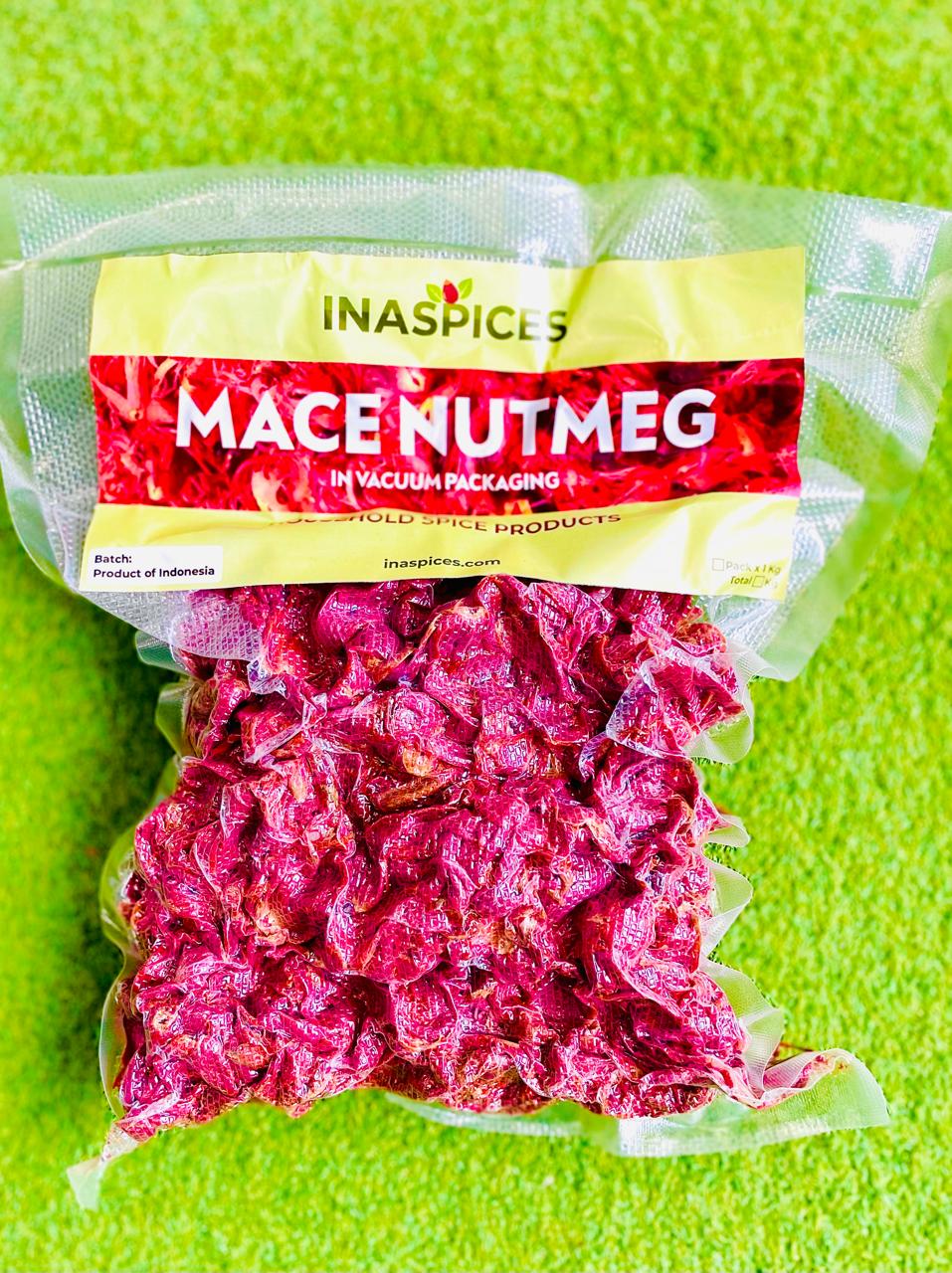
Among the most storied of all Indonesian treasures are Nutmeg (Pala) and its delicate, crimson cousin, Mace (Bunga Pala). These are two distinct spices born from a single fruit, a botanical marvel primarily native to the tiny Banda Islands in the Moluccas, the legendary “Spice Islands.” For centuries, these islands held the sole secret to their cultivation, making them immensely valuable.
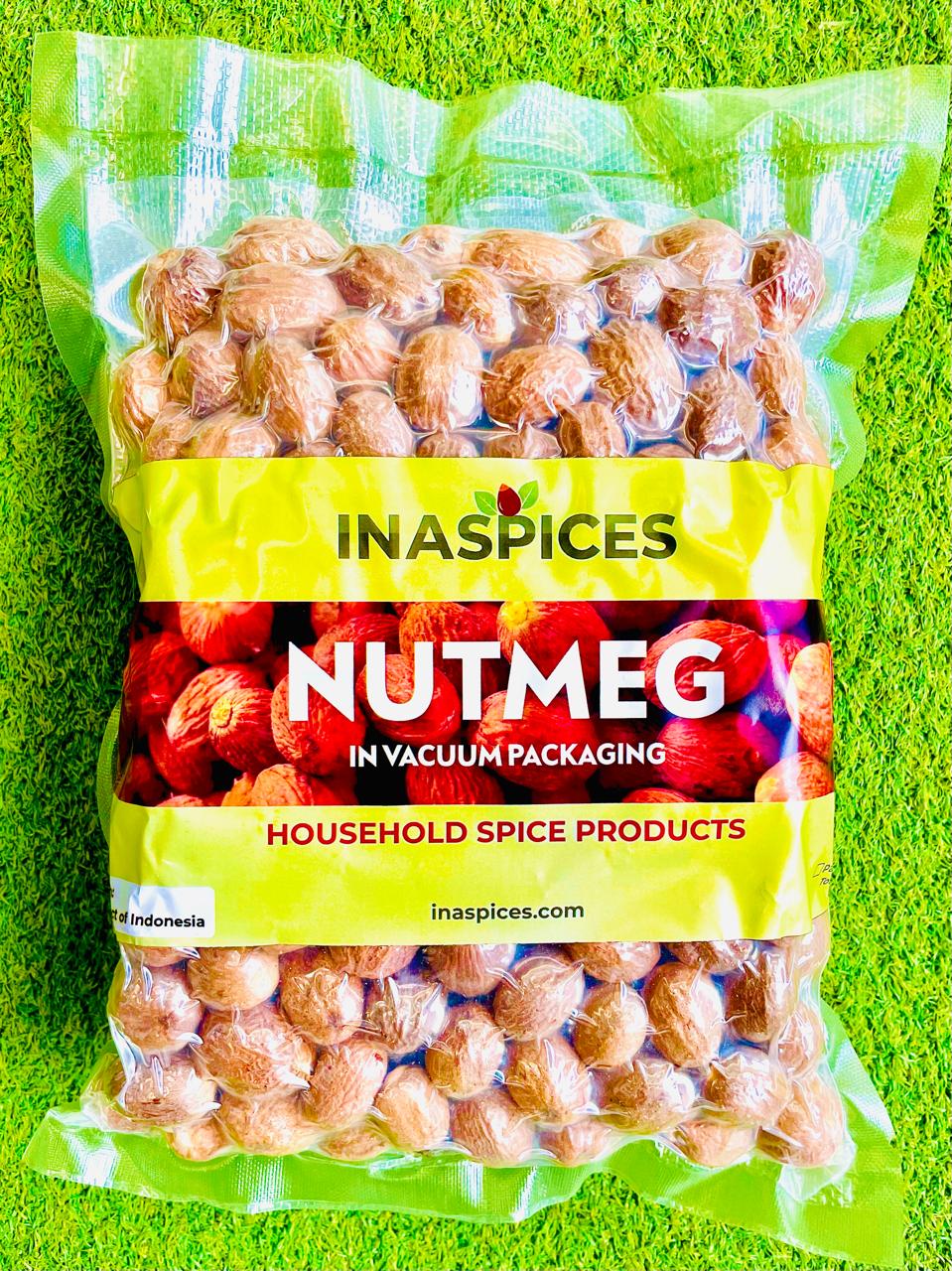
The nutmeg fruit, resembling a small apricot, splits open when ripe to reveal a dark brown seed – the nutmeg – encased in a vibrant, lacy aril: mace. The nutmeg seed itself, when dried and ground, offers a warm, sweet, and slightly pungent aroma. It’s a flavor that has graced everything from elaborate European pastries to savory Middle Eastern tagines. Indeed, its unique profile led Nordic traders to coin their own term for it: ‘múskat krydd’, a testament to its widespread adoration.
Mace, with its more subtle, refined, and peppery notes, is often considered the connoisseur’s choice. It’s milder and more fragrant than nutmeg, less assertive but equally captivating. In the grand markets of old, discerning buyers sought the highest quality, and the term ‘mace hps’ (High Purity Select) would have been understood even then, signifying an unblemished, prime selection fit for royalty and master chefs.
Beyond their culinary magic, both nutmeg and mace hold a revered place in traditional medicine. Ancient healers recognized their carminative properties, using them to aid digestion and soothe ailments. Modern science, too, has begun to explore compounds within nutmeg, such as ‘מיריסטיצין’ (myristicin), which contribute to its distinctive aroma and various pharmacological activities, albeit requiring careful dosage due to its potency. From simple remedies to complex formulations, these spices have long been believed to possess powers stretching far beyond mere taste.
For those who desire the pinnacle of this spice, the ‘Isa Nutmeg’ from regions known for their exceptional cultivation practices stands as a beacon of quality, promising a depth of flavor and aroma that is unparalleled. These are not just ingredients; they are whispers of history, condensed into a potent seed and a delicate veil.
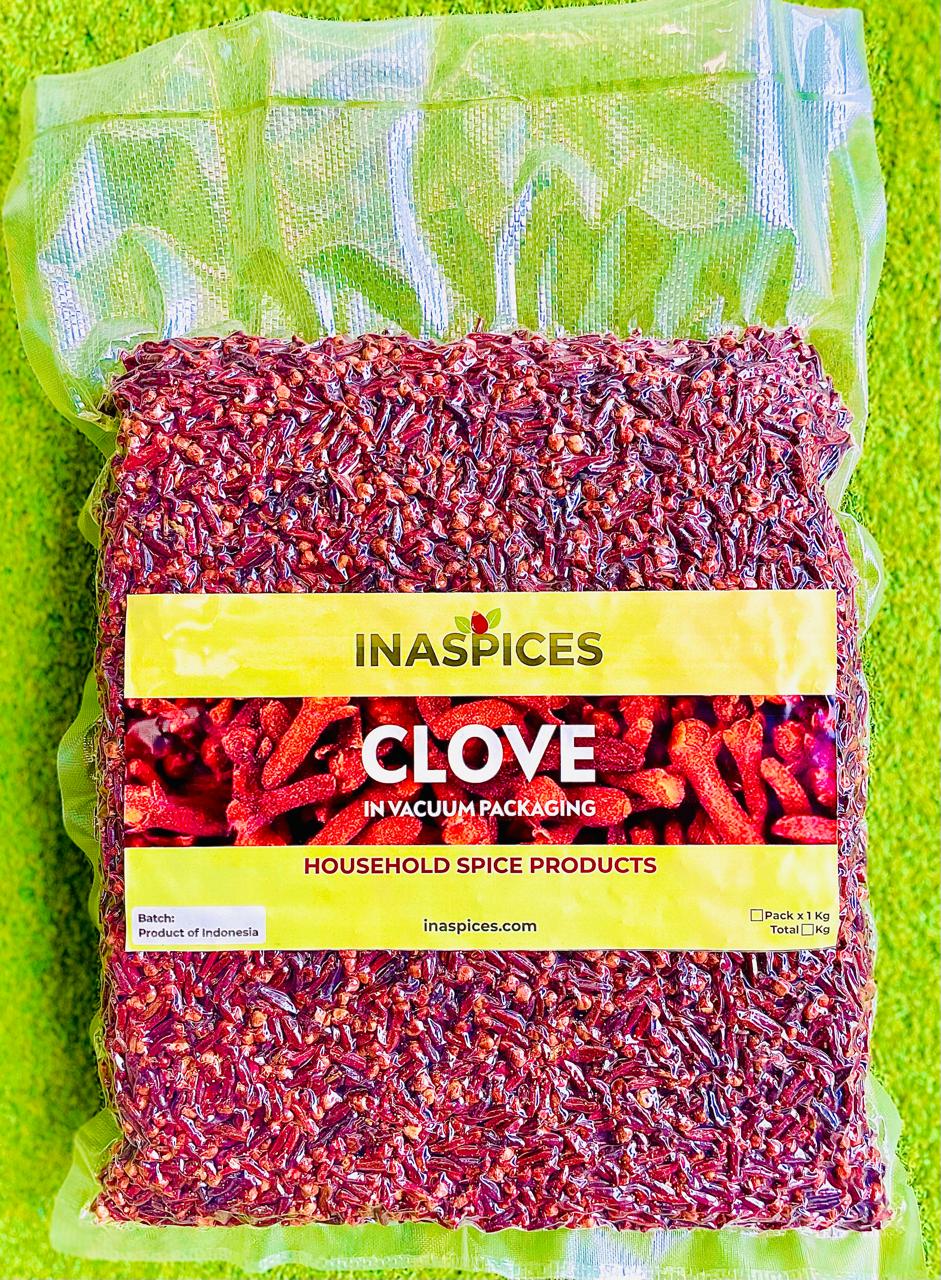
Then there are Cloves (Cengkeh), the dark, nail-like buds that unleash an intensely aromatic, sweet, and pungent burst of flavor. These dried flower buds of the Syzygium aromaticum tree are indigenous to the Moluccas, particularly the islands of Ternate and Tidore. For centuries, these islands were the sole source, a secret jealously guarded and fiercely fought over.
The history of cloves is as rich as their aroma. Chinese emperors demanded that courtiers hold cloves in their mouths to freshen their breath before an audience. Ancient Roman texts spoke of ‘spices in’ various remedies and perfumes, with cloves undoubtedly being among them. Arab traders carried them across vast deserts, and European powers embarked on perilous voyages, all driven by the profound desire for these tiny powerhouses of flavor.
In traditional Indonesian medicine, cloves have been used for their analgesic and antiseptic properties, especially for dental pain. Their warmth makes them a popular addition to warming beverages, savory dishes, and sweet desserts across the globe. The very essence of these ‘aspices’ – a term that transcends mere categorization to encompass all aromatic treasures – truly transformed cuisines and cultures.
Finally, we turn our gaze to Cinnamon (Kayu Manis), a spice whose very name evokes warmth, comfort, and timeless elegance. While often associated with Sri Lanka, Indonesia also produces a significant amount of high-quality cinnamon, particularly Cassia cinnamon, which is cherished for its robust flavor and fragrant notes.
The quest for cinnamon dates back to antiquity. The Egyptians used it for embalming, the Romans for its medicinal properties and in perfumery, and it was considered a gift fit for monarchs and deities. Its origin was shrouded in mystery for centuries, fueling elaborate myths about monstrous birds guarding cinnamon nests or deep valleys filled with serpents.
Harvested from the inner bark of the Cinnamomum tree, cinnamon curls into fragrant quills when dried. Its sweet, woody, and slightly peppery taste is indispensable in a myriad of cuisines worldwide, from fragrant Indian curries to American apple pies. Even the exquisite Turkish delight, ‘lokum’, finds its delicate balance enhanced by the judicious use of this remarkable bark. Cinnamon has also been extensively studied for its potential health benefits, particularly its role in supporting metabolic health.
The tale of these spices is more than just an account of flavor and trade; it is a narrative of human endeavor, resilience, and the relentless pursuit of beauty and sustenance. From the vast, unwritten history of the Scythian plains to the bustling ports of the ancient world, these humble botanical treasures have woven themselves into the very fabric of our shared global heritage. They are, unequivocally, the ‘pusaka rempah’—a legacy that continues to enrich lives and palates.
The journey from a tiny seed or a fragile bark to a celebrated ingredient on your plate is a testament to generations of cultivation, harvesting, and trade. The intricate dance of cultivation, the careful drying under the equatorial sun, and the journey across oceans – each step imbues these spices with a story, an echo of the past, and a promise of flavor for the future.
These ‘aspices’, as they were once revered, remain timeless. They connect us to our ancient past, reminding us of the profound impact nature’s bounty has had on shaping human history, culture, and cuisine.
Do you feel the pull of this ancient aroma? The call of history in every granule? To truly experience the authentic, unadulterated essence of these Indonesian treasures, we invite you to explore the exquisite selection available at inaspices.com. Here, the ‘pusaka rempah’ comes alive, offering you direct access to the finest nutmeg, mace, cloves, and cinnamon, meticulously sourced and prepared to preserve their natural potency and flavor.
Discover the rich aroma of premium Indonesian Nutmeg, the delicate sophistication of exquisite Mace (Bunga Pala), the intense warmth of aromatic Cloves, and the sweet embrace of genuine Cinnamon. Let these ancient flavors transport you, just as they once transported empires. Bring the true spirit of Indonesia’s spice heritage into your kitchen and elevate your culinary creations to legendary status.