
Upload images to this post to show gallery.
In the heart of the equatorial belt, where the sun kisses fertile lands and warm rains nurture ancient trees, lies a paradise whispered about for millennia: Indonesia. This archipelago, a glittering string of islands adrift in sapphire seas, has long been revered as the cradle of the world’s most enchanting spices. Far beyond mere flavorings, these precious commodities – nutmeg, mace, cloves, and cinnamon – have shaped empires, inspired legendary voyages, and woven themselves into the very fabric of global culture, cuisine, and medicine. Today, we embark on a storytelling journey, tracing the fragrant trails of these botanical treasures, delving into their profound history, remarkable benefits, and enduring legacy.
The story of Indonesian spices is not merely one of plants and harvests; it is an epic saga of human endeavor, discovery, and ambition. For centuries, the allure of these aromatic wonders drew intrepid explorers, cunning merchants, and powerful empires across vast oceans, creating the legendary sejarah jalur rempah – the historic Spice Route. This intricate network of trade transformed not only economies but also cultures, connecting distant civilizations and fostering an exchange of ideas as rich as the spices themselves. The pusaka rempah, Indonesia’s irreplaceable spice heritage, is a testament to the nation’s pivotal role in shaping the world as we know it.
The sejarah rempah rempah di indonesia dates back thousands of years, long before European navigators ever dreamed of circumnavigating the globe. Indigenous communities had cultivated and utilized these spices for medicine, rituals, and cuisine, understanding their profound power and mystical properties. These were not just ingredients; they were currency, symbols of wealth, and keys to health.
Imagine tiny islands, almost imperceptible on a map, yet holding a monopoly on one of the world’s most coveted treasures. Such were the Banda Islands, the sole original home of the nutmeg tree, Myristica fragrans. From this single tree come two distinct yet equally precious spices: nutmeg (pala) and mace (bunga pala).
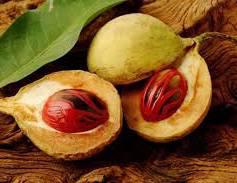
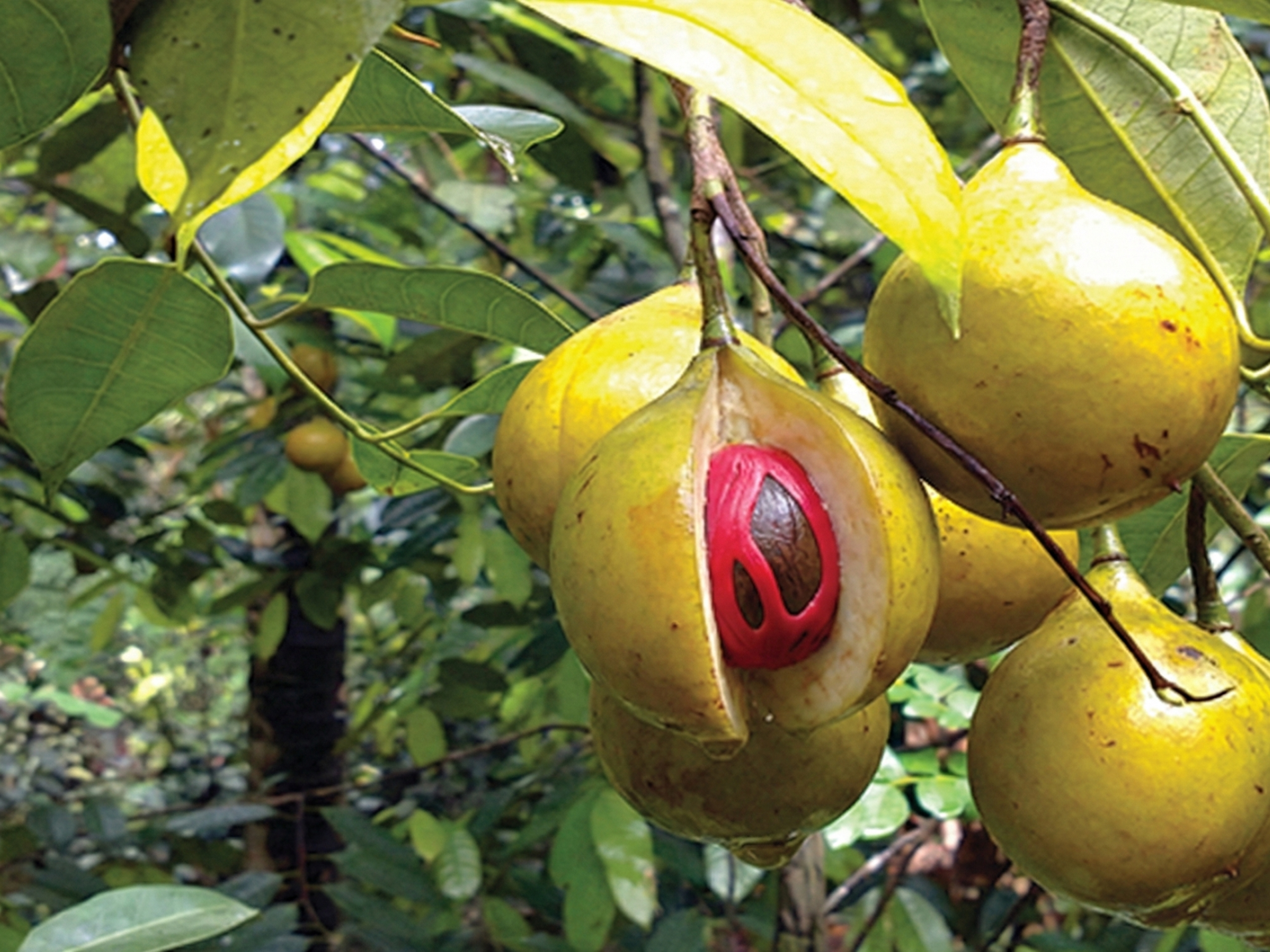
The nutmeg fruit, when ripe, splits open to reveal a lustrous, dark brown seed – the nutmeg itself, known in Icelandic as múskat krydd. Encasing this seed is a vibrant, scarlet, lacy aril: mace. The delicate, nuanced flavor of mace is often described as a more refined, floral version of nutmeg, with hints of pepper and pine. When we speak of mace hps (High Purity Spice), we refer to the premium quality, whole mace blades, carefully harvested and dried to preserve their exquisite aroma and potency – a true mark of distinction for any culinary enthusiast.
The Indonesian nutmeg, or isa nutmeg, is celebrated globally for its rich, warm, and sweet aroma, making it indispensable in both savory and sweet dishes. Beyond the kitchen, nutmeg holds fascinating compounds. One such compound, מיריסטיצין (myristicin), contributes to its unique aroma and has been a subject of scientific interest for its potential properties. These twin spices, born from the same tree, represent the pinnacle of Indonesia’s natural bounty.
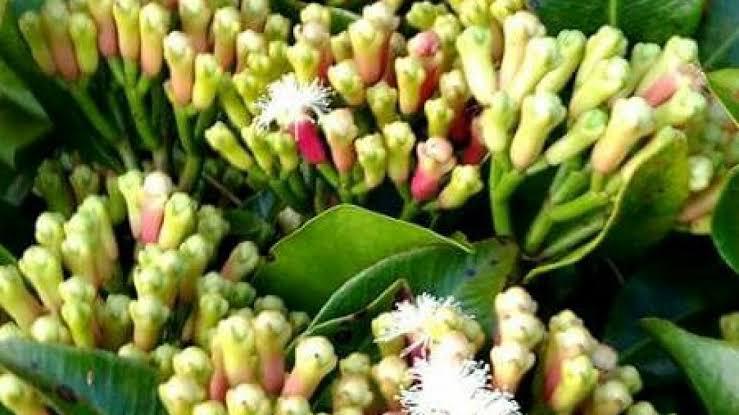
Journey eastwards from the Banda Islands, and you arrive in the Maluku Islands, home to another star of the spice world: the clove (cengkeh). These aromatic flower buds, harvested before they bloom, burst with a powerful, pungent, and intensely warm flavor. Historically, cloves were not only used to season food but also for their potent medicinal properties, particularly as an analgesic and antiseptic. Ancient Chinese texts speak of courtiers holding cloves in their mouths to freshen breath before addressing the emperor, highlighting their revered status.
The deep, earthy notes of cloves are essential to countless cuisines worldwide, from spiced meats and rice dishes to mulled wines and festive desserts. Their presence is unmistakable, adding warmth and depth that can transform a simple recipe into a culinary masterpiece. The story of cloves is intertwined with the fortunes of empires, with fierce competition for control over their cultivation leading to wars and colonization.
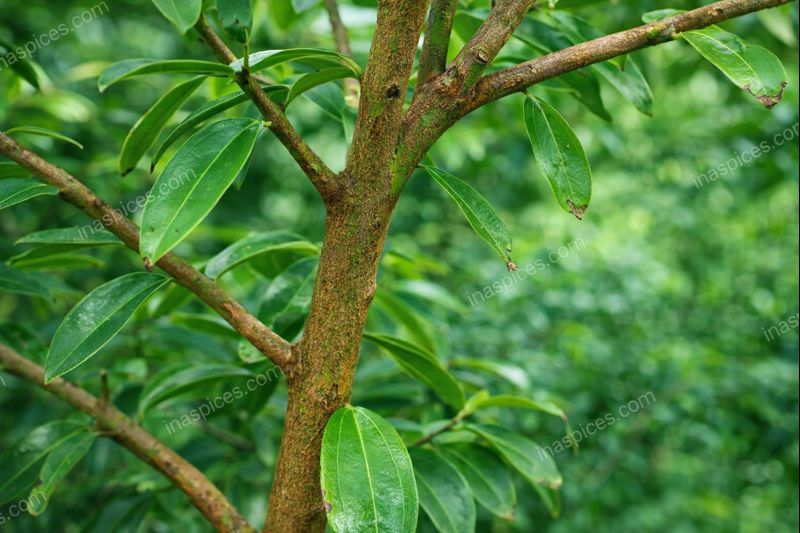
While often associated with Sri Lanka, Indonesia also boasts a significant production of cinnamon (kayu manis), particularly Cassia cinnamon, which offers a robust, sweet, and slightly spicy flavor. This ancient spice, derived from the inner bark of specific trees, has been cherished since antiquity, mentioned in Egyptian papyri and biblical texts. Its aromatic qualities made it prized for embalming, perfumes, and as a medicinal herb, long before it found its way into our kitchens.
Cinnamon’s versatility is astonishing. It lends its distinctive sweetness to desserts, pastries, and beverages, yet it also harmonizes beautifully with savory dishes, curries, and stews, providing a complex warmth. The very scent of cinnamon evokes comfort, celebration, and nostalgia, a testament to its timeless appeal across cultures.
The influence of these incredible spices in various aspects of human life cannot be overstated. From the humble kitchens of island villages to the grand banquets of royalty, their presence has been a constant, enriching force.
Long before modern pharmaceuticals, these spices were the cornerstone of traditional medicine. Cloves were used for dental pain, nutmeg for digestive issues, and cinnamon for its anti-inflammatory properties. This profound understanding of their therapeutic potential shaped healing practices across continents. Today, scientific research continues to explore the numerous health benefits attributed to these ancient remedies.
In the culinary world, spices in food are the soul of flavor. They are the secrets behind vibrant curries, fragrant rice dishes, intricate pastries, and comforting beverages. Consider the warm embrace of nutmeg in a béchamel sauce or sprinkled over a morning coffee. Marvel at the depth cloves add to a Christmas ham or a gingerbread cookie. And the elegant sweetness of cinnamon elevates everything from apple pies to complex spice blends. These aspices elevate mundane ingredients to extraordinary culinary experiences.
Beyond traditional cooking, these spices also find their way into modern confectionery. The exotic charm of sweets like lokum, or Turkish delight, often features hints of rosewater and subtle spice notes, demonstrating the global integration of these Indonesian treasures into diverse dessert traditions. Even in fragrance, the warm, woody, and sweet notes of nutmeg, mace, and cinnamon are highly prized, adding depth and complexity to perfumes and essential oils.
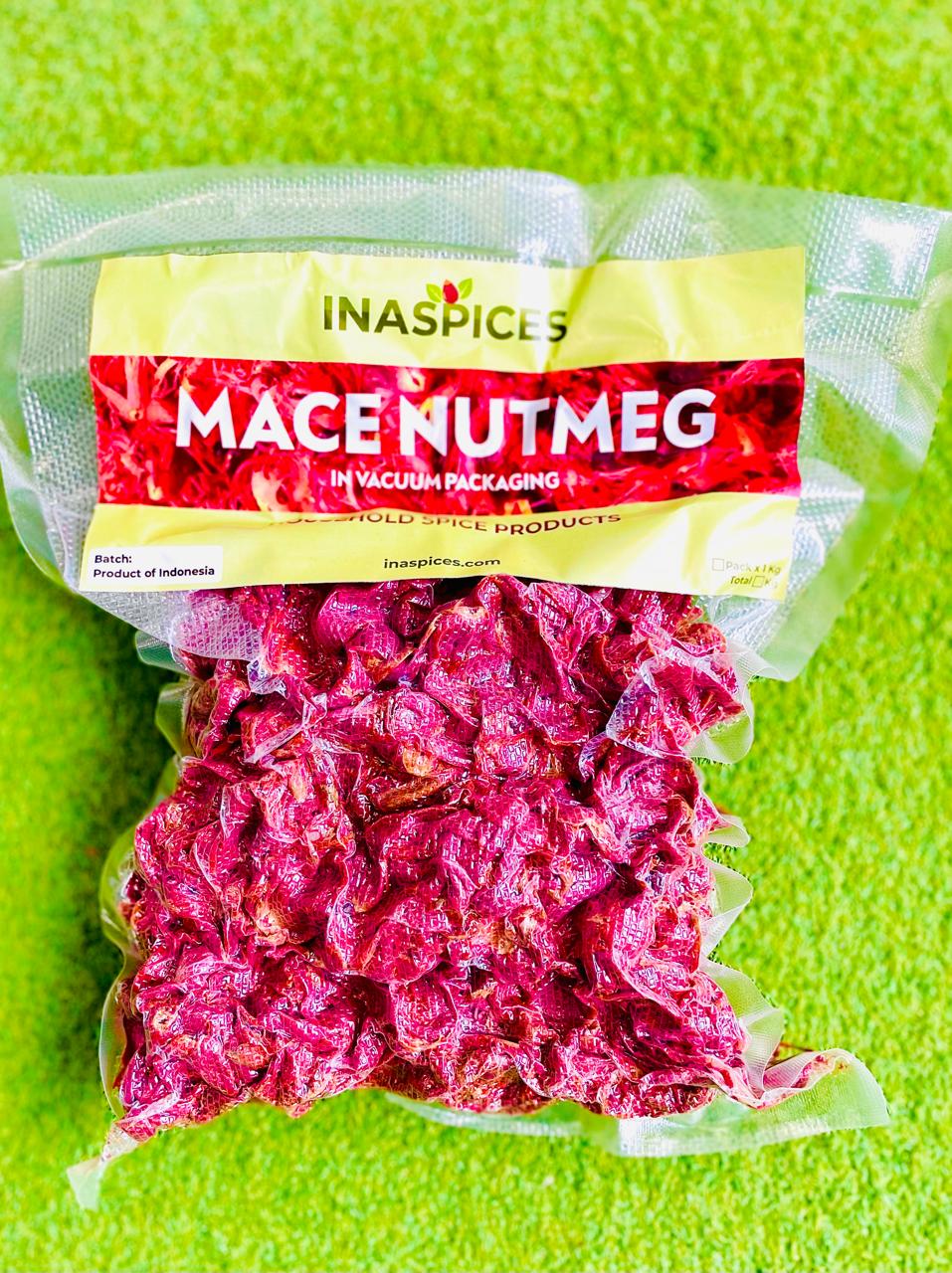
When it comes to experiencing the true essence of these spices, quality is paramount. This is particularly true for mace. Mace HPS (High Purity Spice) is a designation that speaks volumes about the care and expertise involved in its production. It signifies mace that has been meticulously selected, processed, and graded to ensure the highest standards of purity, aroma, and flavor. Whole, unbroken blades of mace not only retain their volatile oils better but also signify careful handling from harvest to packaging. Such premium quality spices offer a depth of flavor that inferior products simply cannot match, ensuring that every dish or application benefits from their full, unadulterated essence.
Today, Indonesia remains a vital source of these prized spices. The legacy of the Spice Route continues, but with a modern emphasis on sustainable farming practices, fair trade, and quality control. Local farmers, inheritors of generations of wisdom, cultivate these precious crops with dedication, ensuring that the world can continue to enjoy their magic. The lush volcanic soils and ideal climate of islands like Sulawesi, Sumatra, and the Malukus provide the perfect environment for these plants to thrive, yielding spices of unparalleled quality.
From the ancient volcanic soils that nurture the nutmeg trees of Banda to the clove-laden hills of Ternate and Tidore, Indonesia’s commitment to its spice heritage is unwavering. This commitment ensures that every pinch of nutmeg, every sliver of mace, every bud of clove, and every stick of cinnamon carries with it not just exquisite flavor, but also a piece of a truly remarkable history.
The journey of these spices from the fertile lands of Indonesia to kitchens and apothecaries worldwide is a narrative of adventure, culture, and profound connection. They remind us that some of the greatest treasures are found not in gold or jewels, but in the aromatic gifts of nature.
To experience the authentic richness of these Indonesian treasures, we warmly invite you to explore the exquisite selection of spices available at inaspices.com. Discover premium quality nutmeg, mace, cloves, and cinnamon, meticulously sourced to bring the true essence of Indonesia’s spice heritage directly to your home. Elevate your culinary creations and embrace the flavors that have captivated the world for centuries.