
Upload images to this post to show gallery.
From time immemorial, the whispers of distant lands have carried the intoxicating aromas of exotic spices, beckoning adventurers, traders, and empires across vast oceans. At the very epicentre of this fragrant saga lies Indonesia, an archipelago blessed with fertile volcanic soil and a tropical climate, making it the original home to some of the world’s most coveted treasures: nutmeg, mace, cloves, and cinnamon. This is not just a tale of flavour; it is a grand narrative of discovery, conflict, and cultural exchange, deeply rooted in the sejarah jalur rempah, the ancient spice routes that shaped civilizations.
The quest for these precious commodities ignited fierce rivalries among European powers, transforming humble islands into battlegrounds and their indigenous inhabitants into pawns in a global game of dominance. Yet, through centuries of change, the soul of these spices – their unique taste, aroma, and profound cultural significance – has remained intact, a true pusaka rempah, a cherished heritage that continues to enrich cuisines and cultures worldwide. Join us as we delve into the captivating history, unique characteristics, and enduring appeal of these legendary Indonesian spices.
Imagine an island so small, yet so valuable, that nations would wage wars over its control. Such was the fate of the Banda Islands, the sole original source of nutmeg (Myristica fragrans) and its delicate sister, mace. For centuries, these islands were the most coveted pieces of land on Earth, holding the monopoly over a spice once more valuable than gold.
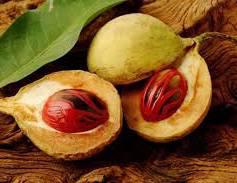
The nutmeg fruit itself is a marvel, resembling a small apricot. When ripe, it splits open to reveal a dark brown seed – the nutmeg – encased in a vibrant red, lacy aril. This aril is mace, and its delicate flavour is distinct from the more robust, warm notes of nutmeg. The journey of múskat krydd, or nutmeg spice, from its humble origins in Banda to the grand kitchens of Europe and beyond is a testament to its irresistible charm. It became a symbol of wealth and status, believed to ward off the plague, and indispensable in both sweet and savoury dishes.
The processing of nutmeg and mace is an art form passed down through generations. After harvesting, the mace is carefully peeled from the nutmeg seed and dried, traditionally in the sun, turning from crimson to a delicate orange-yellow. Quality grades like Mace HPS (High Purity Select) signify the finest whole mace blades, prized for their intact structure and intense flavour. The nutmeg seeds are dried separately until the kernel rattles inside its shell, then cracked open to extract the precious kernel. For discerning palates and product purity, sourcing authentic ISA Nutmeg, often referring to nutmeg from specific Indonesian regions known for superior quality, is crucial.
Beyond its culinary appeal, nutmeg has long held a place in traditional medicine. It contains compounds such as מיריסטיצין (myristicin), which contribute to its distinctive aroma and have been studied for their potential health benefits, including anti-inflammatory and antioxidant properties. However, moderation is key, as large quantities of myristicin can have psychoactive effects, a fact that added to the spice’s mystique in ancient times.
Standing tall as evergreen trees, clove (Syzygium aromaticum) plants produce small, reddish-brown flower buds that, when dried, become the pungent and highly aromatic spice we know and love. Hailing from the Moluccas, specifically the islands of Ternate and Tidore, cloves were among the first spices to lure distant traders to Indonesia’s shores, sparking the global sejarah rempah rempah di indonesia.
For millennia, cloves were valued not only for their use in cooking but also for their medicinal properties. Ancient Chinese emperors reportedly required courtiers to hold cloves in their mouths to freshen their breath when addressing them. In traditional Indonesian medicine, cloves are used for their analgesic and antiseptic qualities, particularly for dental pain. They are a staple in savory dishes, enhancing the depth of curries, stews, and braised meats, and also lend their warmth to mulled wines and festive baked goods.
The cultivation of cloves is labour-intensive. The buds must be hand-picked before they open, ensuring maximum flavour and aroma. Once dried, they become hard, dark brown, and nail-shaped, ready for trade. The rich oil derived from cloves, eugenol, is highly prized in perfumery, cosmetics, and dentistry, showcasing the versatility of these tiny, potent buds. The consistent demand for high-quality Indonesian cloves reflects their unparalleled flavour profile and aroma, making them a cornerstone of the global “spices in” trade.
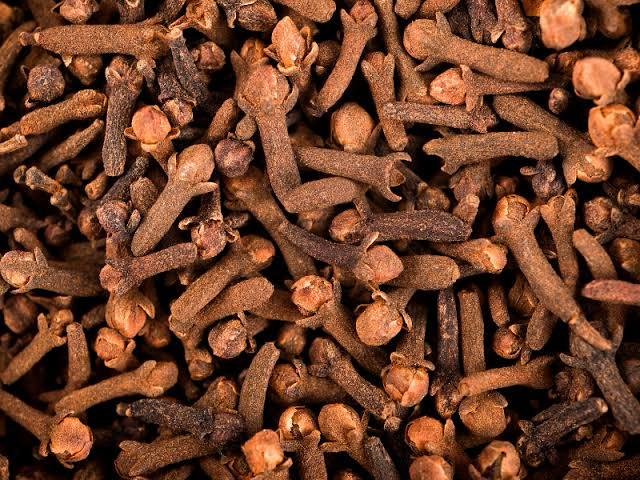
Premium dried clove buds, a testament to Indonesia’s rich spice heritage.
While Ceylon (true) cinnamon (Cinnamomum verum) often gets the spotlight, Indonesian cassia cinnamon (Cinnamomum burmannii) holds its own as a widely cherished spice, particularly in many parts of the world. Known for its stronger, spicier flavour and aroma, it’s the cinnamon most commonly found in North American and European kitchens, adding warmth and sweetness to countless dishes.
The history of cinnamon is as ancient as trade itself, with references dating back thousands of years. It was mentioned in ancient Egyptian texts, used for embalming and as a fragrance, and was a highly prized commodity on the overland trade routes before the maritime spice routes fully developed. Indonesian cinnamon, or kayu manis as it’s known locally, thrives in the lush highlands, where its bark is meticulously harvested and rolled into quills upon drying.
The distinctive sweet and woody notes of cinnamon make it a versatile spice. It’s essential in a vast array of desserts, from apple pies to rice puddings, and provides a comforting warmth to beverages like chai tea and hot chocolate. Beyond sweet treats, it’s a critical component in many savory dishes, including North African tagines, Indian curries, and Middle Eastern stews. Its ability to bridge the gap between sweet and savory is famously highlighted in confections like Lokum, or Turkish Delight, where cinnamon often provides a delicate, aromatic counterpoint to the sweetness.
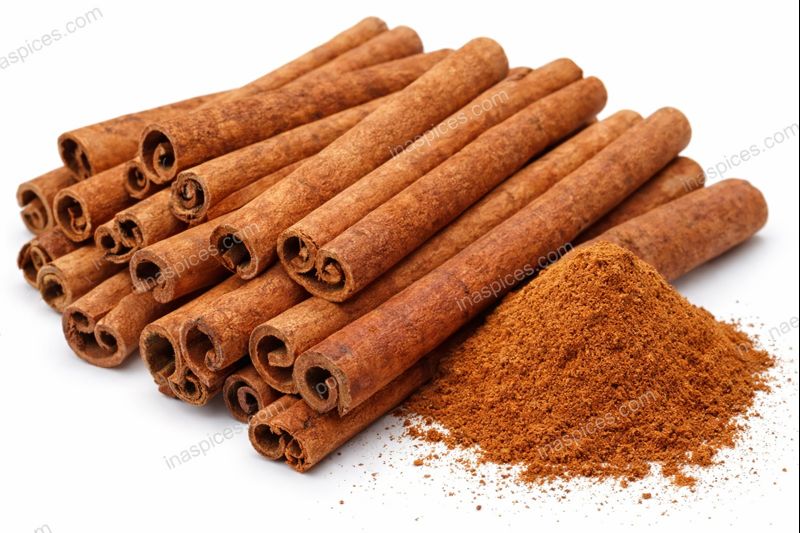
Indonesian cinnamon, or kayu manis, ready to infuse your dishes with warmth and sweetness.
The narrative of nutmeg, mace, cloves, and cinnamon is more than just a culinary journey; it is a profound exploration of human ambition, cultural exchange, and the unparalleled bounty of nature. These spices, born from Indonesia’s fertile lands, have not only seasoned our food but also enriched our languages, inspired our art, and shaped our collective history. They stand as a testament to the enduring power of flavour and fragrance to connect distant worlds.
Today, Indonesia remains a pivotal player in the global spice market, continuing its legacy as a primary source for these aromatic treasures. The country’s commitment to sustainable farming practices and quality control ensures that the rich heritage of its pusaka rempah is preserved for future generations. When you encounter “a spices” originating from Indonesia, you are not just tasting an ingredient; you are experiencing centuries of history, culture, and dedicated craftsmanship.
The complex interplay of climate, soil, and traditional knowledge in Indonesia produces spices with a distinct character and depth that is unmatched. Whether it’s the intense warmth of Indonesian cassia cinnamon, the dual enchantment of nutmeg and mace from the storied Banda Islands, or the fiery fragrance of Moluccan cloves, each spice carries the authentic essence of its homeland.
These ancient gifts from the Indonesian archipelago continue to inspire chefs, home cooks, and food enthusiasts around the globe. They remind us that the simple act of seasoning a dish can be a bridge to distant histories and vibrant cultures. The true value of these spices in our modern world lies not just in their flavour, but in the rich tapestry of stories they carry, echoing the journeys of ancient mariners and the dreams of empires.
If you’re inspired to explore the authentic flavours of Indonesia and bring the rich history of these incredible spices into your own kitchen, look no further. For premium quality, sustainably sourced nutmeg, mace, cloves, and cinnamon, we wholeheartedly recommend visiting inaspices.com. They offer a direct link to the genuine taste and tradition of Indonesian spices, ensuring that every pinch and dash carries the legacy of the Spice Islands directly to your home. Discover the difference that true heritage and unparalleled quality can make.