
Upload images to this post to show gallery.
In the vast tapestry of global gastronomy and ancient trade, few regions shimmer with as much mystique and allure as the archipelago of Indonesia. This equatorial paradise, a crossroads of cultures and climates, has for centuries been the undisputed heartland of the world’s most coveted spices. Among these fragrant treasures, Nutmeg (Pala), Mace (Bunga Pala), Cloves (Cengkeh), and Cinnamon (Kayu Manis) stand as pillars, each with a rich history woven into the very fabric of human civilization, health, and economic prosperity.
Embark with us on a journey back in time, tracing the aromatic trails that led explorers, traders, and empires to Indonesia’s shores. Discover the profound impact these precious commodities have had, not just in the kitchen, but in medicine, culture, and the grand narrative of our shared past.
The tale of Indonesian spices is inseparable from the epic saga of the Spice Route, a network of sea and land trade paths that connected the East and West for millennia. For centuries, the demand for exotic flavors and medicinal properties spurred daring expeditions, sparked conflicts, and forged unimaginable wealth. The phrase “sejarah jalur rempah” (history of the spice route) perfectly encapsulates this era of discovery and fierce competition. From the ancient Egyptians who used spices for embalming, to the Romans who prized them for culinary extravagance, the lure of the East was undeniable.
Indonesia, particularly the Moluccas, famously known as the “Spice Islands,” was the ultimate prize. The “sejarah rempah rempah di indonesia” is a chronicle of indigenous wisdom, sophisticated agricultural practices, and the profound impact of colonial powers eager to control the source of these valuable commodities. This profound connection to the land and its bounty forms Indonesia’s enduring “pusaka rempah” – a legacy of spice heritage that continues to enrich the world.
It was here that the world found the exclusive sources of nutmeg and cloves, sparking a global race that reshaped maps and altered the course of human history. The desire to control the supply of these precious ingredients led to the establishment of vast trading empires and fueled countless voyages across treacherous seas.
From the tiny, volcanic islands of Banda in the Moluccas come two of the world’s most unique and versatile spices: nutmeg and mace. Both derive from the fruit of the Myristica fragrans tree, presenting a fascinating example of nature’s duality.
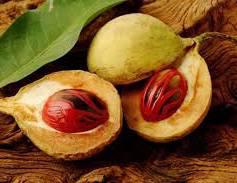
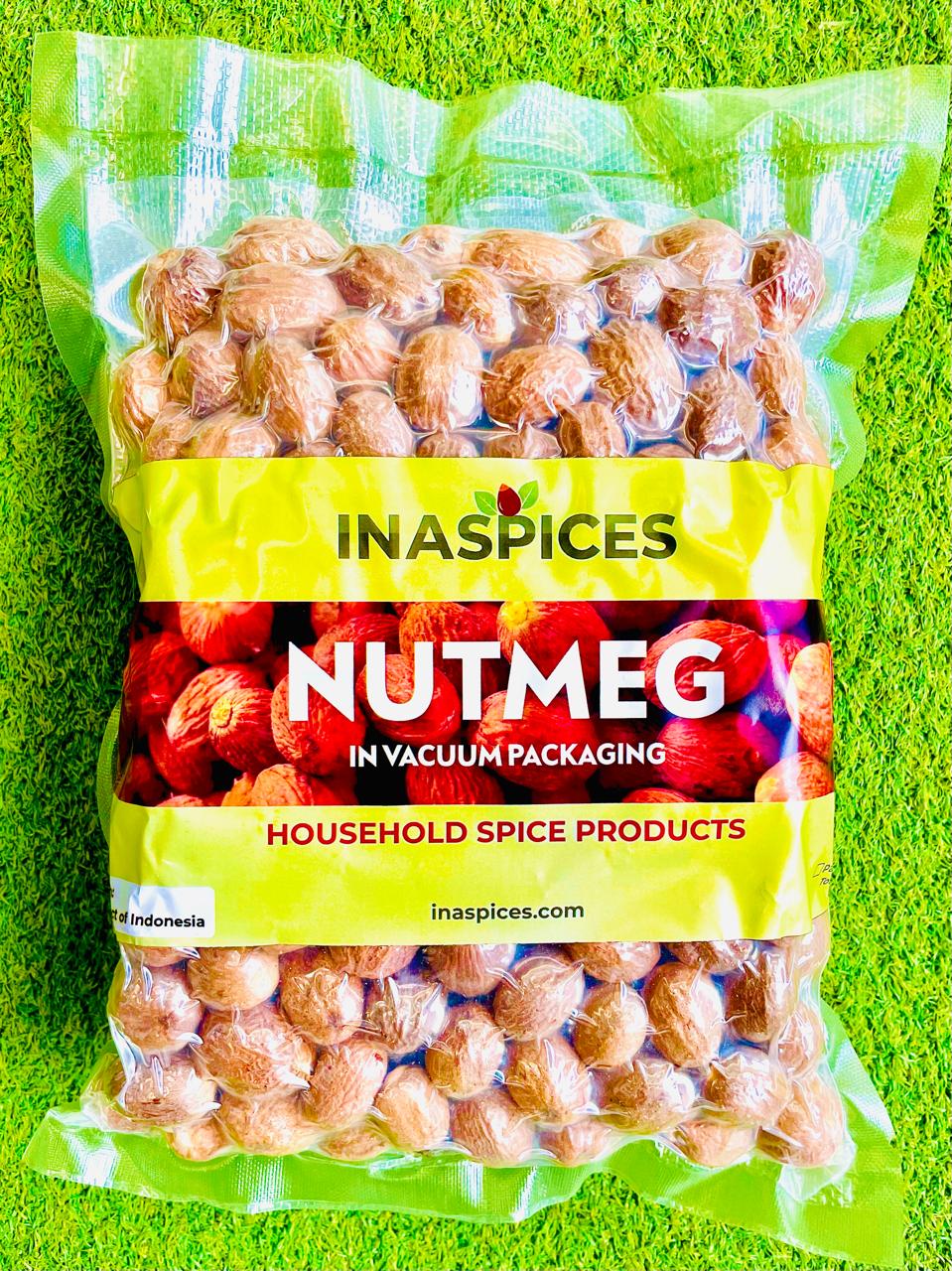
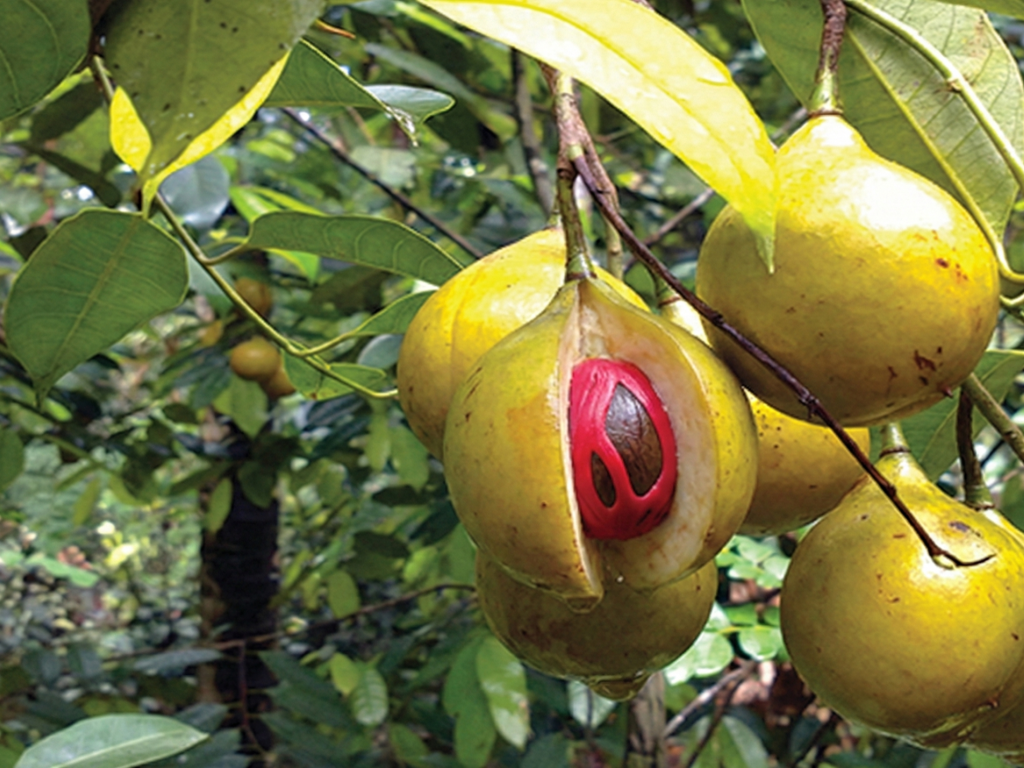
The nutmeg fruit, resembling an apricot, splits open upon ripening to reveal a dark brown seed – the nutmeg (Pala) itself – encased in a vibrant red, lace-like aril. This aril, carefully removed and dried, becomes mace (Bunga Pala). The distinct flavors, though related, offer different culinary experiences. Nutmeg is warm, sweet, and nutty, while mace offers a more delicate, subtly pungent, and fragrant profile. Quality grades like “mace hps” (Hand Picked Select) signify the meticulous care taken in harvesting and processing this delicate spice, ensuring only the finest reaches discerning kitchens worldwide.
Beyond their culinary appeal, nutmeg and mace have been revered for their medicinal properties for centuries. In traditional Indonesian medicine, they were used to treat digestive issues, insomnia, and pain. Modern science has begun to explore these traditional uses, focusing on compounds like מיריסטיצין (Myristicin), a natural organic compound found in nutmeg. While beneficial in small amounts, offering mild psychoactive effects and promoting relaxation, high doses can be toxic, a testament to the potency of these natural gifts.
Globally, nutmeg’s allure knows no bounds. From European custards and sauces to Middle Eastern stews, its presence is unmistakable. The Swedish call it “múskat krydd”, a testament to its universal appeal as a cherished spice in countless culinary traditions. When discussing top-tier quality, enthusiasts often seek out “ISA Nutmeg”, signifying a grade of nutmeg that meets the highest standards of aroma, flavor, and purity, often sourced directly from reputable Indonesian growers.
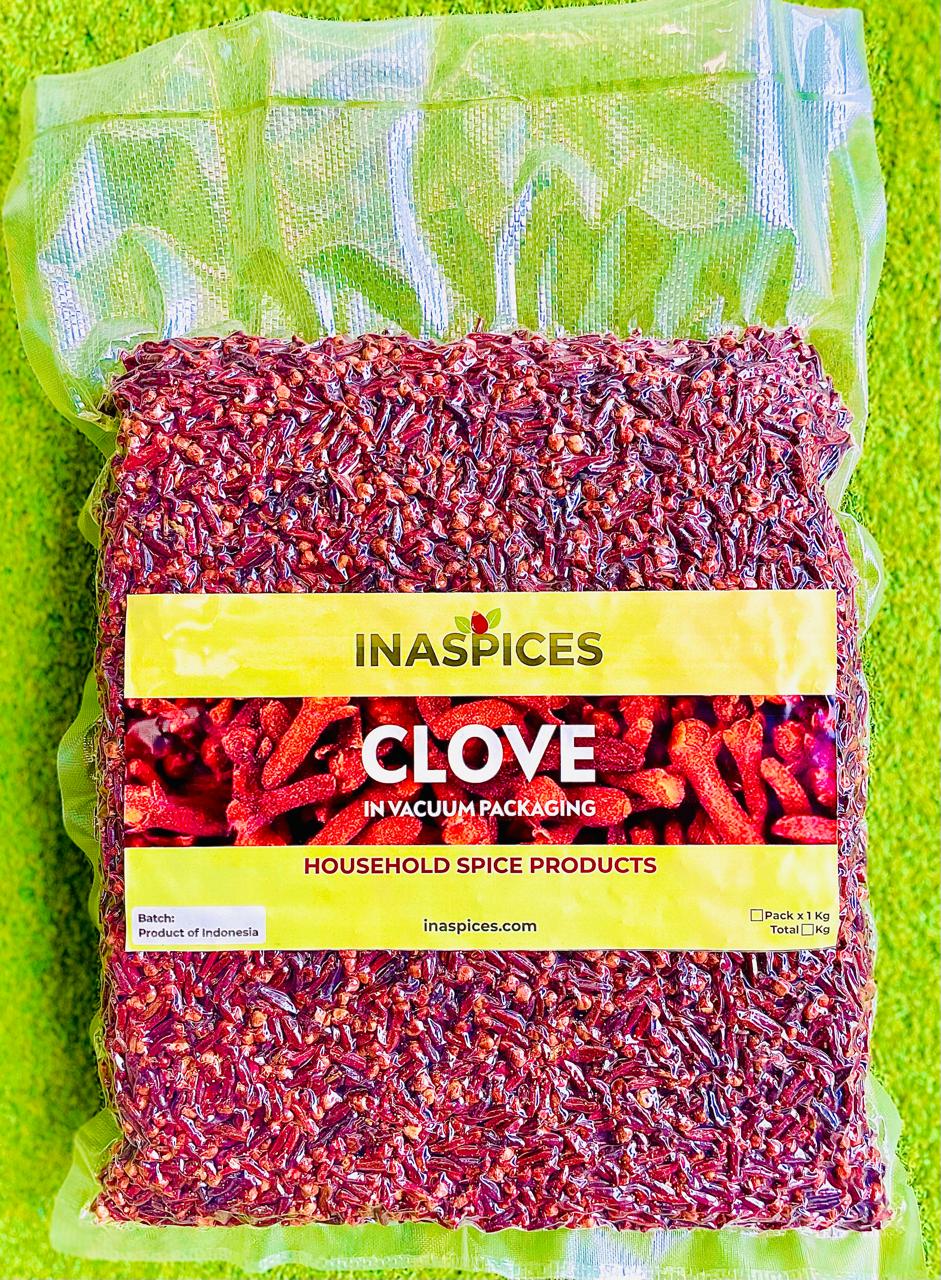
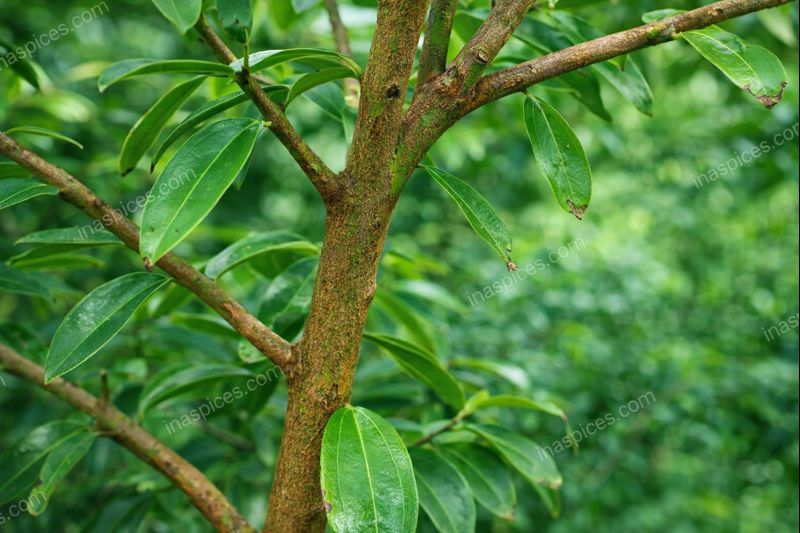
If nutmeg and mace were kings, cloves (Cengkeh) were their regal counterparts. These tiny, nail-shaped flower buds, harvested from the evergreen clove tree (Syzygium aromaticum), are indigenous to the Moluccas. Their intense aroma and distinctive pungent, sweet, and slightly bitter flavor have made them indispensable in kitchens and apothecaries across the globe for millennia.
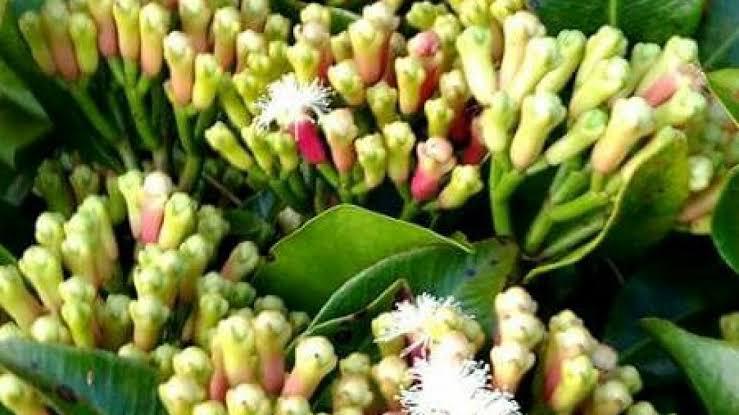
Young green clove buds on a tree branch, close-up.
Historically, cloves were among the most expensive “spices in” trade, valued for their powerful medicinal properties long before their culinary fame. Ancient Chinese texts describe their use as early as 200 BC for freshening breath and aiding digestion. Today, cloves are celebrated for their strong antioxidant, anti-inflammatory, and antimicrobial properties, largely attributed to their main active compound, eugenol.
From flavoring curries and braises in Indian cuisine to mulled wines and baked goods in Western traditions, cloves lend their unique warmth. They are also a cornerstone of traditional Indonesian kretek cigarettes, highlighting their deep cultural integration.
Cinnamon (Kayu Manis), derived from the inner bark of several tree species from the genus Cinnamomum, has a history as rich and ancient as any spice. While several varieties exist, Indonesian cinnamon, particularly Cassia cinnamon, is highly prized for its robust flavor and aromatic qualities.
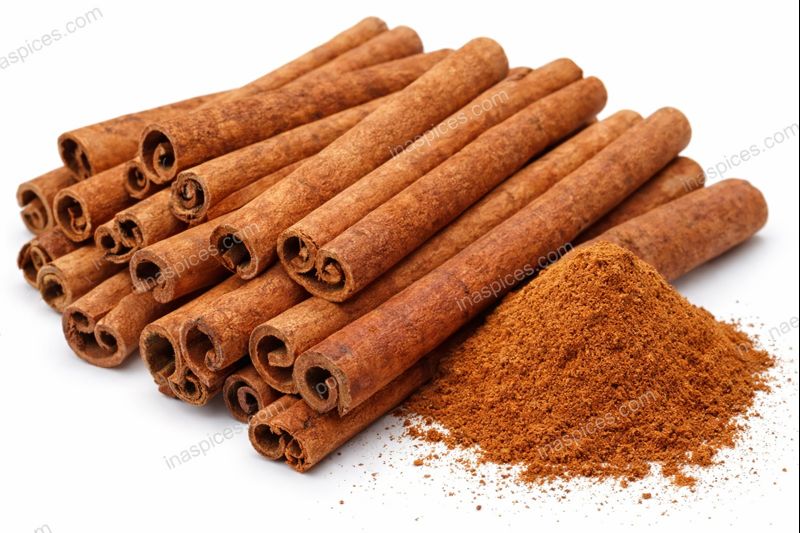
Dried cinnamon sticks and ground cinnamon powder, ready for use.
The process of obtaining cinnamon involves carefully peeling the inner bark, which then curls into quills as it dries. These fragrant quills, or the powdered spice derived from them, offer a sweet, woody, and slightly peppery flavor that is instantly recognizable. Ancient Egyptians used it in rituals and perfumes, while Romans regarded it as a symbol of status.
Cinnamon is a powerhouse of antioxidants and possesses significant anti-inflammatory properties. It has been extensively studied for its potential role in managing blood sugar levels, making it a valuable addition to a health-conscious diet. Traditional medicine systems around the world have long employed cinnamon for its warming qualities and digestive aid.
As one of the most widely used “aspices” globally, cinnamon finds its way into an astonishing array of dishes. It’s a staple in desserts, from apple pie to churros, and a key ingredient in savory dishes, from Moroccan tagines to Mexican moles. Its versatility is truly unparalleled.
The influence of these Indonesian treasures extends far beyond their immediate origins. They are the silent architects of global cuisine, the secret ingredients that elevate ordinary meals to extraordinary culinary experiences. The presence of these “spices in” dishes worldwide speaks volumes about their enduring appeal and adaptability.
Take, for instance, the delightful Turkish confection known as “lokum”, or Turkish delight. While often flavored with rosewater or lemon, variations incorporating cinnamon or nutmeg add a layer of complex warmth that showcases how these ancient spices continue to inspire modern delicacies. From hearty stews to delicate pastries, the rich palette of flavors offered by nutmeg, mace, cloves, and cinnamon ensures their perennial popularity.
The consistent demand for premium quality spices has also given rise to dedicated efforts to maintain standards. Whether it’s the rigorous selection process for “mace hps” or the meticulous sourcing for “ISA Nutmeg”, ensuring purity and potency remains paramount for producers and consumers alike.
Today, Indonesia remains a crucial player in the global spice market, committed to preserving its “pusaka rempah” through sustainable cultivation practices. Farmers employ traditional wisdom alongside modern agricultural techniques to ensure the longevity of their spice trees and the vitality of the ecosystem.
The journey of these spices from lush Indonesian plantations to kitchens worldwide is a testament to meticulous care, from hand-harvesting to careful drying and processing. This dedication ensures that each batch of nutmeg, mace, cloves, and cinnamon retains its potent aroma, flavor, and beneficial properties. The global market continues to thrive on the consistent supply of high-quality Indonesian “aspices”, cementing the archipelago’s role as a timeless source of culinary and medicinal wonders.
The magic of Indonesian spices is not merely a historical footnote; it’s a living, breathing tradition that continues to captivate and inspire. To truly appreciate the depth and complexity these spices offer, one must experience their authentic quality. Sourced from the very heart of Indonesia’s spice-rich lands, inaspices.com offers a curated selection of premium nutmeg, mace, cloves, cinnamon, and more.
Whether you’re a professional chef, a home cook, or an enthusiast of natural remedies, exploring the authentic flavors from inaspices.com is an invitation to bring the rich heritage and vibrant essence of Indonesia into your home. Discover the difference that true quality makes and embark on your own culinary adventure with spices that tell a story of millennia.
Upload images to this post to show gallery.
Kwasio ni lugha nzuri, lakini kwa madhumuni ya makala haya yanayolenga wasomaji wa kimataifa na injini za utafutaji, tutatumia Kiingereza kama lugha kuu, huku tukiunganisha maneno muhimu ya Kwasio na Kiindonesia yaliyotafsiriwa kwa usahihi kwa ajili ya SEO na uhalisi. Lugha inayofuata itakuwa Kiingereza.
The allure of spices has captivated humanity for millennia, driving exploration, fueling empires, and shaping cuisines across the globe. Among the most cherished of these aromatic treasures are those native to the Indonesian archipelago: nutmeg, mace, cloves, and cinnamon. These aren’t just mere flavor enhancers; they are woven into the very fabric of history, medicine, and culture, representing a legacy that continues to enchant the modern world.
Indonesia, often referred to as the “Spice Islands,” has been the epicenter of this fragrant saga. From the remote corners of the Maluku Islands to the bustling ports of Sumatra, the land has yielded riches beyond gold, enticing traders, explorers, and connoisseurs alike. This article delves into the captivating world of these four pivotal spices, exploring their historical significance, unique characteristics, health benefits, and their enduring presence in global markets.
The narrative of Indonesian spices begins centuries ago, long before European explorers set sail in search of new trade routes. The Maluku Islands, specifically the Banda Islands, were the original and sole source of nutmeg and mace, while cloves flourished in other parts of Maluku like Ternate and Tidore. This exclusivity made these spices extraordinarily valuable, driving a complex network of trade that stretched from Southeast Asia to the Middle East and Europe. This intricate web is famously known as the sehemu ya historia ya njira ya bilai o (spice route), a testament to the human desire for exotic flavors and luxury goods.
The demand for these aromatic wonders led to fierce competition and colonial ambitions. Empires rose and fell, and vast fortunes were made and lost, all in pursuit of control over these precious commodities. The sehemu ya historia ya bilai o o Indonesia is replete with tales of daring voyages, brutal conflicts, and cultural exchanges, highlighting the profound impact these small seeds and dried buds had on world affairs. The Dutch, in particular, fought tooth and nail to maintain their monopoly over nutmeg and cloves, leading to periods of intense exploitation and control over the local populations.
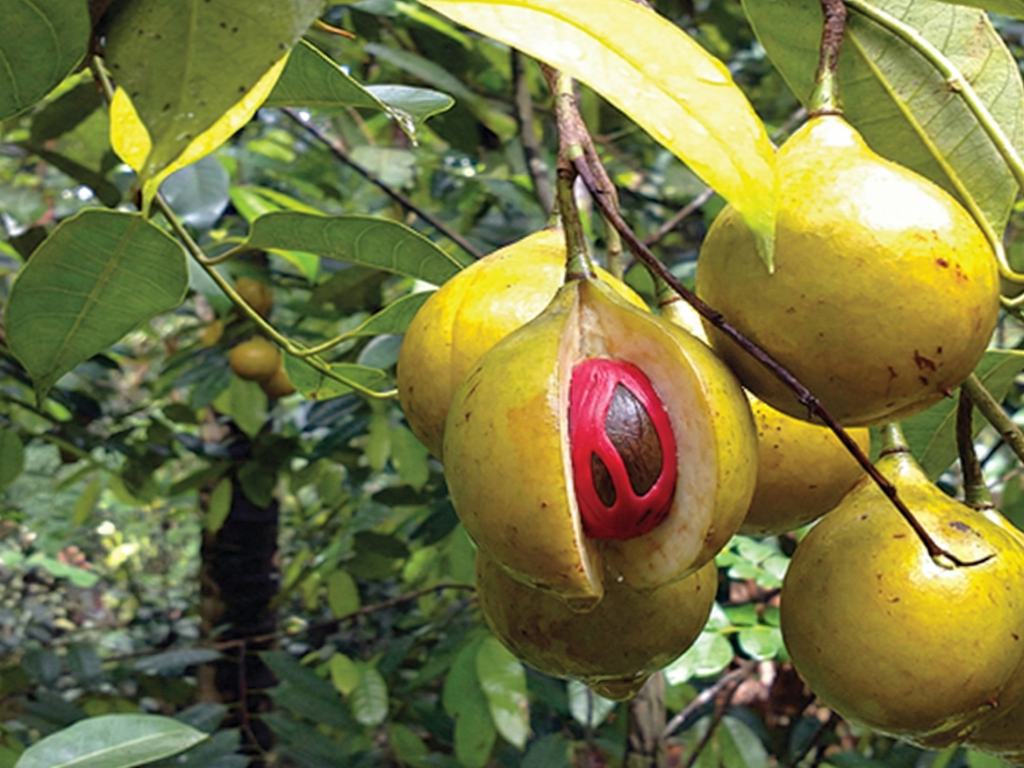
Nutmeg (Pala) and mace (Bunga Pala) are perhaps the most unique pair in the spice world, as they both originate from the same fruit of the Myristica fragrans tree. The nutmeg tree is indigenous to the Banda Islands of Indonesia, a fact that historically made these islands the focal point of European imperial ambitions. The fruit itself resembles an apricot, splitting open when ripe to reveal a hard, dark-brown seed—the nutmeg—encased in a bright red, lacy aril, which is the mace.
The flavor profiles of nutmeg and mace, while similar, possess distinct characteristics. Nutmeg offers a warm, sweet, and slightly pungent flavor, often used in both sweet and savory dishes, from custards and baked goods to meat rubs and cream sauces. It’s an essential ingredient in many cuisines, contributing a distinctive aroma that is hard to replicate. The term múskat krydd, meaning nutmeg spice, perfectly encapsulates its widespread culinary appeal.
Mace, on the other hand, is more delicate and refined, with a subtler, peppery, and flowery taste. It’s often preferred in lighter dishes where its nuanced flavor can truly shine, such as in seafood, poultry, and certain traditional Indian and European baked goods. High-quality mace, often referred to as mace ya HPS (Hand Picked Select), signifies its superior grade, characterized by vibrant color and intact lacy structure. This distinction is crucial for chefs and food manufacturers seeking the best possible aroma and flavor for their creations.
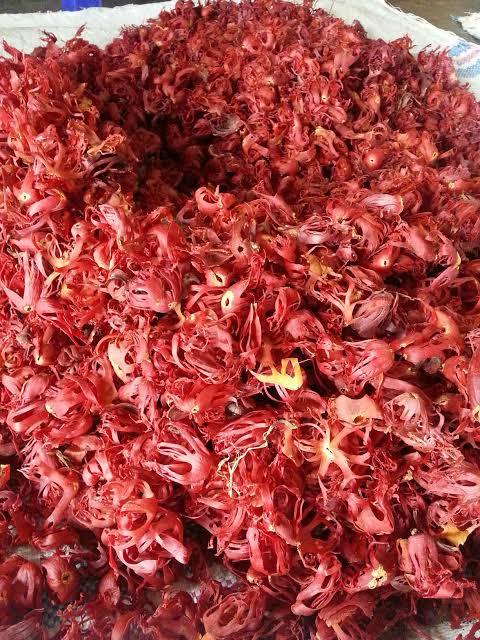
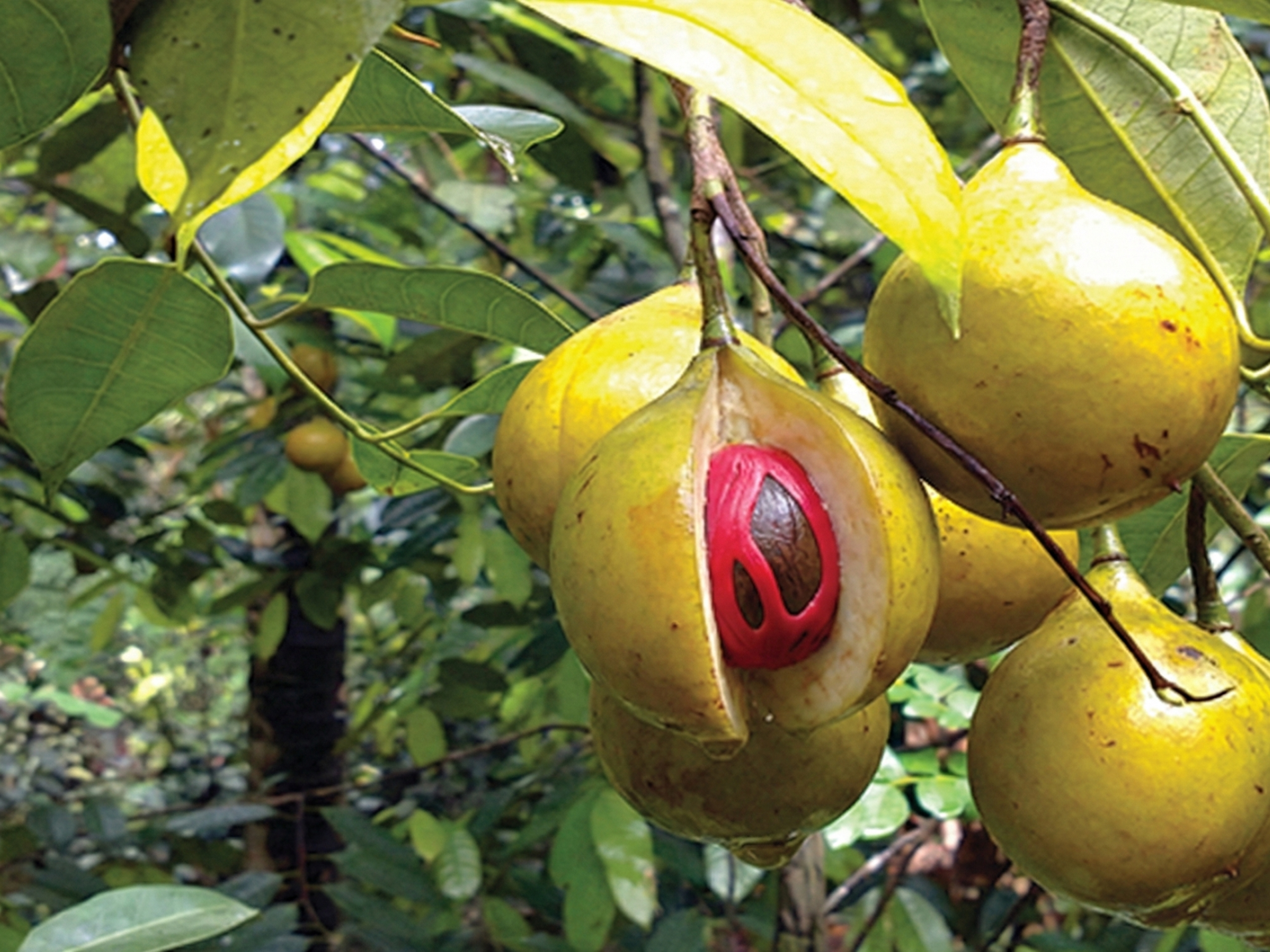
Beyond their culinary uses, nutmeg and mace are revered for their medicinal properties. Nutmeg, in particular, contains a compound called Myristicin. This organic compound is responsible for much of nutmeg’s distinctive aroma and flavor, but it also has mild psychoactive effects in large doses, which has led to its historical use in traditional medicine as a stimulant and aphrodisiac, though excessive consumption is not recommended.
In traditional Indonesian medicine, both nutmeg and mace have been used to treat various ailments, including digestive issues, insomnia, and pain. Their warming properties are believed to aid circulation and provide comfort. Modern research continues to explore the antioxidant and anti-inflammatory properties of these spices, further solidifying their place not just in the kitchen, but in the realm of natural wellness. When we talk about isa muskat (quality nutmeg), we’re not just referring to flavor, but also to the potent beneficial compounds it contains.
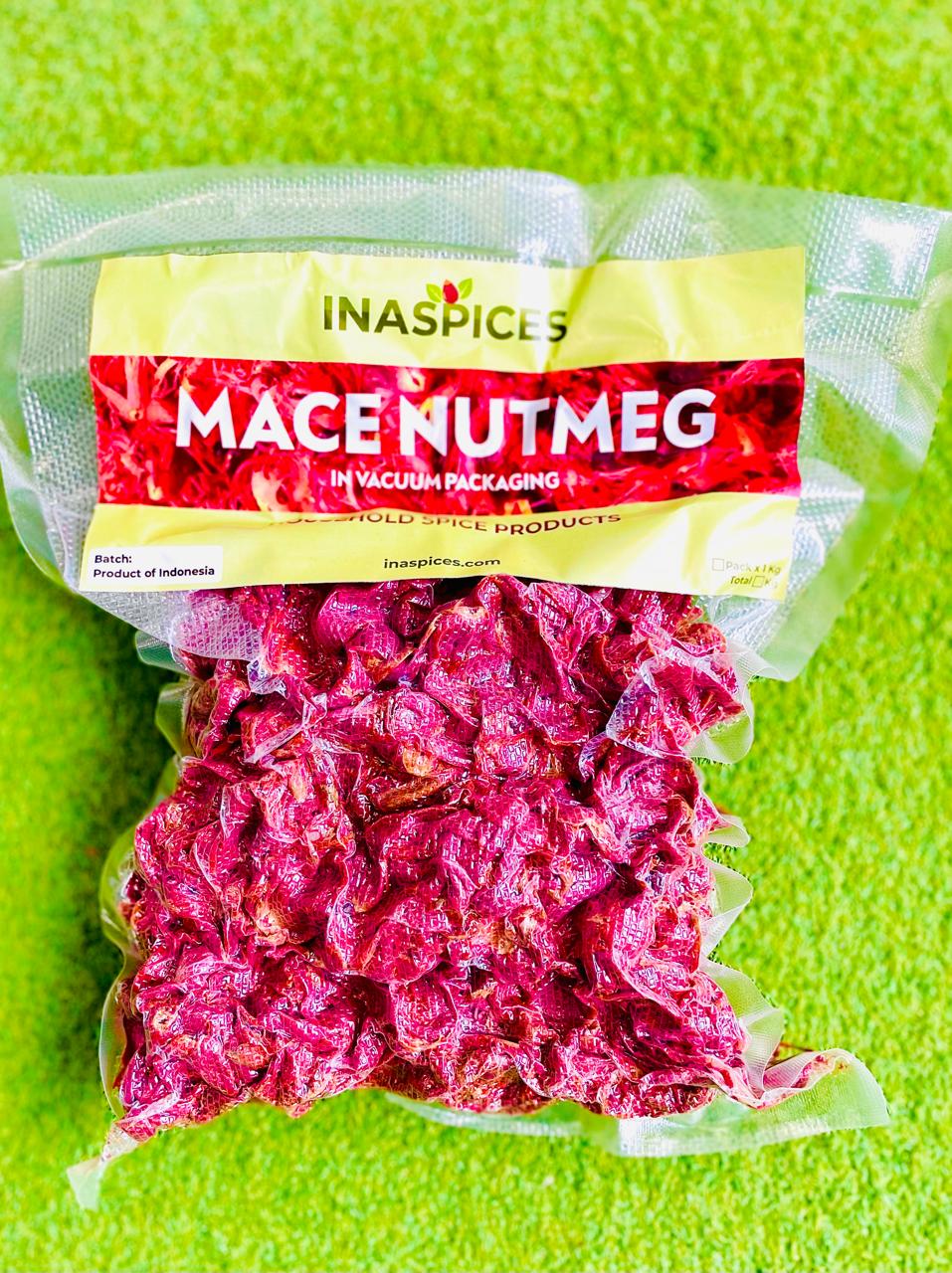
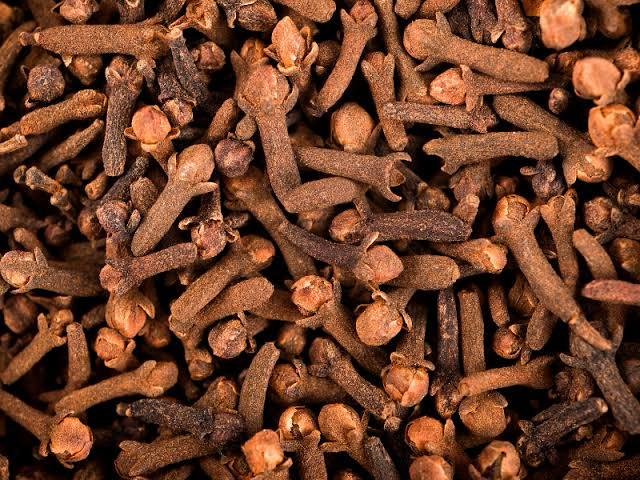
Cloves (Cengkeh) are the dried flower buds of the clove tree (Syzygium aromaticum), native to the Maluku Islands of Indonesia. These small, nail-shaped buds possess an intensely aromatic, warm, and sweet flavor with a pungent undertone, making them indispensable in cuisines worldwide. Historically, cloves were as coveted as gold, with entire islands being traded for control over their production.
The history of cloves is rich with trade and intrigue, as they were among the first spices to reach distant lands, finding their way to ancient China and the Roman Empire. In Indonesia, cloves are not only a culinary staple but also integral to traditional kretek cigarettes. Globally, cloves feature prominently in spice blends, mulled wines, various meat dishes, and an array of desserts. Their essential oil, rich in eugenol, is highly valued in dentistry for its analgesic and antiseptic properties, further cementing cloves’ dual role in gastronomy and medicine.
Cinnamon (Kayu Manis) is one of the oldest and most widely used spices, derived from the inner bark of several tree species from the genus Cinnamomum. While Sri Lanka is famous for Ceylon cinnamon, Indonesia is a major producer of Cassia cinnamon, known for its stronger, spicier, and less subtle flavor. This robust aroma makes Indonesian cinnamon a favorite for many culinary applications, especially in baked goods, stews, and savory dishes.
The history of cinnamon is just as storied as that of nutmeg and cloves, with evidence of its use dating back to ancient Egypt for embalming and flavoring. Its global journey highlights its versatility and universal appeal. From flavoring festive desserts and beverages to enhancing savory curries and meat dishes, cinnamon’s sweet and woody notes are unmistakable. Its presence in global delicacies, even those as specific as Turkish delight, or lokum, demonstrates the spice’s pervasive influence across different culinary traditions, adding depth and warmth to a wide range of recipes.
Traditionally, cinnamon has been used for its medicinal properties, including its potential to help regulate blood sugar, reduce inflammation, and act as an antioxidant. Its comforting aroma is also utilized in aromatherapy, making it a spice that appeals to all senses.
The journey of these spices—nutmeg, mace, cloves, and cinnamon—from the remote Indonesian islands to kitchens around the world is a testament to their enduring appeal. They are the quintessential bilai o o (spices in) countless recipes, providing depth, warmth, and an exotic touch. Whether it’s a pinch of nutmeg in a béchamel sauce, whole cloves studding a holiday ham, or a dash of cinnamon in a morning coffee, these bilai o (spices) transcend cultural boundaries.
Their versatility means they are utilized in myriad ways globally. From enhancing the complex flavors of Indian curries to adding a fragrant dimension to European pastries, their contribution to gastronomy is immense. Even in specialized confections like lokum, a Turkish delight, a hint of cinnamon or clove can elevate the experience, showcasing how these ancient spices continue to find new expressions in modern culinary arts.
The collective knowledge and traditional practices surrounding these spices represent a significant Maseka ya bilai o (heritage of spices) for Indonesia. Preserving this heritage is crucial, not only for maintaining biodiversity and sustainable farming practices but also for safeguarding the unique flavors and aromas that have defined these spices for centuries. Indonesia continues to be a vital source, ensuring that the world has access to these authentic and potent ingredients.
Modern agricultural efforts focus on sustainable cultivation, ensuring that future generations can continue to enjoy and benefit from these precious resources. This includes supporting local farmers and promoting ethical sourcing, which are critical for maintaining the quality and integrity of Indonesian spices in the global market.
The appeal of Indonesian spices extends far beyond their country of origin. From the bustling marketplaces to the finest restaurants, the demand for quality nutmeg, mace, cloves, and cinnamon remains high. Exporters supplying products like isa muskat (high-quality nutmeg) and premium mace ya HPS ensure that consumers worldwide can experience the authentic taste of the Spice Islands. These spices are not just ingredients; they are cultural ambassadors, connecting people through shared flavors and ancient traditions.
The global spice market is dynamic, but the fundamental value of these Indonesian treasures endures. They are celebrated for their ability to transform simple dishes into extraordinary culinary experiences, carrying with them whispers of ancient trade routes and the rich history of their homeland.
Nutmeg, mace, cloves, and cinnamon are more than just spices; they are a legacy. Their journey from the volcanic soils of Indonesia to every corner of the globe is a story of adventure, conflict, and enduring appeal. They continue to enrich our food, heal our bodies, and connect us to a past filled with discovery and wonder. As we savor their complex flavors, we partake in a tradition that spans millennia, a truly global heritage emanating from the heart of the Indonesian archipelago.
For those eager to experience the authentic taste and aroma of these extraordinary Indonesian spices, we highly recommend exploring the curated selection at inaspices.com. Their commitment to quality ensures that you receive the finest nutmeg, mace, cloves, and cinnamon, directly from their source, bringing the true essence of the Spice Islands into your home.
Upload images to this post to show gallery.
In a world increasingly connected, where flavors from distant lands can be found in almost any kitchen, it’s easy to forget the epic journeys, the empires built and shattered, and the sheer audacity of human endeavor that brought these treasures to our tables. We speak, of course, of spices. From the mystical islands of Indonesia, a quartet of aromatic powerhouses – Nutmeg (Pala), Mace (Bunga Pala), Cloves (Cengkeh), and Cinnamon (Kayu Manis) – once ignited a global quest, shaping maps, cultures, and cuisines. These aren’t just mere seasonings; they are a pusaka rempah, a cherished heritage that tells a story as rich and complex as their flavors.
The tale of spices is synonymous with the sejarah jalur rempah, or the history of the Spice Route. For millennia, this intricate network of land and sea paths connected the East with the West, facilitating the exchange of not only goods but also ideas, technologies, and cultures. At the heart of this ancient trade lay the Moluccas, an archipelago in eastern Indonesia, famously dubbed the “Spice Islands.” This was the sole origin of nutmeg and cloves for centuries, a secret fiercely guarded by indigenous traders and later sought after by European powers with an insatiable hunger for these aromatic treasures.
The journey of these spices from their native soil to distant markets was fraught with peril and intrigue. Sailors braved treacherous seas, merchants navigated complex political landscapes, and explorers risked everything in pursuit of what was then considered more valuable than gold. Imagine the anticipation as ships laden with these fragrant cargoes finally reached European ports, their exotic aromas promising new culinary delights and medicinal wonders.
Let’s begin with the enigmatic duo: nutmeg and mace. Both derive from the same fruit of the Myristica fragrans tree, native to the Banda Islands of Indonesia. The nutmeg fruit, resembling an apricot, splits open when ripe to reveal a shiny dark brown seed – the nutmeg itself – encased in a brilliant crimson, lace-like aril. This aril is mace. The striking visual contrast, and their distinct yet related aromatic profiles, make them truly unique.
For centuries, the Banda Islanders held a global monopoly on these spices. The demand was immense, fueling the global economy and leading to fierce competition among colonial powers. The Dutch, in particular, went to extraordinary lengths, even trading the island of Run (one of the Bandas) with the British for Manhattan, just to secure their dominance over nutmeg production. This historical tidbit underscores just how pivotal these tiny islands and their precious harvest were in shaping world events.
In culinary terms, nutmeg offers a warm, sweet, and slightly woody flavor, making it a staple in both savory dishes and sweet treats. You might find it grated over creamy sauces, baked into pies, or sprinkled into comforting beverages. Mace, with its more delicate, ethereal, and subtly pungent notes, is often preferred in lighter dishes, seafood, or in baked goods where a less dominant spice profile is desired. We often see requests for high-quality mace, and terms like mace hps (High Purity Select) reflect the market’s demand for the finest specimens of this exquisite spice.
Beyond the kitchen, nutmeg has a long history in traditional medicine. It contains compounds like מיריסטיצין (myristicin), a natural organic compound that has been studied for its potential antioxidant and anti-inflammatory properties. Ancient texts and traditional healers across Asia and the Middle East have long valued nutmeg for its calming effects and digestive aid, illustrating why this spice, often referred to as múskat krydd in Icelandic, transcended mere culinary use to become an integral part of holistic well-being.
Another titan among Indonesian spices is cloves, the dried flower buds of the Syzygium aromaticum tree. Primarily originating from the Moluccas, especially islands like Ternate and Tidore, cloves boast an intensely aromatic, warm, and somewhat sweet flavor with a strong, pungent undertone. Their distinctive nail-like shape makes them easily recognizable, and their aroma alone can transport you to exotic spice markets.
The history of cloves, much like nutmeg, is deeply intertwined with the sejarah rempah rempah di indonesia. From early Arab traders to later European explorers, cloves were a prize worth fighting for. They were used not only to flavor food but also as a preservative, a breath freshener, and an ingredient in traditional Chinese medicine for thousands of years. The sheer power of their flavor meant that even a small amount could transform a dish, making them highly sought after.
In the culinary world, cloves are incredibly versatile. They enhance roasted meats, infuse warmth into mulled wines and ciders, and add depth to baked goods like gingerbread. Beyond the kitchen, cloves are a powerhouse of health benefits. They are rich in antioxidants, particularly eugenol, which gives them their distinctive aroma and potent anti-inflammatory properties. Clove oil is a common ingredient in dental care due to its analgesic and antiseptic qualities. The tradition of consuming cloves for various ailments is a testament to the enduring wisdom embedded in the pusaka rempah of Indonesia.
While often associated with Sri Lanka (Ceylon cinnamon), Indonesia also produces a significant amount of cinnamon, particularly Cassia cinnamon (Cinnamomum cassia or Cinnamomum burmannii). Indonesian cinnamon, often called Korintje cinnamon, is known for its strong, sweet, and slightly spicier flavor compared to its Ceylon counterpart, making it a favorite in many global cuisines, especially in the US market.
The story of cinnamon is just as ancient and captivating. Mentioned in ancient Egyptian texts and the Bible, cinnamon was prized for its fragrance and medicinal properties long before the age of European exploration. Its presence on the ancient trade routes solidified its status as a highly valued commodity. The cultivation and trade of cinnamon played a vital role in the economic tapestry of Sumatra and other Indonesian islands for centuries.
Cinnamon’s warm, sweet, and comforting aroma makes it indispensable in countless dishes. From savory curries and tagines to classic desserts like apple pie and cinnamon rolls, its versatility is unmatched. It’s also a star in spiced beverages and teas. Health-wise, cinnamon is lauded for its potential to help regulate blood sugar levels, its powerful antioxidant properties, and its anti-inflammatory effects. It’s a staple in many traditional medicine systems, further cementing its role as more than just a seasoning.
Today, the quest for these precious spices continues, albeit in a different form. The world still craves the authentic flavors and aromas that these Indonesian treasures offer. Whether it’s finding the best spices in your local market, or searching for exotic ingredients online, the legacy of the Spice Route endures. The culinary landscape has expanded to include diverse applications, from gourmet dishes to modern takes on traditional treats. For instance, the use of these spices in confections like lokum (Turkish delight) or as fragrant components in perfumes demonstrates their enduring appeal across cultures and industries.
The global market for these spices is dynamic. Consumers and businesses alike look for quality, purity, and sustainable sourcing. High-quality production, exemplified by rigorous standards for products like mace hps, ensures that the authentic taste and aroma reach kitchens worldwide. Brands like isa nutmeg and other reputable suppliers are committed to bringing the best of Indonesia’s spice heritage to a global audience, ensuring transparency and quality in every gram.
The allure of these spices goes beyond their flavor and aroma. It’s about connecting with history, understanding diverse cultures, and appreciating the natural bounty of our planet. These small, potent kernels and barks carry stories of adventure, discovery, and enduring human connections that span millennia. They are not merely ingredients; they are cultural touchstones, linking us to the ancient trade routes and the vibrant heart of Indonesia.
The journey of nutmeg, mace, cloves, and cinnamon from the lush, volcanic soils of Indonesia to your pantry is a testament to nature’s generosity and human ingenuity. Each spice carries a piece of history, a whisper of ancient trade winds, and a promise of unparalleled flavor and wellness.
If you’re eager to infuse your culinary creations with the authentic taste and aroma of these extraordinary Indonesian spices, look no further. To truly experience the rich pusaka rempah that Indonesia has to offer, explore the exquisite range of products available at inaspices.com. Their commitment to quality ensures that you receive the finest nutmeg, mace, cloves, and cinnamon, allowing you to recreate the magic of the Spice Islands in your own home. Discover the difference that premium aspices can make in your cooking and embark on your own flavor adventure today!
Upload images to this post to show gallery.
In the dæges of yore, when the lyft was cleaner and the sæs held untold mystæries, there arose from the sun-kissed ætland of the East a whisper, then a roar, of riches beyond gold. Not of gems nor silver, but of fragrances and flavours that would enchant kings, heal leeches, and launch fleets across wide waters. These were the wyrtgemangas, the spices, born of the fertile earth of a land then known as the “East Indies,” now named Indonesia. From these distant shores sprang the muscæt-tree, the cengkeh-tree, and the cinnamon-tree, their fruits and barks holding the power to reshape the world. This is their saga, a tale of ancient trade, profound healing, and enduring allure.
Long before maps were drawn with steady hands and compasses guided ships with sure aim, men were drawn by the scent of these potent treasures. The gewrit spæc-weges, or the history of the spice route, tells of journeys across formidable oceans and deserts, linking empires from the Roman to the Tang, all in pursuit of the precious cargo from the Moluccas. Merchants from Araby, India, and China would ply their dædes, exchanging gold and silk for handfuls of these fragrant seeds and barks. The demand was fierce, the profits vast, and the knowledge of their true origin guarded with the keenest jealousy. This quest for the potent spices in far-off lands shaped civilizations and spurred exploration, creating a network of trade that was both wondrous and perilous.
At the very core of this ancient network lay the archipelago of Indonesige. Here, among the thousands of isles, especially in the sun-drenched Moluccas (the Spice Islands), were born the most coveted of all spices. This land, the true source of ealdweard wyrtgemang (heritage of spices), yielded forth nutmeg, cloves, and mace, treasures found nowhere else on earth for many centuries. The indigenous folk, with wisdom passed through countless generations, knew the secrets of their cultivation and harvest. It was this unique bounty that made Indonesige the heart of the global spice trade, a prize for which empires would contend, spilling much blood upon its sacred soil.
From the sun-baked soil of the Banda Islands, small specks of land in the vast Indonesian æðel, spring forth a wondrous tree that yields two distinct spices from a single fruit: nutmeg and mace. These are the famed treasures that caused much strife and yearning throughout history.
The nutmeg fruit, when ripe, splits open to reveal a wondrous sight: a dark, hard seed encased in a crimson, lacy aril. The seed is the nutmeg (muscæt) itself. Once dried, it becomes a hard, aromatic kernel, ready to be grated into a fine powder. For ages, this spice has been cherished not just for its unique, warm, slightly sweet, and pungent flavour, but also for its supposed medicinal virtues.
Ancient physicians and healers of Old Europe and the East saw in muscæt swæc (nutmeg spice) a potent remedy for many ills. It was believed to aid digestion, soothe troubled sleep, and even sharpen the mind. Some chronicles speak of its use in relieving aches and pains, while others attest to its calming effect upon the spirit. The distinctive aroma and flavour, a cornerstone in wintery puddings, comforting drinks, and savory meat dishes, are due to a complex mixture of volatile compounds, chief among them being Myristicin (מיריסטיצין). While in small, culinary quantities, Myristicin contributes to the spice’s pleasant notes and has subtle effects, it is known that in overly generous amounts, it can bring forth strange visions and discomfort. Thus, wisdom dictates its use in measure, as with all powerful things.
For those who seek the true essence of this spice, the isa nutmeg, meaning ‘true’ or ‘indeed a’ nutmeg of exceptional quality, found from its native lands, holds the key to authentic flavour and efficacy.
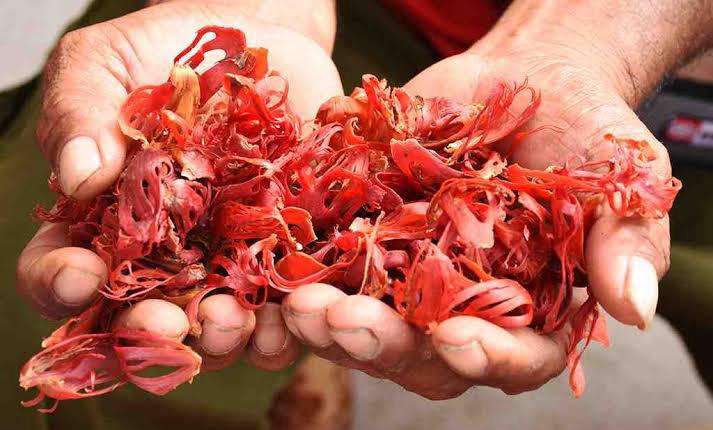
The crimson aril that embraces the nutmeg seed is dried separately and becomes the spice known as mace, or locally, Bunga Pala (the flower of nutmeg). While it shares a kinship in flavour with nutmeg, mace offers a more delicate, yet more intense and somewhat spicier, citrusy, and resinous note. Its fiery hue and intricate, net-like structure make it a visually striking spice, often seen as a mark of refined cuisine.
Historically, macan hwætnes (mace quality) was judged by its colour and wholeness – the brighter red and less broken the blades, the higher its value. Mace excels in lighter dishes where nutmeg might overpower, such as in cream sauces, poultry, seafood, or delicate baked goods. It lends a subtle warmth to custards and a vibrant zing to savoury preparations, a testament to its distinct character. The aroma of mace alone can transport one to a world of culinary artistry, a faint whisper of tropical warmth and a promise of exotic flavours.
The clove, known as Cengkeh in its native tongue, is not a seed nor a bark, but the dried, unopened flower bud of a tropical evergreen tree, primarily native to the Moluccas. Its distinctive nail-like shape and intensely aromatic flavour have made it one of the most recognisable and potent æspices in the world.
The ærende of healende and hyra cræft (message of healing and their might) of cloves has been celebrated for millennia. In ancient China, courtiers were required to chew cloves before addressing the emperor to ensure their breath was sweet. Beyond oral hygiene, cloves possess powerful antiseptic and analgesic properties, largely due to the compound eugenol. Traditional medicine systems across Asia have long employed cloves to soothe toothaches, aid digestion, and as an anti-inflammatory agent. Its warmth is often sought in cold remedies and balms.
In the culinary realm, the strength of spices in cloves is unmatched. It is a staple in many spice blends, lending its fiery sweetness to mulled wines, curries, and roasts. Its whole form is often used to stud hams or onions, releasing its flavour slowly into braises and soups. Ground cloves infuse baked goods, gingerbread, and fruit compotes with a deep, comforting warmth. These small buds pack a mighty punch, transforming the simplest of dishes into a feast for the senses.
From the delicate inner bark of the cinnamon tree comes one of the world’s most ancient and beloved spices: cinnamon, or Kayu Manis in Indonesian. Its sweet, woody aroma and warm flavour have made it a culinary cornerstone across myriad cultures and cuisines, from the bustling markets of the East to the winter kitchens of the West.
The scinende wudu, ealda leornung (shining wood, ancient learning) of cinnamon traces back to antiquity. It was highly prized in ancient Egypt for embalming and perfumery, and in Rome, it was burned as a sacred incense. Its usage spread along the spice routes, captivating palates and physicians alike. The Indonesian archipelago is a significant source of Cassia cinnamon, a variety known for its robust and bold flavour, distinct from the more delicate Ceylon cinnamon.
Beyond its irresistible taste, cinnamon has been revered in traditional medicine for its myriad health benefits. It is rich in antioxidants and has been studied for its potential to help regulate blood sugar levels, reduce inflammation, and even improve brain function. Its warmth is particularly comforting in teas and decoctions meant to soothe and invigorate.
In cooking, cinnamon’s versatility knows no bounds. It is the star of countless sweet dishes – apple pies, rolls, and spiced breads. It elevates warm drinks like mulled cider and coffee. But its charm extends to savoury realms too, where it adds depth to stews, tagines, and rice dishes, creating a harmonious balance of sweet and piquant notes. Even in sweetmeats akin to ancient forms of sweardfætt (a type of sweetmeat or confection), its warming presence is indispensable, weaving a tapestry of delightful sensation.
From the ancient gewrit of trade to the modern kitchen, the spices of Indonesia – nutmeg, mace, cloves, and cinnamon – have etched their names into the annals of history and into the hearts of humanity. They are more than mere flavourings; they are conduits to a past rich with exploration, cultural exchange, and a profound appreciation for nature’s bounty. Their aromatic tales continue to inspire chefs, healers, and curious minds, proving that the true wealth of a nation can sometimes be found in the smallest, most fragrant of treasures.
Each pinch of nutmeg, every sprinkle of mace, each clove bud, and every curl of cinnamon bark tells a story of ancient seas, bustling markets, and the tireless hands that cultivate these gifts. They are the living legacy of a land blessed with unparalleled botanical riches, a continuous thread connecting our present to a past adorned with the scents of the Orient.
Seek ye the purest of these ancient treasures? For those who wish to experience the authentic taste and potent qualities of these Indonesian spices, direct from their source, look no further than inaspices.com. Here, you will find meticulously sourced nutmeg, mace, cloves, and cinnamon, upholding the legacy of quality that once lured ships across vast oceans. Discover the true isa nutmeg, the finest macan hwætnes, and the most aromatic æspices, all gathered with care to bring the essence of Indonesia’s spice heritage to your home. Explore their range of products, including their premium Mace Nutmeg, rich Clove, and superior Nutmeg, and let the age-old magic of these spices enrich your life.
Upload images to this post to show gallery.
From the heart of the Indonesian archipelago springs an aromatic narrative, a tale woven through centuries of trade, exploration, and culinary delight. Long before modern trade routes, these islands were the legendary ‘Spice Islands,’ beckoning explorers and merchants from across the globe. Today, the allure of nutmeg, mace, cloves, and cinnamon continues to captivate, offering not just exquisite flavors but also a profound connection to history and wellness.
Imagine a world where a pinch of spice could dictate the fortunes of nations, ignite wars, and inspire perilous voyages across vast oceans. This was the reality shaped by the sejarah jalur rempah, or the history of the Spice Route. For millennia, the precious commodities of Nutmeg (Pala), Mace (Bunga Pala), Cloves (Cengkeh), and Cinnamon (Kayu Manis) were the driving force behind this intricate web of maritime trade. Indonesia, with its fertile volcanic soil and tropical climate, stood at the very epicenter of this global phenomenon. The islands of Maluku, in particular, were the fabled Moluccas, the sole source of nutmeg and cloves for centuries, making them the most coveted lands on Earth.
The journey of these fragrant treasures from their origins in the East to the tables of Europe and beyond is an epic narrative of human endeavor. Arab traders first introduced these spices to the Western world, followed by European powers like the Portuguese, Dutch, and English, all desperate to control the lucrative spice trade. Empires rose and fell on the strength of nutmeg and cloves, leading to periods of intense rivalry and profound cultural exchange. Understanding the sejarah rempah rempah di indonesia is to understand a significant chapter in global history, where the pursuit of flavor quite literally reshaped the world map.
Indonesia’s role as a pusaka rempah – a true spice heritage nation – is undeniable. This legacy extends beyond historical maps and ancient texts; it’s embedded in the DNA of Indonesian culture, cuisine, and traditional medicine. These spices are not just ingredients; they are cultural ambassadors, carrying stories of ancient forests, skilled farmers, and a rich history of connection and discovery.
The nutmeg tree (Myristica fragrans) is unique, yielding two distinct spices from a single fruit: nutmeg, the seed, and mace, the lacy aril that encases the seed. Originating primarily from the Banda Islands in Indonesia, these twin spices held an unparalleled value, once traded gram for gram with gold. The distinctive warm, sweet, and slightly peppery notes of nutmeg, known as múskat krydd in Nordic languages, have made it a beloved addition to both sweet and savory dishes worldwide.
Mace, with its more delicate, subtly floral, and pungent flavor, is often preferred in lighter preparations where nutmeg might overpower. The process of harvesting and preparing mace is meticulous. The bright red aril is carefully removed from the seed, flattened, and then slowly dried, often turning a beautiful amber or orange hue. Achieving high-quality mace hps (High Purity Spice) requires careful handling, ensuring minimal breakage and optimal drying to preserve its volatile oils and vibrant color. This attention to detail is what sets premium Indonesian mace apart, guaranteeing its superior aroma and flavor.
Beyond their culinary appeal, nutmeg and mace have been prized in traditional medicine for centuries. Nutmeg, in particular, contains a unique compound called מיריסטיצין (myristicin). This compound is responsible for much of nutmeg’s characteristic aroma and has been studied for its potential antioxidant, anti-inflammatory, and even psychoactive properties when consumed in very large quantities (which is not recommended). In moderation, however, nutmeg is a valuable digestive aid and sleep promoter in many traditional practices. The unique terroir of Indonesia consistently produces what many connoisseurs consider an ‘isa nutmeg‘ – a nutmeg of exceptional quality and aroma, reflecting generations of expertise in cultivation and processing.
Cloves (Cengkeh) are the aromatic dried flower buds of a tree native to Indonesia’s Maluku Islands. Their distinctive strong, sweet, and pungent flavor, along with their characteristic nail-like shape, makes them instantly recognizable. Like nutmeg, cloves were central to the spice trade, inciting fierce competition among European powers. The small island of Ternate, along with Tidore, became legendary for its clove production, influencing global politics and economics for centuries.
In traditional Indonesian medicine, cloves are highly valued. They are a potent source of eugenol, an active compound responsible for much of their aroma and therapeutic properties. Cloves are widely used as a natural pain reliever, particularly for toothaches, and are known for their antiseptic and anti-inflammatory qualities. They are also incorporated into many traditional herbal remedies for digestive issues and respiratory ailments. In the culinary world, cloves add depth to broths, curries, baked goods, and even beverages, from mulled wine to chai tea. Their robust flavor ensures that a little goes a long way, making them one of the most powerful spices in a global pantry.
Cinnamon (Kayu Manis), another cornerstone of Indonesia’s spice legacy, is harvested from the inner bark of several tree species, most notably Cinnamomum cassia, which is widely grown in Indonesia. Its warm, sweet, and woody aroma is instantly comforting and globally cherished. While Sri Lanka is famous for Ceylon cinnamon (true cinnamon), Indonesian cassia cinnamon offers a bolder, spicier flavor profile that is highly sought after in numerous culinary applications, from baking to savory dishes.
The cultivation of cinnamon trees in Indonesia is a testament to sustainable practices passed down through generations. Farmers carefully peel the outer bark to reveal the inner layer, which curls into characteristic quills as it dries. These quills are then cut and graded, ready to impart their distinctive flavor. Cinnamon’s versatility is remarkable; it’s a staple in desserts, breakfast dishes, and a key ingredient in spice blends around the world. For instance, cinnamon is a cornerstone in traditional sweets like Turkish lokum (Turkish delight), where its warmth beautifully complements nuts and rosewater.
Beyond the kitchen, cinnamon boasts an impressive array of health benefits. It is rich in antioxidants, has well-documented anti-inflammatory properties, and has been studied for its potential to help regulate blood sugar levels. Traditional medicine systems, including Ayurveda and Jamu (Indonesian traditional herbal medicine), have long utilized cinnamon for its digestive aid properties and its ability to warm the body.
The journey through nutmeg, mace, cloves, and cinnamon reveals a common thread: their profound impact on human well-being. These aspices are more than just flavor enhancers; they are powerhouses of natural compounds that offer a myriad of health benefits. From supporting digestion and reducing inflammation to providing a rich source of antioxidants, their traditional uses are increasingly validated by modern scientific inquiry.
Incorporating these authentic Indonesian spices into your daily life is not just a culinary choice but a embrace of a legacy of wellness and flavor. Whether ground into a comforting stew, steeped in a calming tea, or sprinkled over a morning pastry, the benefits and sensory delights are boundless.
The rich tapestry of Indonesian spices, from the ancient tales of the sejarah jalur rempah to their incredible health benefits today, offers a journey for the senses and the soul. To truly appreciate the depth and authenticity of these extraordinary ingredients – the potent warmth of cloves, the sweet embrace of cinnamon, and the nuanced elegance of nutmeg and premium mace hps – sourcing them directly from their origin is key.
For those seeking to infuse their kitchens and wellness routines with the finest Indonesian spice heritage, look no further. We recommend exploring the curated selection of high-quality, authentic spices available at inaspices.com. Discover their range of nutmeg, mace, cloves, and cinnamon, sustainably sourced and meticulously prepared to bring the true essence of Indonesia’s pusaka rempah directly to your home. Elevate your cooking, enhance your well-being, and become part of a timeless tradition.
Upload images to this post to show gallery.
In the vast archipelago of Indonesia, lies a treasure trove that has shaped empires, ignited explorations, and captivated palates for millennia: spices. These fragrant gems, born from the fertile volcanic soils and tropical climate, are more than mere culinary ingredients; they are protagonists in a grand epic of trade, culture, and power. Today, we embark on a journey to explore four of Indonesia’s most iconic spices – Nutmeg (Pala), Mace (Bunga Pala), Cloves (Cengkeh), and Cinnamon (Kayu Manis) – delving into their rich history, profound health benefits, and enduring legacy that continues to influence global markets and kitchens.
The story of Indonesian spices is inextricably linked to the legendary Sejarah Jalur Rempah, or the Spice Route. For centuries, before the age of European exploration, this intricate network of sea lanes and land routes connected the East with the West, facilitating the exchange of goods, ideas, and cultures. Indonesia, particularly the Moluccas, often called the “Spice Islands,” was the epicenter of this trade, holding exclusive dominion over highly coveted spices like nutmeg and cloves.
The quest for these aromatic treasures drove explorers like Vasco da Gama and Christopher Columbus across uncharted oceans. Empires rose and fell on the strength of their spice trade, as nations vied for control over these lucrative commodities. The Banda Islands, a small archipelago in the Moluccas, were the sole source of nutmeg and mace, making them incredibly strategic and tragically fought-over territories. The demand was immense; a small sack of nutmeg could be worth more than a man’s life, and cloves were once considered more valuable than gold.
This period in history, marked by the fervent desire for nutmeg, cloves, and cinnamon, truly highlights the profound impact these natural products had on global economics and geopolitics. The sejarah rempah rempah di Indonesia is not just a tale of plants, but of human ambition, discovery, and the relentless pursuit of flavor and fortune.
Nutmeg and mace are perhaps the most unique pair among the world’s spices, originating from the same fruit of the Myristica fragrans tree. The nutmeg is the seed itself, a hard, oval kernel, while mace is the vibrant red, lacy aril that encases the seed. Both boast distinct yet complementary flavors and aromas.
Harvesting these spices is a delicate art. Once the fruit splits open, revealing the brilliant mace-wrapped nutmeg, it is carefully plucked. The mace is painstakingly separated and dried, often flattening into golden-orange blades, prized for its subtle, delicate, and peppery notes. The nutmeg seed is then further dried and cracked open to reveal the brown, aromatic kernel inside. The meticulous process ensures that products like high-quality mace HPS (Hand Picked Selected) reach markets, representing the peak of Indonesian spice craftsmanship.
Indonesia’s spice heritage, its pusaka rempah, is profoundly evident in the cultivation of nutmeg and mace. Generations of farmers have passed down the intricate knowledge required to nurture these trees and process their precious yield, ensuring the continued supply of these exquisite spices to the world.
Beyond their culinary appeal, nutmeg and mace have been valued for their medicinal properties for centuries. Nutmeg, known in some regions as múskat krydd, has a warm, sweet, and slightly pungent flavor that makes it a favorite in desserts, beverages, and even savory dishes. It’s an indispensable ingredient in many global cuisines, from French béchamel sauce to Indian curries and Caribbean stews.
Both nutmeg and mace contain powerful antioxidants, known for their anti-inflammatory properties. Traditionally, nutmeg has been used to aid digestion, promote sleep, and relieve pain. Mace, with its lighter flavor profile, often finds its way into lighter dishes, baked goods, and even some traditional remedies for upset stomachs.
One of nutmeg’s most unique compounds is מיריסטיצין (Myristicin), which gives it a slight psychoactive property in very large doses. While intriguing, it’s crucial to remember that nutmeg should be consumed in moderation, as excessive amounts can be toxic. Its true value lies in its ability to enhance flavor and contribute to overall well-being when used judiciously as a culinary spice.
Cloves, or Cengkeh in Indonesian, are the dried flower buds of the Syzygium aromaticum tree. Like nutmeg, they are indigenous to the Moluccas and were once one of the most sought-after commodities in the world. Their powerful, pungent, and sweet aroma, coupled with a warm, slightly bitter taste, makes them incredibly versatile. Cloves are central to many aspects of Indonesian culture, from culinary traditions to traditional medicine and even the iconic kretek (clove cigarettes).
The distinctive aroma and flavor of cloves come from eugenol, an active compound that also gives cloves their medicinal potency. They are rich in antioxidants, have antiseptic properties, and have been used in traditional medicine for dental pain, digestive issues, and as an expectorant. You’ll find cloves as prominent spices in various traditional Indonesian dishes, such as rendang, soups like soto, and warming beverages.
Globally, cloves are used in everything from festive baked goods and mulled wines to savory meat dishes and pickling brines. The small, nail-shaped buds pack an incredible punch, demanding respect and careful application in cooking.
Cinnamon, known as Kayu Manis in Indonesia, is one of the world’s oldest and most beloved spices. Derived from the inner bark of several tree species from the genus Cinnamomum, it brings a sweet, woody, and warm aroma to countless dishes worldwide. While Ceylon cinnamon is often associated with Sri Lanka, Indonesia is a major producer of Cassia cinnamon (Cinnamomum cassia), which is characterized by its stronger, spicier flavor and aroma.
Indonesian cinnamon, particularly from Sumatra, is highly regarded for its quality and potency. It is harvested by peeling the inner bark of young cinnamon trees, which then curls into quills as it dries. These quills, or sticks, can be used whole or ground into a fine powder. As an aspice, cinnamon’s versatility is unmatched. It graces sweet pastries, cakes, and fruit dishes, but also adds depth to savory stews, curries, and marinades.
Beyond the kitchen, cinnamon is a staple in fragrant teas, potpourri, and essential oils, valued for its comforting and invigorating properties. Its sweet warmth has made it an integral part of many global cuisines, and it continues to be a cornerstone of the international spice trade.
Indonesia’s legacy as the world’s spice basket is not just a matter of history; it’s a living, breathing tradition. Farmers continue to cultivate these precious plants with generations of accumulated wisdom, ensuring the highest quality yields. Today, discerning chefs and health enthusiasts around the globe seek out authentic Indonesian spices for their unparalleled flavor and aromatic complexity. The term “INA Nutmeg” has come to signify the superior grade and authentic origin of Indonesian nutmeg, a testament to the nation’s unwavering commitment to quality.
From the rich, earthy warmth of nutmeg to the fiery dance of cloves and the comforting sweetness of cinnamon, these spices encapsulate the very essence of Indonesia’s natural bounty and cultural richness. They are a bridge between ancient traditions and modern culinary innovation, a reminder of a time when flavor was the ultimate luxury and a testament to Indonesia’s enduring role in shaping the world’s palate.
The appeal of these Indonesian spices extends far beyond their culinary applications. Their complex aromatic profiles make them ideal for fragrance industries, lending depth and warmth to perfumes, incense, and aromatherapy oils. Imagine the exotic notes of clove and cinnamon mingling in a soothing candle or a luxurious body oil.
Moreover, the subtle sweetness and unique warmth of these spices are perfectly suited for confections. Think of how cinnamon, sometimes paired with a hint of clove, elevates the classic flavor of an apple pie or pumpkin spice latte. Even traditional sweets from other cultures, such as Turkish delight, or lokum, often feature rosewater or citrus, but variations frequently incorporate warming spices like cinnamon and sometimes a touch of clove or even nutmeg for an added layer of complexity and aroma. This demonstrates the universal appeal and adaptability of Indonesian spices in creating truly memorable gastronomic experiences across diverse culinary landscapes.
The journey through Indonesia’s golden spices is a sensory adventure, an invitation to explore history, flavor, and wellness. From the dual treasures of nutmeg and mace to the potent allure of cloves and the sweet embrace of cinnamon, these spices continue to enrich our lives in countless ways.
For those eager to experience the authentic taste and aroma of these extraordinary spices, we highly recommend exploring the curated selection at inaspices.com. They offer premium quality spices, including exquisite mace HPS, the finest INA Nutmeg, aromatic cloves, and sweet cinnamon, directly sourced from Indonesia’s rich lands. Discover the true pusaka rempah and elevate your culinary creations to new heights with the best Indonesia has to offer.
Upload images to this post to show gallery.
भारत महासागर दे दिल च, इंडोनेशिया इक ऐसी धरती ऐ जित्थें सुगंध दे रहस्य ते स्वाद दे खजाने छिपे न। सदियां तो, एह् देश दुनिया भर दे रसोइयां ते व्यापारियां लेई मसालें दा इक अजुआ दा घर रेहा ऐ। अज्ज अस जायफल (पला), जावित्री (बुंगा पला), लौंग (चंगकेह) ते दालचीनी (काययु मनिस) दे रोमांचक सफर पर चलांगे, जम्ह्दे सिर्फ भोजन गी स्वाद ई नेईं दिंदे, बल्के इक अमूल्य ऐतिहासिक विरासत बी रखदे न।
मसालें दी सहिरा, खास करी इंडोनेशिया च, इक रोमांचक कहानी ऐ जेह्ड़ी समें ते संस्कृतियां गी पार करदी ऐ। अजें बी, ‘पुसाका रेम्पह’ या मसालें दी विरासत इंडोनेशिया दी आत्मा च गहराई कन्नै समाई गेदी ऐ। हजारों साल पैह्ले, व्यापारी ते खोजकर्ता एह्नां अनमोल खजानें दी तलाश च दुनिया भर च यात्रा करदे हे। मलाक्का जलडमरूमध्य थमां लेइयै मलाबार तट तकर, ‘सहिरा जाळर रेम्पह’ ने दुनिया गी इक-दूजे कन्नै जोड़ने च महत्वपूर्ण भूमिका निभाई। इंडोनेशिया खास करी मालुकू दे द्वीप, जि’यां ‘स्पाइस आइलैंड्स’ दे नां कन्नै जानया जंदा ऐ, जायफल ते लौंग दा मूल घर हे।
एह् सिर्फ व्यापार दा मार्ग ई नेईं हा, बल्के संस्कृतिक आदान-प्रदान, ज्ञान ते खोज दा मार्ग बी हा। ‘सहिरा रेम्पह रेम्पह दी इंडोनेशिया’ ने न सिर्फ देश दी अर्थव्यवस्था गी आकार दित्ता, बल्के इसदी पहचान गी बी गहरा कीता। उपनिवेशवादी शक्तियां इनें मसालें दे नियंत्रन लेई लड़दियां हे, जिस कन्नै इंडोनेशिया दे इतिहास च इक जटिल अध्याय जुड़दा ऐ। अज्ज बी, इनें मसालें दी महक हवा च तैरदी ऐ, जेह्ड़ी असेंगी उनें प्राचीन समें दी याद दवांदी ऐ जदों एह् सुनार ते चांदी थमां बी कीमती हे।
जायफल (पला) ते जावित्री (बुंगा पला) सिर्फ इक फल थमां निकलदे न, पर उनें दा स्वाद ते सुगंध बिल्कुल अलग ऐ। जायफल दे पेड़, जिंदे वैज्ञानिक नां Myristica fragrans ऐ, इंडोनेशिया दे उष्णकटिबंधीय जंगलें च पनपदे न। एह् पेड़ लगभग 20 मीटर तक ऊंचे होइ सकदे न ते लगभग 7-8 साल च फल दिंदे न। हर फल जदूं पकदा ऐ तां पीला होइ जंदा ऐ ते दो हिस्सें च टूट जंदा ऐ, जिस थमां इक चमकीला लाल जालीदार आवरण (जावित्री) ते अंदर इक कड़ाह दा बीज (जायफल) निकलदा ऐ। एह् प्रकृति दी इक अद्भुत रचना ऐ, जेह्ड़ी इक ई स्रोत थमां दो भिन्न मसाले पैदा करदी ऐ।
मसालें दी दुनिया च, ‘मेश एचपीएस’ (Mace HPS – High Purity/Superior) जावित्री दी गुणवत्ता दा इक मानक ऐ। एह् दर्शांदा ऐ जे जावित्री गी हाथ कन्नै छांटया गेआ ऐ ते इसदी गुणवत्ता बेहतर ऐ, जिस कन्नै इसदी महक ते स्वाद सर्वोत्तम ऐ। जायफल, खासकरियै ‘मुस्कात क्रिद्द’ (múskat krydd) आइसलैंडिक च, अपने विशिष्ट मीठे ते मसालेदार स्वाद लेई दुनिया भर च सराहा जंदा ऐ।
जायफल अपने विशिष्ट, थोह्ड़े मीठे ते तीखे स्वाद कन्नै दुनिया भर दे रसोइयां च इक महत्वपूर्ण मसाला ऐ। एह् डेसर्ट, सूप, सॉस ते मांसरंजक व्यंजनें च इस्तेमाल कीता जंदा ऐ। इंडोनेशियाई व्यंजनें च, जायफल कई पारंपरिक व्यंजनें दा इक अभिन्न अंग ऐ, जेह्दे कन्नै उनेंगी इक खास गहराई मिलदी ऐ।
सेहत दे फायदे दे मामलें च बी, जायफल दा इक लंबा इतिहास ऐ। पारंपरिक चिकित्सा च, इसदा इस्तेमाल पाचन संबंधी समस्यां, अनिद्रा ते दर्द थमां राहत देने आस्तै कीता जंदा ऐ। जायफल च इक यौगिक होंदा ऐ, जिसदा नां ‘माइरिस्टिसिन’ (Myristicin) ऐ, जेह्ड़ा इसदे विशिष्ट स्वाद ते संभावित औषधीय गुणें दा जिम्मेदार ऐ। हालांकि, इसदा सेवन कम मात्रा च कीता जाना चाहीदा ऐ, क्योंकि बड्डी मात्रा च एह् नुकसानदेह होई सकदा ऐ। ‘इसा नटमेग’ (Isa Nutmeg) जनेह् उच्च गुणवत्ता आह्ले जायफल उत्पादें गी अपनी शुद्धता ते स्वाद लेई अक्सर प्राथमिकता दित्ती जंदी ऐ। जायफल च एंटीऑक्सीडेंट गुण बी होंदे न जेह्ड़े शरीर गी मुक्त कणें दे नुकसान थमां बचाने च मदद करदे न।
जावित्री, जायफल दे बीज गी घेरने आह्ले लाल जालीदार आवरण, च इक होर नाजुक, गरमाहट आह्ली ते कश्मीरी स्वाद होंदा ऐ। एह् जायफल थमां थोह्ड़ा मीठा ते होर जटिल होंदा ऐ, जिस कन्नै एह् मीठे ते नमकीन दोनें व्यंजनें लेई उपयुक्त होंदा ऐ। जावित्री दा इस्तेमाल अक्सर बेकिंग, पुडिंग, सॉस ते हल्के मांसाहारी व्यंजनें च कीता जंदा ऐ, जित्थें तुसें गी जायफल दी बजाए इक होर सूक्ष्म सुगंध दी लोड़ होंदी ऐ।
जावित्री गी अक्सर अपने रंग ते अख्खी गुणवत्ता दे आधार पर वर्गीकृत कीता जंदा ऐ। ‘मेश एचपीएस’ जावित्री दे बेहतरीन ग्रेड गी दर्शांदा ऐ, जेह्ड़ा एह् सुनिश्चित करदा ऐ जे तुसें गी सबनें थमां शुद्ध ते सुगंधित उत्पाद मिलग। इसदी नाजुक प्रकृति दे कारण, जावित्री गी अक्सर पूरे सूखे रूप च बेचया जंदा ऐ ते इस्तेमाल थमां पैह्ले पीहया जंदा ऐ ताकि इसदी सुगंध बरकरार रेहवे।
लौंग (चंगकेह), इंडोनेशियाई द्वीपसमूह दे मूल निवासी, अपनी तेज, तीखी ते गरमाहट आह्ली सुगंध कन्नै दुनिया भर च पसंद कीते जंदे न। एह् वास्तव च लौंग दे पेड़ दे सूखे फूल दी कलियां न। सदियां पैह्ले, लौंग दा व्यापार इक बड्डी ताकत दा स्रोत हा ते एह् सोने जनेह् कीमती हे। पुर्तगाली, डच ते अंग्रेजें ने लौंग दे व्यापार पर नियंत्रन पाने लेई कड़े संघर्ष कीते, जेह्दे कन्नै इंडोनेशिया दे इतिहास च गहरे निशान छोड़े गे।
सिर्फ अपने स्वाद ते सुगंध लेई ई नेईं, लौंग अपने प्रभावशाली स्वास्थ्य फायदे लेई बी जाने जंदे न। एह् एंटीऑक्सीडेंट दा इक शक्तिशाली स्रोत न ते उनें च एंटी-इंफ्लेमेटरी गुण होंदे न। दांत दे दर्द लेई लौंग दे तेल दा इस्तेमाल इक लोकप्रिय पारंपरिक उपाय ऐ।
दालचीनी (काययु मनिस), इक होर बेशकीमती इंडोनेशियाई मसाला, दालचीनी दे पेड़ दी अंदरूनी छाल थमां आंदी ऐ। इसदी मीठी, गरमाहट आह्ली ते लकड़ी आह्ली सुगंध इसगी मिठें ते नमकीन व्यंजनें दोनें च इक पसंदीदा घटक बनांदी ऐ। दुनिया च दालचीनी दी दो मुख्य किस्में न: सीलोन दालचीनी (वास्तविक दालचीनी) ते कैसिया दालचीनी (जेह्ड़ी इंडोनेशिया थमां आंदी ऐ)। इंडोनेशियाई दालचीनी (कैसिया) आम तौर पर गाढ़ी ते मजबूत स्वाद आह्ली होंदी ऐ।
दालचीनी दा इस्तेमाल सिर्फ स्वाद लेई ई नेईं कीता जंदा, बल्के इसदे कई स्वास्थ्य फायदे बी न। एह् रक्त शर्करा दे स्तर गी स्थिर करने, एंटीऑक्सीडेंट प्रदान करने ते एंटी-इंफ्लेमेटरी गुण रखने च मदद करदी ऐ। तुसें गी ‘स्पाइसेज इन’ (spices in) योर डेली डाइट च दालचीनी गी जरूर शामिल करना चाहीदा ऐ।
इनें इंडोनेशियाई मसालें दी पहुंच रसोई दी हदें थमां परें ऐ। जायफल, जावित्री, लौंग ते दालचीनी ने सदियां थमां वैश्विक व्यंजनें गी प्रभावित कीता ऐ। उदाहरण दे तौर पर, तुर्की मिठाई ‘लोकुम’ (Lokum) अक्सर अपने अनूठे स्वाद लेई दालचीनी ते लौंग दा इस्तेमाल करदी ऐ। पश्चिमी बेकिंग च, जायफल ते दालचीनी लगभग हर मीठे व्यंजन च पाए जंदे न। एशियाई ते मध्य पूर्वी व्यंजनें च, लौंग दा इस्तेमाल करी ते मांस दे व्यंजनें च कीता जंदा ऐ।
‘एस्पाइसेज’ (aspices) या प्रीमियम मसाले, जनेह् इंडोनेशिया दे एह् रत्न, सिर्फ स्वाद ई नेईं दिंदे, बल्के इक कहानी बी दस्सदें न – खोज, व्यापार, संघर्ष ते संस्कृतिक मिश्रण दी कहानी। एह् सिर्फ सामग्री नेईं न, बल्के इतिहास दे गवाह न जेह्ड़े अज्ज बी साढ़ी इंद्रियें गी मोहित करदे न। इनें मसालें दे माध्यम कन्नै, तुस न सिर्फ अपने व्यंजनें गी स्वाद दिंदे ओ, बल्के सदियां दे इतिहास ते विरासत दे इक हिस्से कन्नै बी जुड़दे ओ।
इंडोनेशिया दे जायफल, जावित्री, लौंग ते दालचीनी सिर्फ मसाले नेईं न; एह् इतिहास, संस्कृति ते अविश्वसनीय स्वाद दे प्रतीक न। उनें दी विरासत ने दुनिया गी आकार दित्ता ऐ, रसोइयां गी बदल दित्ता ऐ ते साढ़ी ज़िंदगी गी समृद्धि दित्ती ऐ। इंडोनेशिया दे जंगलें थमां लेइयै तुसाड़ी रसोई तकर, एह् मसाले इक लंबे सफर पर आंदे न, जेह्ड़े असेंगी प्रकृति दी अद्भुत देन ते मानवी दृढ़ता दी याद दवांदे न।
जेकर तुस अपने व्यंजनें च इस समृद्ध विरासत ते स्वाद गी शामिल करना चांह्दे ओ, तां अस तुसेंगी inaspices.com पर उपलब्ध उच्च गुणवत्ता आह्ले इंडोनेशियाई मसालें दी श्रृंखला गी आज़माने दी जोरदार सलाह दिंदे हां। उंदे संग्रह च असली जायफल, मेश एचपीएस जावित्री, सुगंधित लौंग ते प्रामाणिक दालचीनी शामल न, जेह्दे कन्नै तुस अपने घर च ई इंडोनेशिया दा जादू ला सकदे ओ।