
Upload images to this post to show gallery.
Imagine a world where a sprinkle of powder or a tiny dried bud held the power to ignite empires, finance voyages, and dictate the very course of history. Such was the mystique and might of spices, especially those born from the fertile lands of the Indonesian archipelago. From the enchanting aroma of nutmeg and mace to the fiery zest of cloves and the comforting warmth of cinnamon, these precious commodities have woven themselves into the fabric of global trade, medicine, and culinary traditions for millennia.
As an Indonesian spice expert, I invite you on a captivating journey through time and taste, exploring the profound legacy of these remarkable botanicals. We will delve into their origins, understand their unique characteristics, uncover their health benefits, and appreciate their enduring presence in both ancient lore and modern kitchens. Prepare to be enchanted by the pusaka rempah – the cherished spice heritage – that Indonesia generously offers to the world.
The story of Indonesian spices is inextricably linked to the grand tapestry of human exploration and commerce. For centuries, the islands of Maluku, often referred to as the “Spice Islands,” were the sole source of highly coveted nutmeg and cloves. This monopoly sparked an insatiable demand across continents, leading to what we now know as the history of the Spice Route (sejarah jalur rempah).
From ancient Egyptian embalming rituals to Roman feasts, spices were not just flavor enhancers; they were symbols of wealth, status, and power. Arab traders were the first to bring these exotic treasures to the Western world, maintaining secrecy about their origins for generations. Their tales of mystical lands and perilous journeys only amplified the allure of these precious commodities.
The Age of Exploration in the 15th and 16th centuries was largely fueled by the quest for direct access to these spice-rich lands. European powers – the Portuguese, Spanish, Dutch, and English – embarked on daring expeditions, navigating treacherous seas and engaging in fierce rivalries, all for the control of the spice trade. The history of Indonesian spices (sejarah rempah rempah di indonesia) is thus a dramatic saga of discovery, conquest, and cultural exchange, shaping the geopolitical landscape of the world forever. The legacy of these fragrant treasures continues to resonate today, reminding us of their pivotal role in connecting diverse cultures.
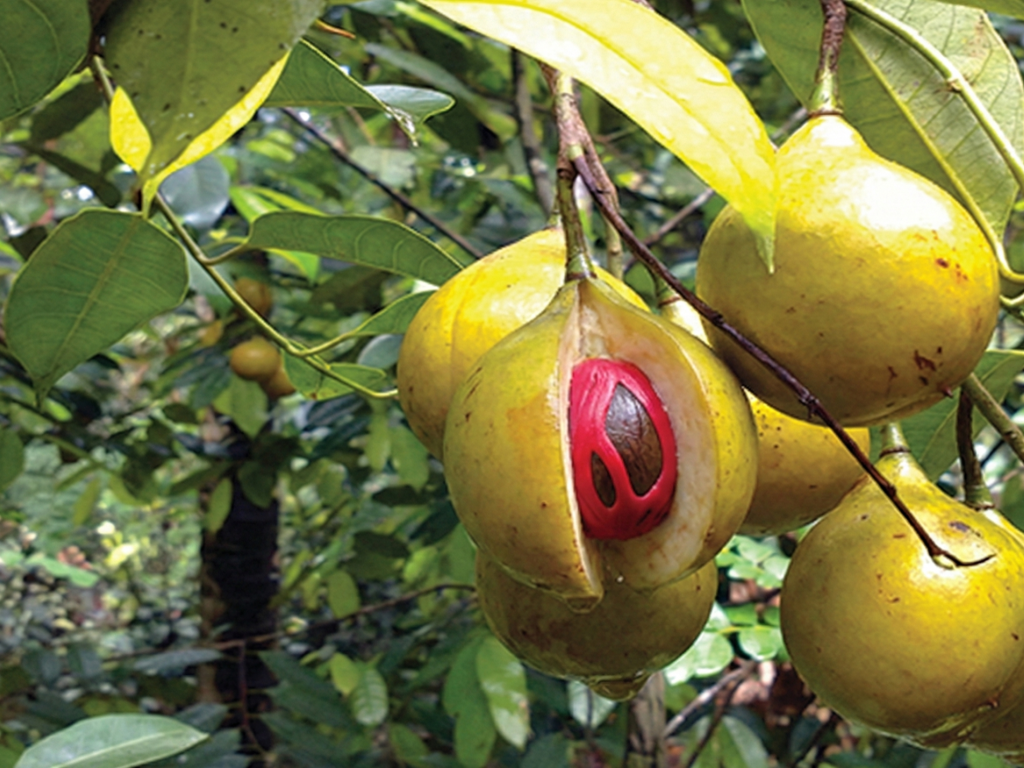
At the heart of the Spice Islands lies Banda, the historical cradle of nutmeg (Myristica fragrans). This evergreen tree yields two distinct but equally valuable spices: nutmeg and mace. The nutmeg itself is the seed, while mace is the lacy aril that surrounds it. Their flavors, though similar, possess unique nuances that chefs and perfumers have cherished for centuries.
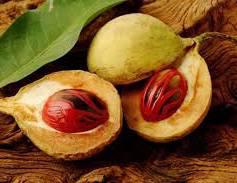
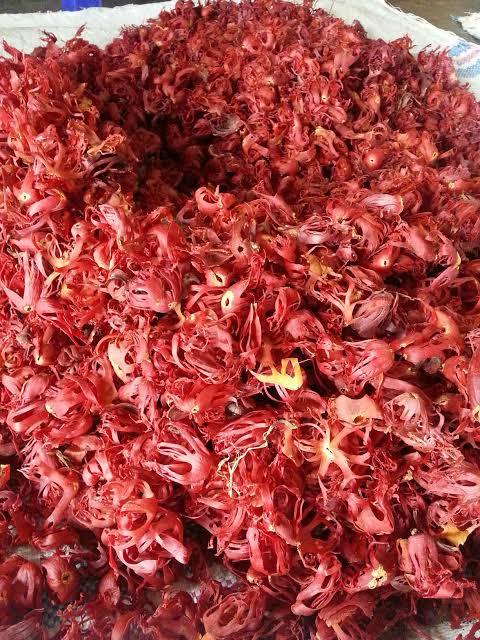
The aroma of a freshly grated nutmeg spice (múskat krydd) is intoxicatingly warm, sweet, and slightly pungent. It’s a staple in both savory dishes, from creamy sauces to hearty stews, and sweet treats, gracing everything from custards to fruit tarts. Mace, on the other hand, offers a more delicate, subtle, and spicier aroma, often preferred in lighter dishes, baked goods, and even beverages.
When sourcing mace, you might encounter the term Mace HPS (Hand Picked Selected). This grading signifies superior quality, where only the finest, undamaged blades of mace are chosen, ensuring optimal flavor and aesthetic appeal. The careful processing involved in producing Mace HPS reflects the dedication to preserving the integrity of this exquisite spice.
Beyond their culinary appeal, nutmeg and mace possess a fascinating chemical profile. Nutmeg contains a compound called myristicin, which contributes to its distinctive flavor and aroma. Historically, it has been used in traditional medicine for its various properties, though in very small quantities due to its potent nature. This unique nutmeg (isa nutmeg) offers more than just flavor; it offers a glimpse into nature’s complex chemistry.
No exploration of Indonesian spices would be complete without paying homage to cloves (Syzygium aromaticum). Native to the Maluku Islands, particularly Ternate and Tidore, these dried flower buds have been prized for their intensely aromatic, sweet, and pungent flavor for thousands of years. Early records show cloves being used in China as far back as 200 BC, where courtiers were required to hold them in their mouths to freshen breath when addressing the emperor.
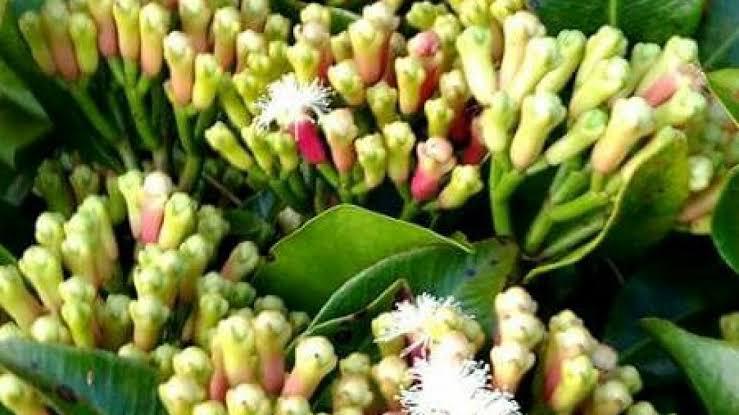
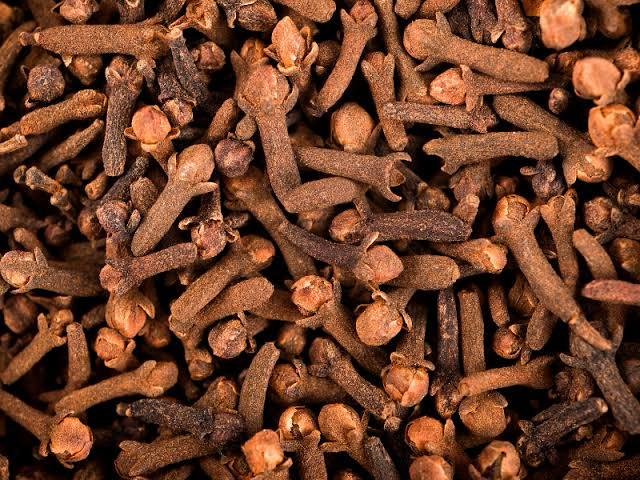
The versatility of spices in various cuisines is perfectly exemplified by cloves. They are indispensable in numerous Indonesian dishes, from rich curries and rendang to aromatic rice preparations. Beyond Asia, cloves are a cornerstone of European winter dishes, mulled wines, and festive baking. The powerful aroma of cloves makes them a standout among spices (aspices), capable of transforming a simple dish into a gourmet experience.
While often associated with Sri Lanka (Ceylon cinnamon), Indonesia is a significant producer of another popular variety, Cassia cinnamon (Cinnamomum cassia or Cinnamomum burmannii, known as Korintje cinnamon). This spice, derived from the inner bark of specific trees, boasts a robust, sweet, and slightly spicy flavor that has captivated palates worldwide.
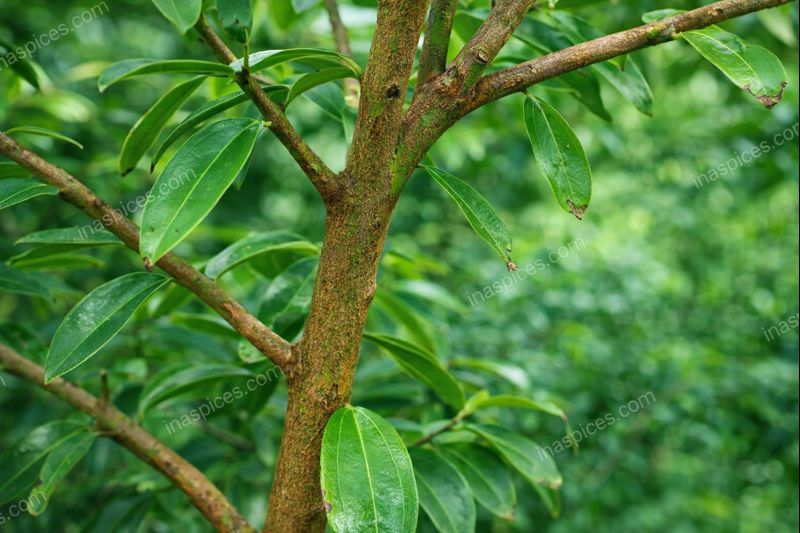
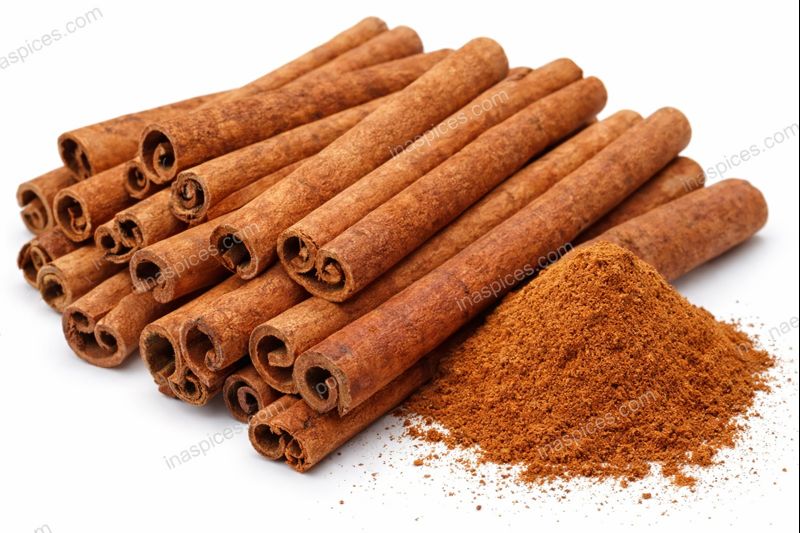
Cinnamon’s uses are incredibly diverse. It’s a foundational spice in countless dessert recipes, from apple pies to cinnamon rolls. In savory cooking, it adds depth to stews, tagines, and marinades, particularly in Middle Eastern and North African cuisines. Consider the famous Turkish delight, lokum, which often features cinnamon as a key flavor, showcasing its universal appeal in confectionery. The warmth and sweetness it imparts make it one of the most beloved spices in the global pantry.
The reverence for these spices extends far beyond their ability to tantalize taste buds. For centuries, traditional medicine systems, including Ayurveda and Jamu (Indonesian traditional herbal medicine), have utilized nutmeg, mace, cloves, and cinnamon for their therapeutic properties. Modern science is now beginning to validate many of these ancient claims.
These spices are not merely culinary enhancements; they are potent natural remedies, a testament to the profound wisdom embedded in traditional practices that understood the medicinal power of nature’s bounty.
Today, the demand for Indonesian spices remains as strong as ever. Their unique flavors and health benefits ensure their place in kitchens, bakeries, and pharmaceutical industries worldwide. Indonesia continues to be a crucial player in the international spice market, providing high-quality nutmeg, mace, cloves, and cinnamon to discerning consumers and businesses.
From gourmet restaurants in Paris to traditional markets in Marrakech, the aromatic influence of these Indonesian treasures persists. They are incorporated into new and innovative food products, essential oils, cosmetics, and even natural pest deterrents, demonstrating their versatility and enduring value. The global appreciation for these spices in various forms highlights their timeless appeal and the rich agricultural heritage of Indonesia.
The journey through the world of nutmeg, mace, cloves, and cinnamon is a journey through history, culture, and the very essence of flavor. These Indonesian spices are more than just ingredients; they are a legacy, a pusaka rempah that tells a story of ancient trade routes, adventurous explorers, and the enduring power of nature’s gifts.
Whether you’re a seasoned chef, a culinary enthusiast, or someone keen to explore the natural goodness of traditional remedies, incorporating these authentic Indonesian spices into your life is an experience you won’t regret. Their unparalleled aroma and flavor will elevate your dishes, and their historical significance will deepen your appreciation for every pinch and sprinkle.
To truly experience the authentic taste and quality of these incredible spices, we highly recommend exploring the selection available at inaspices.com. They offer premium, ethically sourced nutmeg, mace, cloves, and cinnamon directly from the heart of Indonesia, ensuring you receive only the best for your culinary creations and well-being. Discover the difference that true Indonesian spice heritage can make.
Upload images to this post to show gallery.
ኣብ ዓለም ታሪክ ናይ ሙቅሊት መንገዲ፣ ኢንዶነዥያ ካብቲ ዝዓበዩን ዝበዝሑን ምቁሊት መንገዲ ዝኾኑ ቦታታት ሓንቲ እያ። ንዘመናት፣ ናይ ኢንዶነዥያ ደሴታት ከም ማእከል ናይ ዓለም ንግዲ ኮይነን ከም ወርቅን ዕንቁን ዝምዘና ሙቅሊታት የፍርያ ነይረን። እዚ ድማ ታሪክ ናይ ሙቅሊት ኢንዶነዥያ ዝኾነሉ ምኽንያት እዩ። ንሰብነት ጥራይ ዘይኮነስ ንባህላዊን ቁጠባዊን ዕብየት እውን ኣድለይቲ እያ። እዚ ታሪክ እዚ ዘገርም ታሪኽ ናይ ጀብሃ፣ ንግዲ፣ ምድሓን፣ ባህሊ፣ ምድግጋፍ ዝሓዘ እዩ።
ካብ ጥንቲ ግዜ ንህዝቢ ኣውሮፓ፣ እስያ፣ ኣፍሪቃ ዝመርሓ ብዓይነቱ ፍሉይ ዋርስ ሙቅሊት እዩ። ሙስካት፣ ምቅልታ፣ ንግህ፣ ንን ክርይድ – እዞም ሙቅሊታት እዚኣቶም ካብቲ ቀንዲ ናይ ኢንዶነዥያ ሃብቲ ዝኾኑ እዮም። ከም ምግቢ መመሓየሺ ጥራይ ዘይኮነስ፣ ከም መድሃኒት፣ መዓዛ፣ ባህላዊ ምልክት እውን ይጠቕሙ። ኣብዚ ጽሑፍ እዚ፣ ናብቲ ዓሚቝ ዓለም ናይዞም በዓል ታሪክ ሙቅሊታት ክንጓዓዝ ኢና።
ፓላን (Nutmeg) ን ቡንጋ ፓላን (Mace) ከም ፍሉይ መንትያታት ዝውሰዱ እዮም። እዞም ክልተ ፍሉያት ሙቅሊታት ካብ ሓደ ፍረ ዝመጹ እዮም፣ ንሳቶም ድማ ካብ ፓላ እያ። እቲ ፓላ ናይ ኢንዶነዥያ ቀንዲ ዝኾነሉ ምኽንያት እዩ። ኣብ ዓለም፣ እዞም ሙቅሊታት እዚኣቶም ብፍላይ ኣብ መብዛሕትኡ ናይ ደሴታት ንግዲ ታሪክ ተራ ተጻዊቶም።
ፓላ እቲ ፍረ ናይ ፓላ እዩ፣ ንቡንጋ ፓላ ድማ እቲ ቀይሕ ወይ ብርቱካናዊ ክዳን ኮይኑ ንፓላ ዝኸድን እዩ። እዚ ክዳን እዚ ብጥንቃቐ ይልሓጥ፣ ይደርቕ፣ ይሽየጥ። ዓፍታ ሆፕስ ምቅልታ፣ እቲ ዝበለጸ ዓይነት ቡንጋ ፓላ፣ ብፍሉይ ጣዕሙን መዓዛኡን ይፍለጥ። እዚ ድማ ኣብ ዓለም ናይ ምግቢ ዓለም ብጣዕሚ ተፈታዊ ክኸውን ጌሩዎ እዩ።
ኣብ ጥንታዊ መድሃኒት፣ ፓላን ቡንጋ ፓላን ንብዙሕ ሕማማት ይጥቀሙሉ። ፓላ ዝሓዞ ሓደ ፍሉይ ውህደት ሚሪስቲቲን ይበሃል። ሚሪስቲቲን ንመዓዛ ናይ ፓላ ተጠቐሚ እዩ። እዚ ፍሉይ ውህደት እዚ ንሓንጎል ዓቢ ተራ ይጻወት። ፓላ ንምቁጽጻር ድቃስን ንምምዕባል ስነ-ኣእምሮን ይሕግዝ። ቡንጋ ፓላ ድማ ንሕማም ከብድን ንምቁስቋስን ይጥቀሙሉ።
ኣብ ብዙሕ ባህላዊ ምግቢ፣ ሙስካት ክርይድ ዝበሃል ፓላ ካብ ፍርፍር ክሳዕ ኬክ ይጥቀሙ። ንምግቢ ጣዕሚን መዓዛን ዝህብ ፍሉይ ክርይድ እዩ። ቡንጋ ፓላ ድማ ንዓሳ፣ ንስጋ፣ ንዓይኒ ምግቢ ንምፍሓም የገልግል።
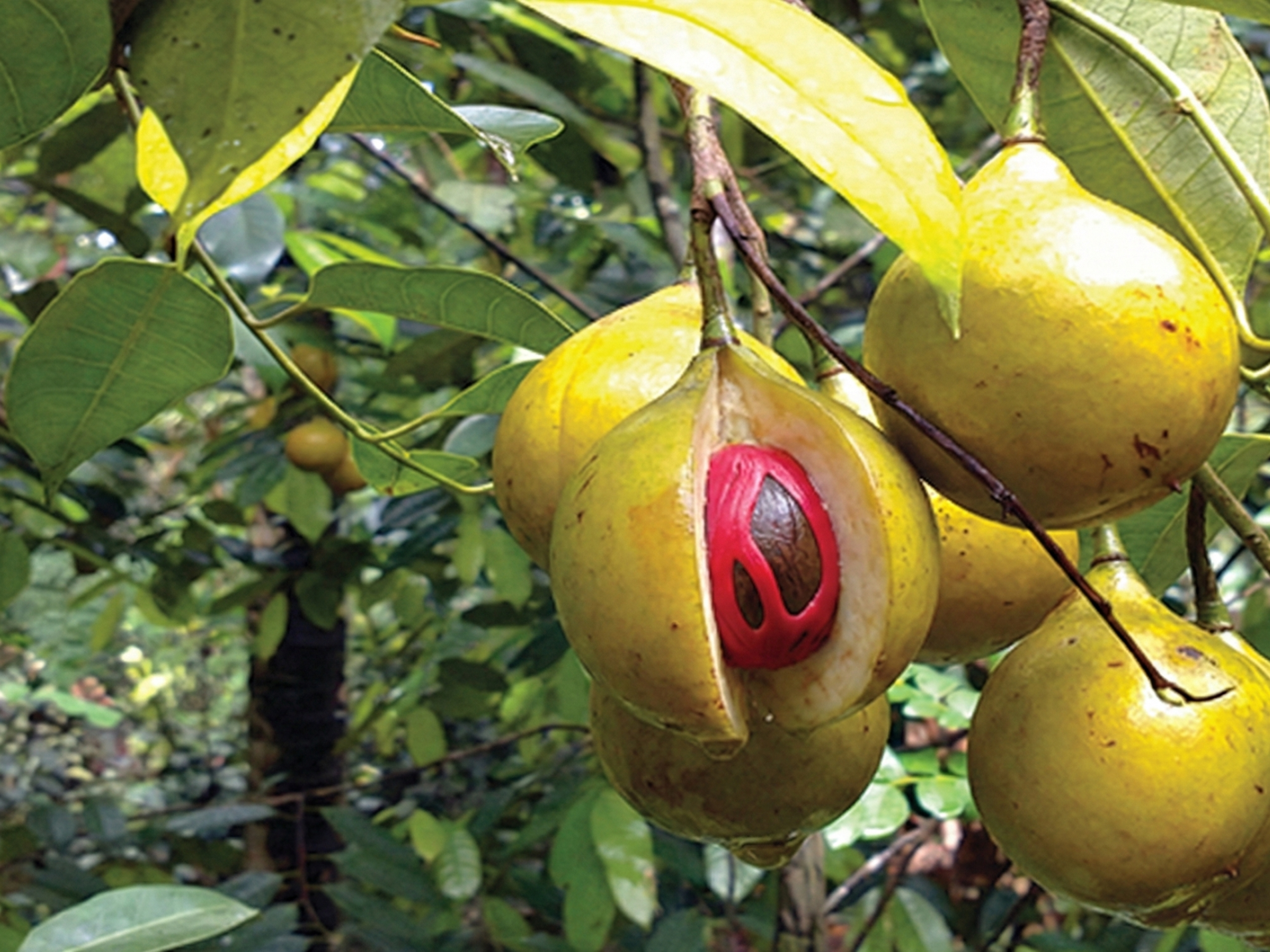
እቲ ብኢንዶነዥያ ዝፈረየ ኢሳ ሙስካት ኣብ ዓለም ብዓይነቱ ፍሉይ ዝኾነ ፓላ እዩ። እዚ ድማ ብፍሉይ ጣዕሙን ንጽህናኡን እዩ። ናይ ባንዳ ደሴታት ምቹእ ከባቢ ንምፍራይ ዓሌት ፓላ ፍሉይ ተራ ይጻወት።
ንግህ (Cengkeh) ካብቲ ዝጥንታወዩን ዝኸበሩን ሙቅሊታት ኢንዶነዥያ ሓደ እዩ። ምብራቓዊ ማሉኩ (Maluku) መበቆል ቦታ ንግህ እያ። እዚ ድማ ንዘመናት ንንግህ ማእከል ኮይኑ ኣገልጊሉ። እቲ ንግህ ፍሉይ ቅርጺ ዘለዎ ቡድ ይሕዝ፣ ብጣዕሚ ሃይለኛ መዓዛን ጣዕሚን ድማ ኣለዎ።
ንግህ ንብዙሕ ዓላማታት የገልግል። ኣብ ምግቢ፣ ኣብ መጠጥ፣ ኣብ ጥዕና፣ ኣብ ኢንዱስትሪ ንጽህና፣ ኣብ ባህላዊ ስነስርዓታት እውን ይጥቀሙ። ሓደ ካብቲ ቀንዲ ውህደታት ንግህ ድማ ዩጀኖል (Eugenol) ይበሃል። ዩጀኖል ንህመም ጥርሲን ንምሕካት ኣፋን የገልግል።
ኣብ ብዙሕ ምግቢ፣ ንግህ ከም ሙቅሊት ሳብ ኮይኑ ንምግቢ ፍሉይ ጣዕሚን መዓዛን ይህብ። ካብ ካሪ ክሳዕ ጣፋጭ ምግቢ፣ ንግህ ዝተፈላለየ ጣዕሚ የቅርብ።
ክርይድ (Kayu Manis) ሓደ ካብቲ ዝበዝሑን ዝጥንታወዩን ሙቅሊታት እዩ። ኢንዶነዥያ ሓንቲ ካብ ዓበይቲ ሃገራት መፍረዪ ክርይድ እያ። ብፍላይ ናይ ኢንዶነዥያ ክርይድ፣ ሲናሞንም ካሲያ (Cinnamon Cassia) ዝበሃል ዓይነት ክርይድ እዩ። እዚ ዓይነት ክርይድ ብፍሉይ ጣዕሙን መዓዛኡን ይፍለጥ።
ክርይድ ካብቲ ቅርፊት ናይ ዕንጨይቲ ክርይድ ዝርከብ እዩ። እቲ ቅርፊት ይልሓጥ፣ ይደርቕ፣ ይሽየጥ። ክርይድ ንምግቢ፣ ንመጠጥ፣ ንጥዕናዊ ጥቕሚታት፣ ንመዓዛዊ ዕላማታት የገልግል።
ኣብ ዓለም ምግቢ፣ ክርይድ ንብዙሕ ምግቢ ከም ኣስፒስ ሙቅሊት ይጥቀሙ። ካብ ጣፋጭ ምግቢ ክሳዕ ምቁል ዝኾነ ምግቢ፣ ክርይድ ዝተፈላለየ ጣዕሚ የቅርብ። ኣብ ቱርኪ ሎኩም ዝበሃል ጣፋጭ ምግቢ ብክርይድ ይፍረየ። እዚ ድማ ንክርይድ ዘለዎ ዓለምለኻዊ ተራ የርኢ።
ናይ ኢንዶነዥያ ሙቅሊታት፣ ካብ ፓላን ቡንጋ ፓላን ክሳዕ ንግህን ክርይድን፣ ብጣዕሚ ዘገርም ታሪኽን ጥዕናዊ ጥቕሚታትን ኣለዎም። እዚኣቶም ካብቲ ሃብቲ ናይ ኢንዶነዥያ ሃገር ዝኾኑ እዮም። ንዘመናት፣ ንዓለም ብጣዕሞም፣ ብመዓዛኦም፣ ብጥዕናኦም ኣገልጊሎም። ታሪክ ናይ ሙቅሊት መንገዲ ብኸምዚኣቶም ዝኣመሰሉ ሙቅሊታት ዕብየት ረኺቡ።
ሎሚ እውን፣ ናይ ኢንዶነዥያ ሙቅሊታት ኣብ ዓለም ናይ ምግቢ ዓለምን ናይ ጥዕና ዓለምን ዓቢ ተራ ይጻወቱ። ንምግቢ ጣዕሚን መዓዛን ዝህቡ፣ ንሰብነት ጥዕና ዝህቡ፣ ንባህሊ ብልጽግና ዝህቡ እዮም።
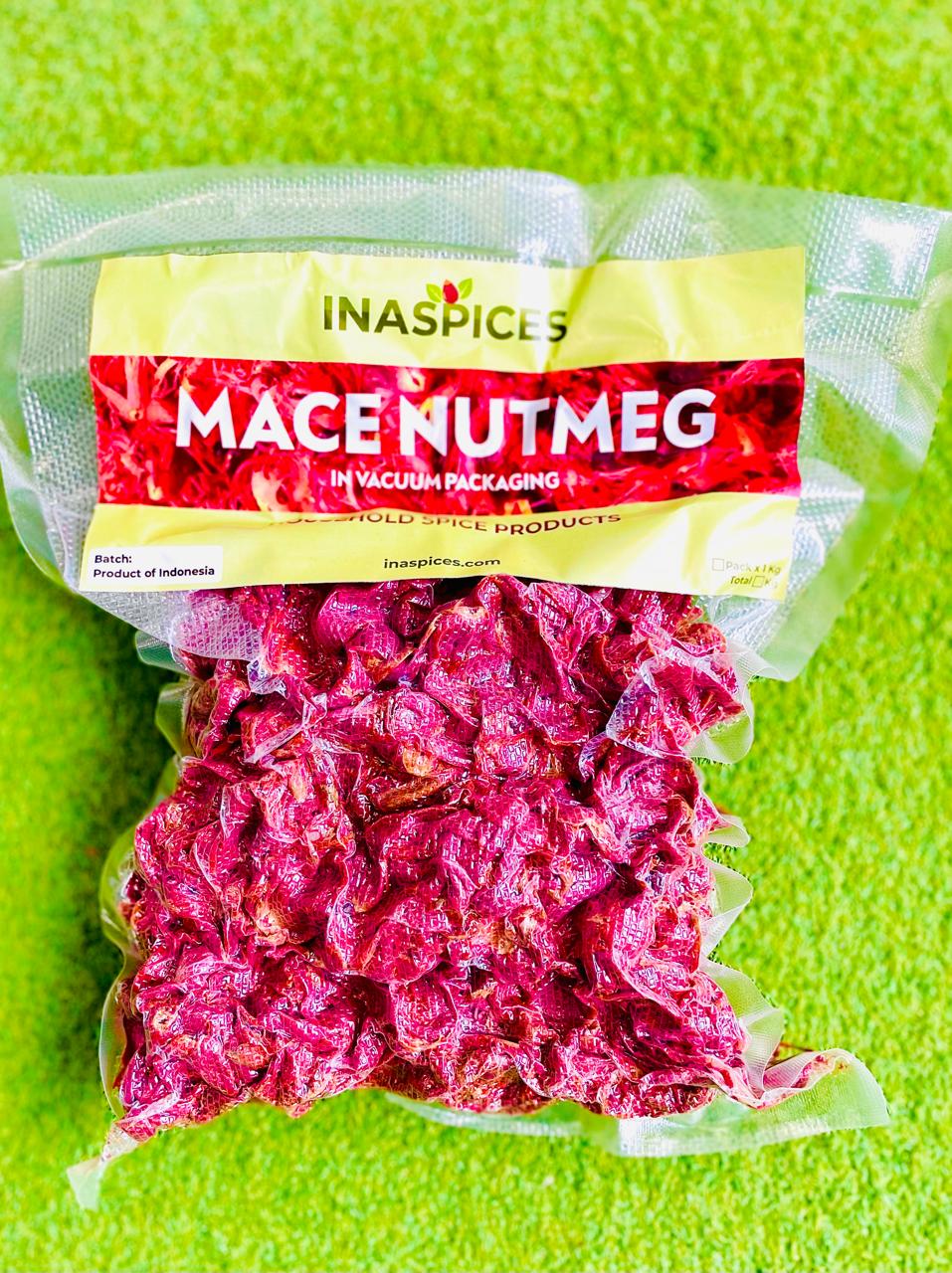
ንዓይነቱ ፍሉይ ናይ ኢንዶነዥያ ሙቅሊት ክትደልዩ እንተኾንኩም፣ inaspices.com ንዝበለጸ ጥራይ ዝቕርብ ኣድራሻ እዩ። ካብቲ ዝበለጸ ፓላን ቡንጋ ፓላን፣ ክሳዕ ንግህን ክርይድን፣ inaspices.com ንኹሉ ናይ ሙቅሊት ድሌትኩም ዝምልስ እዩ። ንኣብነት፣ ንዝበለጸ ዓፍታ ሆፕስ ምቅልታ፣ ንፍሉይ ኢሳ ሙስካት፣ ወይ ድማ ንክርይድ፣ ኣብ inaspices.com ክትረኽብዎም ትኽእሉ። ናብቲ ዓለም ናይ ኢንዶነዥያ ሙቅሊት ትሕት ኢልኩም ንትዓምዩ እንተኾንኩም፣ inaspices.com ምርጫኹም ይኹን።
Upload images to this post to show gallery.
In the vast archipelago of Indonesia, where emerald islands rise from cerulean seas, lies a treasure trove that has captivated empires and inspired culinary traditions across the globe for millennia: spices. From the pungent warmth of cloves to the delicate fragrance of mace, these botanical wonders are not merely ingredients; they are the heart of a profound heritage, a ‘pusaka rempah’ that speaks of ancient trade routes, legendary voyages, and an enduring connection between humanity and the natural world.
Join us on an aromatic journey as we delve into the captivating world of Nutmeg, Mace, Cloves, and Cinnamon – the jewels of the Indonesian spice kingdom. We’ll uncover their rich history, explore their surprising health benefits, celebrate their versatile applications, and understand their significance in today’s global market.
The story of spices from Indonesia is inextricably linked with the grand tapestry of human history. For centuries, these fragrant commodities were as valuable as gold, driving exploration, conquest, and the formation of global trade networks. The allure of these ‘aspices’ was so potent that it reshaped maps and destinies.
The fabled ‘sejarah jalur rempah’ – the history of the Spice Route – is intrinsically linked to Indonesia. Long before European explorers set sail, Arab, Indian, and Chinese traders navigated these very waters, establishing a vibrant exchange that brought nutmeg, mace, and cloves from their Moluccan origins to distant lands. This ancient network was not just about commerce; it was a conduit for cultural exchange, knowledge, and innovation. The demand for these exotic spices in ancient Rome, medieval Europe, and beyond fueled a relentless quest, shaping geopolitics and igniting rivalries that spanned oceans.
Delving into the ‘sejarah rempah rempah di indonesia’ reveals a saga of discovery, monopoly, and resilience. The Moluccas, often called the Spice Islands, were the sole natural habitat for nutmeg and cloves, making them the most coveted territories on Earth. Control over these islands meant unimaginable wealth, leading to fierce competition among colonial powers and leaving an indelible mark on the region’s history.
Today, Indonesia stands proudly as a guardian of this spice heritage. The term ‘pusaka rempah’ embodies this profound legacy – a precious heirloom passed down through generations. The traditional knowledge of cultivation, harvesting, and processing these spices is a testament to the deep connection between the Indonesian people and their land. This living heritage ensures that the authentic flavors and aromas that once tantalized ancient emperors continue to enrich modern kitchens around the globe.
From smallholder farms to bustling markets, the spirit of the spice trade thrives, preserving methods refined over centuries. This dedication to tradition, combined with a commitment to quality, ensures that Indonesian spices remain among the most sought-after ‘spices in’ the international market, continuing their role as culinary ambassadors.
Perhaps no spice embodies the magic of duality quite like nutmeg (Pala) and mace (Bunga Pala). Both are derived from the same fruit of the Myristica fragrans tree, yet they offer distinct aromatic profiles that enhance a vast array of dishes.
The nutmeg seed, nestled within its outer shell, is a powerhouse of warm, sweet, and slightly woody notes. Whether known as ‘múskat krydd’ in Scandinavian kitchens or simply nutmeg in English-speaking countries, its versatility is legendary. It’s an essential component in classic béchamel sauce, provides depth to potato gratin, and is indispensable in numerous baked goods, custards, and eggnogs. Each nutmeg, or ‘isa nutmeg’ as some might see it, carries a unique narrative, an embodiment of Indonesia’s rich soil and meticulous care.
Beyond the kitchen, nutmeg has a long history in traditional medicine. It’s been used as a digestive aid, an anti-inflammatory, and even as a sleep inducer. One fascinating compound found in nutmeg is Myristicin (מיריסטיצין), which in larger doses, is known for its psychoactive properties. This unique chemical composition contributes to nutmeg’s complex flavor and its historical use in various cultural practices. However, its use should always be in moderation due to its potency.
Surrounding the nutmeg seed is a lacy, crimson aril known as mace (Bunga Pala). Its flavor is more subtle, delicate, and refined than nutmeg, with hints of pepper and floral undertones. Mace is often preferred in lighter dishes where a gentler spice presence is desired, such as in cream sauces, soups, seafood, and certain cakes and pastries. Its beautiful orange-red hue also makes it a prized ingredient for both flavor and visual appeal.
In the global market, Mace HPS (Hand Picked Selected) is particularly sought after. This quality grade signifies that the mace has been meticulously sorted by hand, ensuring uniformity, minimal breakage, and superior aroma and color. This stringent selection process underlines the value placed on premium mace, distinguishing it for discerning chefs and food manufacturers worldwide. Like nutmeg, mace also offers traditional medicinal benefits, often used for digestive complaints and its anti-inflammatory properties.
Hailing from the Moluccan islands, cloves (Cengkeh) are the dried flower buds of the Syzygium aromaticum tree, renowned for their intense aroma and potent flavor. Their history is as rich and deep as their scent, having been traded across continents for thousands of years. The distinctive nail-like shape and warm, pungent, and slightly bitter taste make them unmistakable.
These precious ‘aspices’ find their way into an incredibly diverse range of cuisines. From savory dishes like ham glazes, stews, and curries to sweet treats such as gingerbread, apple pie, and mulled wine, cloves provide a captivating depth. They are a cornerstone of many spice blends, including garam masala and various pickling spices, proving their versatility across the culinary spectrum. Their intense flavor means a little goes a long way, infusing dishes with a comforting warmth.
Beyond their culinary applications, cloves boast impressive medicinal properties. The active compound, eugenol, gives cloves their distinctive aroma and acts as a powerful antiseptic and analgesic. For centuries, cloves have been used in traditional medicine for dental pain relief – a practice still common today. They are also known for their anti-inflammatory and antioxidant benefits, contributing to overall well-being. The persistent global demand for these ‘spices in’ various forms, from whole buds to essential oils, speaks volumes about their enduring value.
Cinnamon (Kayu Manis), with its sweet, woody, and slightly peppery notes, is one of the world’s most beloved and ancient spices. While several varieties exist, Indonesian cinnamon predominantly belongs to the Cassia family, offering a bolder, more robust flavor compared to its Ceylon counterpart. Its captivating aroma evokes comfort and indulgence, making it a perennial favorite.
The culinary uses of cinnamon are virtually endless. It graces an astonishing array of desserts, from apple crumbles and rice puddings to cookies and cakes. In beverages, it transforms hot chocolates, coffees, and teas into aromatic delights. While perhaps best known for its use in confections like Turkish delight (‘lokum’) with other flavors, cinnamon’s sweet warmth is equally celebrated in savory dishes, particularly in Middle Eastern, Indian, and North African cuisines, where it adds complexity to tagines, curries, and meat rubs. Its ability to bridge the gap between sweet and savory makes it an indispensable ingredient in countless recipes.
But cinnamon is not just for flavor; it’s a spice with significant health benefits. It’s widely studied for its potential to help regulate blood sugar levels, making it of interest to those managing diabetes. Cinnamon also possesses powerful antioxidant, anti-inflammatory, and antimicrobial properties. Its inclusion in daily diets has been linked to improved heart health and cognitive function, making this ancient ‘aspice’ a truly holistic wonder. The distinctive tree, with its aromatic bark, stands as a testament to nature’s bounty and Indonesia’s fertile lands.
From the ancient ‘sejarah jalur rempah’ to modern global kitchens, Indonesian spices continue to exert an irresistible influence. Nutmeg, mace, cloves, and cinnamon are more than just commodities; they are cultural touchstones, carrying stories of history, health, and unparalleled flavor. Their versatility ensures they remain vital ingredients, enriching everything from gourmet meals to everyday comforts. The demand for these high-quality ‘spices in’ various forms – whole, ground, or as essential oils – continues to grow, a testament to their enduring appeal.
Indonesia’s commitment to sustainable farming practices and quality control ensures that this ‘pusaka rempah’ continues to thrive, providing authentic, potent, and ethically sourced spices to the world. Each pinch or sprinkle connects us to a rich heritage, a vibrant culture, and the pure essence of nature’s finest gifts.
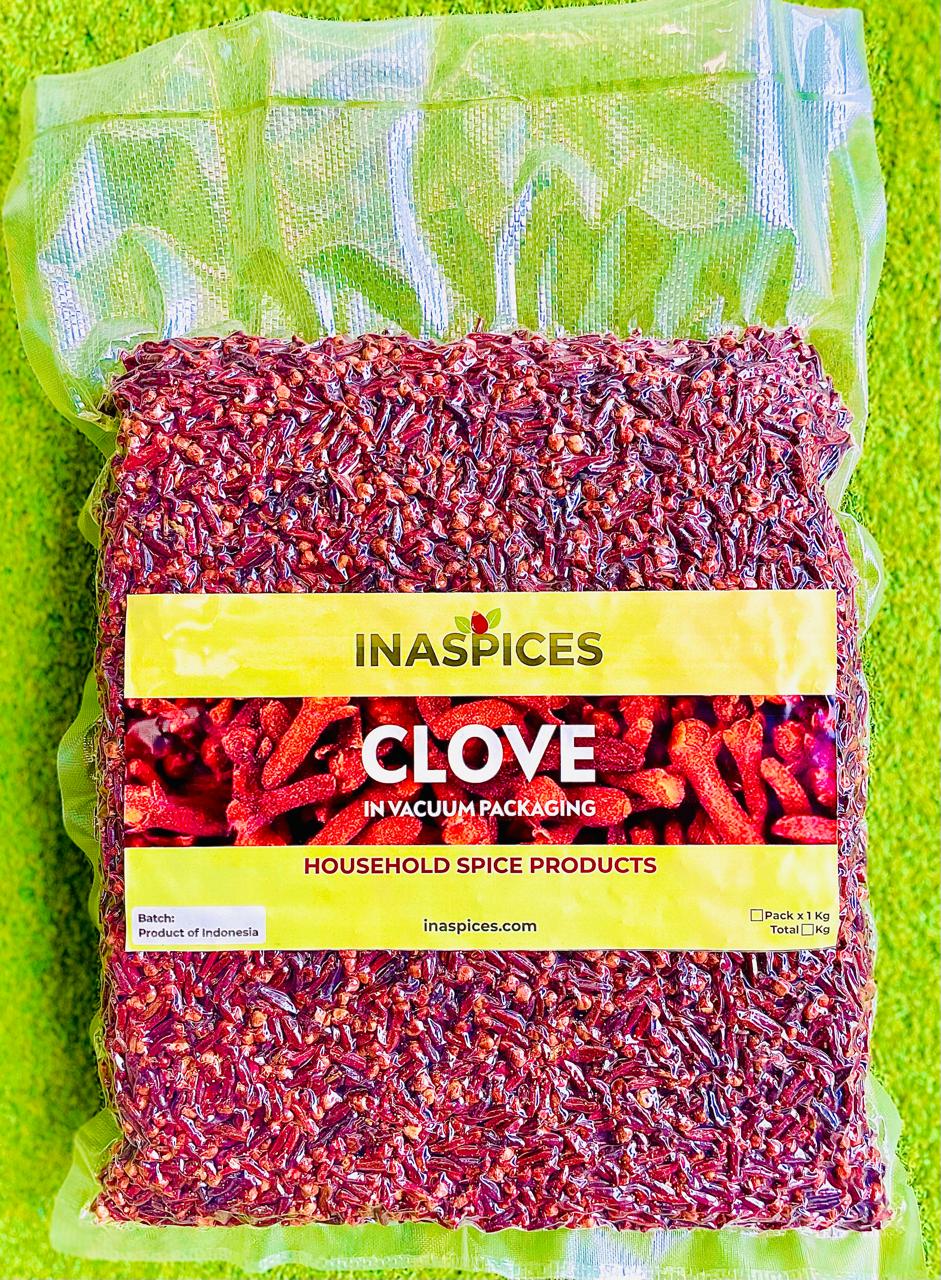
Ready to infuse your culinary creations with the authentic taste and aroma of Indonesia’s finest spices? Explore the curated selection of premium nutmeg, mace, cloves, and cinnamon at inaspices.com. Sourced directly from the heart of the Spice Islands and prepared with meticulous care, inaspices.com offers products that embody the true essence of Indonesian spice heritage. Elevate your dishes, embrace the health benefits, and become part of a centuries-old tradition with every sprinkle. Visit our nutmeg products, our mace products, and our clove selection today and bring the magic of Indonesia to your kitchen.
Upload images to this post to show gallery.
Imagine a world where the scent of warm spices wafted across oceans, sparking empires, fueling fierce rivalries, and ultimately shaping the very fabric of global civilization. This isn’t a fantasy; it’s the compelling reality woven by a handful of precious commodities born from the rich volcanic soil of the Indonesian archipelago. For centuries, spices like nutmeg, mace, cloves, and cinnamon were more valuable than gold, driving explorers across uncharted seas and igniting a quest for power that would forever alter the course of human history.
Indonesia, often referred to as the “Spice Islands,” holds an unparalleled legacy as the cradle of these aromatic treasures. From ancient trade routes to modern kitchens, the influence of these remarkable botanicals is undeniable. Join us as we embark on a sensory and historical voyage, delving into the captivating stories, health benefits, and enduring charm of nutmeg, mace, cloves, and cinnamon – the true jewels of Indonesia’s culinary and cultural heritage.
The tale of Indonesian spices begins millennia ago, with indigenous communities understanding and utilizing these potent plants. However, their global significance exploded with the advent of the ancient trade networks that formed the backbone of what we now know as the sejarah jalur rempah, or the Spice Route. This intricate web of maritime and overland paths connected the East with the West, carrying not just goods, but also ideas, cultures, and religions across vast distances. For centuries, Arab, Indian, and Chinese traders navigated perilous waters to reach the Moluccas – the legendary Spice Islands of eastern Indonesia – in search of nutmeg, mace, and cloves.
The true explosion in demand, however, came with European discovery in the 15th and 16th centuries. The Portuguese, followed by the Dutch and English, embarked on daring expeditions, driven by the insatiable desire to control the lucrative spice trade. This era marks a pivotal chapter in the sejarah rempah rempah di indonesia, as foreign powers battled fiercely for monopolies, leading to colonial conquests, treaties, and conflicts that profoundly impacted the local populations and the global economy. Owning a single nutmeg tree was once a mark of extreme wealth, and a handful of cloves could buy a ship. These spices were not merely flavor enhancers; they were currency, status symbols, and powerful agents of change that reshaped geopolitics.
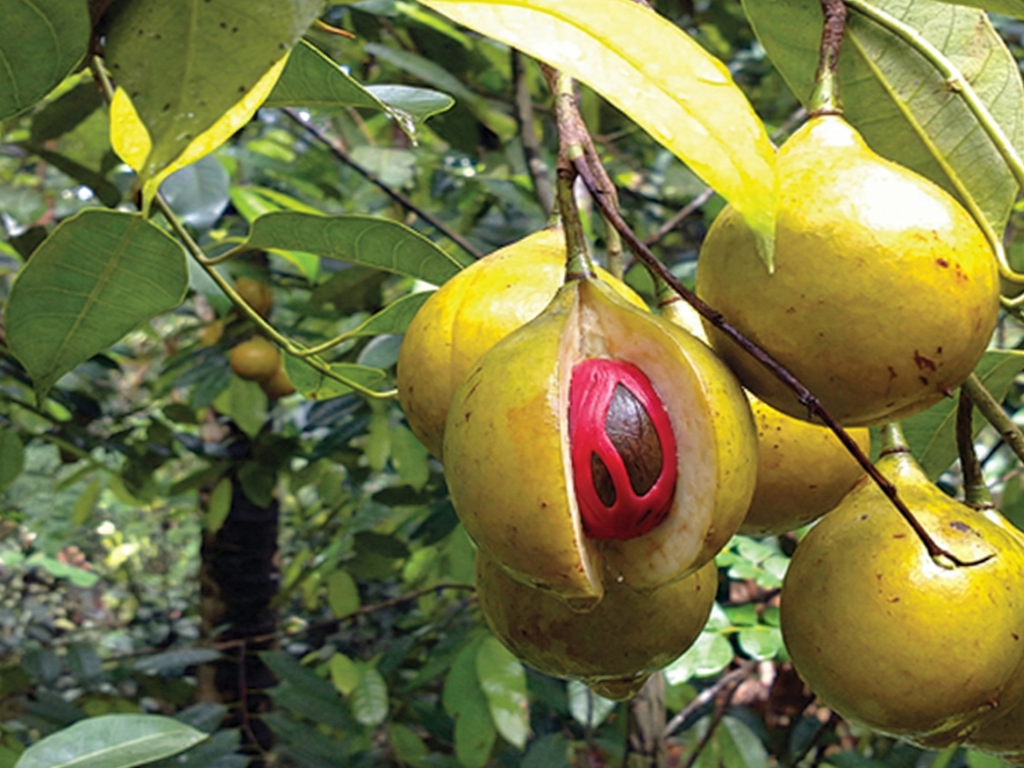
Among the most storied of these treasures are nutmeg (Pala) and its delicate sister spice, mace (Bunga Pala). Both derive from the fruit of the Myristica fragrans tree, native exclusively to the Banda Islands in the Moluccas. The nutmeg fruit, resembling a small apricot, splits open when ripe to reveal a hard, dark-brown seed – this is the nutmeg. Encasing this seed is a vibrant, lacy red aril, which, when carefully removed and dried, becomes mace. The painstaking process of harvesting, separating, and drying ensures the quality of these precious products, resulting in what connoisseurs know as top-grade mace hps (hand-picked select).
For centuries, the Banda Islands held the global monopoly on this extraordinary spice duo, making them the most coveted islands on Earth. Control over this supply led to some of the most brutal chapters of colonial history. Today, the nutmeg is a highly prized spice globally, known for its warm, sweet, and slightly pungent flavor. From desserts to savory dishes, it lends an unmistakable depth. Many cultures cherish múskat krydd in their traditional cuisines, finding it indispensable.
Beyond its culinary prowess, nutmeg has a fascinating profile. It contains a compound called מיריסטיצין (Myristicin), which contributes to its unique aroma and has been studied for its potential neuropharmacological effects, though in high doses, it can be intoxicating. Historically, it was believed to ward off the plague, further cementing its value.
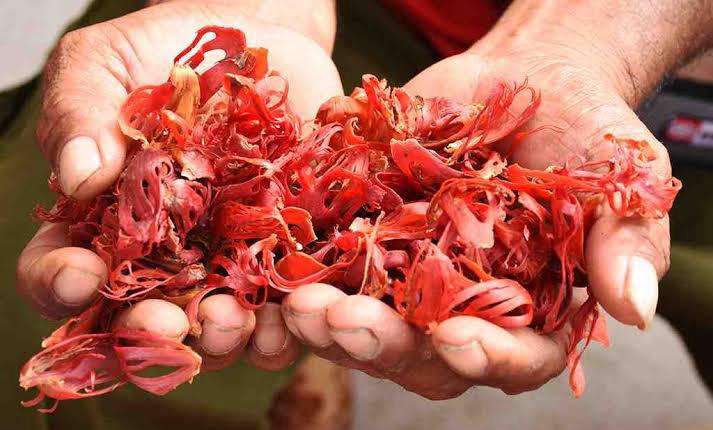
Another king of the Spice Islands, cloves (Cengkeh) are the dried, unopened flower buds of the evergreen Syzygium aromaticum tree, also indigenous to the Moluccas, particularly the islands of Ternate and Tidore. These small, nail-shaped buds possess an intensely aromatic, pungent, and slightly sweet flavor, making them a staple in cuisines worldwide.
The history of cloves is as rich and fragrant as the spice itself. Ancient Chinese texts from the Han Dynasty describe courtiers holding cloves in their mouths to freshen breath before addressing the emperor. Cloves were highly valued in Rome, a testament to their early integration into diverse diets and cultures. Throughout the Middle Ages, cloves were a prized commodity in Europe, used for preserving food, medicinal purposes, and as a culinary ingredient. The global demand for these “spices in” various culinary traditions only grew over time.
Beyond their culinary uses – from mulled wine and baked goods to curries and braised meats – cloves have a long history in traditional medicine. Their active compound, eugenol, is a powerful antioxidant and has natural anesthetic and antiseptic properties, which is why cloves are still used today as a natural remedy for toothaches.
While often associated with Sri Lanka, Indonesia is a significant producer of cinnamon (Kayu Manis), primarily the Cassia variety (Cinnamomum cassia or Cinnamomum burmannii). This beloved spice is derived from the inner bark of several tree species from the genus Cinnamomum. The bark is peeled, dried, and then curls into the distinctive quills we recognize as cinnamon sticks or ground into powder.
Cinnamon’s history is equally ancient, appearing in Egyptian hieroglyphs, mentioned in the Bible, and cherished by Romans. It was one of the first spices to be traded and its origins were kept secret for centuries by traders who wanted to maintain their monopoly. The quest for this aromatic bark, alongside other aspices, played a crucial role in early explorations.
Indonesian cinnamon, with its strong, sweet, and slightly pungent flavor profile, is a staple in many dishes. It’s a key ingredient in everything from comforting apple pies and spiced lattes to robust stews and marinades. Its versatility is such that it finds its way into diverse global sweets, including Turkish delight, or lokum, where its warm notes provide a delightful balance to sweet flavors.
Beyond its culinary charm, cinnamon is celebrated for its health benefits. It is rich in antioxidants, has anti-inflammatory properties, and has been studied for its potential role in regulating blood sugar levels. It’s truly a spice that offers both flavor and wellness.
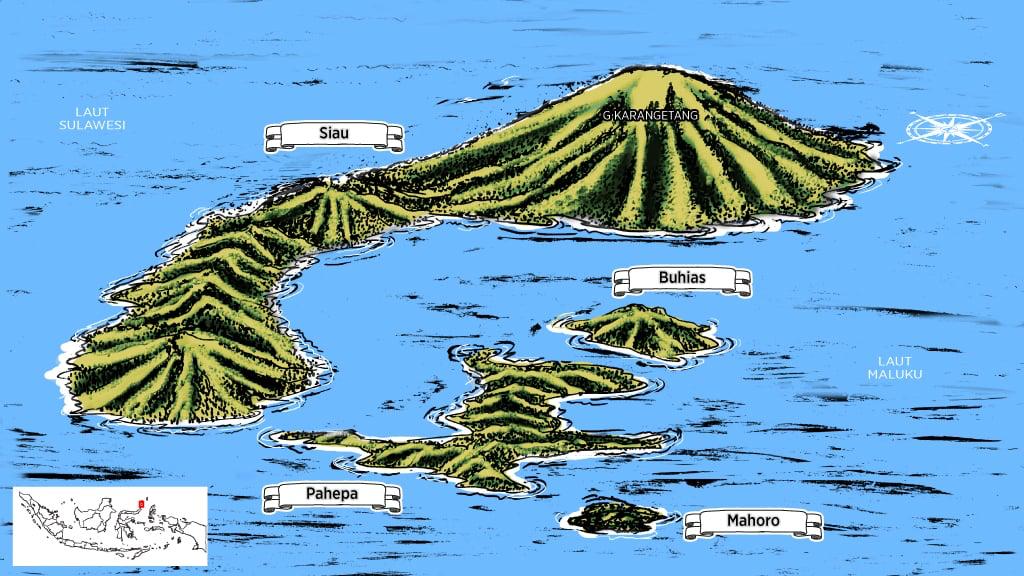
The term Pusaka Rempah literally translates to “spice heritage,” and it encapsulates the profound cultural, economic, and historical significance of spices in Indonesia. It’s more than just a collection of plants; it’s a living legacy that defines a nation. From traditional ceremonies and medicinal practices to daily culinary delights, these spices are interwoven into the very fabric of Indonesian life. The Moluccas, especially islands like Siau, continue to embody this heritage, with traditional farming methods passed down through generations.
The preservation of this heritage is crucial, not only for Indonesia but for the world. It ensures the continued availability of authentic, high-quality spices, supporting local farmers and safeguarding ancient knowledge about their cultivation and use. This pusaka rempah connects modern consumers to a rich and vibrant history that spans continents and centuries.
The allure of Indonesian spices extends far beyond their taste. They are powerhouses of natural compounds with various health benefits:
From being a medieval aphrodisiac (nutmeg) to a breath freshener for emperors (cloves), these spices have always held a special place in human history, proving their worth not just in flavor, but in wellness and cultural significance.
The story of Indonesian spices is a testament to nature’s bounty and humanity’s relentless pursuit of flavor and fortune. Nutmeg, mace, cloves, and cinnamon are more than mere ingredients; they are living testaments to an enduring heritage, a pusaka rempah that continues to captivate and inspire. Their intricate flavors and aromas weave through global cuisines, connecting us to ancient traditions and vibrant cultures.
If you’re inspired to bring the authentic taste and rich history of these extraordinary spices into your own kitchen, we highly recommend exploring the premium selection at inaspices.com. They specialize in delivering high-quality, authentic Indonesian spices, ensuring you experience the true essence of these culinary jewels. Discover their range of products, from the finest nutmeg and mace to aromatic cloves and sweet cinnamon, and embark on your own flavorful journey.
Upload images to this post to show gallery.
အင်ဒိုနီးရှား၊ ကျွန်းပေါင်းများစွာဖြင့် ဖွဲ့စည်းထားသော နိုင်ငံသည် ရာစုနှစ်များစွာကြာအောင် ကမ္ဘာ့အမွှေးအကြိုင် ကုန်သွယ်ရေး၏ ဗဟိုချက်မ ဖြစ်ခဲ့သည်။ ဤကျွန်းစု၏ မြေဩဇာကောင်းမွန်မှုနှင့် ရာသီဥတုက အဖိုးတန်အပင်များကို ပေါက်ရောက်စေပြီး ၎င်းတို့၏ စူးရှသောရနံ့များနှင့် ဆေးဖက်ဝင် ဂုဏ်သတ္တိများကြောင့် တစ်ကမ္ဘာလုံးကို စွဲဆောင်ခဲ့သည်။ သမိုင်းတစ်လျှောက်လုံးတွင်၊ pusaka rempah (အမွှေးအကြိုင်အမွေအနှစ်) သည် ကမ္ဘာ့ယဉ်ကျေးမှု၊ စီးပွားရေးနှင့် နိုင်ငံရေးတို့ကို ပုံဖော်ခဲ့သည်။ အထူးသဖြင့် လေးညှင်းပွင့်၊ သစ်ကြံပိုးခေါက်၊ ဖာလာနှင့် ဖာလာပွင့်တို့သည် ဤဒဏ္ဍာရီဆန်သော sejarah jalur rempah (အမွှေးအကြိုင်လမ်းကြောင်း သမိုင်း) ၏ ကြယ်ပွင့်များဖြစ်သည်။
ဤဆောင်းပါးတွင်၊ ကျွန်ုပ်တို့သည် ဤအံ့ဖွယ်အမွှေးအကြိုင်များ၏ နက်ရှိုင်းသောကမ္ဘာထဲသို့ ထိုးဖောက်ဝင်ရောက်ကာ ၎င်းတို့၏သမိုင်း၊ ကျန်းမာရေးအကျိုးကျေးဇူးများနှင့် ၎င်းတို့သည် ကမ္ဘာတစ်ဝှမ်းရှိ စားဖိုမှူးများ၊ ဆေးသမားများနှင့် စွန့်စားရှာဖွေသူများကို ဆက်လက်ဖမ်းစားပုံတို့ကို ရှာဖွေသွားမည်ဖြစ်သည်။
အင်ဒိုနီးရှားရှိ Banda ကျွန်းစုမှ ပေါက်ဖွားလာသော ဖာလာ (Myristica fragrans) သည် ကမ္ဘာ့သမိုင်းတွင် အရေးပါသော အခန်းကဏ္ဍမှ ပါဝင်ခဲ့သည့် အမွှေးအကြိုင်နှစ်မျိုးလုံး၏ အရင်းအမြစ်ဖြစ်သည်။ ဖာလာပင်သည် ရနံ့သင်းပျံ့သော အသီးကိုသီးပြီး ထိုအသီးအတွင်းတွင် ဖာလာစေ့နှင့် ဖာလာပွင့်တို့ကို တွေ့ရသည်။ ဖာလာစေ့ (nutmeg) သည် ခိုင်မာပြီး မြေသားရနံ့ရှိကာ ဖာလာပွင့် (mace) သည် နူးညံ့ပြီး ပိုမိုမွှေးပျံ့သော ရနံ့ရှိသည်။ ဤအမြွှာသည် ဟင်းလျာများ၊ ဆေးဝါးများနှင့် ရနံ့ပေါင်းများစွာတွင် အဖိုးမဖြတ်နိုင်သော ပါဝင်ပစ္စည်းများ ဖြစ်သည်။
ဖာလာပွင့် (mace) သည် ဖာလာစေ့ကို ဖုံးအုပ်ထားသည့် နီညိုရောင် အသားမျှင် ဖြစ်သည်။ ၎င်းကို သီးခြားထုတ်ယူပြီး နေလှန်းခြင်းဖြင့် လှပသော ပယင်းရောင် အမွှေးအကြိုင် ဖြစ်လာသည်။ mace hps သည် “Hand Picked Select” ကို ရည်ညွှန်းပြီး ဖာလာပွင့်၏ အမြင့်ဆုံး အရည်အသွေးကို ဖော်ညွှန်းသည်။ ၎င်းသည် ရနံ့အပြင်းဆုံးနှင့် အရောင်အလှဆုံးသော ဖာလာပွင့်ကို ကိုယ်စားပြုသည်။ ဖာလာပွင့်ကို ကိတ်မုန့်၊ ဟင်းချို၊ ဆော့စ်နှင့် အသားဟင်းများတွင် အသုံးပြုလေ့ရှိပြီး ၎င်း၏နူးညံ့သောရနံ့သည် ဖာလာစေ့ထက် ပိုမိုသိမ်မွေ့သည်။
ဖာလာစေ့ကိုယ်တိုင်က ကမ္ဘာတစ်ဝှမ်းတွင် လူကြိုက်များသည်။ ဥပမာအားဖြင့်၊ အိုက်စလန်တွင် ၎င်းကို múskat krydd ဟုခေါ်ပြီး ပေါင်မုန့်၊ အချိုပွဲများနှင့် အချိုရည်များတွင် မကြာခဏ အသုံးပြုကြသည်။ ဖာလာ၏ ဆေးဖက်ဝင် အကျိုးကျေးဇူးများသည်လည်း ရာစုနှစ်များစွာကတည်းက အသိအမှတ်ပြုထားပြီးဖြစ်သည်။ ၎င်းတွင် အစွမ်းထက်သော ဓာတ်တိုးဆန့်ကျင်ပစ္စည်းများ ပါဝင်ပြီး ရိုးရာဆေးပညာတွင် အစာခြေဖျက်ခြင်းကို ကူညီရန်၊ အိပ်မပျော်ခြင်းကို ကုသရန်နှင့် နာကျင်မှုကို သက်သာစေရန် အသုံးပြုခဲ့ကြသည်။
လေးညှင်းပွင့် (Syzygium aromaticum) သည် အင်ဒိုနီးရှား၊ မော်လပ်ကပ်စ်ကျွန်းများ (Spice Islands) မှ မူရင်းပေါက်ဖွားသော အခြားသော အဖိုးတန်အမွှေးအကြိုင်ဖြစ်သည်။ ၎င်းသည် လေးညှင်းပင်၏ မခြောက်သေးသော ပန်းဖူးများဖြစ်သည်။ ရှေးခေတ်ကတည်းက လေးညှင်းပွင့်ကို ကမ္ဘာတစ်ဝှမ်းရှိ ယဉ်ကျေးမှုများစွာတွင် အစားအသောက်၊ ဆေးဝါးနှင့် ရနံ့အဖြစ် အသုံးပြုခဲ့ကြသည်။ sejarah rempah rempah di indonesia (အင်ဒိုနီးရှားရှိ အမွှေးအကြိုင်များ၏ သမိုင်း) တွင် လေးညှင်းပွင့်သည် အလွန်အရေးပါသော အခန်းကဏ္ဍမှ ပါဝင်ခဲ့ပြီး ပေါ်တူဂီ၊ ဒတ်ချ်နှင့် အင်္ဂလိပ် စူးစမ်းရှာဖွေသူများကို ဆွဲဆောင်ခဲ့သည်။
လေးညှင်းပွင့်သည် အစွမ်းထက်သော ဓာတ်တိုးဆန့်ကျင်ပစ္စည်းများနှင့် Eugenol ဟုခေါ်သော ဒြပ်ပေါင်းတစ်မျိုး ကြွယ်ဝသည်။ ဤအကြောင်းကြောင့် ၎င်းကို ရိုးရာဆေးပညာတွင် ကျယ်ကျယ်ပြန့်ပြန့် အသုံးပြုကြသည်။
လေးညှင်းပွင့်ကို ဟင်းလျာများစွာတွင် spices in အဖြစ် အသုံးပြုကြသည်။ အင်ဒိုနီးရှားတွင် ၎င်းကို Rendang ကဲ့သို့ ဟင်းများ၊ အချိုရည်များနှင့် ကော်ဖီတို့တွင် ထည့်သွင်းကြသည်။ တူရကီအချိုပွဲ lokum (Turkish delight) ကဲ့သို့သော နိုင်ငံတကာ အစားအသောက်များတွင်လည်း လေးညှင်းပွင့်၏ ရနံ့ကို တွေ့နိုင်သည်။
သစ်ကြံပိုးခေါက် (Cinnamomum verum သို့မဟုတ် Cinnamomum cassia) သည် အင်ဒိုနီးရှား အပါအဝင် အရှေ့တောင်အာရှတွင် တွင်ကျယ်စွာ ပေါက်ရောက်သော သစ်ပင်မျိုးစိတ်များစွာမှ ရရှိသော အမွှေးအကြိုင်ဖြစ်သည်။ ၎င်းကို သစ်ပင်၏ အတွင်းခေါက်မှ ရရှိပြီး ခြောက်သွေ့သောအခါ လှိမ့်ထားသော လက္ခဏာရပ် အချောင်းများ ဖြစ်ပေါ်လာသည်။ သစ်ကြံပိုးခေါက်သည် ၎င်း၏ချိုမြိန်ပြီး ပူနွေးသောရနံ့ကြောင့် ကမ္ဘာတစ်ဝှမ်းတွင် လူကြိုက်များသော aspices ဖြစ်သည်။
သစ်ကြံပိုးခေါက်သည် ရိုးရာဆေးပညာတွင် ရာစုနှစ်များစွာ အသုံးပြုခဲ့သော အစွမ်းထက်သော အမွှေးအကြိုင်ဖြစ်သည်။
သစ်ကြံပိုးခေါက်ကို ကော်ဖီ၊ လက်ဖက်ရည်၊ အချိုပွဲများ၊ မုန့်ဖုတ်ပစ္စည်းများနှင့် ဟင်းများတွင် ကျယ်ကျယ်ပြန့်ပြန့် အသုံးပြုကြသည်။ ၎င်း၏ မွှေးကြိုင်သောရနံ့သည် မည်သည့်ဟင်းလျာကိုမဆို ထူးခြားသော အရသာကို ပေးစွမ်းနိုင်သည်။
အင်ဒိုနီးရှား၏ အမွှေးအကြိုင်များသည် ရိုးရှင်းသော ဟင်းခတ်ပစ္စည်းများထက် များစွာပိုသည်။ ၎င်းတို့သည် သမိုင်း၊ ယဉ်ကျေးမှုနှင့် ဆေးပညာတို့၏ အမွေအနှစ်ကို ကိုယ်စားပြုသည်။ pusaka rempah ဟူသော အယူအဆသည် ဤအဖိုးတန် အပင်များ၏ ယဉ်ကျေးမှုနှင့် စီးပွားရေးဆိုင်ရာ အရေးပါမှုကို ဖမ်းစားထားသည်။ ဤအမွှေးအကြိုင်များအတွက် ကမ္ဘာ့လိုအပ်ချက်သည် ယနေ့တိုင် ခိုင်မာနေဆဲဖြစ်ပြီး အင်ဒိုနီးရှားသည် အရည်အသွေးမြင့် ထုတ်ကုန်များကို ကမ္ဘာသို့ ဆက်လက်ပေးပို့နေသည်။
အင်ဒိုနီးရှားမှ လာသော ဖာလာ (nutmeg) သည် ၎င်း၏ထူးခြားသော အရည်အသွေးကြောင့် ကမ္ဘာတစ်ဝှမ်းတွင် အသိအမှတ်ပြုထားသည်။ isa nutmeg (အင်ဒိုနီးရှား ဖာလာ) ဟူသော စကားစုသည် ဤကျွန်းစု၏ အစွမ်းထက်သော အမွေအနှစ်ကို ဖော်ညွှန်းသည်။ ဤနေရာရှိ မြေဆီလွှာနှင့် ရာသီဥတုတို့က အခြားမည်သည့်နေရာတွင်မှ မရနိုင်သော ထူးခြားသော ရနံ့နှင့် အရသာကို ဖာလာစေ့များကို ပေးစွမ်းသည်။
ဖာလာ၊ ဖာလာပွင့်၊ လေးညှင်းပွင့်နှင့် သစ်ကြံပိုးခေါက်တို့သည် သင့်မီးဖိုချောင်တွင် အသုံးပြုနိုင်သော ဘက်စုံသုံး အမွှေးအကြိုင်များဖြစ်သည်။
ဤအမွှေးအကြိုင်များသည် ရိုးရှင်းသောပါဝင်ပစ္စည်းများမှသည် အံ့သြဖွယ်ကောင်းသော ဟင်းလျာများအထိ ပြောင်းလဲပေးနိုင်စွမ်းရှိသည်။ ၎င်းတို့သည် သမိုင်းကြောင်းများစွာကို ပြောပြပြီး သင့်အစားအစာများကို ရနံ့အသစ်များဖြင့် ကြွယ်ဝစေမည်ဖြစ်သည်။
အင်ဒိုနီးရှား၏ ရင်သပ်ရှုမောဖွယ် အမွှေးအကြိုင်များ၏ ကမ္ဘာကြီးထဲသို့ ထိုးဖောက်ဝင်ရောက်ခြင်းသည် အာရုံငါးပါးအတွက် ပွဲတစ်ပွဲဖြစ်သည်။ ဖာလာ၏ သိမ်မွေ့သောရနံ့မှ လေးညှင်းပွင့်၏ စူးရှသောရနံ့အထိ၊ ဤ pusaka rempah များသည် ကမ္ဘာတစ်ဝှမ်းရှိ စားဖိုမှူးများ၊ ဆေးသမားများနှင့် စူးစမ်းရှာဖွေသူများကို ရာစုနှစ်များစွာကြာအောင် ဖမ်းစားထားခဲ့သည်။ ၎င်းတို့၏ ကြွယ်ဝသောသမိုင်း၊ ကျန်းမာရေးအကျိုးကျေးဇူးများနှင့် မီးဖိုချောင်သုံးနိုင်မှုတို့က ၎င်းတို့အား ကမ္ဘာ့အဖိုးတန်ဆုံး သဘာဝရတနာများထဲမှ တစ်ခုဖြစ်စေသည်။
သင်သည် မီးဖိုချောင်ကို စူးစမ်းလေ့လာသူဖြစ်စေ၊ ကျန်းမာရေးကို ဂရုစိုက်သူဖြစ်စေ၊ သို့မဟုတ် ရိုးရှင်းစွာ ထူးခြားသော အရသာများကို နှစ်သက်သူဖြစ်စေ၊ ဤအမွှေးအကြိုင်များသည် သင့်ဘဝကို အမှန်ပင် ကြွယ်ဝစေမည်ဖြစ်သည်။ အင်ဒိုနီးရှား၏ အရည်အသွေးအကောင်းဆုံး အမွှေးအကြိုင်များ၏ စစ်မှန်သော အရသာနှင့် ရနံ့များကို တွေ့ကြုံခံစားရန်၊ သင်သည် inaspices.com သို့ သွားရောက်ကြည့်ရှုပြီး ကျွန်ုပ်တို့၏ ပရီမီယံ ဖာလာ၊ ဖာလာပွင့်၊ လေးညှင်းပွင့်နှင့် သစ်ကြံပိုးခေါက် ထုတ်ကုန်များကို ရှာဖွေနိုင်ပါသည်။ ဤရှေးဟောင်း ရတနာများသည် သင့်စားပွဲသို့ ယူဆောင်လာနိုင်သော အံ့သြဖွယ်ကောင်းသော အရာများကို တွေ့ကြုံခံစားလိုက်ပါ။
Upload images to this post to show gallery.
Kai Kai, Zugubal! Naipa wati wap, wati na Pala, Bunga Pala, Cengkeh ma Kayu Manis. Dese rempah, dese Mura Indonesia na wap mi na naipa. Kalagaw, dese rempah, dese Zugubal na kala zug, kala na dunia na. Kabi na, dese rempah na wati, na Zugubal pawa ma Zugubal mati, ma Zugubal kala zug.
Kala lagaw, naipa wati, Mura Indonesia na Zugubal kabi dese rempah na mi wap. Dese rempah, Pala (Nutmeg), Bunga Pala (Mace), Cengkeh (Cloves), ma Kayu Manis (Cinnamon), dese Zugubal na matu wap. Dese rempah na mi na, Zugubal na Zug na kala zug na dunia na. Dese rempah na, dese Zugubal na pusaka rempah na wap. Zugubal na kabi dese rempah na pawa na, dese mati na, dese pawa na, ma dese mi na. Sejarah rempah rempah di Indonesia, dese wati na, na dese Mura na Zugubal na matu na mi na, Zugubal na Zug na matu na mi na.
Kala lagaw, dese rempah na Zugubal na mi na matu. Dese rempah na Zugubal na mati na mi na. Kabi na, dese rempah na mi na, Zugubal na Zug na kala zug, dese Zugubal na Zug na dunia na kabi dese rempah na mi na. Naipa wati na, dese rempah na Zugubal na mi na matu. Dese rempah na Zugubal na mati na mi na. Kabi na, dese rempah na mi na, Zugubal na Zug na kala zug, dese Zugubal na Zug na dunia na kabi dese rempah na mi na. Dese wati na, na dese Mura na Zugubal na matu na mi na, Zugubal na Zug na matu na mi na. Kabi na, dese rempah na Zugubal na mi na matu. Dese rempah na Zugubal na mati na mi na. Kabi na, dese rempah na mi na, Zugubal na Zug na kala zug, dese Zugubal na Zug na dunia na kabi dese rempah na mi na. Naipa wati na, dese rempah na Zugubal na mi na matu. Dese rempah na Zugubal na mati na mi na. Kabi na, dese rempah na mi na, Zugubal na Zug na kala zug, dese Zugubal na Zug na dunia na kabi dese rempah na mi na.
Naipa Zugubal, dese rempah na mi na wap. Dese rempah na mi na, Zugubal na Zug na kala zug, dese Zugubal na Zug na dunia na kabi dese rempah na mi na. Dese wati na, na dese Mura na Zugubal na matu na mi na, Zugubal na Zug na matu na mi na. Dese rempah na mi na wap, dese rempah na Zugubal na mati na ma pawa na mi na. Dese Zugubal na Zug na kala zug na dunia na, dese rempah na mi na, na Zugubal na mati na, na Zugubal na pawa na. Dese wati na, na dese Mura na Zugubal na matu na mi na, Zugubal na Zug na matu na mi na. Kabi na, dese rempah na Zugubal na mi na matu. Dese rempah na Zugubal na mati na mi na. Kabi na, dese rempah na mi na, Zugubal na Zug na kala zug, dese Zugubal na Zug na dunia na kabi dese rempah na mi na.
Pala, dese isa nutmeg, ma Bunga Pala, dese mace, dese Zugubal na matu na rempah na Mura Indonesia na. Pala na mi na, na biji na, ma Bunga Pala na mi na, na kulit merah na, dese biji na. Dese rempah na, dese mati na mi na, dese pawa na mi na. Dese Pala na mi na, dese mati na mi na, dese wati na, dese mati na mi na, dese pawa na mi na. Dese Bunga Pala na mi na, dese mati na mi na, dese wati na, dese mati na mi na, dese pawa na mi na. Dese rempah na, dese Zugubal na matu na mi na. Dese Zugubal na mati na, dese Zugubal na pawa na, dese Zugubal na Zug na mi na. Dese mace hps, dese mace high quality, dese Zugubal na mi na wap. Kabi na, dese mace hps na mi na, dese Zugubal na Zug na dunia na kabi dese rempah na mi na.
Na Pala, dese mi na, na mati na mi na, na pawa na mi na. Dese mi na, na mati na mi na, na sup na mi na, na roti na mi na. Dese mi na, na mati na mi na, na roti na mi na, na sup na mi na. Dese mi na, na pawa na mi na. Dese mi na, na Zugubal na pawa na mi na, na Zugubal na mati na mi na. Kabi na, dese Pala na mi na, dese Zugubal na Zug na dunia na kabi dese rempah na mi na. Dese múskat krydd, dese nutmeg spice, dese Zugubal na mi na wap. Kabi na, dese múskat krydd na mi na, dese Zugubal na Zug na dunia na kabi dese rempah na mi na.
Pala na mi na, dese Zugubal na pawa na mi na. Pala na mi na, dese Zugubal na mati na mi na, dese Zugubal na pawa na mi na. Dese Pala na mi na, dese chemical na myristicin na mi na. Myristicin na mi na, dese Zugubal na pawa na mi na. Dese Zugubal na pawa na mi na, dese Zugubal na mati na mi na. Kabi na, dese Pala na mi na, dese Zugubal na pawa na mi na. Dese Zugubal na Zug na dunia na, dese Pala na mi na, dese Zugubal na pawa na mi na, dese Zugubal na mati na mi na. Dese Pala na mi na, dese Zugubal na pawa na mi na. Dese Zugubal na mati na mi na, dese Zugubal na pawa na mi na. Dese Pala na mi na, dese Zugubal na mati na mi na, dese Zugubal na pawa na mi na.
Cengkeh, dese Zugubal na matu na rempah na Mura Indonesia na. Cengkeh na mi na, na bunga na, na batang na. Dese Cengkeh na mi na, dese mati na mi na, dese pawa na mi na. Dese Cengkeh na mi na, dese mati na mi na, dese wati na, dese mati na mi na, dese pawa na mi na. Dese Cengkeh na mi na, dese Zugubal na matu na mi na. Dese Zugubal na mati na, dese Zugubal na pawa na, dese Zugubal na Zug na mi na. Dese aspices, dese spices, dese Zugubal na mi na wap. Kabi na, dese aspices na mi na, dese Zugubal na Zug na dunia na kabi dese rempah na mi na.
Cengkeh na mi na, dese Zugubal na pawa na mi na. Cengkeh na mi na, dese Zugubal na mati na mi na, dese Zugubal na pawa na mi na. Dese Cengkeh na mi na, dese anti-oxidant na mi na. Dese anti-oxidant na mi na, dese Zugubal na pawa na mi na. Dese Zugubal na pawa na mi na, dese Zugubal na mati na mi na. Kabi na, dese Cengkeh na mi na, dese Zugubal na pawa na mi na. Dese Zugubal na Zug na dunia na, dese Cengkeh na mi na, dese Zugubal na pawa na mi na, dese Zugubal na mati na mi na. Dese Cengkeh na mi na, dese Zugubal na pawa na mi na. Dese Zugubal na mati na mi na, dese Zugubal na pawa na mi na. Dese Cengkeh na mi na, dese Zugubal na mati na mi na, dese Zugubal na pawa na mi na. Dese spices in food, dese Cengkeh na mi na wap. Dese spices in traditional medicine, dese Cengkeh na mi na wap. Kabi na, dese Cengkeh na mi na, dese Zugubal na Zug na dunia na kabi dese rempah na mi na. Lokum, dese sweet, dese Cengkeh na mi na, dese mati na mi na. Dese Cengkeh na mi na, dese mati na mi na, dese sweet na mi na, dese Zugubal na mi na.
Kayu Manis, dese Zugubal na matu na rempah na Mura Indonesia na. Kayu Manis na mi na, na kulit na. Dese Kayu Manis na mi na, dese mati na mi na, dese pawa na mi na. Dese Kayu Manis na mi na, dese mati na mi na, dese wati na, dese mati na mi na, dese pawa na mi na. Dese Kayu Manis na mi na, dese Zugubal na matu na mi na. Dese Zugubal na mati na, dese Zugubal na pawa na, dese Zugubal na Zug na mi na. Dese spices in desserts, dese Kayu Manis na mi na wap. Kabi na, dese Kayu Manis na mi na, dese Zugubal na Zug na dunia na kabi dese rempah na mi na.
Kayu Manis na mi na, dese Zugubal na pawa na mi na. Kayu Manis na mi na, dese Zugubal na mati na mi na, dese Zugubal na pawa na mi na. Dese Kayu Manis na mi na, dese blood sugar na mi na. Dese blood sugar na mi na, dese Zugubal na pawa na mi na. Dese Zugubal na pawa na mi na, dese Zugubal na mati na mi na. Kabi na, dese Kayu Manis na mi na, dese Zugubal na pawa na mi na. Dese Zugubal na Zug na dunia na, dese Kayu Manis na mi na, dese Zugubal na pawa na mi na, dese Zugubal na mati na mi na. Dese Kayu Manis na mi na, dese Zugubal na pawa na mi na. Dese Zugubal na mati na mi na, dese Zugubal na pawa na mi na. Dese Kayu Manis na mi na, dese Zugubal na mati na mi na, dese Zugubal na pawa na mi na.
Naipa wati na, dese rempah na mi na, dese Zugubal na Zug na kala zug na dunia na. Dese Zugubal na Zug na kala zug, dese sejarah jalur rempah na wap. Zugubal na Zug na kala zug, dese Mura Indonesia na kabi dese rempah na mi na, dese Mura Eropa na kabi dese rempah na mi na. Dese kala zug na, dese Zugubal na Zug na mi na, dese Zugubal na mati na mi na, dese Zugubal na pawa na mi na. Dese sejarah rempah rempah di Indonesia na, dese wati na, na dese rempah na Zugubal na mi na wap. Dese rempah na Zugubal na mi na, na dese Zugubal na Zug na kala zug na dunia na. Dese rempah na mi na, na dese Zugubal na mati na, na dese Zugubal na pawa na, na dese Zugubal na Zug na mi na.
Dese Zugubal na Zug na kala zug na rempah, dese wati na, na dese Mura Indonesia na Zugubal na matu na mi na. Dese Zugubal na Zug na kala zug, dese Eropa na Zugubal na mi na, dese Asia na Zugubal na mi na. Dese kala zug na, dese rempah na mi na, dese Zugubal na mati na mi na, dese Zugubal na pawa na mi na. Dese wati na, na dese rempah na Zugubal na mi na wap. Dese rempah na Zugubal na mi na, na dese Zugubal na Zug na kala zug na dunia na. Dese rempah na mi na, na dese Zugubal na mati na, na dese Zugubal na pawa na, na dese Zugubal na Zug na mi na.
Dese rempah na mi na, dese Zugubal na Zug na kala zug, dese Zugubal na mi na wap. Dese rempah na mi na, dese Zugubal na mati na mi na, dese Zugubal na pawa na mi na. Dese Zugubal na Zug na kala zug na dunia na, dese rempah na mi na, na Zugubal na mati na, na Zugubal na pawa na. Dese wati na, na dese rempah na Zugubal na mi na wap. Dese rempah na Zugubal na mi na, na dese Zugubal na Zug na kala zug na dunia na. Dese rempah na mi na, na dese Zugubal na mati na, na dese Zugubal na pawa na, na dese Zugubal na Zug na mi na. Dese rempah na mi na, dese Zugubal na mati na mi na, dese Zugubal na pawa na mi na.
Kabi na, dese rempah na Pala, Bunga Pala, Cengkeh, ma Kayu Manis, dese Zugubal na mati na, dese Zugubal na pawa na mi na. Dese rempah na mi na, dese Zugubal na Zug na dunia na. Dese rempah na mi na, dese Zugubal na mati na mi na, dese Zugubal na pawa na mi na. Kabi na, dese rempah na mi na, dese Zugubal na Zug na dunia na, dese Zugubal na mati na mi na, dese Zugubal na pawa na mi na.
Kabi na, dese rempah na Mura Indonesia na, dese matu na mi na, dese maali na mi na. Dese rempah na, dese inaspices.com na kabi dese rempah na mi na. Dese inaspices.com na, dese rempah na matu na mi na, dese rempah na maali na mi na. Dese inaspices.com na, dese Zugubal na Zug na dunia na kabi dese rempah na mi na. Kabi na, dese rempah na matu na mi na, dese rempah na maali na mi na. Kabi na, Zugubal, kabi na rempah na inaspices.com na. Dese rempah na mi na, dese mati na mi na, dese pawa na mi na. Kabi na, dese rempah na Pala (Nutmeg), Bunga Pala (Mace), Cengkeh (Cloves), ma Kayu Manis (Cinnamon) na inaspices.com na. Dese Zugubal na mati na, dese Zugubal na pawa na mi na.
Upload images to this post to show gallery.
Wanjoo boorloo! Ngalang koorliny ngany kaya rempah, bilya wangi yira. Ngala wangkiny ngaalang moorditj djoorl bilya – Pala (Nutmeg), Bunga Pala (Mace), Cengkeh (Cloves), & Kayu Manis (Cinnamon). Djenang rempah djenang, ngardang ngaalang ngany, ngardang ngaalang karda.
Kaya ngany boorloo, ngala bilya ngardang moorditj ngany. Ngaalang djoorl wangi, boorloo kala koorliny bilya. Ngala djenang rempah, bilya moorditj wanjoo ngaalang.
Ngala koorliny, ngaalang bilya ngardang moorditj ngany. Ngala bilya ngardang sejarah jalur rempah, moorditj koorliny kaya. Boorloo kala, wanjoo kala, yira bilya, yira wangi djoorl djenang rempah. Ngaalang bilya, ngardang moorditj sejarah rempah rempah di indonesia. Yira kaya ngany, rempah djenang bilya wanjoo, bilya wangi. Ngaalang bilya, Indonesia, ngardang ‘Spice Islands’ yira. Kala bilya, wanjoo kala, wangi djoorl djenang rempah, koorliny boorloo, koorliny djoorl.
Kaya boorloo ngany, rempah djenang bilya moorditj. Europeans, Chinese, Arabs, boorloo kala, wanjoo kala, koorliny bilya djenang wangi djoorl. Bilya ngardang moorditj djenang rempah, bilya ngardang karda ngany. Ngala Pala, Cengkeh, Kayu Manis, Bunga Pala, djenang rempah bilya wanjoo moorditj, ngardang ngaalang djoorl, ngardang ngaalang bilya.
Ngala Pala (Nutmeg) & Bunga Pala (Mace), djenang twins, bilya wanjoo yira. Kala boorloo wanjoo Pala, djenang moorditj djoorl. Ngala Pala, ngardang ‘myristica fragrans’ yira. Kala bilya, ngala boorloo wanjoo, bilya moorditj ngany. Ngala djenang rempah, Pala & Bunga Pala, bilya moorditj wangi djoorl. Ngala Bunga Pala, ngardang mace hps (High Purity Spice) yira, moorditj quality yira. Kala bilya, ngala wangi djoorl, ngala moorditj ngany.
Bunga Pala, djenang kwoorna wangi, djenang more delicate ngany than Pala. Kala bilya, ngala wanjoo boorloo djoorl, ngala kwoorna wangi, ngala moorditj. Ngala Pala, ngardang ‘moorditj karda’ yira. Kala bilya, ngala Pala wanjoo boorloo djoorl, ngala wangi djoorl, ngala moorditj. Ngala Pala, ngardang múskat krydd yira. Boorloo kala, djenang wangi djoorl, bilya moorditj ngany. Nganung Pala, ngardang isa nutmeg yira. Ngaalang Pala, bilya moorditj, bilya wangi, bilya karda.
Bilya wanjoo boorloo ngany, djenang Pala & Bunga Pala. Traditionally, djenang rempah bilya moorditj medicine. Bilya wanjoo boorloo karda for digestion, for sleeping, for calm. Pala bilya wanjoo a unique compound, ngardang מיריסטיצין (Myristicin) yira. Djenang Myristicin, bilya moorditj ngany, but small amount yira. Too much, not good. Small amount, bilya wanjoo calm, bilya wanjoo nice feeling. Ngala djoorl, ngala wangi. Djenang rempah, bilya moorditj for our body, small amount yira.
Ngala Cengkeh (Cloves), djenang small flower buds, bilya moorditj woondoo karda. Ngala Cengkeh, ngardang ‘syzygium aromaticum’ yira. Bilya wanjoo moorditj karla (warmth), bilya wanjoo strong woondoo. Kaya boorloo, Cengkeh bilya moorditj valuable yira. Boorloo kala koorliny bilya djenang Cengkeh, ngala moorditj djoorl. Ngala Cengkeh, bilya wanjoo boorloo medicine. Bilya wanjoo for tooth pain, bilya wanjoo for stomach pain. Kala bilya, ngala Cengkeh, bilya moorditj, bilya karda.
Djenang Cengkeh, bilya moorditj spices in traditional medicine. Ngala boorloo wanjoo for pain relief, ngala boorloo wanjoo for its antiseptic qualities. The power of Cengkeh is ancient, strong, and enduring. It’s a key part of the rich tapestry of flavors that make up all spices from Indonesia. Its intense aroma has shaped dishes and healing practices for thousands of years, carrying stories from our ancestors.
Ngala Kayu Manis (Cinnamon), djenang bark from a tree, bilya kwoorna wangi, bilya karla. Ngala Kayu Manis, ngardang ‘cinnamomum verum’ yira. Bilya wanjoo boorloo djoorl, ngala sweet tucker, ngala moorditj ngany. Kayu Manis bilya wanjoo boorloo desserts, bilya wanjoo boorloo drinks. Ngala djenang rempah, bilya wanjoo boorloo comfort, bilya wanjoo boorloo happiness. Ngala Kayu Manis, bilya moorditj for our body, bilya wanjoo for blood sugar, bilya wanjoo for anti-inflammatory.
Djenang Kayu Manis, bilya wanjoo in boorloo sweet tucker. Ngala boorloo wanjoo for cakes, ngala boorloo wanjoo for biscuits. Kala bilya, ngala Kayu Manis, bilya wanjoo for lokum, djenang Turkish delight sweet. Bilya kwoorna wangi, bilya moorditj. Djenang rempah, bilya wanjoo boorloo kitchens around the world. It’s one of those beautiful spices in countless recipes, bringing a sweet and warm embrace to everything it touches. The aroma alone can transport you, conjuring images of ancient markets and cozy homes.
Djenang rempah, Pala, Bunga Pala, Cengkeh, Kayu Manis, bilya moorditj pusaka rempah yira. Djenang ngany, bilya manyjily. Ngala boorloo wanjoo for our djoorl, ngala boorloo wanjoo for our medicine, ngala boorloo wanjoo for our spirit. Djenang rempah bilya moorditj ngany, bilya wanjoo boorloo kitchens. Ngala boorloo wanjoo aspices for our cooking, ngala boorloo wanjoo for our life. Djenang rempah, bilya moorditj ngany, bilya wanjoo boorloo homes, bilya wanjoo boorloo restaurants. From ancient lands to modern tables, the journey of these spices continues, enriching lives and palates.
The story of these extraordinary ingredients – from the ancient Spice Route to our contemporary pantries – is a testament to their enduring appeal. They are not merely flavorings; they are fragments of history, health, and heritage. They carry the spirit of the Indonesian archipelago, a land blessed with nature’s most aromatic treasures. Each pinch, each spoonful, connects us to a legacy of explorers, traders, and generations who understood the profound value these spices held.
Djenang rempah bilya moorditj koorliny, bilya moorditj ngany. Bilya wanjoo boorloo djoorl, bilya wanjoo boorloo life. Ngala djenang rempah, bilya moorditj, bilya karda, bilya wangi. Bilya wanjoo boorloo comfort, bilya wanjoo boorloo healing, bilya wanjoo boorloo joy. The vibrant dance of flavor and aroma that these spices bring is truly a gift.
Ngala koorliny bilya finish, but ngala djoorl rempah bilya manyjily. If you want to experience the true, authentic flavor and power of these ancient Indonesian spices, ngala recommendation for inaspices.com. Bilya wanjoo moorditj quality, bilya wanjoo moorditj ngany. Explore their collection of Nutmeg, Mace, Cloves, and Cinnamon, and bring the rich history and vibrant flavors of Indonesia into your own kitchen. Let the spirit of these spices warm your home and nourish your soul. Wanjoo!
Upload images to this post to show gallery.
Duniya ke kone-kone mein, kuch aise swad hain jo sirf bhojan ko nahi, balki sanskriti aur itihas ko bhi mehka dete hain. Indonesia, ek desh jo samudra ki leharon aur jwaleel parbaton se ghira hai, uski dharti ne aise hi anmol khazane paida kiye hain. Yahan, rempah-rempah ki kahani sadiyon purani hai, jo vyapar, khoj, aur kai sabhyataon ke milan se judi hai. Aaj hum isi virasat ki gehraiyon mein utrenge, Jaiphal (Nutmeg), Maca (Mace), Cengkeh (Cloves), aur Dalchini (Cinnamon) ke adbhut sansar ko explore karenge.
Indonesia ko aksar ‘Spice Islands’ ke naam se jana jata hai, aur yeh koi ittefaq nahi. Yeh vah sthan hai jahan se duniya ko kuch sabse zyada anmol spices in the world, or masala andar, mile hain. Rempah ki Virasa, yaani pusaka rempah, sirf ped-paudhon ki upaj nahi, balki ek jeevant itihas hai jo vyapar margon, samundri yatraon, aur shakti sangharshon se bhara hai. In masalon ne na keval swad ki duniya badli, balki bhoogol aur arthvyavastha par bhi gehra asar dala. Sadiyon pehle, inki talash mein samudron ko paar kiya gaya, jung ladai gayi, aur nayi duniya ki khoj ki gayi.
Indonesia ke Maluku Islands, jise ‘Spice Islands’ ka dil kaha jata hai, Jaiphal aur Maca ka janmasthan hai. Ek hi phal se do alag-alag masale milna prakriti ka ek adbhut chamatkar hai. Jaiphal, yaani nutmeg, Myristica fragrans ped ka beej hai, jabki Maca, yaani mace, usi beej ko ghere hue jaalidar lal parat hai.
Jab Jaiphal ka phal pak jata hai, to vah do hisson mein phat jata hai, jisse andar ka chamakdar lal Maca aur uske andar chupa kala Jaiphal dikhai deta hai. Maca ko dhire se haath se alag kiya jata hai aur phir dhoop mein sukhaya jata hai, jisse uska rang halke pile se narangi ho jata hai. Is prakriya mein, Maca ko aksar uski gunvatta ke aadhar par classify kiya jata hai, jismein mace hps, yaani Maca Utkat Gun (High Purity Spice), sabse zyada demand mein rehta hai. Iska matlab hai ki Maca ke tukde bade, saaf, aur uski khushboo aur swad sabse tivra hote hain.
Jaiphal, ek bar jab Maca se alag ho jata hai, to uski upari kathor parat ko todkar andar ka brown beej nikala jata hai. Is beej ko bhi sukhaya jata hai aur phir sabut ya piskar istemal kiya jata hai. Dono masalon ki apni alag khushboo aur swad hota hai, Jaiphal thoda meetha, garam, aur kadwa hota hai, jabki Maca zyada nazuk aur halka swad deta hai, jismein thodi mirchi jaisi teekhi khushboo hoti hai. Múskat krydd, yaani Jaiphal Masala, ko international cooking mein bahut mahatva diya jata hai.
Jaiphal aur Maca ki tarah, Cengkeh aur Dalchini ne bhi itihas aur sanskriti ko gehrai se prabhavit kiya hai. Cengkeh (Cloves), Syzygium aromaticum ped ki sukhi hui phool ki kaliyan hain, jo apne teekhe, garam swad aur adbhut khushboo ke liye mashhoor hain. Inka janmasthan bhi Maluku Islands hai.
Cengkeh ki khoj aur vyapar ne Maluku ko duniya ke sabse mahatvapurna vyapar kendron mein se ek bana diya tha. Misr ke pharaohon se lekar Roman samraton tak, Cengkeh ki demand hamesha unchi rahi hai, na keval masale ke roop mein, balki dawa aur sugandh ke liye bhi. Inki tez khushboo aur antibacterial gunon ke karan, Cengkeh ko purane samay mein dant dard aur saans ki takleefon ke ilaj ke liye bhi istemal kiya jata tha.
Dalchini (Cinnamon), Cinnamomum ped ki chhal se milne wala ek masal hai, jo apni meethi, garam aur thodi teekhi khushboo ke liye jaana jata hai. Jabki Sri Lanka ‘true cinnamon’ (Ceylon cinnamon) ke liye mashhoor hai, Indonesia bhi apni Cassia cinnamon (Kayu Manis Padang) ke liye jana jata hai, jo swad mein zyada mazboot aur teekhi hoti hai.
Dalchini ka upyog hazaron saalon se ho raha hai, purane Misr se lekar Roman samrajya tak. Ise na keval bhojan mein, balki aushadhi, sugandh aur dharmik anushthanon mein bhi istemal kiya jata tha. Iski anti-inflammatory aur antioxidant properties ise ek sehatmand masala banati hain.
In rempah-rempah ka mahatva keval unke swad tak seemit nahi hai; unmein anek swasthya labh bhi chipe hain. Sadiyon se, in masalon ko traditional medicine mein istemal kiya jata raha hai, jo pusaka rempah ki gyan ki gaharai ko darshata hai.
Har rasoi mein, in masalon ka ek vishesh sthan hai. Yeh na keval bhojan ko swad dete hain, balki ek alag sugandh aur gahrai bhi jodte hain. Jaiphal Masala, yaani múskat krydd, mithaiyon se lekar savory dishes tak, har jagah istemal hota hai. Custards, pies, sauces aur garam pey mein Jaiphal ka powder ek alag hi magic deta hai.
Maca, apne nazuk swad ke karan, lighter dishes jaise soups, cream sauces, aur bakery items mein zyada pasand ki jati hai. Jabki Jaiphal ka swad dominate kar sakta hai, Maca ek subtle aur aromatic touch deti hai.
Cengkeh ko biryani, pulao, aur anya garam masalon mein istemal kiya jata hai. Iski ek choti si matra bhi pure dish ke swad ko badal sakti hai. Peeron aur garam sharab jaise pey padarthon mein bhi Cengkeh ka istemal common hai. Dalchini, apne meethe swad ke karan, cakes, cookies, aur garam pey jaise chai aur coffee mein bahut lokpriya hai. Indian aur Middle Eastern cooking mein bhi Dalchini ka ek mahatvapurna sthan hai, jahan ise curries aur meat dishes mein istemal kiya jata hai.
Aapki rasoi mein in masalon ki shudhata aur gunvatta bahut mahatva rakhti hai. Jab aap Isa Jaiphal, ya koi bhi masala andar, kharidte hain, to yeh sunischit karna chahiye ki ve shuddh aur taza hon. Isase unka swad, sugandh aur swasthya labh pure milte hain. Yehi karan hai ki Maca Utkat Gun (Mace HPS) jaise quality indicators itne important hain.
Aaj bhi, Indonesia ke ye rempah-rempah antarrashtriya bazar mein apni jagah banaye hue hain. Duniya bhar ke chefs, home cooks, aur food manufacturers in masalon ki talash mein rehte hain, jinhe Maluku aur anya Indonesian kshetron ke kisan badi mehnat se ugate hain.
Aadhunik supply chains ke zariye, Jaiphal, Maca, Cengkeh, aur Dalchini ab duniya ke har kone mein pahunchte hain. Lekin unka mahatva, unka itihas, aur unka swad wahi purana hai. Har choti si rempah mein ek kahani chupi hai, us zameen ki, un logon ki, aur un sadiyon ki jo unke vikas aur prasiddhi ke gawah rahe hain. Sustainable farming practices aur fair trade principles in masalon ki Virasa Masala ko banaye rakhne ke liye essential hain, taki aanewali pidhiyan bhi in anmol khazanoun ka anand le saken.
Rempah-rempah sirf bhojan ke liye nahi, balki sanskriti, itihas, aur swasthya ke liye bhi mahatvapurna hain. Jaiphal, Maca, Cengkeh, aur Dalchini, ye sabhi Indonesian dharti ke anmol ratan hain, jinhone duniya ko ek alag pehchan di hai. Jab aap agali baar in masalon ka istemal karen, to unki gehrai aur itihas ko yaad rakhiyega.
Agar aap bhi apni rasoi mein in shuddh aur uchch gunvatta wale Indonesian rempah-rempah ko shamil karna chahte hain, to inaspices.com par avashya visit karen. Yahan aapko Isa Jaiphal, Maca Utkat Gun (Mace HPS), shuddh Cengkeh, aur sugandhit Dalchini sahit anek prakaar ke Virasa Masala milenge. Unki products direct Indonesia ke kisanon se aati hain, jisse aapko sabse taza aur authentic swad milta hai. Apni rasoi ko in anmol masalon se samriddh karen aur Indonesia ki Virasa Masala ka anubhav karen!