
Upload images to this post to show gallery.
Dunia re, Masala means only flavor. But for us, for the Santal people and the people of Indonesia, spices are more than just flavor. They are the spirit of the land, a testament to ancient journeys, and the heart of our culinary and traditional heritage. Johar! Today, we embark on a journey through time and taste, exploring the enchanting world of Indonesian spices, focusing on the majestic Nutmeg (Pala), the delicate Mace (Bunga Pala), the fragrant Cloves (Cengkeh), and the warm Cinnamon (Kayu Manis). These are not merely ingredients; they are the Pusaka Rempah, the cherished ancestral treasures that shaped nations and stirred explorers’ souls for centuries.
From the moment you breathe in their aroma, you understand their power. These spices carry stories of trade routes, empires, and healing traditions. They are the whispers of history, calling us to discover the richness embedded in every grain and bark.
Juge-juge reṅ kahani, the tale of ages, began long before modern maps were drawn. The quest for rare and exotic spices ignited the spirit of exploration, leading to the establishment of the legendary Masala Raṛaḱ Itihas, or the Spice Route. This intricate network of sea and land paths connected the East with the West, a lifeline of commerce and cultural exchange. Indonesia, with its fertile volcanic soils and tropical climate, stood at the very heart of this global pursuit.
The Banda Islands in Maluku, Indonesia, were once the sole source of nutmeg and mace, making them the most coveted islands on Earth. Imagine, a small cluster of islands holding the monopoly of such precious commodities! This incredible concentration of wealth and power inevitably attracted empires, leading to intense rivalries and colonial conquests. The sejarah rempah rempah di Indonesia is a vivid tapestry woven with threads of adventure, struggle, and profound impact on global history. It’s a story of how tiny seeds and buds from our land shaped the destiny of continents and civilizations.
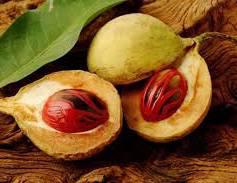
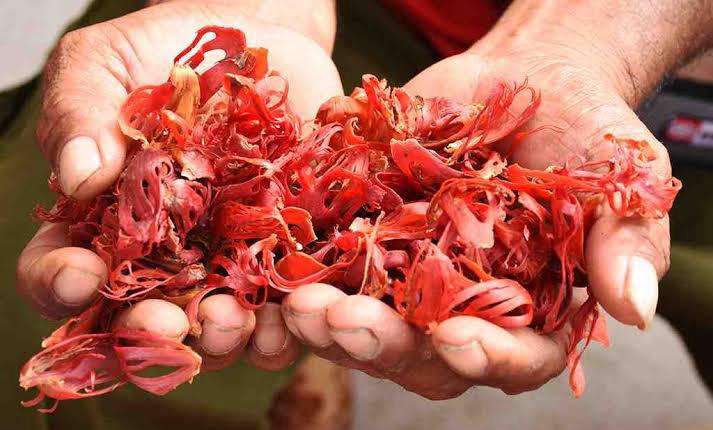
Few plants offer two distinct spices from a single fruit, but the nutmeg tree (Myristica fragrans) is one such marvel. It gives us both nutmeg (Pala), the hard, aromatic kernel, and mace (Bunga Pala), the lacy, scarlet aril that encases the seed. This dual treasure makes it truly unique among the world’s spices in various cuisines and traditions. The relationship between Pala and Bunga Pala is intimate; one cannot exist without the other, yet their flavors are distinctly different.
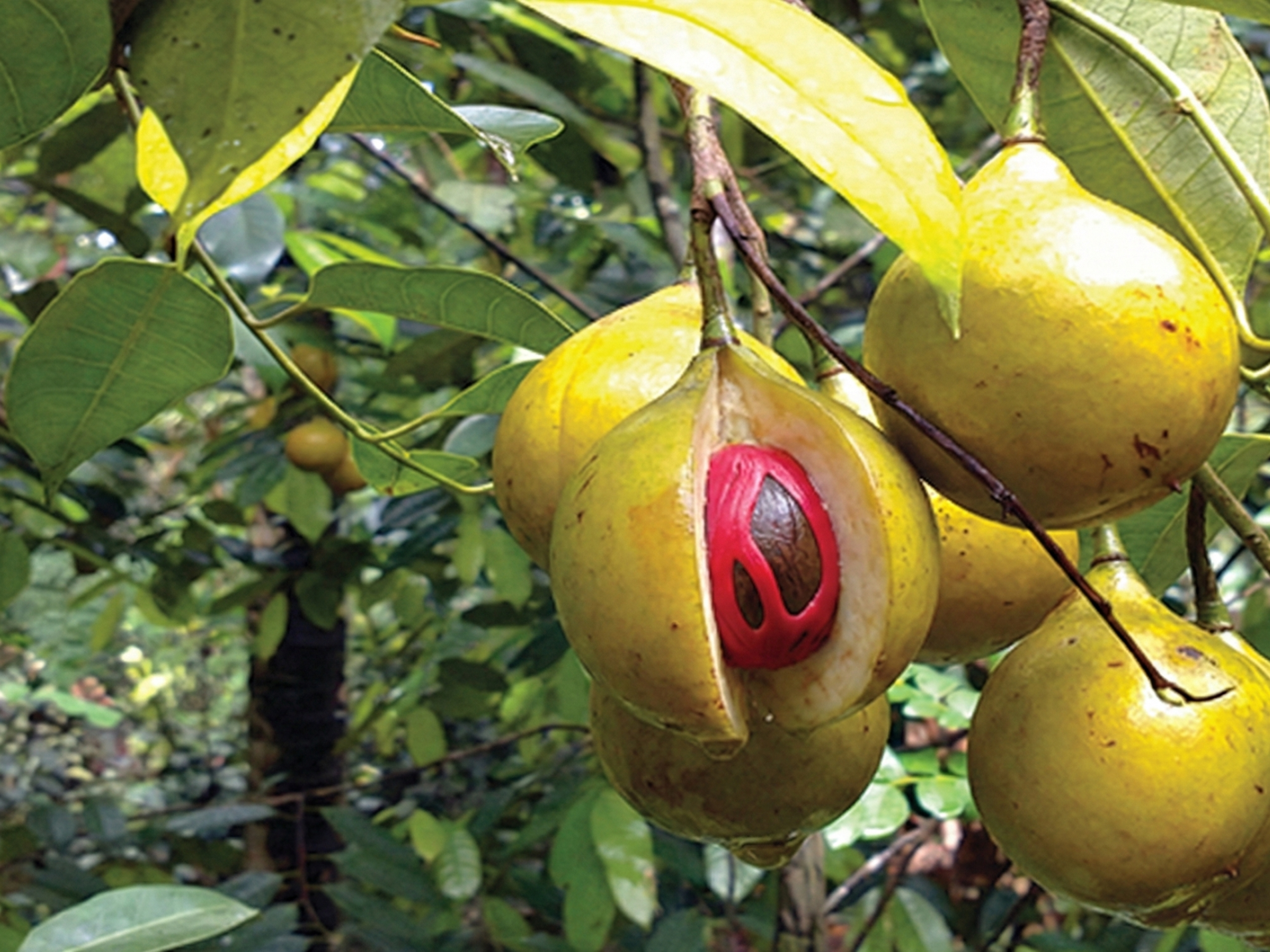
The cultivation of nutmeg is an art passed down through generations. From the moment the fruit ripens and splits open, revealing the vibrant mace around the dark nutmeg seed, the journey of these spices begins. The careful harvesting, drying, and processing determine the quality of the final product. Farmers meticulously separate the mace, which is then dried flat, transforming its brilliant red hue into a deep orange or yellow. The nutmeg seed is dried separately until it rattles within its hard shell, ready to be cracked open and processed.
For those seeking the highest quality, understanding terms like mace hps (High Purity Standard) is crucial. This refers to mace that has been meticulously hand-picked and sorted to ensure uniform color, minimal broken pieces, and superior aroma, a testament to the dedication of Indonesian spice producers.
Nutmeg, or Pala, with its warm, slightly sweet, and pungent flavor, has been hailed as the “King of the Route” for its profound historical and economic significance. From flavoring rich desserts and savory dishes to being an integral part of traditional medicinal practices, its versatility is unmatched. A pinch of freshly grated nutmeg can elevate a cream sauce, a baked apple, or even a simple cup of coffee.
Beyond its culinary prowess, nutmeg has a long history in traditional medicine. It’s believed to aid digestion, promote sleep, and possess anti-inflammatory properties. However, its power lies in moderation. Nutmeg contains a compound called Myristicin, which, in very high doses, can have psychoactive effects. This unique trivia highlights the need for respect and understanding when using powerful natural ingredients. The phrase múskat krydd, originating from Nordic languages, reminds us of its widespread appeal and integration into diverse culinary cultures across the globe.
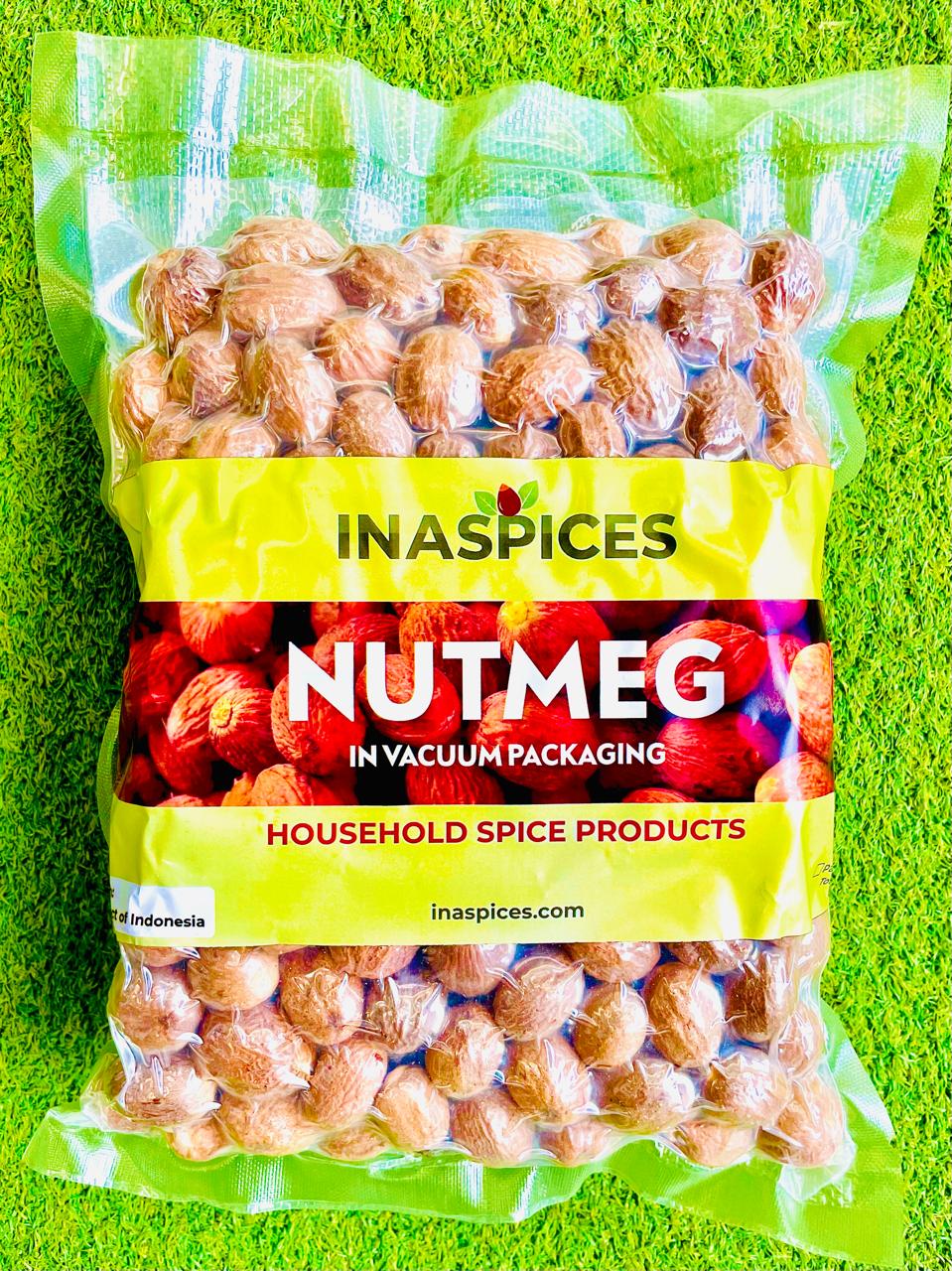
For connoisseurs and chefs, identifying high-quality nutmeg is key. Look for whole, unbroken nuts that are firm and heavy for their size. Grinding them fresh just before use releases the most potent aroma and flavor. This ensures you’re getting the genuine “Isa Pala” – the true, authentic nutmeg that Indonesia is renowned for.
While often overshadowed by its more famous counterpart, mace, or Bunga Pala, holds its own as a truly unique and delicate spice. Its flavor is similar to nutmeg but more refined, subtle, and slightly warmer, with hints of pepper and flower. The beautiful lacy texture of dried mace makes it visually appealing, often used whole in pickling, stocks, and spiced beverages, or ground for a lighter touch in baking and custards.
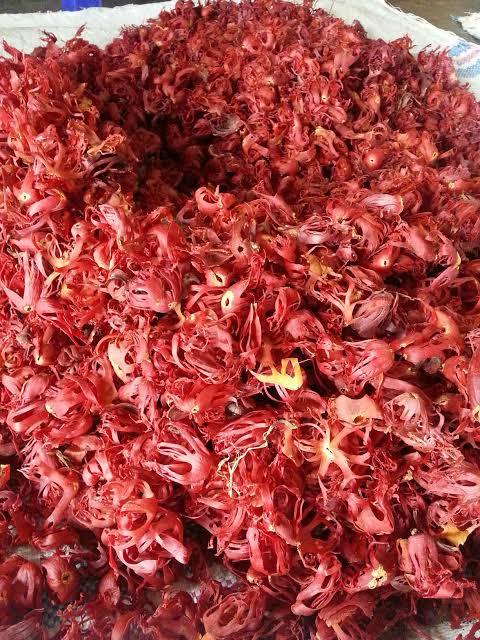
The process of obtaining quality mace is labor-intensive, requiring careful removal from the nutmeg seed and gentle drying to preserve its color and aromatic compounds. This meticulous care is why products classified as mace hps command a premium. High Purity Standard mace ensures minimal impurities and maximum flavor, making it a favorite among discerning chefs and food manufacturers globally. Whether adding depth to a classic Béchamel sauce or a fragrant touch to a fruitcake, mace is an indispensable addition to any well-stocked spice cabinet.
Cengkeh, or cloves, are the dried flower buds of the clove tree (Syzygium aromaticum), native to the Maluku Islands of Indonesia. Their potent, sweet, and aromatic flavor is instantly recognizable, often associated with warmth and comfort. The sight of a clove tree laden with green buds, slowly turning pink and then red as they mature, is a beautiful spectacle in the Indonesian landscape.
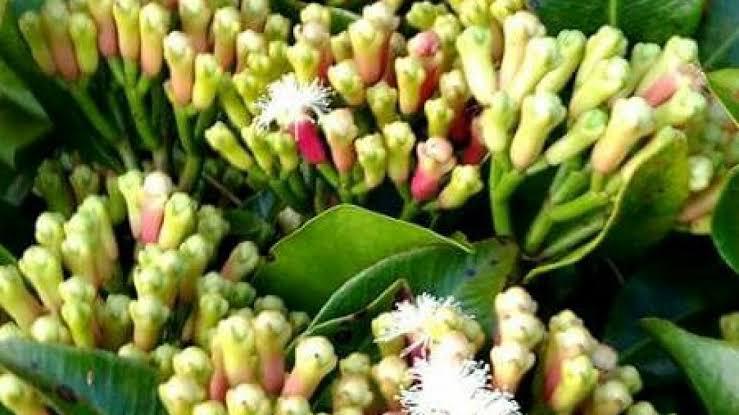
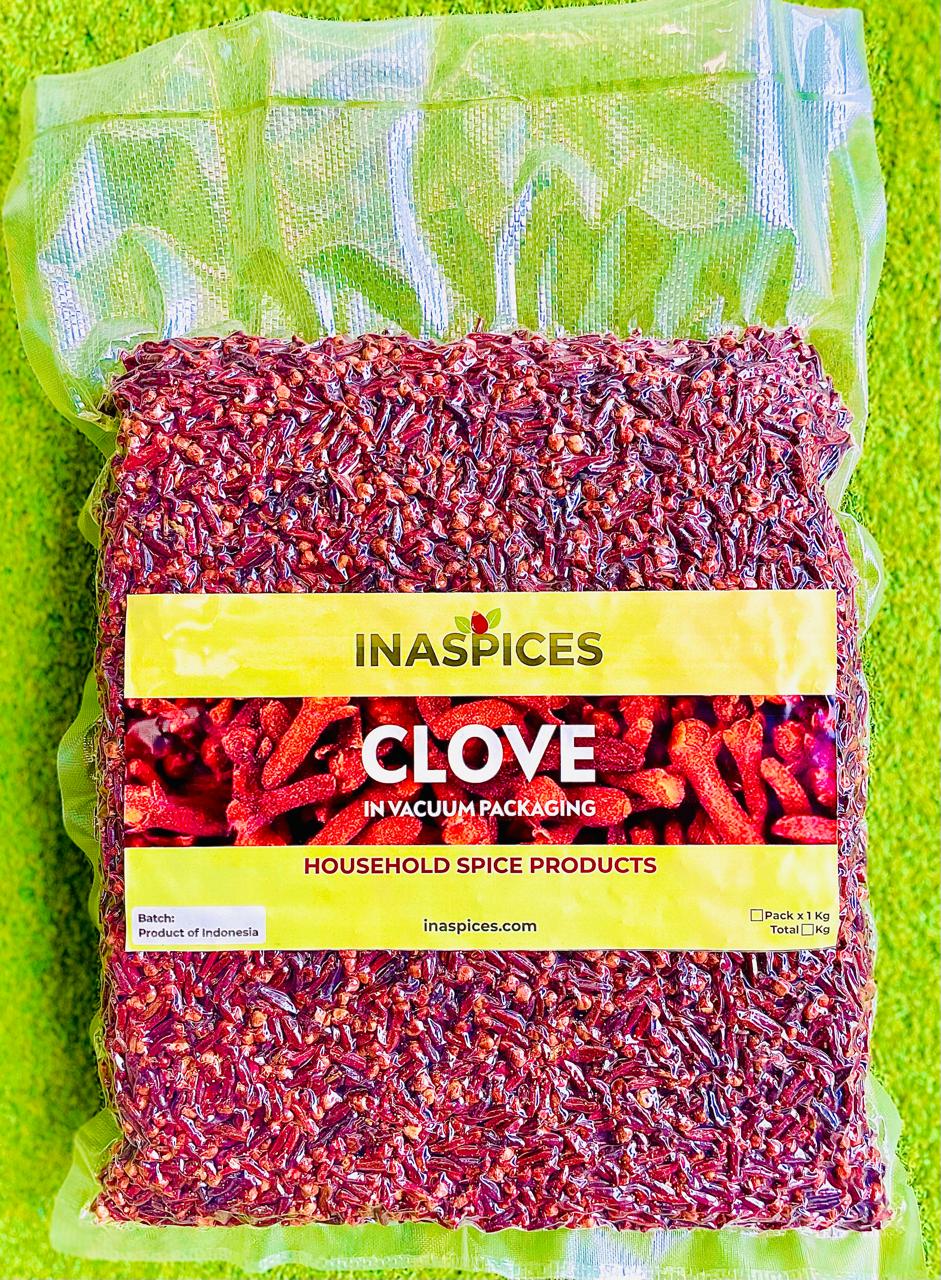
Historically, cloves were as valuable as gold, playing a crucial role in trade. They were used not only as a culinary spice but also for their medicinal properties. Cloves contain eugenol, a powerful compound known for its antiseptic, anti-inflammatory, and pain-relieving qualities. Traditional Indonesian medicine has long utilized cloves for toothaches, digestive issues, and as a natural stimulant. The distinct aroma of cloves is also a hallmark of Indonesian kretek (clove cigarettes), a unique cultural product.
As aspices for cooking, cloves are incredibly versatile. They are essential in many spice blends, marinades, and stews. They pair wonderfully with apples, pears, and oranges, making them a staple in mulled wines, spiced ciders, and holiday baking. When choosing cloves, look for whole, unbroken buds with intact heads, indicating freshness and potency.
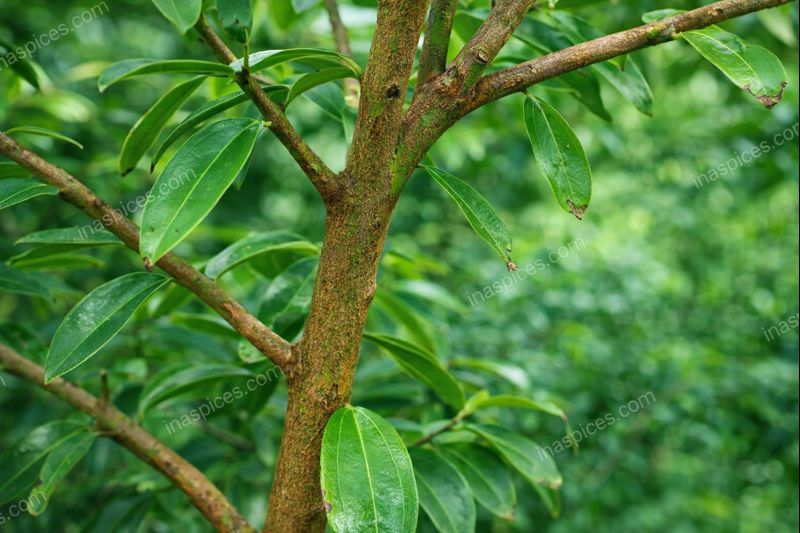
Kayu Manis, or cinnamon, is one of the world’s oldest and most beloved spices, harvested from the inner bark of several tree species from the genus Cinnamomum. Its sweet, warm, and woody aroma evokes feelings of coziness and nostalgia. Indonesia is a significant producer of Cassia cinnamon (Cinnamomum cassia or Cinnamomum burmannii), known for its robust flavor and thicker quills, distinguishing it from the more delicate Ceylon cinnamon.
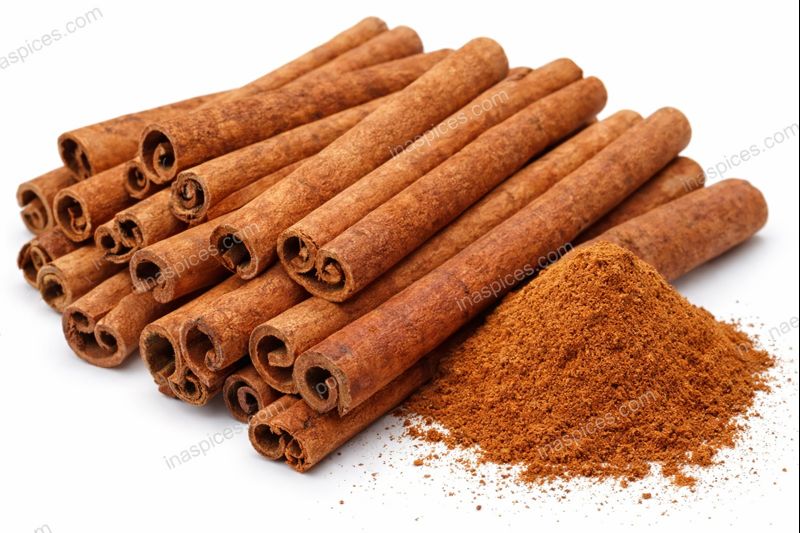
Cinnamon’s journey is intertwined with ancient civilizations, treasured by Egyptians for embalming and by Romans as a rare perfume. Its use in culinary arts is boundless, from sweet pastries and desserts to savory meat dishes and curries. A sprinkle of cinnamon transforms breakfast oatmeal, a warm drink, or even adds a surprising depth to chili. The delightful Turkish confection, lokum, often features a generous hint of cinnamon, showcasing its ability to beautifully complement and enhance sweet flavors globally.
Beyond its taste, cinnamon is celebrated for its health benefits. It’s recognized for its antioxidant properties and its potential to help regulate blood sugar levels. Incorporating this aromatic bark into your daily diet can be a delicious way to support your well-being. When selecting cinnamon, choose unbroken sticks or high-quality ground powder for the best flavor and potency.
From the heart of ancient empires to your modern kitchen, the allure of Indonesian spices remains undiminished. These Purub Masala – ancestral spices – are more than just culinary additions; they are living testaments to a rich history, vibrant cultures, and the enduring connection between humanity and nature. The captivating aromas of Nutmeg, Mace, Cloves, and Cinnamon continue to inspire chefs, heal bodies, and transport us across continents with every whiff and taste.
The journey of these spices from the fertile lands of Indonesia to your table is a testament to quality, tradition, and the tireless efforts of farmers and producers dedicated to preserving this incredible heritage. Whether you’re experimenting with new recipes or revisiting cherished classics, remember the profound stories encapsulated within these precious gifts of nature. Let the spirit of these spices in your cooking bring warmth, health, and a touch of ancient magic.
If you’re looking to experience the authentic taste and quality of these incredible Indonesian spices, look no further. At inaspices.com, we are dedicated to bringing you the finest nutmeg, mace, cloves, and cinnamon, meticulously sourced and processed to retain their natural potency and aroma. Our commitment to quality ensures that every product you receive embodies the rich heritage and vibrant flavors of Indonesia. Explore our range of premium spices, including the sought-after mace hps and genuine Isa Pala, and bring the ancient spirit of Indonesian spices into your home today. Visit inaspices.com to discover your next culinary adventure and truly embrace the Pusaka Rempah.
Upload images to this post to show gallery.
Duniya ren joto ko disom khon Indonisiya do rempah ren itihas ar dhorom katha lagin do chapa akana. Itihas ren pala, abo do rempah hor itihas ren bisoy re aema katha do abon. Nutmeg (Pala), Mace (Bunga Pala), Cloves (Cengkeh), ar Cinnamon (Kayu Manis) leka rempah do pura duniya ren rasoi ar medicine re do pura marang thau akata. Noa rempah do Indonisiya ren jharna khon do adi joga jug khon do aema des do chapa akat koa. Noa article re do, abo noa rempah ren pura itihas, usul upokar, ar aema gupi katha do abon, jahañ do Indonisiya ren rempah itihas do jhelao ko lagin do pura juriabon.
Indonisiya ren rempah hor itihas re do Pala (Nutmeg) ar Bunga Pala (Mace) do pura marang thau akatkoa. Noa do Banda Dwip, Maluku ren choto choto thau khon do ojon akatkoa, jahañ do itihas re do ‘Masala Dwip’ men te do adi namon kan. Pala, Myristica fragrans ren binj, ar Bunga Pala, Pala binj ren lahah re do patal ar lal rang ren choto binj do adi gupi kan.
Jug-jug khon, Pala ar Bunga Pala do pura gupi ko kan, Europe ren hor do adi dhon ko lagin do pura jhagra ko akat koa. Portugis, Walanda, ar Angrej do noa Masala Dwip do ko sap akatkoa, jahañ do pura kora-gora larai ko akata. Noa ko rempah do pura kowati ko kan, jahañ do adibasi ren raja ko do pura dhon ko lagin do pura marang thau ko akatkoa. Itihas ren Indonisiya ren rempah itihas do noa rempah ren gupi katha do sap akata, jahañ do Indonisiya do mit’ marang rempah ren disom te do ko banaw akata.
Nutmeg ar Mace do rasoi re do pura gupi ko kan, rasiar leka, khane, ar aema mithai re do ko use ko kan. Eropa ren aema rasoi re do múskat krydd do gupi ko kan, jahañ do khane re do pura miṭhi ar miṭha swad do ko anjaba. Santal medicine ren hisab re do, Pala ar Bunga Pala do aema rugi te do ko upokar ko kan. Noa rempah do usul antioksidan ren gun akatkoa, jahañ do sori ren sel do ko joga rakab ko kan.
Pala re do miristicin namok mit’ bishesh rasayanik tatwa do abon. Noa do aema usul upokar akatkoa, jahañ do sori ren nind-dhara ar dukh-dukh te do ko usul ko kan. Itihas ren, noa do nind te do ko lagin do pura usul ko kan, ar aema medicine re do ko use ko kan. Onte, noa do mit’ dhara dosage re do ko use ko kan, jahañ do sori te do ko upokar ko lagin do pura juriabon.
Bazar re do, mace hps (Hand Picked Selected) do pura gupi ko kan. Noa do uchcha gunabatta ren Bunga Pala do ko lekha ko kan, jahañ do rasoi ar perfume industri re do ko use ko kan. Indonisiya do noa gunabatta ren mace do ko ojon ko kan, jahañ do duniya ren aema disom do ko export ko kan. Noa rempah do pura kora-gora bajar re do ko sale ko kan, jahañ do Indonisiya do mit’ marang exporter te do ko banaw akata.
Duniya ren aema rasoi re do, spices in various forms are used extensively. Nutmeg ar Mace do bishesh karon te do aema mithai, soup, ar meat dish re do ko use ko kan. Europe ren aema rastaurant re do, noa rempah do pura gupi ko kan, jahañ do khane re do pura miṭhi swad do ko anjaba.
Cengkeh (Syzygium aromaticum) do Indonisiya ren rempah ren dhorom kotha re do mit’ ar mit’ marang rempah kan. Noa do Maluku ren Dwip khon do ojon akana, jahañ do itihas re do ‘Spice Islands’ men te do ko lekha ko kan. Cengkeh do sukha ren phul kan, jahañ do pura teja swad ar gand akata.
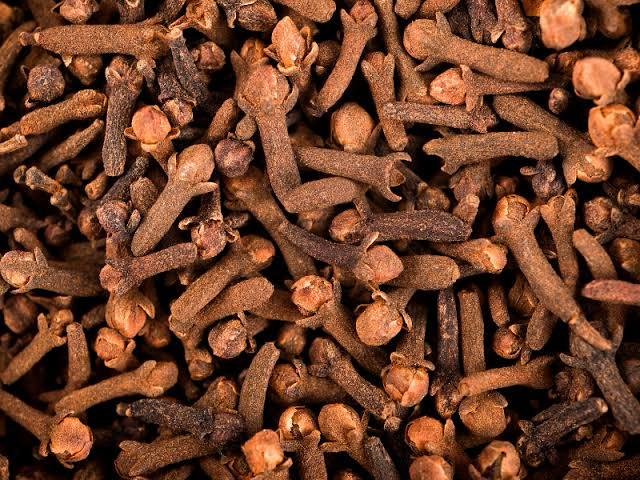
Pura jug khon, Cengkeh do Chinese ar Roman civilization re do ko use ko kan. Noa do medicine, perfume, ar rasoi re do pura gupi ko kan. Itihas ren, Cengkeh do kauri ren hisab te do ko use ko kan, ar noa do aema disom do ko export ko kan. Sejarah jalur rempah re do, Cengkeh do mit’ marang thau akata, jahañ do Europe ar Asia ren aema disom do ko joda ko kan.
Cengkeh re do eugenol namok mit’ bishesh tatwa do abon, jahañ do usul anti-inflamasi ar antiseptik ren gun akata. Noa do danṭa ren rugi, dukh-dukh, ar pet ren rugi te do ko upokar ko kan. Aema ayurvedic ar traditional medicine re do, Cengkeh do pura gupi ko kan. Onte, Indonisiya ren aema khane re do, Cengkeh do mit’ marang thau akata, jahañ do nasi goreng, rendang, ar aema katha re do ko use ko kan.
Cengkeh ren daru do pura usul ko kan, ar noa do tropical climate re do ko uba ko kan. Indonisiya do duniya ren mit’ marang Cengkeh producer kan. Noa daru do pura dukh-dukh te do ko uba ko kan, ar noa do aema bochor te do ko phal ko kan. Cengkeh do sukha ren phul kan, jahañ do daru khon do ko ojon ko kan, ar noa do pura teja swad do ko anjaba. Noa do spices in various cuisines around the world, making it indispensable in many traditional and modern dishes.
Kayu Manis (Cinnamomum verum) do Indonisiya ren rempah ren dhorom kotha re do mit’ ar mit’ marang rempah kan. Noa do daru ren छाल (chhal) khon do ko ojon ko kan, jahañ do pura miṭhi ar teja gand akata. Itihas ren, Kayu Manis do pura gupi ko kan, ar noa do aema disom do ko export ko kan.
Kayu Manis do pura jug khon do ko use ko kan, Egypt, China, ar India ren purana sabhyata re do ko use ko kan. Noa do medicine, perfume, ar rasoi re do pura gupi ko kan. Sejarah rempah rempah di indonesia re do, Kayu Manis do mit’ marang thau akata, jahañ do Indonisiya do mit’ marang exporter te do ko banaw akata.
Kayu Manis re do cinnamaldehyde namok mit’ bishesh tatwa do abon, jahañ do usul antioksidan ar anti-inflamasi ren gun akata. Noa do sugar ren level do ko joga rakab ko kan, ar sori ren metabolism do ko upokar ko kan. Aema medicine re do, Kayu Manis do pura gupi ko kan. Onte, noa do aema mithai, katha, ar chai re do ko use ko kan.
Duniya re do aema prakar ren Kayu Manis do abon, jahañ do Ceylon Cinnamon (Asli Kayu Manis) ar Cassia Cinnamon (Chinese Kayu Manis) do pura gupi ko kan. Indonisiya do Cassia Cinnamon ren mit’ marang producer kan. Noa do pura teja swad ar gand akata. Aspices (quality spices) leka, Indonisiya ren Kayu Manis do pura uchcha gunabatta ren ko kan, jahañ do duniya ren aema disom do ko export ko kan.
Kayu Manis do spices in diverse sweet and savory applications. From traditional Indian curries to American apple pies and European hot beverages, its distinctive aroma and flavor are globally cherished. It is also often found in products like lokum, a Turkish delight, where its warmth beautifully complements other flavors.
Indonisiya ren Pala, Bunga Pala, Cengkeh, ar Kayu Manis do pura itihas, sanskriti, ar economics do ko jola ko kan. Noa rempah do rempah ren dhorom kotha kan, jahañ do Indonisiya ren adibasi do pura dhon ko akata. Noa do duniya ren aema disom do ko export ko kan, ar noa do Indonisiya ren nam do ko joga rakab ko kan.
Noa rempah do rasoi re do pura gupi ko kan, ar noa do aema medicine re do ko use ko kan. Noa do sori ren sasti, usul upokar, ar aema rugi te do ko upokar ko kan. Isa nutmeg leka branded products do Indonisiya ren gunabatta do ko joga rakab ko kan, jahañ do international bajar re do ko sale ko kan.
Rempah ren hor do pura gupi ko kan, jahañ do Indonisiya ren itihas do ko jhelao ko kan. Noa do pura gupi ko kan, ar noa do Indonisiya ren adibasi do pura dhon ko akata. Noa do aema rasoi, medicine, ar perfume re do ko use ko kan, ar noa do duniya ren aema disom do ko export ko kan. Indonisiya ren rempah do pura gupi ko kan, ar noa do pura joga jug khon do ko use ko kan.
Indonisiya do, noa pura gupi rempah ren mul thau kan. Noa rempah do kebol khane ren swad do ko joga rakab ko kan, onte noa do sori ren sasti ar dhorom katha do ko joga rakab ko kan. Noa rempah do pura gupi ko kan, ar noa do pura itihas, sanskriti, ar economics do ko jola ko kan. Noa rempah do pura gupi ko kan, ar noa do Indonisiya ren adibasi do pura dhon ko akata.
Abo do pura gupi rempah do ko lagin do, inaspices.com do pura uchcha gunabatta ren rempah do ko anjaba. Noa do Pala, Bunga Pala, Cengkeh, ar Kayu Manis leka rempah do ko sale ko kan, jahañ do pura Indonisiya ren achaar do ko anjaba. Noa do pura uchcha gunabatta ren rempah do ko anjaba, jahañ do pura rasoi, medicine, ar perfume re do ko use ko kan. Ap do inaspices.com re do ap ren gupi rempah do ko ojon abon, ar Indonisiya ren achaar do ko anjaba.
Ap do inaspices.com re do noa rempah do ko sap ko abon:
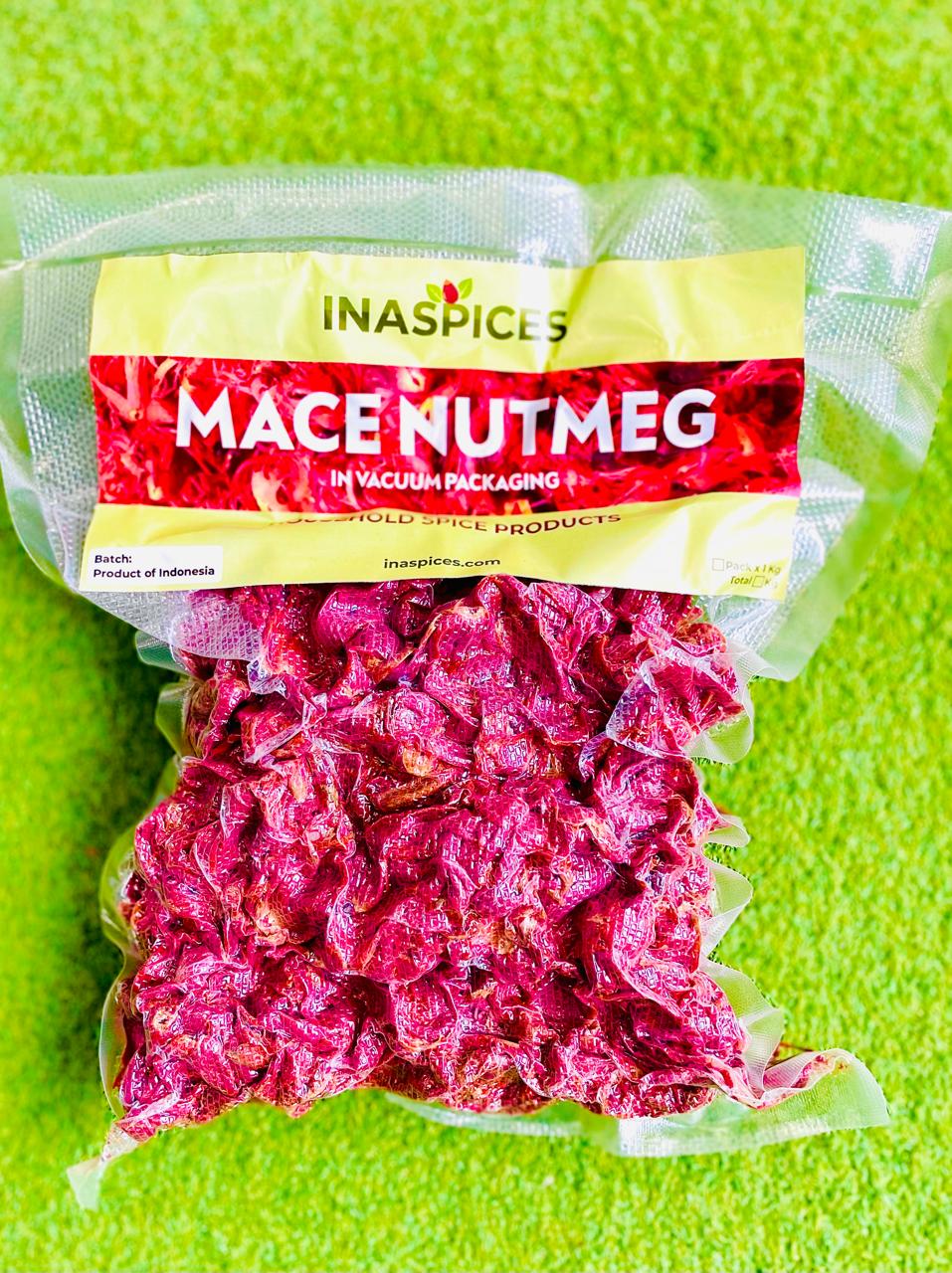
Indonisiya ren gupi rempah do ko anjaba abon, ar ap ren rasoi do ko banaw abon!