
Upload images to this post to show gallery.
In a world increasingly connected, where flavors from distant lands adorn our tables, it is easy to forget the epic journeys, the political intrigues, and the sheer human endeavor that brought these treasures to us. From the ancient lands of Indonesia, a vibrant tapestry of scents and tastes has captivated civilizations for millennia. We speak of the legendary quartet: Pala (Nutmeg), Bunga Pala (Mace), Cengkeh (Cloves), and Kayu Manis (Cinnamon). These aren’t merely ingredients; they are manyjarri garrwarrwarr, ancestral spices, embodying the rich heritage and enduring spirit of a nation.
The quest for these fragrant commodities shaped continents, inspired exploration, and fueled empires. The sejarah jalur rempah (history of the spice route) is a narrative of adventure, discovery, and sometimes, conflict, stretching back thousands of years. From the pristine islands of the Maluku archipelago, known as the Spice Islands, these precious commodities embarked on perilous voyages across vast oceans, connecting East and West long before modern globalization.
The sejarah rempah rempah di Indonesia (history of spices in Indonesia) is inextricably linked to global history. Indonesia, particularly the Maluku Islands, was the sole source of nutmeg and cloves for centuries. This exclusivity made these islands the most coveted lands on Earth, drawing traders, explorers, and colonizers from far and wide. Empires rose and fell on the tides of spice trade, with nations like Portugal, Spain, the Netherlands, and England vying for control over these precious plants. The sheer allure of aspices from the archipelago drove naval innovations and laid the foundations for global commerce.
The enduring legacy of these spices is not just in their economic impact but also in their cultural and culinary imprint. They are woven into the fabric of Indonesian identity, used in traditional medicine, culinary masterpieces, and ceremonial practices. The very air of the islands seems to hum with their ancient aromas, a testament to their deep roots.
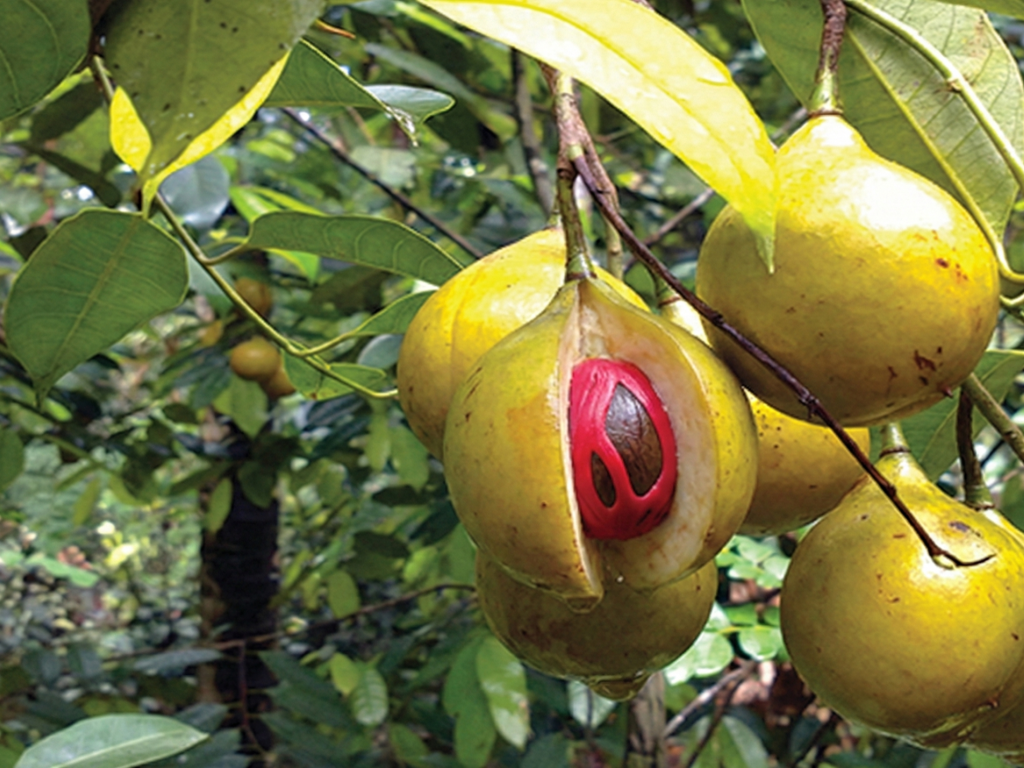
Among the most prized jewels of the Indonesian spice crown are Pala (Nutmeg) and Bunga Pala (Mace). Both come from the same fruit of the Myristica fragrans tree, an evergreen native to the Banda Islands in Maluku. This unique dual-spice origin makes the nutmeg tree truly remarkable.
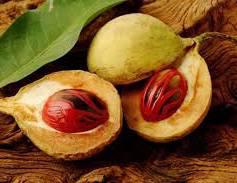
The wonder of Nutmeg fruit, revealing both Nutmeg and Mace.
The nutmeg fruit, resembling a small apricot, splits open when ripe, revealing a shiny dark brown seed encased in a vibrant red, lacy aril – this aril is the Bunga Pala or Mace. The seed itself is the Nutmeg. After careful harvesting, the mace is delicately separated and dried, often flattening into golden-orange blades, while the nutmeg seed is dried until the kernel rattles within its shell, then cracked open to extract the valuable nutmeg.
Mace possesses a more delicate, subtly sweeter, and slightly warmer aroma than nutmeg. Its unique flavor profile makes it a favorite in lighter dishes, baked goods, and even some beverages. When discussing quality, the term mace hps (High Purity Select) is often used in the international market. This signifies mace of superior quality, characterized by whole, intact blades, vibrant color, and intense aroma, ensuring an exquisite culinary experience. Indonesia is renowned for producing some of the finest mace in the world, a testament to its ancient cultivation practices.
The nutmeg, or pala manyjarri (nutmeg spice), has a rich, sweet, and pungent aroma, a cornerstone in countless global cuisines, from Indian curries to European custards. Its distinct flavor is recognized across cultures, often referred to by terms like múskat krydd in Icelandic, showcasing its global reach and appreciation.
Beyond its culinary prowess, nutmeg has a long history in traditional medicine. It contains compounds like מיריסטיצין (Myristicin), a natural organic compound responsible for much of nutmeg’s distinctive aroma and some of its pharmacological effects. Historically, nutmeg has been used for its analgesic, anti-inflammatory, and digestive properties. However, it’s crucial to consume nutmeg in moderation, as high doses of Myristicin can have psychoactive effects.
The quest for specific varieties or superior quality has led to discussions around terms like isa nutmeg. This could refer to specific geographical indications, unique processing methods, or simply a brand name that guarantees exceptional quality, reflecting the nuanced appreciation for this ancient spice.
While nutmeg and mace hold a unique place, Cengkeh (Cloves) and Kayu Manis (Cinnamon) are equally pivotal in the narrative of Indonesian spices, each with its own compelling history and widespread use.
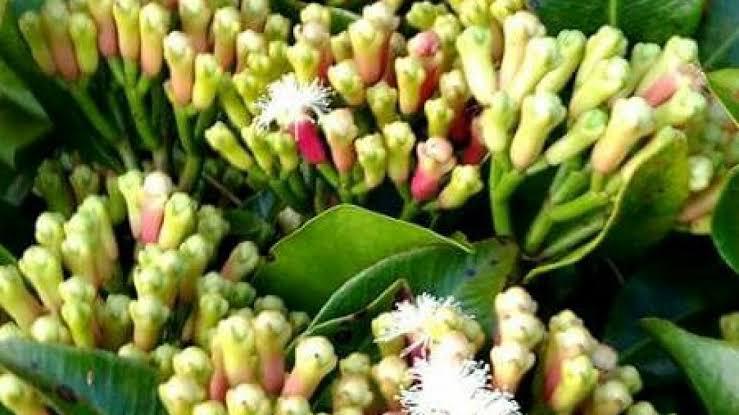
Cloves, still green on the tree, promise intense flavor.
Cloves are the aromatic flower buds of the Syzygium aromaticum tree, another native of the Maluku Islands. Their distinctive nail-like shape and intensely pungent, sweet, and slightly bitter flavor have made them indispensable in kitchens worldwide. From flavoring savory dishes and festive hams to infusing mulled wines and pumpkin pies, the versatility of cengkeh is astounding.
Historically, cloves were so valued that their trade fueled significant wealth and conflict. Beyond cuisine, cloves have been cherished for their medicinal properties. Rich in antioxidants and eugenol, cloves are known for their anti-inflammatory, antiseptic, and anesthetic qualities. They are a common ingredient in traditional remedies for toothaches and digestive issues. The phrase spices in various traditional medicines often highlights cloves for their potent health benefits.
Cinnamon, or Kayu Manis, is derived from the inner bark of several tree species from the genus Cinnamomum. While Sri Lanka is famous for Ceylon cinnamon (C. verum), Indonesia is a significant producer of Cassia cinnamon (C. cassia or C. burmannii), known for its stronger, spicier flavor and coarser texture. The peeling of the bark and its subsequent drying into quills is a meticulous process perfected over centuries.
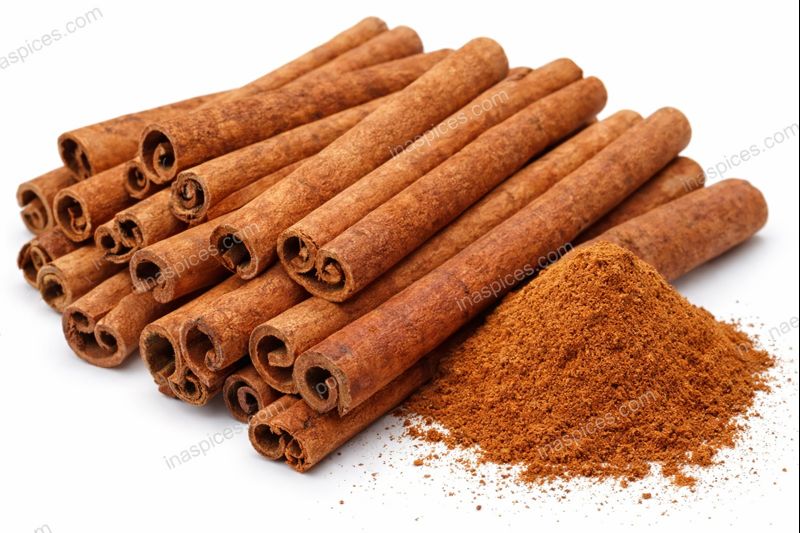
Indonesian Cinnamon: Quills and powder, ready to infuse flavor.
Cinnamon’s warm, sweet, and woody notes make it a beloved spice in both sweet and savory dishes, from intricate desserts and warm beverages to hearty stews and spice rubs. It is one of the most recognized aspices globally. Like cloves, cinnamon also boasts a profile of health benefits, including antioxidant and anti-inflammatory properties, and has been studied for its potential role in blood sugar regulation.
Today, these Indonesian spices continue to enrich our lives, finding new applications and captivating palates across the globe. From gourmet kitchens to artisan perfumeries, the demand for high-quality nutmeg, mace, cloves, and cinnamon remains strong. They are essential ingredients in complex flavor profiles, adding depth to everything from craft cocktails to intricate desserts. Even in traditional confectionaries like Turkish lokum (Turkish delight), the subtle warmth of spices like cinnamon or a hint of clove can elevate the experience.
The journey of these spices from the lush forests of Indonesia to your kitchen is a story of tradition, meticulous cultivation, and careful processing. It’s a tale that honors the earth, the hands that harvest, and the ancient wisdom passed down through generations. When you use these spices, you are not just adding flavor; you are participating in a timeless ritual, connecting with a profound history that transcends borders and centuries.
For those who wish to experience the authentic essence of these remarkable Indonesian spices, ensuring their purity and quality is paramount. To bring the true taste of this ancient heritage into your home, we recommend exploring the premium selection available at inaspices.com. They offer exceptional Nutmeg, Mace, Cloves, and Cinnamon, sourced directly from the archipelago, upholding the tradition of excellence in every sprinkle.