
Upload images to this post to show gallery.
Indonesia, dıı kǫ̀ gots’o níwì, rempahda kǫ̀ gotłe tǫ̀tì. Dıı rempahda níwì pala, bunga pala, cengkeh, ék’ǫ̀ kayu manis. Dıı rempahda kǫ̀ gotłe ék’ǫ̀ níwì deè gots’o ék’ǫ̀ máket gots’o níwì. Dıı gotłe wè, rempahda kǫ̀ Indonesia rempahda dádíì níwì wè. Dıı rempahda níwì kǫ̀ kǫ̀o wè ts’ıwıè ts’ıwıè.
Nı̀htłʼı̀ kǫ̀ nıhtsı̀ kǫ̀ nıhtsı̀ wè. Nı̀htłʼı̀ máket wè rempahda k’àowo wè t’ìtì. Indonesia rempahda kǫ̀ níwì k’àowo wè. Dıı rempahda k’àowo wè, nı̀htłʼı̀ kǫ̀ ts’ıwıè. Máket t’ìtì kǫ̀ níwì rempahda wè dıı kǫ̀ gots’o. Maluku, dıı kǫ̀ rempahda níwì kǫ̀ pala ék’ǫ̀ cengkeh kǫ̀ tǫ̀tì. Dıı Indonesia rempahda kǫ̀ gotłe wè, kǫ̀o wè dıı rempahda wè ts’ıwıè. Dıı rempahda wè, máket t’ìtì kǫ̀ wè.
Pala, dıı kǫ̀ níwì rempahda. Nı̀htłʼı̀ kǫ̀ ts’ıwıè. Pala wè, kǫ̀o wè t’ìtì. Níwì deè gots’o ék’ǫ̀ ch’àowo gots’o. Pala rempahda wè, kǫ̀o wè t’ìtì. Dıı Indonesia pala wè, níwì kǫ̀ t’ìtì.
Bunga pala, dıı kǫ̀ pala łàxà kǫ̀. Níwì kǫ̀ ék’ǫ̀ pala gots’o níwì kǫ̀. Dıı bunga pala wè, níwì kǫ̀ ch’àowo gots’o. Níwì bunga pala (mace hps) wè, máket gots’o níwì kǫ̀ t’ìtì. Dıı rempahda kǫ̀, dıı kǫ̀o wè kǫ̀ niwì deè gots’o. Tłʼıtsʼǫǫ tło kǫ̀ ék’ǫ̀ tl’ı́cho kǫ̀ níwì deè kǫ̀. Myristicin (מיריסטיצין) kǫ̀ pala gots’o. Dıı kǫ̀, níwì tło kǫ̀, níwì deè kǫ̀.
Dıı rempahda níwì kǫ̀. Ch’àowo gots’o, dıı kǫ̀ níwì kǫ̀. Indonesia rempahda kǫ̀ níwì kǫ̀ t’ìtì.
Cengkeh, dıı kǫ̀ tło kǫ̀ t’ìtì. Níwì kǫ̀ ék’ǫ̀ tlʼı́cho kǫ̀. Dıı cengkeh wè, kǫ̀o wè ch’àowo gots’o. Níwì ch’àowo, niwì deè gots’o ék’ǫ̀ níwì tácho kǫ̀ gots’o. Dıı cengkeh wè, kǫ̀o wè niwì deè kǫ̀. Eugenol kǫ̀ cengkeh gots’o. Dıı kǫ̀ níwì deè kǫ̀. Indonesia kǫ̀ cengkeh níwì kǫ̀ t’ìtì. Kretek, dıı kǫ̀ cengkeh gots’o.
Kayu manis, dıı kǫ̀ tło wè. Níwì kǫ̀ ék’ǫ̀ wìlı̀ kǫ̀. Dıı kayu manis wè, níwì ch’àowo gots’o. Níwì deè gots’o. Kayu manis kǫ̀, níwì kǫ̀ t’ìtì. Cassia kǫ̀ ék’ǫ̀ Ceylon kǫ̀. Indonesia kayu manis wè, níwì kǫ̀ t’ìtì. Níwì deè gots’o, tlʼıtsʼǫǫ tło kǫ̀ ék’ǫ̀ tl’ı́cho kǫ̀ níwì deè kǫ̀.
Dıı rempahda kǫ̀, níwì kǫ̀ ch’àowo gots’o. Níwì ch’àowo ék’ǫ̀ níwì tú kǫ̀ gots’o. Turki k’ǫǫ́ (lokum) kǫ̀, kayu manis ék’ǫ̀ cengkeh gots’o. Dıı rempahda kǫ̀, dıı kǫ̀o wè niwì deè kǫ̀. Kǫ̀o wè gotłe gots’o, dıı rempahda kǫ̀ niwì deè kǫ̀. Dıı rempahda kǫ̀, níwì kǫ̀. Níwì tácho kǫ̀ gots’o ék’ǫ̀ níwì ch’àowo gots’o.
Indonesia rempahda dádíì níwì wè. Dıı kǫ̀, kǫ̀o wè ék’ǫ̀ níwì kǫ̀. Níwì deè kǫ̀ ék’ǫ̀ níwì ch’àowo kǫ̀. Dıı rempahda kǫ̀, dádíì kǫ̀ kǫ̀o wè níwì kǫ̀. T’ìtì kǫ̀ níwì kǫ̀, dıı rempahda kǫ̀. Dıı kǫ̀o wè, níwì rempahda wè dıı kǫ̀ gots’o.
Indonesia rempahda kǫ̀, dıı kǫ̀ níwì ék’ǫ̀ dádíì kǫ̀. Pala, bunga pala, cengkeh, ék’ǫ̀ kayu manis, dıı kǫ̀ níwì rempahda kǫ̀. Dıı rempahda kǫ̀, níwì kǫ̀ deè. Níwì deè gots’o, níwì ch’àowo gots’o, ék’ǫ̀ níwì tácho kǫ̀ gots’o.
Nı̀htłʼı̀ kǫ̀, dıı rempahda kǫ̀ níwì kǫ̀ t’ìtì. Máket gots’o ék’ǫ̀ kǫ̀o wè gots’o. Dıı rempahda kǫ̀, kǫ̀o wè dıı kǫ̀ gots’o. Níwì kǫ̀ t’ìtì ék’ǫ̀ níwì deè kǫ̀. Níwì kǫ̀ ch’àowo gots’o, níwì deè gots’o.
Dıı rempahda kǫ̀, dıı kǫ̀ níwì kǫ̀ t’ìtì. Dıı kǫ̀o wè rempahda kǫ̀ t’ìtì. Pala, bunga pala, cengkeh, ék’ǫ̀ kayu manis, dıı kǫ̀ níwì kǫ̀ t’ìtì. Dıı rempahda kǫ̀, kǫ̀o wè níwì kǫ̀. Níwì deè gots’o ék’ǫ̀ níwì ch’àowo gots’o.
Níwì rempahda kǫ̀ wè dıı kǫ̀ gots’o. Indonesia rempahda kǫ̀, dıı kǫ̀ níwì kǫ̀ t’ìtì. Dıı kǫ̀o wè rempahda kǫ̀ wè dıı kǫ̀ gots’o.
Dıı rempahda níwì kǫ̀ t’ìtì. Níwì deè ék’ǫ̀ níwì ch’àowo kǫ̀ wè. Dıı kǫ̀o wè, níwì rempahda kǫ̀ wè dıı kǫ̀ gots’o. Dıı rempahda kǫ̀, kǫ̀o wè níwì kǫ̀. inaspices.com wè, dıı rempahda níwì kǫ̀ wè dıı kǫ̀ gots’o. Dıı kǫ̀o wè níwì rempahda kǫ̀ wè dıı kǫ̀ gots’o. Dıı Indonesia rempahda kǫ̀, níwì kǫ̀ t’ìtì. Pala níwì kǫ̀ ék’ǫ̀ níwì bunga pala kǫ̀, dıı kǫ̀ inaspices.com gots’o níwì kǫ̀ t’ìtì. Dıı kǫ̀o wè, níwì rempahda kǫ̀ wè dıı kǫ̀ gots’o.
Dıı rempahda níwì kǫ̀ wè dıı kǫ̀ gots’o. Níwì deè ék’ǫ̀ níwì ch’àowo kǫ̀ wè. Dıı kǫ̀o wè, níwì rempahda kǫ̀ wè dıı kǫ̀ gots’o.
[FOTO_UTAMA_URLS_ADDITIONAL]
Upload images to this post to show gallery.
Long dispela bikpela graun bilong Indonesia, ol spais i no samting bilong kukim kaikai tasol. Nogat. Ol i holim bikpela stori bilong bipo, bilong wokabaut bilong ol man bilong bisnis, bilong pait, na bilong kamapim nupela save. Ol i olsem pusaka rempah, samting bilong bipo ol tumbuna i bin putim na ol i gat bikpela pawa. Ol i kamapim nambawan smek na aroma bilong Indonesia i go long olgeta hap bilong dispela graun.
Wantaim ol ston bilong gem, ol paula, na silik, ol spais bilong Indonesia olsem Pala (Nutmeg), Bunga Pala (Mace), Cengkeh (Cloves), na Kayu Manis (Cinnamon) ol i bin draivim bikpela wokabaut bilong ol pipel bilong bipo. Dispela stori bilong ol i olsem wanpela nupela pes long buk bilong wol stori. Dispela pes i bilong bikpela wokabaut long solwara na bikpela wok bilong senisim ol samting bilong bipo.
Sapos yu lukluk long sejarah rempah rempah di indonesia, yu bai painim aut olsem long taim bilong bipo tru, ol i bin singaut long Indonesia olsem “Spais Ailans”. Dispela nem i kamap long bikpela wok bilong ol spais insait long en. Olsem Cengkeh na Pala, tupela i kamap long ol Maluku Ailans, ol i bin mekim ol kantri bilong Yurop i kam wokabaut long dispela rot bilong spais. Ol i bin kam bilong painim dispela nambawan spais.
Dispela wokabaut bilong ol i bin kamapim bikpela senis long wol. Ol i bin senisim ol rot bilong wokabaut, ol save bilong graun, na tu ol kain kain ol pipel i stap wantaim. Ol spais i no samting bilong kaikai tasol. Ol i olsem pawa bilong mekim senis. Ol i bin mekim wol i kirap na wokabaut. Dispela i olsem pusaka rempah bilong bipo, wanpela tok bilong ol tumbuna i stap strong yet. Olgeta nupela man i bin kam long dispela hap ol i bin kam bilong painim dispela pawa.
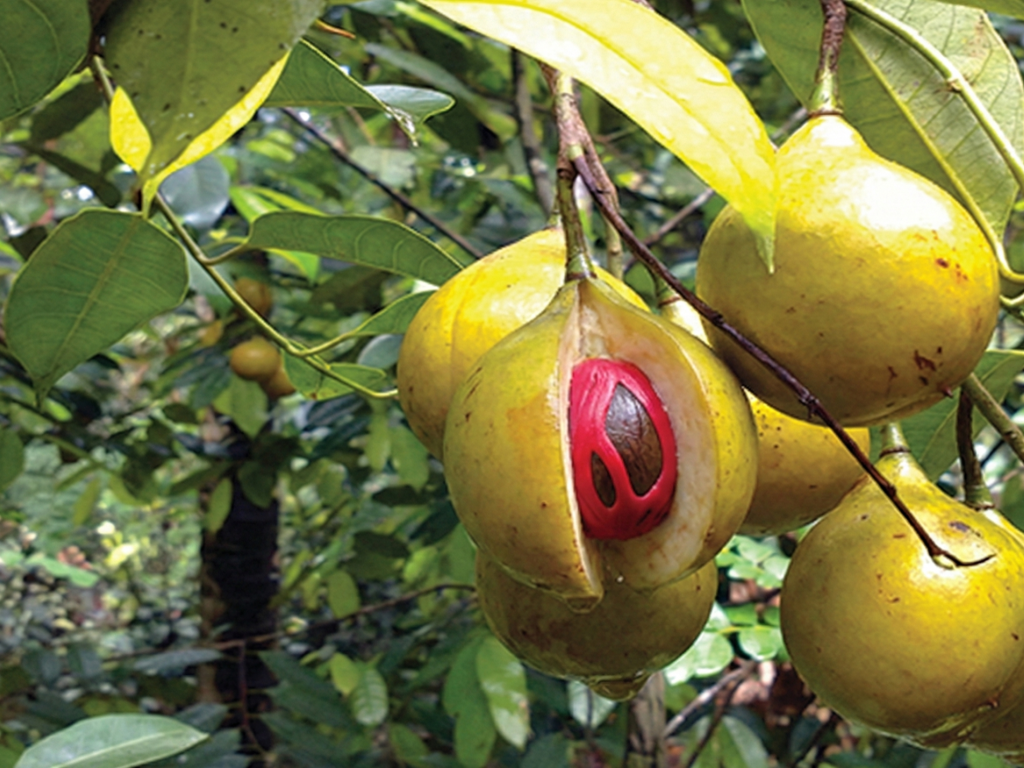
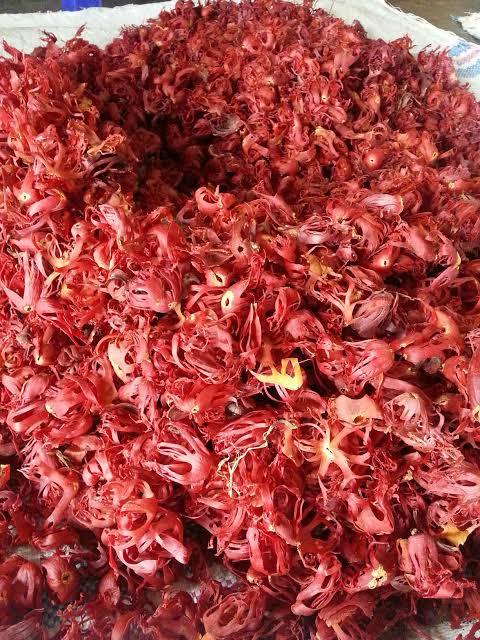
Pala, o Nutmeg, na Bunga Pala, o Mace, tupela i kamap long wanpela diwai tasol, bilong Myristica fragrans. Dispela diwai i kamap long ol Banda Ailans long Maluku, Indonesia. Ol Banda i holim bikpela stori bilong ol i lukautim dispela spais. Long taim bilong bipo, dispela Pala i gat bikpela prais olsem gol. Bunga Pala, i stap long hap bilong skin bilong Pala, i gat wanpela kain smek na aroma bilong en yet. Dispela i olsem wanpela brada bilong Pala, tasol i gat nupela na narapela kain smek.
Pala i gutpela bilong mekim ol kukim bilong mi sweet. Em i save mekim ol kek, ol pading, na tu ol sups i gat nupela smek. Bunga Pala i gat wanpela strongpela na tu softpela smek. Em i gutpela bilong kukim ol mit, ol sos, na tu long ol marasin bilong bipo. Long maket bilong ol kantri, yu save painim mace hps, em i makim wanpela kain mace bilong gutpela kwaliti tru. HPS i min High Purity Specification, em i makim olsem dispela mace i klin na i gat nambawan kwaliti.
Ol spais olsem múskat krydd (Tok Pisin: natmek spais) i no bilong kukim kaikai tasol. Ol i gat samting bilong marasin tu. Long ol marasin bilong bipo, ol i save yusim Pala bilong helpim ol man long slip, bilong katim pen, na bilong mekim bel i gut. Tasol, ol i mas yusim long liklik hap tasol, bikos sapos yu yusim tumas, em i ken mekim man i sik.
Insait long Pala, i gat wanpela kain samting ol i kolim Myristicin (מיריסטיצין). Dispela samting i mekim Pala i gat dispela nupela smek bilong en na tu i gat wanpela kain pawa bilong mekim man i save slip gut. Long ol liklik hap, Myristicin i no save mekim wanpela kain hevi, tasol long ol bikpela hap, em i ken mekim man i pilim nupela kain samting. Dispela i olsem wanpela gutpela gutpela secret bilong dispela spais.
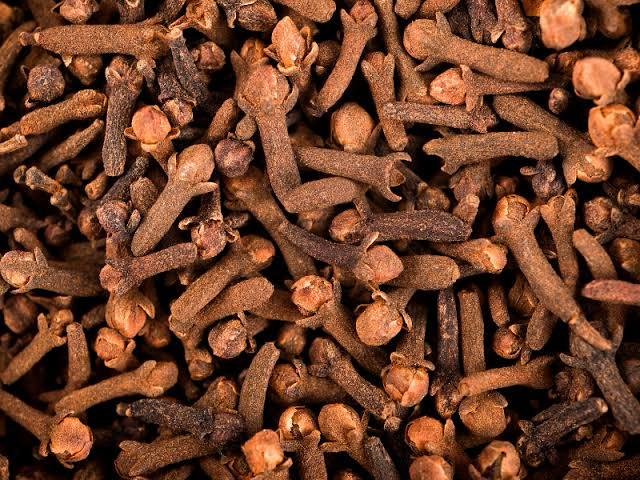
Cengkeh, o Cloves, i olsem liklik baimbai bilong flaua bilong diwai Syzygium aromaticum. Dispela diwai i kamap long ol Maluku Ailans tu. Em i gat wanpela strongpela na switpela smek. Dispela Cengkeh i bin kirapim bikpela wokabaut bilong ol pipel bilong bipo long painim ol spais. Ol i bin laikim tru dispela spais long Yurop na Esia.
Long medisin bilong bipo, ol i save yusim Cengkeh bilong helpim ol man i gat pen long tit, bilong mekim gutpela long bel, na bilong helpim ol man i gat sik bilong kol. Em i gat wanpela kain kemikal ol i kolim eugenol. Dispela eugenol i gat pawa bilong mekim wanpela kain nambais long skin na tu i helpim bilong daunim inflamason. Dispela i mekim Cengkeh i gutpela spices in marasin tu, i no bilong kaikai tasol.
Long kukim kaikai, Cengkeh i gutpela bilong mekim ol mit i gat nupela smek, ol sups, na tu ol switpela kaikai. Long Indonesia, ol i save yusim Cengkeh bilong mekim sigaret ol i kolim kretek. Dispela i wanpela kain spesel samting bilong Indonesia.
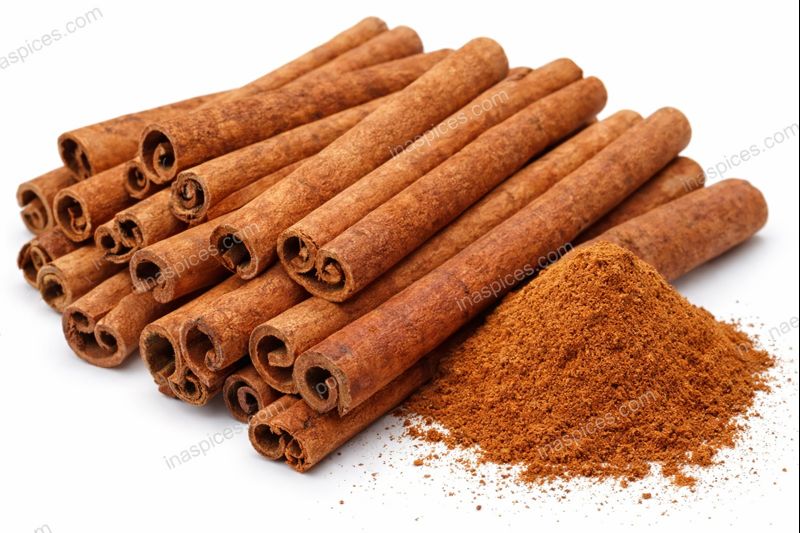
Kayu Manis, o Cinnamon, i kamap long skin bilong diwai bilong genus Cinnamomum. I gat kain kain Kayu Manis, olsem Ceylon Cinnamon (Cinnamomum verum) na Cassia Cinnamon (Cinnamomum cassia). Indonesia i gat bikpela wok long Cassia Cinnamon. Dispela spais i gat wanpela switpela na strongpela smek bilong en, na em i gutpela bilong kukim ol kaikai na drink.
Long ol medisin bilong bipo, ol i save yusim Kayu Manis bilong helpim man i gat suga long blut, bilong mekim bel i gut, na bilong helpim ol man i gat sik bilong kol. Em i gat bikpela pawa bilong antioksidan. Dispela i olsem wanpela gutpela tok bilong ol tumbuna. Kayu Manis i olsem wanpela nambawan spices in olgeta hap bilong wol.
Long ol kukim kaikai, Kayu Manis i stap olsem wanpela bikpela spais bilong switpela kaikai. Yu ken yusim long ol kek, ol biskit, na tu long ol kopi na ti. Long Taki, ol i save yusim Kayu Manis bilong mekim dispela switpela kaikai ol i kolim lokum, em i gat nupela smek bilong en. Dispela i soim olsem Kayu Manis i gat bikpela wok long olgeta hap bilong wol, i no bilong Indonesia tasol.
Long wanpela taim bilong bipo, ol spais i no save kamap long olgeta hap bilong wol. Ol i kamap long liklik hap tasol, olsem long Indonesia. Dispela i mekim ol man i wokabaut long longwe ples bilong painim ol. Dispela wokabaut i kamapim sejarah jalur rempah, em i olsem bikpela rot bilong wokabaut long solwara na long graun bilong senisim ol spais na narapela samting. Ol Arab na Chinese, na bihain ol Yuropian olsem ol Potes bilong Portugal, ol Spen, na ol Holan bilong Netherlands, ol i bin wokabaut long dispela rot.
Dispela wokabaut bilong ol i bin kamapim bikpela senis long wol. Ol i bin painim nupela graun, ol i bin mekim bisnis, na ol i bin pait bilong holim dispela rot bilong spais. Olsem aspices i bin kamapim nupela wokabaut bilong ol kantri na ol man i stap long olgeta hap. Dispela i olsem wanpela bikpela stori bilong ol asples bilong Indonesia i holim dispela nambawan pawa bilong ol spais, na ol waitman i kam bilong kisim dispela pawa.
Long dispela rot, ol man i no senisim ol spais tasol. Ol i senisim ol tingting, ol save bilong kukim kaikai, ol marasin, na tu ol pasin bilong ol pipel. Ol spais i olsem wanpela liklik kisis bilong opim dua bilong bikpela senis long wol.
Long nau, ol aspices bilong Indonesia i stap strong yet long maket bilong ol kantri. Ol i gat bikpela nem bilong gutpela kwaliti na nupela smek. Olsem Isa Nutmeg (Tok Pisin: Tru Natmek), em i makim wanpela nambawan kwaliti bilong Pala i kam long Indonesia. Ol man bilong bisnis i save mekim bikpela wok bilong mekim ol spais i kamap gutpela na i stap klin.
Ol spais olsem Pala, Bunga Pala, Cengkeh, na Kayu Manis i go long ol maket bilong wol. Ol i no bilong kaikai tasol. Ol i bilong mekim ol marasin, ol kosmetik, na tu ol samting bilong mekim haus i gat gutpela smek. Dispela i soim olsem pawa bilong ol spais i stap strong yet long wol bilong nau.
Ol spais bilong Indonesia i gat bikpela nem long maket bilong ol kantri. Ol bai bilong gutpela kwaliti na bikpela aroma. Olsem mace hps (High Purity Specification) i kamapim dispela wok bilong ol Indonesia spais ekspota. Ol i save wok strong bilong mekim ol spais i kamap long nambawan kwaliti bilong maket bilong ol kantri.
Dispela wokabaut bilong ol spais bilong Indonesia i go yet. Ol i holim bikpela nem na bilong ol i stap olsem wanpela bikpela king na kwin long maket bilong wol. Ol i kamapim wokabaut bilong ol man, ol i kamapim bisnis, na ol i kamapim nupela tingting. Ol i olsem wanpela bikpela presen bilong Indonesia i go long olgeta hap bilong dispela wol.
Ol spais bilong Indonesia i gat wanpela strongpela stori bilong bipo, na tu ol i gat bikpela pawa bilong helpim long sik. Ol i no bilong kukim kaikai tasol. Ol i olsem wanpela buk bilong stori bilong wol, ol i olsem marasin bilong gutpela laip, na ol i olsem kisis bilong opim dua bilong nupela save.
Sapos yu laik save moa long dispela nambawan wok bilong ol spais bilong Indonesia, na yu laik yusim ol dispela gutpela kwaliti spais long haus bilong yu, mi save tokim yu long traim ol spais i kam long inaspices.com. Ol i gat wanpela nambawan mak bilong gutpela kwaliti. Yu bai painim:
Traim nau na pilim nambawan smek bilong ol spais i kamap long Indonesia!
Upload images to this post to show gallery.
Dákdei yeedát yeeḵ yís haa k’u.aan yoo x̱’atángi? Haa k’u.aan yoo x̱’atángi ḵa.éesh yee íx̱ awli. Ats’ée áyá haa ḵa.éesh yee íx̱, haa k’u.aan yoo x̱’atángi át x̱’aan ḵa.éesh. Yax̱wé ḵa.éesh tláa áyá dákdei haa k’u.aan du ch’a.át yee íx̱ du g̱ooch sháawu yán áwli. Yáts’u haa k’u.aan du ḵa.éesh, Pala, Bunga Pala, Cengkeh, ḵa Kayu Manis, áyá dákdei haa k’u.aan du tláa áwli, du x̱’ayáan G̱aawú yán awli. Áyá dákdei yeeḵ yís haa k’u.aan du x̱’ayáan ḵa.éesh tláa yoo x̱’atángi.
Náakw haa k’u.aan du ḵa.éesh ḵa X̱’ayáan G̱aawú. Yáts’u áyá Indonesia ḵa.éesh x̱’ayáan, yoo x̱’atángi. Haa k’u.aan yoo x̱’atángi G̱aawú yán áyá dákdei haa k’u.aan du ch’a.át yee íx̱. Áyá dákdei haa k’u.aan du tláa ḵa.éesh, haa k’u.aan du Pala, Bunga Pala, Cengkeh, ḵa Kayu Manis. Áyá dákdei haa k’u.aan du x̱’ayáan ḵa.éesh tláa yoo x̱’atángi. Yáts’u áyá G̱aawú yán áwli haa k’u.aan du ḵa.éesh.
Yáts’u áyá dákdei haa k’u.aan du ḵa.éesh G̱aawú yán. Yáts’u áyá dákdei haa k’u.aan du ch’a.át yee íx̱ du g̱ooch sháawu yán áwli. Yáts’u áyá dákdei haa k’u.aan du tláa ḵa.éesh. Áyá dákdei haa k’u.aan du x̱’ayáan ḵa.éesh tláa yoo x̱’atángi. Áyá dákdei haa k’u.aan du Pala, Bunga Pala, Cengkeh, ḵa Kayu Manis. Yáts’u áyá G̱aawú yán áwli haa k’u.aan du ḵa.éesh.
Áyá dákdei haa k’u.aan du x̱’ayáan ḵa.éesh tláa. Yáts’u áyá dákdei haa k’u.aan du ch’a.át yee íx̱ du g̱ooch sháawu yán áwli. Yáts’u áyá dákdei haa k’u.aan du tláa ḵa.éesh. Áyá dákdei haa k’u.aan du x̱’ayáan ḵa.éesh tláa yoo x̱’atángi. Yáts’u áyá G̱aawú yán áwli haa k’u.aan du ḵa.éesh. Áyá dákdei haa k’u.aan du Pala, Bunga Pala, Cengkeh, ḵa Kayu Manis. Yáts’u áyá G̱aawú yán áwli haa k’u.aan du ḵa.éesh.
Dákdei yeedát yeeḵ yís haa k’u.aan yoo x̱’atángi? Haa k’u.aan yoo x̱’atángi ḵa.éesh yee íx̱ awli. Ats’ée áyá haa ḵa.éesh yee íx̱, haa k’u.aan yoo x̱’atángi át x̱’aan ḵa.éesh. Yax̱wé ḵa.éesh tláa áyá dákdei haa k’u.aan du ch’a.át yee íx̱ du g̱ooch sháawu yán áwli. Yáts’u haa k’u.aan du ḵa.éesh, Pala, Bunga Pala, Cengkeh, ḵa Kayu Manis, áyá dákdei haa k’u.aan du tláa áwli, du x̱’ayáan G̱aawú yán awli. Áyá dákdei yeeḵ yís haa k’u.aan du x̱’ayáan ḵa.éesh tláa yoo x̱’atángi.
Náakw haa k’u.aan du ḵa.éesh ḵa X̱’ayáan G̱aawú. Yáts’u áyá Indonesia ḵa.éesh x̱’ayáan, yoo x̱’atángi. Haa k’u.aan yoo x̱’atángi G̱aawú yán áyá dákdei haa k’u.aan du ch’a.át yee íx̱. Áyá dákdei haa k’u.aan du tláa ḵa.éesh, haa k’u.aan du Pala, Bunga Pala, Cengkeh, ḵa Kayu Manis. Áyá dákdei haa k’u.aan du x̱’ayáan ḵa.éesh tláa yoo x̱’atángi. Yáts’u áyá G̱aawú yán áwli haa k’u.aan du ḵa.éesh.
Jalax̱w ḵa.éesh x̱’ayáan áyá dákdei haa k’u.aan du x̱’ayáan ḵa.éesh tláa. Yáts’u áyá dákdei haa k’u.aan du ch’a.át yee íx̱ du g̱ooch sháawu yán áwli. Yáts’u áyá dákdei haa k’u.aan du tláa ḵa.éesh. Áyá dákdei haa k’u.aan du x̱’ayáan ḵa.éesh tláa yoo x̱’atángi. Yáts’u áyá G̱aawú yán áwli haa k’u.aan du ḵa.éesh. Áyá dákdei haa k’u.aan du Pala, Bunga Pala, Cengkeh, ḵa Kayu Manis. Yáts’u áyá G̱aawú yán áwli haa k’u.aan du ḵa.éesh.
Pala (Nutmeg) áyá g̱án áwé ḵa.éesh haa k’u.aan yee íx̱. Ísaa Pala, Indonesian Pala áyá dákdei haa k’u.aan du ḵa.éesh. Yáts’u áyá Pala ḵa.éesh, múskat krydd, du g̱ooch sháawu yán áwli haa k’u.aan du ch’a.át yee íx̱. Dákdei Pala du ts’íix̱w áyá dákdei haa k’u.aan du ch’a.át yee íx̱, du ts’íix̱w yee íx̱ awli. Áyá dákdei Pala du ts’íix̱w yee íx̱ du g̱ooch sháawu yán áwli. Yáts’u áyá dákdei Pala du x̱’ayáan G̱aawú yán. Áyá dákdei Pala du ts’íix̱w yee íx̱ du g̱ooch sháawu yán áwli.
Bunga Pala (Mace) áyá dákdei Pala du ts’íix̱w yee íx̱ awli, du t’eix’ awli. Yáts’u áyá Bunga Pala du g̱ooch sháawu yán áwli haa k’u.aan du ch’a.át yee íx̱. Dákdei mace HPS, sháawu yán t’eix’ Bunga Pala, áyá dákdei haa k’u.aan du ch’a.át yee íx̱, du ts’íix̱w yee íx̱ awli. Yáts’u áyá dákdei Bunga Pala du g̱ooch sháawu yán áwli. Dákdei Bunga Pala áyá dákdei haa k’u.aan du ch’a.át yee íx̱ du g̱ooch sháawu yán áwli.
Dákdei Pala yee íx̱ áyá Myristicin. Yáts’u áyá Myristicin du x̱’aan áawá haa k’u.aan du wa.áa yee íx̱. Dákdei Pala ḵa Bunga Pala áyá dákdei haa k’u.aan du wa.áa yee íx̱, du x̱’aan áawá yee íx̱ awli. Yáts’u áyá dákdei Pala ḵa Bunga Pala du wa.áa x̱’aan áawá yee íx̱ awli. Dákdei Pala ḵa Bunga Pala áyá dákdei haa k’u.aan du wa.áa yee íx̱ du x̱’aan áawá yee íx̱ awli. Dákdei Pala ḵa Bunga Pala áyá dákdei haa k’u.aan du wa.áa yee íx̱ du x̱’aan áawá yee íx̱ awli.
Yáts’u áyá dákdei Pala ḵa Bunga Pala du wa.áa x̱’aan áawá yee íx̱ awli. Dákdei Pala ḵa Bunga Pala áyá dákdei haa k’u.aan du wa.áa yee íx̱ du x̱’aan áawá yee íx̱ awli. Yáts’u áyá dákdei Pala ḵa Bunga Pala du wa.áa x̱’aan áawá yee íx̱ awli. Dákdei Pala ḵa Bunga Pala áyá dákdei haa k’u.aan du wa.áa yee íx̱ du x̱’aan áawá yee íx̱ awli. Yáts’u áyá dákdei Pala ḵa Bunga Pala du wa.áa x̱’aan áawá yee íx̱ awli.
Cengkeh (Cloves) áyá g̱án áwé ḵa.éesh haa k’u.aan yee íx̱. Yáts’u áyá Cengkeh du g̱ooch sháawu yán áwli haa k’u.aan du ch’a.át yee íx̱. Dákdei Cengkeh áyá dákdei haa k’u.aan du ch’a.át yee íx̱, du ts’íix̱w yee íx̱ awli. Áyá dákdei Cengkeh du ts’íix̱w yee íx̱ du g̱ooch sháawu yán áwli. Yáts’u áyá dákdei Cengkeh du x̱’ayáan G̱aawú yán. Áyá dákdei Cengkeh du ts’íix̱w yee íx̱ du g̱ooch sháawu yán áwli.
Dákdei Cengkeh áyá dákdei haa k’u.aan du wa.áa yee íx̱, du x̱’aan áawá yee íx̱ awli. Yáts’u áyá dákdei Cengkeh du wa.áa x̱’aan áawá yee íx̱ awli. Dákdei Cengkeh áyá dákdei haa k’u.aan du wa.áa yee íx̱ du x̱’aan áawá yee íx̱ awli. Yáts’u áyá dákdei Cengkeh du wa.áa x̱’aan áawá yee íx̱ awli. Dákdei Cengkeh áyá dákdei haa k’u.aan du wa.áa yee íx̱ du x̱’aan áawá yee íx̱ awli.
Dákdei Cengkeh du ts’íix̱w áyá dákdei haa k’u.aan du ch’a.át yee íx̱, du ts’íix̱w yee íx̱ awli. Áyá dákdei Cengkeh du ts’íix̱w yee íx̱ du g̱ooch sháawu yán áwli. Yáts’u áyá dákdei Cengkeh du x̱’ayáan G̱aawú yán. Áyá dákdei Cengkeh du ts’íix̱w yee íx̱ du g̱ooch sháawu yán áwli. Yáts’u áyá dákdei Cengkeh du wa.áa x̱’aan áawá yee íx̱ awli. Dákdei Cengkeh áyá dákdei haa k’u.aan du wa.áa yee íx̱ du x̱’aan áawá yee íx̱ awli.
Dákdei Cengkeh áyá dákdei haa k’u.aan du ch’a.át yee íx̱ du g̱ooch sháawu yán áwli. Yáts’u áyá dákdei Cengkeh du x̱’aan áawá haa k’u.aan du wa.áa yee íx̱. Dákdei Cengkeh áyá dákdei haa k’u.aan du ch’a.át yee íx̱ du g̱ooch sháawu yán áwli. Yáts’u áyá dákdei Cengkeh du x̱’aan áawá haa k’u.aan du wa.áa yee íx̱.
Kayu Manis (Cinnamon) áyá g̱án áwé ḵa.éesh haa k’u.aan yee íx̱. Yáts’u áyá Kayu Manis du g̱ooch sháawu yán áwli haa k’u.aan du ch’a.át yee íx̱. Dákdei Kayu Manis áyá dákdei haa k’u.aan du ch’a.át yee íx̱, du ts’íix̱w yee íx̱ awli. Áyá dákdei Kayu Manis du ts’íix̱w yee íx̱ du g̱ooch sháawu yán áwli. Yáts’u áyá dákdei Kayu Manis du x̱’ayáan G̱aawú yán. Áyá dákdei Kayu Manis du ts’íix̱w yee íx̱ du g̱ooch sháawu yán áwli.
Dákdei Kayu Manis áyá dákdei haa k’u.aan du wa.áa yee íx̱, du x̱’aan áawá yee íx̱ awli. Yáts’u áyá dákdei Kayu Manis du wa.áa x̱’aan áawá yee íx̱ awli. Dákdei Kayu Manis áyá dákdei haa k’u.aan du wa.áa yee íx̱ du x̱’aan áawá yee íx̱ awli. Yáts’u áyá dákdei Kayu Manis du wa.áa x̱’aan áawá yee íx̱ awli. Dákdei Kayu Manis áyá dákdei haa k’u.aan du wa.áa yee íx̱ du x̱’aan áawá yee íx̱ awli.
Lokum, yoo x̱’atángi, áyá dákdei Kayu Manis du g̱ooch sháawu yán áwli. Yáts’u áyá dákdei Lokum du g̱ooch sháawu yán áwli. Dákdei Kayu Manis áyá dákdei Lokum du g̱ooch sháawu yán áwli. Yáts’u áyá dákdei Kayu Manis du x̱’aan áawá haa k’u.aan du wa.áa yee íx̱. Dákdei Kayu Manis áyá dákdei Lokum du g̱ooch sháawu yán áwli.
Dákdei haa k’u.aan du ḵa.éesh áyá dákdei haa k’u.aan du k’ulax̱ yee íx̱ du g̱án áwé. Aspices áyá dákdei haa k’u.aan du ḵa.éesh du g̱ooch sháawu yán áwli haa k’u.aan du ch’a.át yee íx̱. Dákdei Pala, Bunga Pala, Cengkeh, ḵa Kayu Manis áyá dákdei haa k’u.aan du k’ulax̱ yee íx̱ du g̱án áwé. Yáts’u áyá dákdei haa k’u.aan du k’ulax̱ yee íx̱ du x̱’akw g̱án áwé. Yáts’u áyá dákdei haa k’u.aan du k’ulax̱ yee íx̱ du x̱’akw g̱án áwé.
Dákdei haa k’u.aan du ḵa.éesh áyá dákdei haa k’u.aan du k’ulax̱ yee íx̱ du g̱án áwé. Aspices áyá dákdei haa k’u.aan du ḵa.éesh du g̱ooch sháawu yán áwli haa k’u.aan du ch’a.át yee íx̱. Dákdei Pala, Bunga Pala, Cengkeh, ḵa Kayu Manis áyá dákdei haa k’u.aan du k’ulax̱ yee íx̱ du g̱án áwé. Yáts’u áyá dákdei haa k’u.aan du k’ulax̱ yee íx̱ du x̱’akw g̱án áwé. Yáts’u áyá dákdei haa k’u.aan du k’ulax̱ yee íx̱ du x̱’akw g̱án áwé.
Dákdei Pala, Bunga Pala, Cengkeh, ḵa Kayu Manis áyá dákdei haa k’u.aan du k’ulax̱ yee íx̱ du g̱án áwé. Yáts’u áyá dákdei haa k’u.aan du k’ulax̱ yee íx̱ du x̱’akw g̱án áwé. Dákdei haa k’u.aan du ḵa.éesh áyá dákdei haa k’u.aan du k’ulax̱ yee íx̱ du g̱án áwé. Aspices áyá dákdei haa k’u.aan du ḵa.éesh du g̱ooch sháawu yán áwli haa k’u.aan du ch’a.át yee íx̱. Dákdei Pala, Bunga Pala, Cengkeh, ḵa Kayu Manis áyá dákdei haa k’u.aan du k’ulax̱ yee íx̱ du g̱án áwé. Yáts’u áyá dákdei haa k’u.aan du k’ulax̱ yee íx̱ du x̱’akw g̱án áwé. Yáts’u áyá dákdei haa k’u.aan du k’ulax̱ yee íx̱ du x̱’akw g̱án áwé.
Dákdei haa k’u.aan du ḵa.éesh áyá dákdei haa k’u.aan du ch’a.át yee íx̱ du g̱ooch sháawu yán áwli. Yáts’u áyá dákdei haa k’u.aan du ḵa.éesh du x̱’aan áawá haa k’u.aan du wa.áa yee íx̱. Dákdei Pala, Bunga Pala, Cengkeh, ḵa Kayu Manis áyá dákdei haa k’u.aan du ḵa.éesh du g̱ooch sháawu yán áwli. Yáts’u áyá dákdei haa k’u.aan du ḵa.éesh du x̱’aan áawá haa k’u.aan du wa.áa yee íx̱. Dákdei haa k’u.aan du x̱’ayáan ḵa.éesh tláa áyá dákdei haa k’u.aan du ch’a.át yee íx̱ du g̱ooch sháawu yán áwli.
Áyá dákdei haa k’u.aan du ḵa.éesh du g̱ooch sháawu yán áwli haa k’u.aan du ch’a.át yee íx̱. Yáts’u áyá dákdei haa k’u.aan du ḵa.éesh du x̱’aan áawá haa k’u.aan du wa.áa yee íx̱. Dákdei Pala, Bunga Pala, Cengkeh, ḵa Kayu Manis áyá dákdei haa k’u.aan du ḵa.éesh du g̱ooch sháawu yán áwli. Yáts’u áyá dákdei haa k’u.aan du ḵa.éesh du x̱’aan áawá haa k’u.aan du wa.áa yee íx̱. Dákdei haa k’u.aan du x̱’ayáan ḵa.éesh tláa áyá dákdei haa k’u.aan du ch’a.át yee íx̱ du g̱ooch sháawu yán áwli.
Dákdei haa k’u.aan du Pala, Bunga Pala, Cengkeh, ḵa Kayu Manis áyá dákdei haa k’u.aan du x̱’ayáan G̱aawú yán awli. Yáts’u áyá dákdei haa k’u.aan du ch’a.át yee íx̱ du g̱ooch sháawu yán áwli. Dákdei haa k’u.aan du wa.áa yee íx̱ du x̱’aan áawá yee íx̱ awli. Yáts’u áyá dákdei haa k’u.aan du k’ulax̱ yee íx̱ du g̱án áwé. Yáts’u áyá dákdei haa k’u.aan du x̱’ayáan ḵa.éesh tláa yoo x̱’atángi. Áyá dákdei haa k’u.aan du ḵa.éesh G̱aawú yán áwli. Dákdei haa k’u.aan du ḵa.éesh áyá dákdei haa k’u.aan du x̱’ayáan G̱aawú yán awli. Dákdei haa k’u.aan du ḵa.éesh áyá dákdei haa k’u.aan du ch’a.át yee íx̱ du g̱ooch sháawu yán áwli.
Dákdei yeeḵ yís haa k’u.aan du ḵa.éesh du g̱ooch sháawu yán áwli? Áyá dákdei inaspices.com. Áyá dákdei inaspices.com yeeḵ yís haa k’u.aan du Pala, Bunga Pala, Cengkeh, ḵa Kayu Manis du g̱ooch sháawu yán áwli. Yáts’u áyá dákdei inaspices.com yeeḵ yís haa k’u.aan du ḵa.éesh du g̱ooch sháawu yán áwli. Yáts’u áyá dákdei inaspices.com yeeḵ yís haa k’u.aan du ḵa.éesh du g̱ooch sháawu yán áwli. Yeeḵ yís haa k’u.aan du ḵa.éesh du g̱ooch sháawu yán áwli, áyá dákdei inaspices.com!
Upload images to this post to show gallery.
Nínú ayé kan tí a ti sọwọ́ rẹ̀ sí àwọn adùn olóòórùn dídùn, Ìndonesíà dúró gẹ́gẹ́ bí ọkàn tí ó fi ìtàn àti ìdákọ̀kọ̀ pamọ́ sílẹ̀. Láti àwọn erékùṣù Banda tí ó jìnnà títí dé àwọn igbó Sumatra, ilẹ̀ yìí jẹ́ ibi ìdásílẹ̀ àwọn ẹ̀bùn tí ó ti yí ìtàn ayé padà. Láti àwọn oníṣòwò rírọ̀ tí wọ́n ti fọwọ́ sí àwọn ìlú ìgbàanì títí dé àwọn onímọ̀ ìjìnlẹ̀ ìlànà ìṣe òde òní, àwọn ẹ̀bùn Ìndonesíà ti tún rí ìyànjú àwọn ènìyàn ṣe àti kí wọ́n kọ àwọn ìṣẹ̀dálẹ̀ láti ìgbà dé ìgbà.
A pè wọ́n ní Efe Remọ (Pusaka Rempah), àwọn ẹ̀bùn yìí jẹ́ ohun tí ó ju àwọn èròjà jíjẹ́ lọ—wọ́n jẹ́ àwọn ìranṣẹ́ ìtàn, àwọn ajẹ́mú ìlera, àti àwọn asọ̀rọ̀ àwọn àṣà. Ní oríṣi yìí, a óò ṣàyẹ̀wò ìtàn tó jinlẹ̀, àwọn ànfani ìlera, àti ìṣẹ́gun kíkọjá àwọn ẹ̀bùn mẹ́rin tó lágbára jù lọ: Pala (Nutmeg), Bunga Pala (Mace), Cengkeh (Cloves), àti Kayu Manis (Cinnamon). Tẹ́ra mọ́ wa bí a ṣe ń kọjá lórí Itan Ọna Ẹ̀bùn (sejarah jalur rempah) àti kí a tún ṣàyẹ̀wò Itan Ẹ̀bùn Ní Ìndonesíà (sejarah rempah rempah di indonesia).
Láti ìgbàanì pípẹ́, erékùṣù Banda ni ó jẹ́ ibi kan tí ó kún fún àwọn ìṣẹ̀dálẹ̀, tí ó jẹ́ ibùdó àwọn ẹ̀bùn méjì tí ó pọ̀, ṣùgbọ́n tí wọ́n yàtọ̀ síra láti inú igi kan náà: Pala àti Bunga Pala. Igi Myristica fragrans yìí jẹ́ àwọn ohun àmúyẹ tó lágbára jù lọ nínú ayé àwọn spices in, tí ó ti fani mọ́ra àwọn oníṣòwò, àwọn oníṣẹ́gun, àti àwọn onímọ̀ ìgbàanì.
Pala, tí a mọ̀ sí Nutmeg ní èdè Gẹ̀ẹ́sì tàbí múskat krydd ní àwọn apá kan lágbàáyé, jẹ́ ọkàn àyà èso igi. Pẹ̀lú adùn rẹ̀ tí ó dùn, tí ó sì gbóná, Pala jẹ́ ohun tó ṣe pàtàkì nínú oríṣiríṣi oúnjẹ, láti àwọn oúnjẹ jíjẹ́ tí ó dùn títí dé àwọn oúnjẹ tí ó léwú. Láti ìgbàanì, wọ́n ti fani mọ́ra fún àwọn agbára ìwòsàn rẹ̀. Àwọn ìwádìí òde òní ti fi hàn pé ó ní àwọn agbára anti-inflammatory àti antioxidant. Myristicin, èròjà tí ó wà nínú Pala, ni a ti kà sí ìwádìí fún àwọn agbára ìtọ́jú ti neuroprotective, bí ó tilẹ̀ jẹ́ pé ó gbọ́dọ̀ lò ó ní ìwọ̀nba.
Ìtàn Pala jẹ́ ìtàn ogun, ìpolówó, àti àwọn ìfọwọ́sowọ́pọ̀. Láti àwọn ọ̀rúndún 16 àti 17, erékùṣù Banda jẹ́ ohun tí ó wà láàárín àwọn ìforígbárí láàárín àwọn Dutch àti àwọn British tí wọ́n ń wá láti ṣe àkóso àwọn ìṣòwò Pala. Ìwọ̀n tí ó pọ̀ tí Pala ní lákòókò yẹn jẹ́ ìyanu, tí ó sì jẹ́ kí ó di ẹ̀bùn tí ó tọ́ sí ìlú. Ó fi han bí Efe Remọ ṣe ní agbára tó láti yí ìtàn ayé padà.
Bunga Pala, tí a mọ̀ sí Mace, jẹ́ irúgbìn rírọ̀, tí ó gbóná, tí ó sì ní adùn tí ó dùn díẹ̀ tí ó yàtọ̀ sí Pala tí ó wà ní abẹ́ rẹ̀. Ó jẹ́ àwọn irúgbìn tí ó bo gbogbo Pala náà. Bí ó tilẹ̀ jẹ́ pé ó jẹ́ àbúrò Pala, Bunga Pala ní adùn rẹ̀ tí ó yàtọ̀, tí ó sì tọ́ láti ṣe àwárí rẹ̀. Pẹ̀lú àwọ̀ rẹ̀ tí ó mọ́lẹ̀, ó fi àwọ̀ àti adùn kun oríṣiríṣi oúnjẹ, láti àwọn ẹran tí ó lọ́ra títí dé àwọn ohun mímu tí ó dùn.
Bunga Pala tún ní àwọn ànfani ìlera tí ó yàtọ̀ síra. Ó jẹ́ orísun àwọn micronutrients bí copper àti manganese, àti pé ó ní àwọn agbára antioxidant. Àwọn olùwádìí ti ṣe àkíyèsí àwọn ipa anti-inflammatory tí ó lè ní. Nínú àwọn ìṣòwò àgbáyé, àwọn ògbóǹgbò onísòwò ń wá fún Mace HPS (High Purity Standard), èyí tí ó fi hàn bí wọ́n ṣe ń fẹ́ kí ó mọ́ àti kí ó sì pọn dandan. Fún àwọn tí ó fẹ́ ìgbéyàwó àṣàyàn ti Pala àti Bunga Pala, Isa Nutmeg jẹ́ orúkọ tí ó wà fún àwọn ìtọ́kasí àṣàyàn ní àwọn ọjà ágbáyé.
Cengkeh, tàbí Cloves, ni a mọ̀ sí àwọn irúgbìn rẹ̀ tí ó gbóná, tí ó sì lágbára, àti fún ìtàn rẹ̀ tí ó jinlẹ̀ gẹ́gẹ́ bí ẹ̀bùn spices in àwọn ìgbàanì. Cengkeh, tí ó bẹ̀rẹ̀ láti àwọn erékùṣù Maluku ní Ìndonesíà, jẹ́ ọ̀kan lára àwọn ẹ̀bùn tí ó lọ́wọ́ jù lọ tí ó sì ní ìtàn tí ó ga jù lọ ní ayé. Láti ẹgbẹẹgbẹ̀rún ọdún, àwọn ará China, àwọn ará India, àti àwọn ará Aringbìn Ìlá-oòrùn ti fi Cengkeh kún àwọn oúnjẹ wọn, wọ́n sì ti lò ó fún àwọn agbára ìwòsàn rẹ̀. Èròjà kan tí a ń pè ní Eugenol, tí ó jẹ́ ohun tí ó wà nínú Cengkeh, ni ó jẹ́ orísun àwọn ànfani ìlera rẹ̀.
Nínú ìtàn, Cengkeh jẹ́ ohun tí wọ́n fi ń tọ́jú èyín fún, tí ó sì jẹ́ ohun tí ó gbára lé fún ìtọ́jú ìṣesí ní àwọn àṣà púpọ̀. Ìtàn Itan Ọna Ẹ̀bùn kò lè pé láìka Cengkeh sí. Wọ́n tún fi Cengkeh ṣe àwọn ìtọ́jú èyín àti àwọn òògùn miiran. Ní òde òní, a tún fi Cengkeh ṣe oúnjẹ, àti pé a tún fi kún àwọn ohun mímu bíi chai tea àti mulled wine. Ó tún wà nínú àwọn epo tí ó dùn, àti pé a tún fi kún àwọn àdùn, wọ́n sì tún fi ṣe àwọn òògùn gbígbóná.
Àwọn erékùṣù Maluku ni ó jẹ́ ibi tí ó jẹ́ Efe Remọ tí ó jinlẹ̀ fún Cengkeh. Láti àwọn ọ̀rúndún, àwọn Cengkeh láti àwọn erékùṣù wọ̀nyí ni a ti fi àwọn ọkọ̀ ojú omi kọjá sí àwọn orílẹ̀-èdè tó jìnnà, tí wọ́n sì ti di ohun tí ó ṣe pàtàkì nínú àwọn ìṣòwò àgbáyé. Ìtàn Itan Ẹ̀bùn Ní Ìndonesíà jẹ́ ìtàn Cengkeh, àti bí ó ṣe ti ṣàkóso àwọn ọjà, tí ó sì ti fi agbára Ìndonesíà hàn nínú ayé.
Kayu Manis, tàbí Cinnamon, jẹ́ ẹ̀bùn tí ó dùn tí ó sì gbóná tí ó ti wà ní àwọn àṣà tí ó yàtọ̀ síra fún ẹgbẹẹgbẹ̀rún ọdún. Pẹ̀lú adùn rẹ̀ tí ó dùn, tí ó sì gbóná, Kayu Manis jẹ́ ohun tí ó gbajúmọ̀ nínú àwọn oúnjẹ jíjẹ́, àwọn ohun mímu, àti àwọn oúnjẹ tí ó léwú. Ìtàn rẹ̀ ti wà láti ìgbàanì, wọ́n sì ti fi sílẹ̀ ní àwọn ìwé àtijọ́ àti àwọn ìwé mímọ́.
Kayu Manis ní àwọn ànfani ìlera tí ó pọ̀, tí ó sì ti di ohun tí ó gbajúmọ̀ nínú ìwádìí ìwòsàn òde òní. A mọ̀ ọ́n fún àwọn agbára rẹ̀ láti dín suga sínú ẹ̀jẹ̀ kù, àti fún àwọn agbára anti-inflammatory àti antioxidant rẹ̀. Àwọn ìwádìí ti fi hàn pé ó lè ṣe àtìlẹ́yìn ìlera ọkàn-àyà, àti pé ó lè ní àwọn ipa sí àwọn àrùn kan.
Nínú oúnjẹ, Kayu Manis jẹ́ ohun tí ó pọ̀. Ó fi adùn dùn àti gbígbóná kún àwọn oúnjẹ jíjẹ́ bíi pai apple, àti pé a tún fi kún àwọn ohun mímu bíi kọfí àti chocolate gbígbóná. A tún fi kún àwọn oúnjẹ tí ó léwú, bíi curry àti tagines. Ó tún jẹ́ ohun tí ó ṣe pàtàkì nínú àwọn oúnjẹ Turkish, bíi lokum (Turkish Delight), níbi tí adùn rẹ̀ ti jẹ́ ohun tí ó gbani láàyè.
Ìndonesíà jẹ́ ilẹ̀ tí ó kún fún àwọn ẹ̀bùn tí ó lágbára jù lọ, tí ó sì ti ní ipa lórí àwọn àṣà, ìtàn, àti ìṣòwò àgbáyé. Láti Pala àti Bunga Pala tí ó fi ìtàn àwọn ogun àti ìpolówó hàn, títí dé Cengkeh tí ó jẹ́ òpó àti Kayu Manis tí ó dùn, àwọn ẹ̀bùn wọ̀nyí jẹ́ ohun tí ó gbàgbé. Wọ́n jẹ́ apá kan ìtàn Itan Ẹ̀bùn Ní Ìndonesíà tí ó tẹ̀ síwájú, tí ó sì ń tẹsiwaju láti sọ ìtàn rẹ̀ ní gbogbo ayé.
Lóòótọ́, Efe Remọ ti Ìndonesíà jẹ́ ohun tí ó yẹ fún ìfọwọ́wọ́. Àwọn ẹ̀bùn wọ̀nyí kò jẹ́ àwọn èròjà lásán; wọ́n jẹ́ ìtàn ayé, àwọn ìtàn ìtọ́jú, àti àwọn ìtàn àṣà tí ó ti kọjá àwọn ààlà. Àwọn ilẹ̀ ọlọ́rọ̀ ti Ìndonesíà ti tún gbé àwọn ẹ̀bùn àṣàyàn kan jáde, tí wọ́n fi ń gbani láàyè, tí wọ́n sì ń fi àwọn ìtọ́kasí àṣàyàn hàn ní ọjà àgbáyé, níbi tí a ti ń wá fún àwọn aspices tí ó dára jù lọ.
Kí òkìkí àwọn ẹ̀bùn tí ó níyì yìí má bàa kú, àwọn àgbẹ̀ àti àwọn oníṣòwò Ìndonesíà ń tẹ̀síwájú láti ṣe àtìlẹ́yìn àwọn àṣà àtijọ́, láti rí i dájú pé ìran kọ̀ọ̀kan lè gbádùn àwọn ànfani àti adùn tí àwọn ẹ̀bùn wọ̀nyí pèsè. Fún àwọn tí ó fẹ́ láti nírìírí àwọn adùn àwọn ẹ̀bùn Ìndonesíà tòótọ́, pẹ̀lú àwọn ọjà tí ó dára bíi Mace HPS àti àwọn Cengkeh àṣàyàn, kò sí ibòmíràn tí ó dára ju orísun tí ó gbẹ́kẹ̀lé lọ.
Láti òkè lórí àwọn ìtàn rírọ̀ tí ó ti wà ní Ìndonesíà, àwọn ẹ̀bùn yìí jẹ́ ohun tí ó ju àwọn èròjà jíjẹ́ lọ. Wọ́n jẹ́ apá kan ìtàn ayé, àwọn oníwòsàn láti inú ìwé ìwòsàn àtijọ́, àti àwọn olùṣọ́ àṣà. Bí àwọn ọjà ágbáyé ṣe ń tẹ̀síwájú láti ní agbára fún àwọn ẹ̀bùn tòótọ́ àti àṣàyàn, bẹ́ẹ̀ náà ni àṣà Ìndonesíà ń tẹ̀síwájú láti fí àwọn adùn rẹ̀ tí ó yàtọ̀ síra han gbogbo ayé.
Nígbà tí o bá ń wá fún àwọn ẹ̀bùn tí ó dára jù lọ láti fi àwọn oúnjẹ rẹ ṣe, tàbí láti ṣàyẹ̀wò àwọn ànfani ìlera rẹ̀, ranti pé Ìndonesíà jẹ́ orísun àwọn Efe Remọ tí kò láfiwé. Lati àwọn erékùṣù Banda tí ó jìnnà títí dé àwọn igbó Sumatra, gbogbo ẹ̀bùn ni ó ní ìtàn rẹ̀, adùn rẹ̀, àti ànfani rẹ̀.
Fún àwọn tí ó fẹ́ láti ṣàyẹ̀wò àwọn àṣàyàn tí ó dára jù lọ ní àwọn ẹ̀bùn Ìndonesíà, a gbani níyànjú láti bẹ inaspices.com wò. Ní inaspices.com, o lè rí oríṣiríṣi àwọn ẹ̀bùn tí ó dára jù lọ, tí ó sì jẹ́ tòótọ́, láti Pala sí Cengkeh, tí ó ti wá láti ọ̀dọ̀ àwọn àgbẹ̀ tí ó ti ṣiṣẹ́ takuntakun. Ṣe ìrìn-àjò adùn rẹ nígbà yìí pẹ̀lú àwọn ẹ̀bùn tí ó dára jù lọ láti Ìndonesíà.
Upload images to this post to show gallery.
Ndi afo emeti mfri uti eke owụtde ndien etiede didie ke ntak eke owo ofiokde eyama ofụri ererimbot, ndien ekeme ndinam udia fo edi ndiye? Ndien afo emenịm ke mme mfri uti emi ikanam mme idụt ẹkọbọ kiet eken, ẹsio ifiọk, ẹnyụn̄ ẹnam mbụk ererimbot ọduọk itie? Ndi afo emenịm ke mmọ ẹkekere ke mmọ ẹkedi se imọde akan gold? Ẹkpono mme nnuen emi nte akwa inyene, ndien mbụk nnuen nnuen ke Indonesia edi kiet ke otu mme akpan akpan. Ẹmekere mme nnuen nditọete mi nte akwa inyene koro mmọ ẹnyene utọ ufọn ke udia, usọbọ, ye utọ ukpọn̄ eke enye etịn̄de aban̄a.
Sese nte nnuen emi, ẹnyenede akwa ikpọn̄ ke ntak eke mmọ ẹdide akpan inyene ke Indonesia, ẹmi ẹkesiode ererimbot. Mbụk edem-edem nnuen, ke akpan akpan Pala (Nutmeg), Bunga Pala (Mace), Cengkeh (Cloves), ye Kayu Manis (Cinnamon), edi mbụk edem-edem, uko, ye akwa inyene. Yak nnyịn isan̄a ke usụn̄ eke mbụk usụn̄ nnuen, nte nnuen emi ẹsiode ke mme ndim ndim isuo eke Indonesia ẹka mme obio eke anyan usụn̄, ẹnamde uwem ye mme utọ udia edi ndiye.
Akwa utọ nnuen ke ererimbot, ke akpan akpan mme nnuen eke ẹdin̄we ke isuo eke Indonesia, ẹkekam ẹdi se ẹkedoride iso ke isuan ikie eke ikọbi ukara ye ukọbi ifiọk. Nnuen emi ẹkekere ke mmọ ẹdi ikpọn̄ ikpọn̄ ke ererimbot, ndien mme idụt eke ẹnyenede mmọ ẹkekama akwa ifiọk ke ukara ye udia. Mmọ ẹkedi se idoride iso ke akwa usụn̄ nnuen, usụn̄ eke ẹkedade ke isuan ikie ke etienede, ẹsiode nnuen ke Asia ẹka Europe, Africa, ye mme obio en̄wen.
Ke ndusụk ikpe, ndien ke ntak eke mme nnuen emi, ẹkesịnde akwa ukọbi ye ukọbi ifiọk. Mme nnuen eke ẹkedoride iso ke Indonesia, nte Pala, Bunga Pala, ye Cengkeh, ẹkedi mme nnuen eke ẹkefiakde idaha ukara ererimbot. Ndien mbụk nnuen nnuen ke Indonesia edi mbụk eke in̄wan̄, ukọbi, ye akwa inyene. Isuo Maluku, eke ẹkotde “Mme Isuo Nnuen”, ẹkedi akpan itie eke mme nnuen emi ẹsiode. Mme nnuen emi ẹkedi se ẹkewọn̄ọde mme idụt Europe, nte Portugal, Spain, Netherlands, ye England, ẹte ẹbọ mmọ ẹka Europe.
Eti Pala ye Bunga Pala eke ẹketode eto.
Pala (Myristica fragrans) ye Bunga Pala ẹkedi akpan akpan inyene ke mbụk nnuen. Mmọ ẹkedi se ẹkebịnde ke isuo Banda ke Maluku. Mmọ ẹdi mfri uti kiet, edi mmọ ẹnyene utọ uyarare ye ufọn ke mme itie eke mmọ ẹdu. Pala edi akpan mfri uti eke owo akpatde, ndien Bunga Pala edi nnuen eke etienede, eke etiede nte mbara, edi eyama akan Pala. Ndien mace hps, ke akpan akpan, edi mace eke ẹnyenede akwa eti edinam, eke owo mîkemeke ndibiat, ndien enye edi akpan akpan ke ntak eke enye enyenede eti edinam.
Pala enyene ufọn ke udia, ke akpan akpan ke mme udia eke ẹnyenede sweet utọ. Ndien múskat krydd edi eti nnuen eke owo ekerede ke enye enyene ufọn ke udia. Edi, Pala enyene akpan akpan se ẹkotde Myristicin, eke ekemede ndinam enye enyene ufọn ke usọbọ edi ndien enye ekeme ndinam ufen ke akpa. Akwa ubiat Pala ekeme ndinam owo akpa, ndien mme dọkta ẹdotde ke owo ikpenyene ndidia akwa ubiat. Enye enyene ufọn ke udia, edi owo ekpenyene ndida enye ke ifiọk.
Bunga Pala, ndiye ndien etiede nte mbara, ke ubọk owo.
Bunga Pala, ndien, enyene utọ uyarare eke etiede ndien etie ndiye, eke enye etienede akwa uyarare Pala edi ndien enye enyene utọ ndidiye uyarare. Enye enyene ufọn ke mme udia eke ẹnyenede akwa uyarare, nte mme sups, stew, ye mme udia eke ẹnyenede cheese. Ndien bunga pala eke HPS, edi mace eke ẹkenyenede akwa edinam, ndien enye enyene ufọn ke mme udia eke ẹnyenede akwa uyarare.
Eti Cengkeh eke okpokpo, ekeme ndida ke udia ye usọbọ.
Cengkeh (Syzygium aromaticum) edi kiet ke otu mme nnuen eke ẹkedoride iso ke Indonesia. Enye enyene akwa ufọn ke udia, usọbọ, ye utọ ukpọn̄ eke enye etịn̄de aban̄a. Cengkeh, eke ẹsiode ke mme eto eke ẹdu ke Maluku, edi mfri uti eke owo etopde ndien enye enyene akwa ufọn ke mme udia eke ẹnyenede akwa uyarare, nte mme stew, soups, ye mme udia eke ẹnyenede spice.
Nnuen emi enyene akwa ufọn ke usọbọ. Ndien eke akpan akpan se ẹkotde eugenol, eke enyenede ufọn ke usọbọ inua ye ufọn eke anammende mmọn̄. Ke akpan akpan, Cengkeh enyene ufọn ke usọbọ inua, nte mme ibọk eke anammende ibọk, ndien enye enyene ufọn ke usọbọ eke idan̄. Nnuen emi enyene akwa ufọn ke mme udia eke ẹnyenede akwa uyarare, ndien enye enyene ufọn ke mme udia eke ẹnyenede sweet utọ.
Eto Kayu Manis, ke ekpere, owụt ndiye ndiye n̄kpọ. Ndien ufọn Kayu Manis oto ke urụn̄ eto.
Kayu Manis (Cinnamomum verum ye Cinnamomum cassia) edi kiet ke otu mme nnuen eke ẹkedoride iso ke ererimbot, ndien enye enyene akwa ufọn ke udia, usọbọ, ye utọ ukpọn̄ eke enye etịn̄de aban̄a. Kayu Manis, eke ẹsiode ke urụn̄ eto Kayu Manis, enyene akwa ufọn ke mme udia eke ẹnyenede sweet utọ, nte mme cake, breads, ye mme drinks.
Kayu Manis enyene ufọn ke usọbọ. Ndien eke akpan akpan, enye enyene ufọn ke usọbọ mme ndudue idem, nte mme akpasan̄a idem, ye mme ndudue idem eke ẹnyenede akpasan̄a. Enye enyene ufọn ke usọbọ mme ndudue idem, ndien enye enyene ufọn ke usọbọ eke ẹnyenede akpasan̄a. Kayu Manis enyene ufọn ke mme udia eke ẹnyenede akwa uyarare, ndien enye enyene ufọn ke mme udia eke ẹnyenede sweet utọ.
Mme nnuen nditọete mi ẹdi akwa inyene nnuen eke Indonesia enyenede. Mmọ ẹkedi se idoride iso ke ukara ye udia ke edem akpa, ndien mmọ ẹka iso ndidi se idoride iso ke ererimbot udia ye usọbọ. Ke mme udia eke ẹnyenede akwa uyarare, nte mme soups, stews, ye mme udia eke ẹnyenede spice, mmọ ẹnyene ufọn ke udia. Mmọ ẹnyene ufọn ke mme udia eke ẹnyenede sweet utọ, nte mme cake, breads, ye mme drinks. Nnuen emi ẹsinam mmemmem sweet utọ ke mme akpan akpan udia ke Middle East, nte lokum, eke ẹsidade ndusụk nnuen emi ke unyenede idan̄.
Mme isuo eke Siau, kiet ke otu mme itie eke nnuen ẹtode ke Indonesia.
Ufọn eke mme nnuen emi ẹkpọn̄de edi ufọn eke mmọ ẹnyenede ke usọbọ. Mme nnuen emi ẹnyene ufọn ke usọbọ eke idan̄, nte mme ndudue idem eke ẹnyenede akpasan̄a, ye mme ndudue idem eke ẹnyenede akpasan̄a. Mmọ ẹnyene ufọn ke usọbọ mme ndudue idem, ndien mmọ ẹnyene ufọn ke usọbọ eke ẹnyenede akpasan̄a. Ndien spices in mme udia ye usọbọ, ẹnam uwem edi ndiye.
Mme nnuen nditọete eke Indonesia ẹdi akwa inyene ke ntak eke mmọ ẹdide akpan inyene. Mmọ ẹnyene akwa ufọn ke udia, ke akpan akpan ke mme udia eke ẹnyenede sweet utọ, ye mme udia eke ẹnyenede akwa uyarare. Mmọ ẹnyene ufọn ke usọbọ, nte mme ndudue idem eke ẹnyenede akpasan̄a, ye mme ndudue idem eke ẹnyenede akpasan̄a. Mmọ ẹnyene ufọn ke usọbọ mme ndudue idem, ndien mmọ ẹnyene ufọn ke usọbọ eke ẹnyenede akpasan̄a.
Ke ndinam nnuen eke mmọ ẹdide akpan akpan, ndien ke ndinam mmọ ẹdide akpan inyene, Inaspices.com edi akpan akpan itie eke owo ekemede ndibọ nnuen eke mmọ ẹdide akpan inyene. Ndien isa nutmeg, edi nutmeg eke Inaspices.com enyenede, edi akpan akpan ke ntak eke enye enyenede eti edinam, ndien enye enyene ufọn ke udia ye usọbọ.
Inaspices.com enyene akwa eti nnuen, nte Pala, Bunga Pala, Cengkeh, ye Kayu Manis. Ndien aspices, edi nnuen eke Inaspices.com enyenede, edi akpan akpan ke ntak eke enye enyenede eti edinam, ndien enye enyene ufọn ke udia ye usọbọ. Mmọ ẹnyene akwa eti nnuen, ndien mmọ ẹnyene ufọn ke udia ye usọbọ. Inaspices.com edi akpan akpan itie eke owo ekemede ndibọ nnuen eke mmọ ẹdide akpan inyene. Mmọ ẹnyene akwa eti nnuen, ndien mmọ ẹnyene ufọn ke udia ye usọbọ.
Yak in̄wam nte afo enyene akwa eti nnuen eke Indonesia. Ndien ke akpan akpan, ndien ke ndinam nnuen eke mmọ ẹdide akpan akpan, ndien ke ndinam mmọ ẹdide akpan inyene, Inaspices.com edi akpan akpan itie eke owo ekemede ndibọ nnuen eke mmọ ẹdide akpan inyene. Kere sụn̄sụn̄ ndinyene mme nnuen emi kpukpru usen ke udia fo, ndien ke ndinam nnuen eke mmọ ẹdide akpan akpan, ndien ke ndinam mmọ ẹdide akpan inyene, Inaspices.com edi akpan akpan itie eke owo ekemede ndibọ nnuen eke mmọ ẹdide akpan inyene.
Bọ akwa eti Pala, Bunga Pala, Cengkeh, ye Kayu Manis ye ediwak nnuen eken ke Inaspices.com.
Yak Inaspices eneme udia fo ye ufọn akwa eti nnuen nditọete!
Mme nnuen emi ẹdi akpan akpan ke ntak eke mmọ ẹdide akpan inyene, ndien mmọ ẹnyene akwa ufọn ke udia, usọbọ, ye utọ ukpọn̄ eke enye etịn̄de aban̄a. Yak Inaspices eneme udia fo ye ufọn akwa eti nnuen nditọete!
Upload images to this post to show gallery.
Na ini a bigi nanga moi grontapu fu Indoneisia, didibri de kibri wan bigi sani di ben kenki a grontapu. Disi sani de den lempe fu en. Fara baka na ini a tori, a nanga den sani di ben de drape, ben sori a pasi gi a bigi waka fu a grontapu. Den ben tyari grani kon, den ben gi makti, den ben tyari bigi wini kon, ma tu den ben tyari feti kon. Den sani disi, den lempe disi, de moro leki soso sani fu gi swit na nyanyan. Den de wan pusaka lempe di e kari den tori fu tempu fu owru, fu handri, nanga fu koni di e libi teleki tide. Wi o go suku dipi na ini a feni pei lempe na Indoneisia, wan tori fu gowtu nanga brudu, fu aroma di e waka go fara, nanga fu a makti fu a busi. Wi o luku spesrutu Pala (Nutmeg), Bunga Pala (Mace), Cengkeh (Cloves), nanga Kayu Manis (Cinnamon), den fosi sani di ben tyari Indoneisia kon na a grontapu.
Na ini a artikel disi, wi o go a ini a dipi tori fu den lempe disi. Wi o luku a feni pei lempe pasi, den wini fu den gi a skin, den fasi fa den e gebroiki den, nanga a presi di den e hori na a maketi fu grontapu. Meiki wi bigin a waka disi go na a busi, pe a grontapu fu Indoneisia e gi en moro moi kado.
A tori fu a feni pei lempe pasi de wan tori fu yari hondro di ben tyari wan bigi kenki kon na a grontapu. Na ini a ten fu owru, Molukken, a presi di den e kari “Den Lempe Eilanti”, ben de a wan-enkri presi na grontapu pe Pala nanga Cengkeh ben gro. Disi ben meki den lempe disi ben warti moro gowtu srefi. A koni fu a presi disi ben diki Europeaman fu waka go fara na a Se fu a Zuduku, fu suku a grontapu fu a Lempe Pasi. Portugal, Spanyori, Bakra, nanga Hollandis, ala den kondre disi ben suku fu teki kontrol fu a handri disi fu lempe. Den ben feti bigi feti fu en, den ben handri en nanga wan bigi wini, nanga den ben du ala sani fu hori a kibri fu a lempe disi.
A waka fu a handri fu lempe ben meki taki grontapu ben kon moro krosibei. Den ben tyari difrenti kondre kon makandra, den ben yepi difrenti kulturu fu kon sabi makandra, nanga den ben meki difrenti sani kon moro bun na ini a wetenskap nanga na ini a fasi fu du sani. Indoneisia, nanga en bigi presi fu den lempe disi, ben de a presi pe ala sani ben bigin. A de wan tori di e sori a makti fu a grontapu, nanga a bigi wani fu libisma fu feni den bun sani fu a grontapu.
Pala (Nutmeg) nanga Bunga Pala (Mace) de spesyal, fu di den ala tu e komoto fu a srefi bon: a Pala bon (Myristica fragrans). A Pala de a bigi sani na ini a bon, nanga a Bunga Pala de a redi kofu di e kibri a Pala. Ala tu e abi wan difrenti swit, ma den ala tu de moi fu gebroiki na ini nyanyan. Pala e abi wan moro tranga swit, nanga Bunga Pala e abi wan moro swari swit di e koti moro esi. A Pala bon disi, a de fu Molukken. A de wan bon di e gro slow, ma di man gi froktu fu 60 yari srefi.
Na ini a Pala nanga Bunga Pala, wi man feni wan spesyal sani di den e kari miyristisin. Disi miyristisin de wan sani di man yepi a skin. Den e gebroiki en na ini owru sani gi a skin fu yepi siki, fu yepi a baki fu nyanyan, nanga fu yepi den wiwiri. Baka di wi sabi taki a mace hps, a de wan marki di e sori a hei kaba fu a bun sani di de fu feni na a maketi. A mace hps de wan sani di den e suku bigi na a maketi fu grontapu, fu di a de wan sani di de fu warti. Den man gebroiki Pala fu yepi yu fu sribi, fu yepi yu fu no e feti nanga a yuru, nanga fu yepi yu fu no e siki na yu skin. Ma wi musu hori na prakseri taki wi musu gebroiki en nanga wan pikin mindri, fu di te yu e gebroiki en tumsi furu, a man meki taki yu no e firi bun.
Na ini den kukru fu grontapu, Pala nanga Bunga Pala e plasi wan bigi grani. Den e gebroiki den na ini switi nyanyan, na ini brede, na ini supu, nanga na ini sosi. Na den wosikonde fu Europa, den e kari en múskat krydd, nanga wan bigi wani fu en na ala presi. Na ini Indoneisia, den e gebroiki en na ini furu nyanyan fu a kondre, leki konro, sop buntut, nanga rendang. Den e gi wan swit nanga wan tranga swit na a nyanyan di no man feni na tra presi. A bigi wani fu den lempe disi de wan tori fu yari hondro, nanga a maketi fu grontapu e go doro fu suku den lempe disi fu Indoneisia.
Cengkeh de wan tra bigi lempe di e komoto fu Indoneisia, spesrutu fu den Molukken eilanti. A de a pipi fu a Cengkeh bon (Syzygium aromaticum), di den e suku sika, nanga den e drai en te a de kon drei. A e abi wan tranga nanga moi swit di e meki taki a de wan fu den moro bun lempe na grontapu. Cengkeh e abi wan bigi tori tu, fu di a ben de wan sani di ben de fu warti na ini a handri fu lempe. Den owru China nanga Roman ben sabi en, nanga den ben gebroiki en fu sanesi nanga fu swit nyanyan.
Cengkeh e de nanga wan bigi sani di den e kari eugenol. Disi eugenol de wan sani di man yepi yu fu no e feti nanga a yuru, nanga fu no e siki. Fu a reide disi, den e gebroiki Cengkeh furu na ini a owru fasi fu yepi siki, spesrutu fu yepi nanga a tifi pen. A de tu wan sani di e yepi yu fu no e siki na yu mofo, nanga fu yepi yu nanga a baki fu nyanyan. Wi man gebroiki Cengkeh fu yepi nanga a firi fu siki, fu yepi nanga a pen, nanga fu yepi yu fu no e siki na yu skin. Na ini a ten fu owru, den ben gebroiki Cengkeh tu fu yepi nanga a gure siki, nanga fu yepi yu fu libi moro langa. A de wan bigi wini fu a skin, wan sani di grontapu ben sabi fu yari hondro kaba.
Na ini a kukru, Cengkeh e gi wan tranga nanga moi swit na difrenti nyanyan. Den e gebroiki en na ini kari, na ini brede, na ini sopu, nanga na ini switi nyanyan. Na ini Indoneisia, den e gebroiki en bigi na ini den kretek sigaret, wan sani di de fu a kondre. Den e gebroiki en tu na ini a bumbu dasar (basi sani fu lempe) fu furu nyanyan. A e gi wan spesyal swit di e meki taki a nyanyan de kon moro bun. A no de soso na ini nyanyan, den e gebroiki Cengkeh tu na ini sani fu hori a yuru, nanga na ini sani fu meki a skin kon moro bun.
Kayu Manis de wan fu den moro owru lempe di libisma sabi, nanga a e abi wan tori di e go fara baka na ini a ten fu owru Egipti. Na ini Indoneisia, spesrutu na ini Sumatra nanga Kerinci, wi man feni a Kayu Manis Cassia (Cinnamomum cassia), di de wan fu den moro bigi Kayu Manis na grontapu. A de a peili fu a bon di den e suku, nanga den e drai en. A e abi wan swit, soso, nanga pikinso tranga swit di e meki taki a de moi fu gebroiki na ini furu sani.
Kayu Manis e abi furu sani di man yepi a skin. A de wan sani di man yepi yu fu no e feti nanga a yuru, nanga fu no e siki. Wi man gebroiki en fu yepi nanga a siki fu a switi siki (diabetes), fu yepi nanga a harti siki, nanga fu yepi yu fu baki nyanyan moro bun. A de tu wan sani di man yepi yu fu no e siki na yu skin, nanga fu yepi yu fu abi wan bun skin. Den e gebroiki Kayu Manis tu fu yepi nanga a tifi pen, nanga fu yepi yu fu abi wan bun mofo. A de wan lempe di de fu warti, wan sani di e gi wan bigi wini gi a skin.
Kayu Manis de wan lempe di den e gebroiki bigi na ini a kukru fu grontapu. Den e gebroiki en na ini switi nyanyan, na ini brede, na ini driki, nanga na ini sopu. Seki, sani leki lokum, wan switi sani fu Torki, e sori taki Kayu Manis man go na difrenti presi. Na ini Indoneisia, den e gebroiki en na ini furu nyanyan, leki soto, gulai, nanga semur. A e gi wan swit nanga moi swit di e meki taki a nyanyan de kon moro bun. A no de soso na ini nyanyan, den e gebroiki Kayu Manis tu na ini sani fu hori a yuru, nanga na ini sani fu meki a skin kon moro bun. A de wan lempe di e abi wan bigi wini, wan sani di e go doro fu meki taki libisma de kon moro bun.
Den lempe fu Indoneisia de moro leki soso sani fu gi swit na nyanyan; den de wan pisi fu a kulturu, wan tori fu a handri fu grontapu, nanga wan bigi wini gi a skin. Disi alisi konde fu grando e gi wan sani di no man kon moro bun na a kukru fu wan kondre. Furu fu den spesyal sani fu Indoneisia, leki a Pala nanga a Bunga Pala fu Banda, a Cengkeh fu Ternate, nanga a Kayu Manis fu Kerinci, de sani di grontapu sabi fu den bun sani fu den. A no de naki taki den aspices fu Indonesia ben plasi wan bigi grani na a wosikonde. Wan spesyal marki leki isa nutmeg e meki wi de seiker taki wi e kisi a moro bun sani fu a gron. Nanga den sani di den e gi fu isa nutmeg, wi man de seiker taki wi e kisi a moro bun sani fu a gron, di e kon fu den bon fu Indoneisia.
Den lempe disi e tan meki taki a grontapu de kon moro bun, den e tan gi swit na a nyanyan fu libisma, nanga den e tan yepi a skin fu den. Den de wan bigi kado fu a grontapu fu Indoneisia gi grontapu. Fu den kukru fu a kondre te go na den bigi hotel fu grontapu, den lempe disi e tan gi wan spesyal swit di e meki taki a nyanyan de kon moro moi. Den de wan sani di den e suku bigi, nanga den e tan hori a bigi presi fu den na a maketi fu grontapu.
Na ala den yari, den owruwan ben sabi a makti fu den lempe disi. Den e gebroiki den fu yepi nanga a siki, fu yepi nanga a pen, nanga fu yepi yu fu libi moro langa. A Pala, nanga a miyristisin fu en, de moi fu yepi nanga a firi fu no e sribi, nanga fu yepi nanga a baki fu nyanyan. A Cengkeh, nanga en eugenol, de wan bigi yepi gi a tifi pen, nanga fu no e siki. A Kayu Manis e yepi nanga a switi siki, nanga a harti siki. Den lempe disi de wan bigi wini fu a skin, wan sani di grontapu e go doro fu suku, fu di den de sani di man meki taki libisma de kon moro bun.
Den de wan bigi wini fu a skin fu libisma, wan sani di e kon fu a grontapu. Nanga a koni fu a busi, Indoneisia e gi wan bigi kado gi grontapu, wan sani di e tan yepi libisma fu libi moro bun, fu sabi moro bun, nanga fu waka go fara na ini a sandu fu a libi.
Fu a tori fu a owru ten te go na a modern ten, den lempe fu Indoneisia e tan hori wan bigi presi na ini a harti fu grontapu. Den de wan sani di e sori a bigi wini fu a grontapu, a bigi wini fu a busi, nanga a bigi wini fu a handri fu libisma. Te yu e suku den moro bun nanga tru lempe fu Indoneisia, na inaspices.com de a presi pe yu musu go. Dape, yu o feni Pala nanga Bunga Pala di de fu hei kaba, Cengkeh di de fu bun, nanga Kayu Manis di de fu warti. Ala den sani disi e komoto fu a moro bun gron fu Indoneisia, nanga den de sani di o meki yu nyanyan de kon moro bun, nanga di o yepi yu skin. Go luku na inaspices.com tide, nanga kon sabi a makti fu den lempe fu Indoneisia. Den de a pusaka lempe di e tan libi, nanga di e tan gi wini na grontapu.
Upload images to this post to show gallery.
Halungan kamo, mga mahiligon sa pagkaon, manugluto, kag sa tanan nga luyag makatukib! Sa sini nga pagpanakayon, magadalom kita sa makawiwili nga kalibutan sang mga panakot nga nagporma sang kasaysayan, nagpadalum sang aton mga pagkaon, kag naghatag sang kahilwayan sa kabuhi sang madamo nga henerasyon. Ini nga istorya indi lang nahanungod sa pulbos kag liso; ini nahanungod sa mga leyenda, pagpanakayon, kag ang mainit nga espiritu sang Indonesia, ang balay sang isa sa pinakamahalong palanubli-on nga panakot sa kalibutan. Magabinagbinag kita sa Pala, Bunga Pala, Cengkeh, kag Kayu Manis—mga bulawan nga panakot nga nagpadaug sa mga imperyo kag nagpadalom sang aton mga pagkaon.
Ang sugilanon sang mga panakot amo ang sugilanon sang kalibutan. Antes sang mga makina kag digital nga komunikasyon, ang mga panakot amo ang nagtiklod sa mga manuglagulad sa pagtabok sa mga kadagatan, ang nagtukod sang mga imperyo, kag nagdala sang kabudlayan sa mga ginharian. Ang kasaysayan sang dalan sang panakot, labi na gid ang sa Bagatnan-Sidlangang Asya, isa ka malaba kag mabudlay nga istorya sang pagpanakayon, pagnegosyo, kag usahay, pag-inaway. Sa sentro sang sini nga istorya makita naton ang Indonesia, labi na gid ang Maluku Islands, nga sadto kilala bilang “Spice Islands.” Ini nga mga isla amo ang orihinal nga balay sang Pala kag Cengkeh, nga naghimo sa ila nga isa ka talaksan nga target para sa mga gahum sang Europa nga nagahandum sa mga bilidhon nga panakot.
Ang kasaysayan sang mga panakot sa Indonesia isa ka makawiwili nga istorya. Ang bilidhon nga Pala, Bunga Pala, kag Cengkeh nagpangibabaw sa merkado sang kalibutan sa sulod sang ginatos ka tuig, nagabig sang mga negosyante halin sa Arab, China, kag sang ulihi, sa Europa. Ang ila presyo nagbaliskad sang ekonomiya, kag ang ila pag-angkon nagtukod sang mga kolonya. Ang Kayu Manis, bisan indi orihinal sa Maluku, nag-ugbok man sang iya lugar sa mga panakot nga nagbag-o sa kalibutan, nga may kaugalingon nga kasaysayan sa iban nga bahin sang Asya, lakip ang Indonesia.
Ang Pala (Nutmeg) kag Bunga Pala (Mace) talagsaon tungod kay sila duha ka lainlain nga panakot nga naghalin sa isa ka kahoy, ang Myristica fragrans. Ini nga kahoy nga nagadalagko sa Maluku amo ang ginhalinan sang bilidhon nga bahandi.
Ang Pala amo ang liso sa sulod sang bunga sang kahoy. Kon mamala, nagabalik ini sa matig-a nga liso nga mahimo gatason ukon ipulbos. Ang iya matam-is, mainit, kag gamay nga astringent nga kalami naghimo sini nga paborito sa mga linutoan sa bug-os nga kalibutan, halin sa mga sabaw kag mga litson sa Europa tubtob sa madulom, dato nga kari sa India, kag mga kape sa Amerika Latina. Ang Pala may ara man sang compound nga ginatawag nga miristisin, nga sa mataas nga dosis may psychedelic nga epekto, apang sa normal nga paggamit sa pagluto, nagahatag lamang ini sang iya pinasahi nga kalami kag sang pila ka benepisyo sa ikaayong lawas.
Ang Bunga Pala amo ang pula-pula nga sapaw nga nagatabon sa liso sang Pala. Kon kuhaon kag pamalahon, nagabalik ini sa mas malipayon kag mas bugana nga berisyson sang kalami sang Pala. Mas masili ini, mas masabor, kag may gamay nga bulak nga nota. Ang Bunga Pala mas mahal sangsa Pala tungod kay mas gamay ang volume nga makolekta. Ang pagpangita sang mace nga HPS (High Purity Standard) nagpasabot sang pagpangita sang labing mataas nga kalidad nga Bunga Pala, nga ginapili sing maayo kag ginproseso para sa labing kaayo nga kalami kag kahumot.
Ang Cengkeh, ukon Cloves, amo ang mamala nga bukid-bukid sang bulak sang kahoy nga Syzygium aromaticum, orihinal man sa Maluku. Ang ila matig-a, humot, kag may gamay nga dulot nga kalami ginhalungan sang mga tawo sa sulod sang linibo ka tuig. Ang Cengkeh indi lang importante nga panakot sa pagkaon, kundi isa man ka bahandi sa medisina. Ang ila bilidhon nagpangibabaw sang kasaysayan, nga naghimo sa Maluku nga sentro sang pagnegosyo.
Ang Kayu Manis, ukon Cinnamon, amo ang interior nga panit sang mga kahoy nga ginapatubo sa subgenre nga Cinnamomum. Ang iya matam-is, mainit, kag humot nga kalami naghimo sa Kayu Manis nga isa sa pinakapopular nga panakot sa kalibutan. Samtang ang Ceylon Cinnamon (tinuod nga cinnamon) naghalin sa Sri Lanka, ang Cassia Cinnamon, nga mas masili kag mas kinaandan sa Indonesia, amo ang mas kilala sa merkado sang kalibutan.
Sa modernong kalibutan, ang mga panakot nga ini nagpabilin nga importante, indi lang sa kusina kundi man sa mga industriya sang kosmetiko, medisina, kag pahumot. Ang ila makatilingala nga kalami kag therapeutic properties nagapabilin nga ginapangita.
Ang múskat krydd, ukon ang kalami sang nutmeg, isa ka universal nga lenggwahe nga nagatabok sang mga kultura kag henerasyon. Ang iya madalom, mainit nga profile nagadugang sang komplikado nga layer sa bisan ano nga pagkaon. Subong man, ang Pala, Bunga Pala, Cengkeh, kag Kayu Manis ginagamit sa:
Ang pagkuha sang mataas nga kalidad nga mga panakot amo ang yabi sa pagtuman sang ila bug-os nga potensyal. Ang pagpili sang husto nga supplier nagapasiguro nga ang imo makabaton amo ang puro, preska, kag puno sang kalami, nga nagadala sang kasaysayan kag benepisyo sang mga panakot sa imo balay.
Ang Pala, Bunga Pala, Cengkeh, kag Kayu Manis indi lang mga sangkap; sila mga tipik sang kasaysayan, mga benepisyo sa ikaayong lawas, kag mga simbolo sang global nga koneksyon. Gikan sa ila dumaan nga ginhalinan sa Spice Islands sang Indonesia tubtob sa aton modernong kusina, ang ila sugilanon isa ka testimonya sa nagapadayon nga gahum sang gamay nga butang nga makabag-o sa kalibutan. Ang ila kahumot kag kalami nagapahanumdom sa aton sang isa ka mas malapad nga kalibutan nga puno sang pagtukib kag kaambong.
Handa ka na bala nga dugangan ang kalami sang imo linutoan kag tukibon ang bilidhon nga kalibutan sang mga panakot? Para sa labing kaayo nga kalidad, puro, kag matuod nga Indonesian nga mga panakot, indi na magduhaduha pa. Bisitaha ang inaspices.com. Makita mo didto ang nagkalain-lain nga mga produkto, halin sa dekalidad nga mace nga HPS, ang matuod nga isa nga nutmeg, ang humot nga Cengkeh, kag ang matam-is nga Kayu Manis. Ang Inaspices nagapaseguro nga ang kada panakot nga ila ginatanyag naghalin sa ginhalinan nga may pagrespeto sa tradisyon kag kalidad. Halungan nga magluto!
Upload images to this post to show gallery.
Imagine a journey across vast oceans, guided by nothing but the whisper of the winds and the intoxicating scent of distant lands. For centuries, this was the reality for countless adventurers, allured by the mythical Spice Islands of Indonesia. These islands, veiled in emerald forests and kissed by turquoise waters, held treasures more precious than gold: an array of exotic spices that would ignite global trade, shape empires, and forever alter the course of human history. Today, these aromatic marvels – Nutmeg, Mace, Cloves, and Cinnamon – continue to tantalize palates, heal bodies, and carry the legacy of a truly remarkable past. Welcome to the heart of Indonesia’s spice heritage, a story steeped in flavor, mystique, and timeless appeal.
The tale of Indonesian spices is inextricably linked with the fabled Spice Route, or as it’s known in Indonesian, sejarah jalur rempah. Long before Vasco da Gama rounded the Cape of Good Hope, indigenous traders sailed across the archipelagic seas, exchanging invaluable commodities. The Maluku Islands, particularly Banda, Ternate, and Tidore, were the epicenter of this fragrant universe, the sole known source of cloves and nutmeg for thousands of years. The demand for these miraculous flavour enhancers and preservatives fueled an insatiable desire across continents, from the bustling markets of Rome and Alexandria to the imperial courts of China.
The sejarah rempah rempah di Indonesia is a saga of ambition, discovery, and sometimes, intense conflict. European powers, driven by the lure of unimaginable wealth, raced to control these distant islands. The Portuguese, Dutch, and later the British, fought fiercely for dominance over the spice trade, establishing fortified outposts and shaping the political landscape of the region. Cities like Batavia (modern-day Jakarta) blossomed as vital trading hubs, funneling the precious cargo to waiting ships bound for Europe. This historical backdrop makes every pinch of Indonesian spice more than just a seasoning; it’s a taste of history, a direct connection to a global epic.
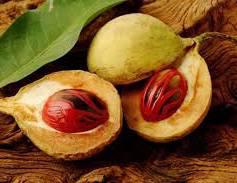
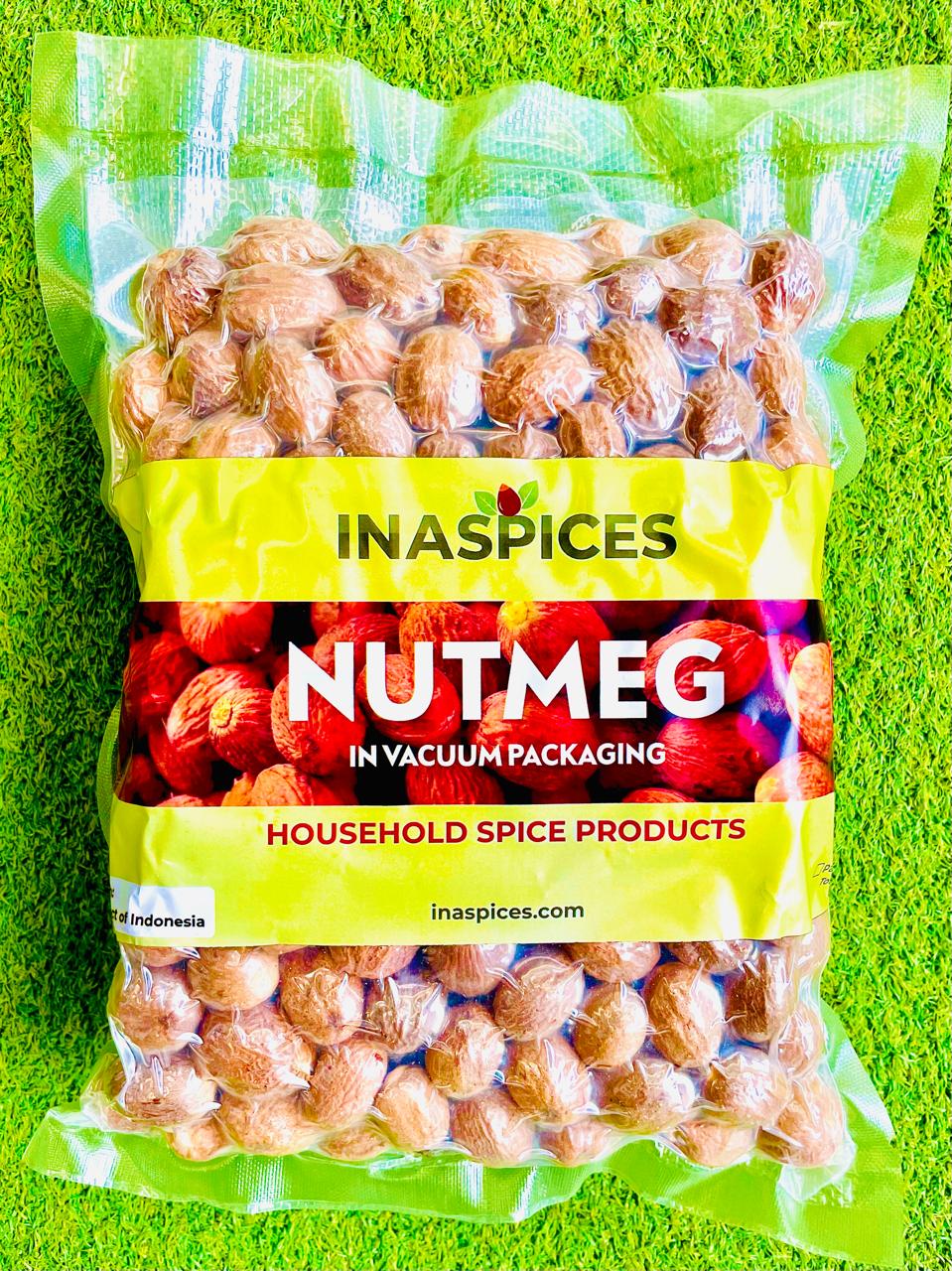
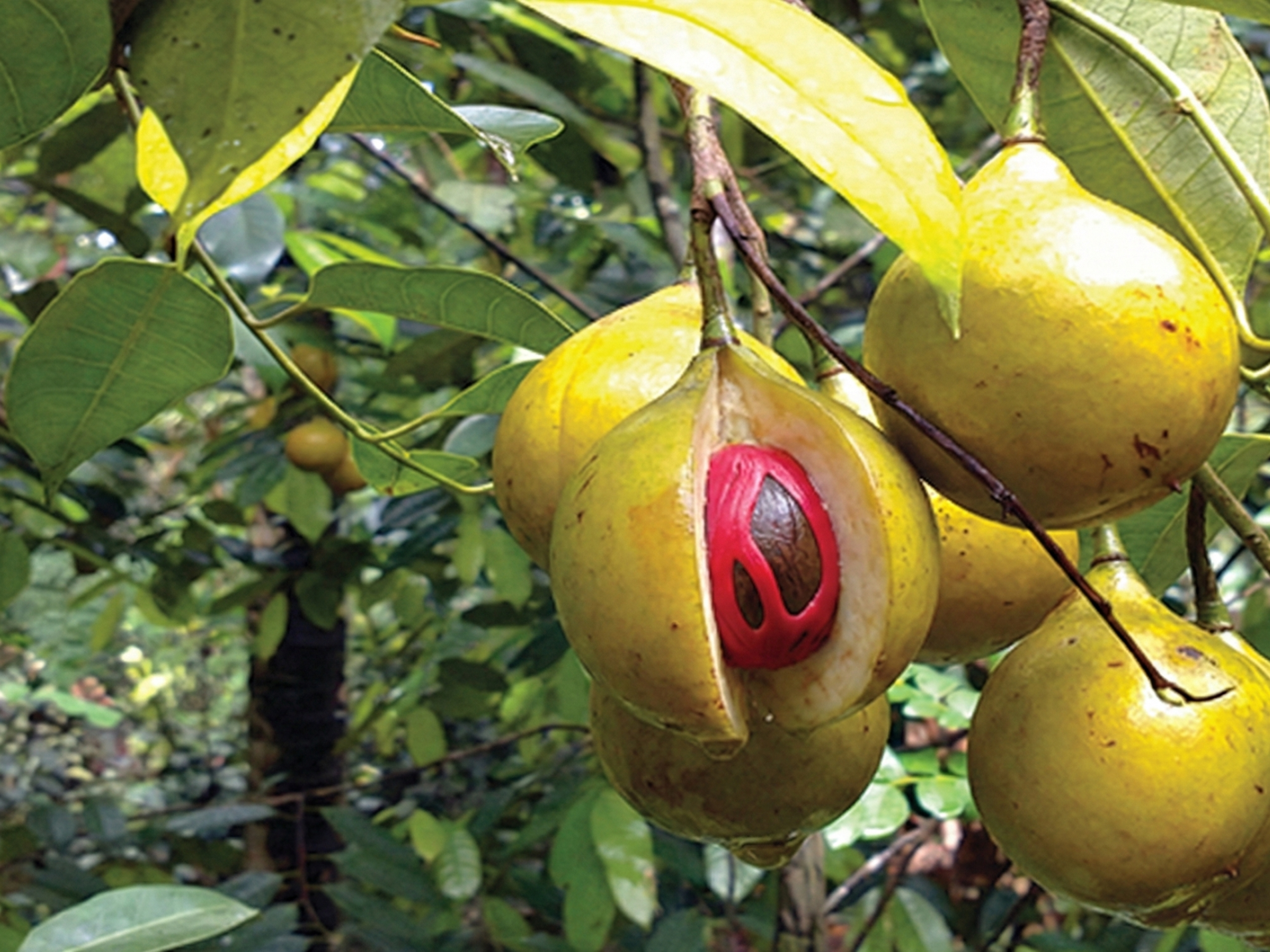
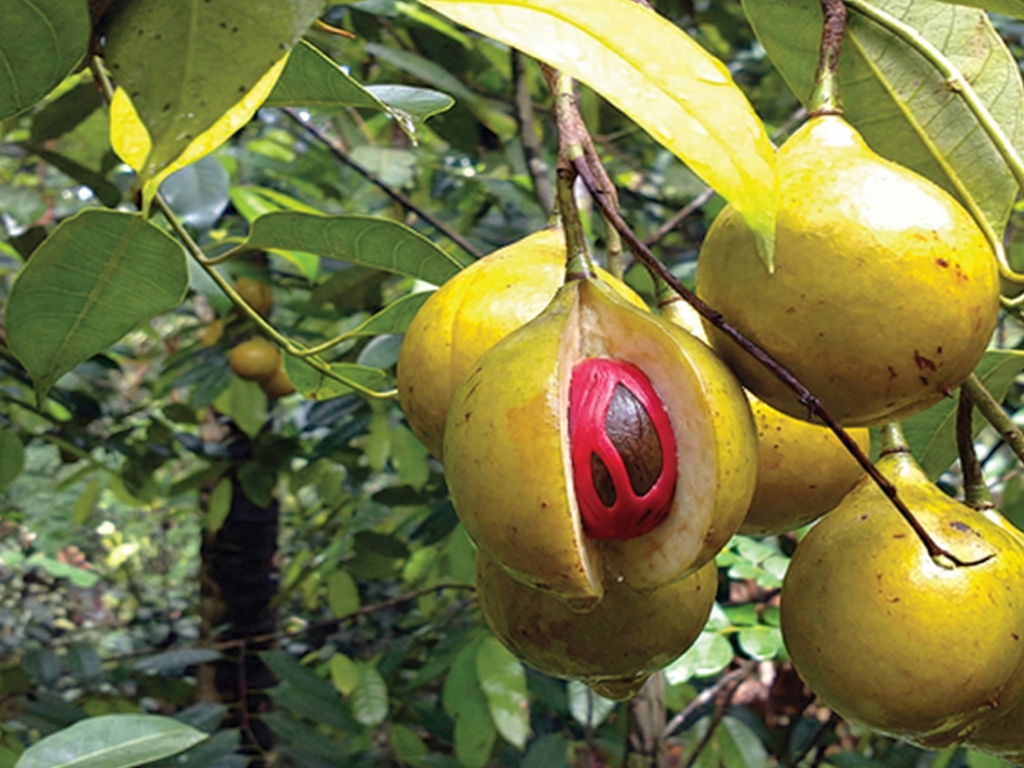
From the mystical Banda Islands comes the Myristica fragrans tree, a botanical marvel that yields two distinct and equally precious spices: nutmeg and mace. The nutmeg, a dark brown, oval seed, is encased in a striking red lacy aril, which, when dried, becomes mace. This unique duality makes the nutmeg tree truly exceptional. Nutmeg offers a warm, sweet, and slightly woody flavor, perfect for both savory dishes and sweet treats. Mace, with its more delicate, subtly pungent, and floral notes, is often preferred where a lighter spice presence is desired.
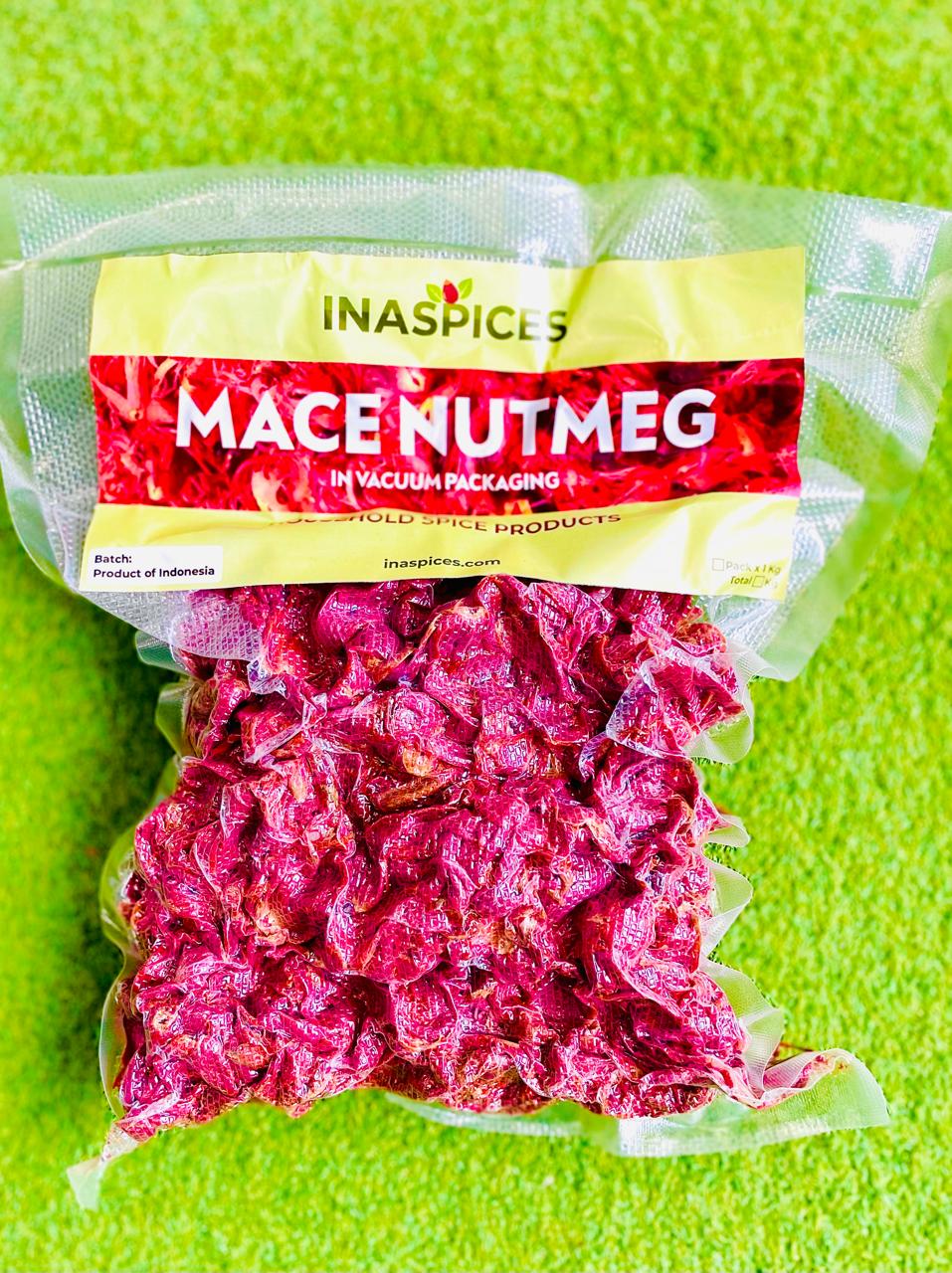
Quality is paramount when it comes to these prized commodities. For discerning buyers, the term mace hps (Hand-Picked Select) signifies the highest grade of mace, carefully chosen for its intactness, vibrant color, and superior aroma. This meticulous selection ensures that the mace retains its full flavor profile, a testament to the dedication of Indonesian spice farmers. Across the globe, from the kitchens of Nordic countries where it’s known as múskat krydd, to the spice cabinets of Middle Eastern chefs, the distinctiveness of Banda’s nutmeg and mace is universally celebrated.
Beyond their culinary appeal, nutmeg and mace have been revered for their health benefits for centuries. Traditional medicine systems utilized them for digestion, sleep aid, and even as an aphrodisiac. Modern science has begun to explore the compounds responsible for these effects, particularly myristicin (מיריסטיצין in Hebrew), a natural organic compound found abundantly in nutmeg. Myristicin is believed to contribute to nutmeg’s neuroprotective and anti-inflammatory properties. However, caution is advised as excessive consumption can have psychoactive effects due to myristicin’s potency.
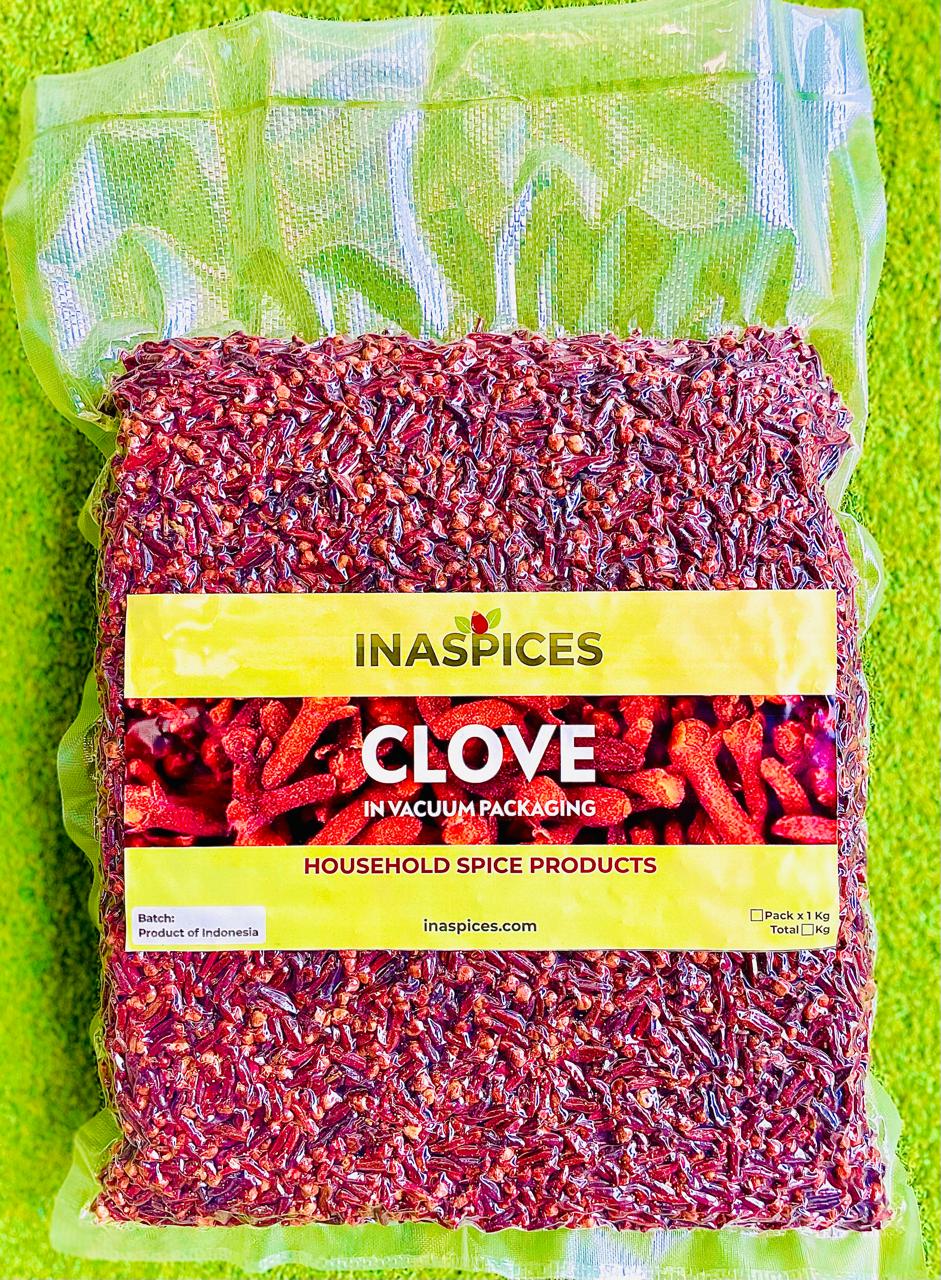
If nutmeg and mace are the twins, then cloves are the mighty buds. Originating primarily from the northern Maluku Islands, particularly Ternate and Tidore, cloves (Syzygium aromaticum) are the dried flower buds of a tropical evergreen tree. Their unique, nail-like shape and intensely aromatic, pungent, and sweet flavor have made them a global culinary staple. The scent of cloves is unmistakable, transporting one to images of holiday baking, spiced drinks, and exotic stews.
The power of cloves extends far beyond the kitchen. As one of the most versatile spices in traditional medicine, cloves have a long history of use as an antiseptic, anti-inflammatory, and pain reliever. The active compound eugenol is responsible for much of its therapeutic efficacy, famously utilized for toothache relief. A simple clove bud gently bitten between aching teeth can provide surprising comfort. They are also rich in antioxidants, contributing to overall well-being.
Culinarily, cloves are incredibly adaptable. They feature prominently in savory dishes, from slow-cooked meats and rice pilafs to spice rubs. In sweet applications, they are indispensable in apple pies, gingerbread, and mulled wines. Even certain traditional sweets, such as the famous Turkish delight, or lokum, often incorporate cloves, adding a subtle warmth to their sugary sweetness. The global embrace of cloves underscores their universal appeal and enduring versatility.
Cinnamon, the fragrant bark of trees from the genus Cinnamomum, has a history as rich and long as any other spice. While Ceylon cinnamon (Cinnamomum verum) is renowned for its delicate flavor, Indonesian cinnamon, primarily Cassia cinnamon (Cinnamomum cassia or Cinnamomum burmannii), is prized for its strong, sweet, and robust aroma, making it a favorite in countless kitchens worldwide. Indonesia is a major producer of this aromatic bark, carefully harvested and dried into quills or ground into a fine powder.
Cinnamon is not merely a delicious flavouring; it is also a powerhouse of health benefits. Research suggests that cinnamon can help regulate blood sugar levels, making it a valuable addition for those managing diabetes. It is also packed with potent antioxidants that combat oxidative stress in the body. As a key component of Indonesia’s pusaka rempah, or spice heritage, cinnamon embodies the intersection of culinary delight and natural wellness that defines the region’s spices.
From dusting over morning coffee and oatmeal to enriching apple crumbles, cinnamon’s sweet warmth is globally cherished. It’s also a surprisingly versatile ingredient in savory cooking, lending depth to curries, stews, and marinades. Its comforting aroma has made it a staple in fragrance and aromatherapy, creating a sense of warmth and well-being. The distinctive character of Indonesian cinnamon makes it a sought-after ingredient for its intense flavor and healthful properties.
The appeal of these precious spices extends far beyond their culinary applications. For millennia, traditional healers have relied on their potent properties to treat a myriad of ailments. Cloves, with their antiseptic qualities, have been used in oral hygiene and to combat infections. Nutmeg and mace have been valued for their digestive and calming effects. Cinnamon, as mentioned, is celebrated for its role in metabolic health. These aspices (a term often used to encompass a range of beneficial plant-based ingredients) were not just food additives but vital components of ancient pharmacology.
Modern scientific research continues to validate many of these traditional uses, uncovering the complex biochemical compounds responsible for the spices’ therapeutic actions. This synergy between ancient wisdom and contemporary understanding highlights the enduring value of Indonesia’s spice legacy. The unique terroir and traditional cultivation methods often contribute to the exceptional quality of these spices, resulting in distinct flavor profiles and higher concentrations of beneficial compounds. For instance, the specific characteristics of isa nutmeg, referring to nutmeg from particular Indonesian regions or with distinct processing, are often lauded for their superior aroma and flavor, making them highly prized in global markets.
Today, Indonesia remains a crucial player in the global spice market. Farmers across the archipelago continue to cultivate these ancient crops, often employing sustainable methods passed down through generations. The focus is on preserving the integrity of the land and ensuring the continued supply of high-quality spices to the world. From meticulous hand-picking to careful drying and processing, every step is undertaken to maintain the potency and purity of these natural treasures.
The global demand for authentic, high-quality spices is ever-growing, driven by culinary trends, health consciousness, and a renewed appreciation for their historical significance. Indonesia’s commitment to quality ensures that the world can continue to experience the rich heritage and exceptional flavors of its nutmeg, mace, cloves, and cinnamon. These spices are more than just ingredients; they are ambassadors of Indonesian culture, carrying stories of ancient trade, natural abundance, and an enduring connection between humanity and the earth.
The journey through the aromatic world of Indonesian spices is one of discovery, history, and unparalleled flavor. From the complex warmth of nutmeg and the delicate piquancy of mace to the intense power of cloves and the sweet embrace of cinnamon, these spices are a testament to nature’s bounty and human ingenuity. They have enriched cuisines, healed bodies, and inspired civilizations for millennia, and their allure shows no signs of fading.
Are you ready to infuse your culinary creations with the authentic taste and rich history of Indonesia’s finest spices? Explore the curated selection of premium nutmeg, mace, cloves, and cinnamon directly from their source. For unparalleled quality and genuine Indonesian spice expertise, we heartily recommend inaspices.com. Discover the true essence of pusaka rempah and bring the golden veins of Nusantara into your home today.
Upload images to this post to show gallery.
Nunarsuarmi, nunap qainaa inuulirviksaqtuq qanugitunik, misigirnarittunillu nutaarnnguanik. Indonisia, nunataap aqqutaanut inittuq, silataaniittuniit ukiumik arvinilinnik quliinnik ukiuqtaqtuq, nutaarnnguanik qanuinnirittiaqanngittunik piliaqartuq. Taakkua nutaarnnguat nuanngiit uumatittiaqtut niqitsatsianik, aanniaqanngittuq ikajuutiksanik, piusissuanillu oqaluttuanik. Indonisia-mi Nutaarnnguat Oqaluttuaq angallatit aqqutaanik, niuvviksanillu angisuunik oqaluttuaqarluni. Taakkua nunap qainaa iluaniittut Angallatit Aqqutaa Uummatip Anirniaqutaa, nunarsuarmi inuit atugaqarnngittut piusissuarnik ukiuqtaqtuq. Ukiuqtaqtuq Angallatit Aqqutaa, ukiumik arvinilinnik quliinnik ukiuqtaqtuq, nunarsuarmi oqaluttuarmi angisuunik aaqqiksuq, kulturimullu, niuvviksanullu piliaqarluni.
Una oqaluttuaq, nunarsuarmi tamarmiut niqainnut misigirnarittunik, aamma aanniaqanngittuq ikajuutiksanut, atuagaqarniqartut. Umiarjukkat Indonisia-mi oqaluttuaq, silamiittut inuit nunamik nutaanik aamma sumiittunik nunamik, ilinniartittuq. Ukiuqtaqtuq, nunap qainaa, uumatittiaqtut silarpaap pitsiaqaqtuq igalaaqutaa nutaarnnguanik – palaq, bunga palaq, cengkeh, kayu manis – angisuunik silamiittut inuit nunamik niuvviksanik angisuunik aaqqiksuq. Taakkua nunap qainaa iluaniittut nutaarnnguat, qaujisarviksanut uumasuqaqtuq, anirniaqanngittuq ikajuutiksanullu inuit atugaqarnngittut. Tamakkua nutaarnnguat qanuinnirittiaqanngittut, aanniaqanngittuq ikajuutiksanut, silamiittut inuit nunamik niqatsatsianik misigirnarittunik iniqtuqpaaluinut atugaqartut.
Palaq (Myristica fragrans) nunarsuarmi misigirnarittuq nutaarnnguaq. Indonisia-mi, Maluku Nunavittinniit, nunarsuarmi tamarmiut nunavittinniit, palaq qanutuinnartunik nutaarnnguanik piliaqartuq, arnatikkut arnatikkut. Palaq iluaniittuq “Palaq Nutaarnnguaq” qanugitunik niqatsatsianik niuvviksanik atugaqartuq. Palaq iluaniittuq aamma Nutaarnnguat Tukisiutiksat, nunarsuarmi silamiittut inuit nunamik niuvviksanik angisuunik aaqqiksuq. Misigirnarittuq Palaq, aanniaqanngittuq ikajuutiksanut atugaqartuq, pisaqarlunilu aanniasiatuunngittunik qanugitunik. Nunavittinniit Maluku, inuit atugaqarnngittut Palaq qanugitunik niqatsatsianik niuvviksanik piliaqartut. Palaq nutaarnnguaq silamiittut inuit nunamik qanugitunik niqatsatsianik atugaqarnngittut.
Palaq misigirnarittuq aamma aanniaqanngittuq ikajuutiksanut atugaqartuq, inuit atugaqarnngittut inuit aanniaqanngittuq ikajuutiksanut, misigirnarittunik niqatsatsianillu atugaqartut. Misigirnarittuq Palaq, nunavittinniit Maluku, nunarsuarmi tamarmiut inuit atugaqarnngittut inuit aanniaqanngittuq ikajuutiksanut, misigirnarittunik niqatsatsianillu atugaqartut. Tamakkua qanuinnirittiaqanngittut Palaq, inuit aanniaqanngittuq ikajuutiksanut atugaqartut, qanugitunik niqatsatsianik niuvviksanik atugaqartut. Palaq-mi iluaniittuq aanniasiatuunngittuq Myristicin-i, angisuunik atugaqaqtillugu aanniasiatuunngittuq. Taamaammat Palaq atugaliqtaqtaq qanugitunik.
Ukiuqtaqtuq Palaq nunarsuarmi tamarmiut inuit atugaqarnngittut niqatsatsianik niuvviksanik, aamma aanniaqanngittuq ikajuutiksanut atugaqartut. Ukiuqtaqtuq Palaq nunarsuarmi tamarmiut inuit atugaqarnngittut niqatsatsianik niuvviksanik, aamma aanniaqanngittuq ikajuutiksanut atugaqartut. Palaq qanugitunik niqatsatsianik niuvviksanik atugaqartuq, qanugitunik niqatsatsianik niuvviksanik atugaqartuq. Palaq misigirnarittuq nutaarnnguaq, nunarsuarmi tamarmiut inuit atugaqarnngittut inuit aanniaqanngittuq ikajuutiksanut, misigirnarittunik niqatsatsianillu atugaqartut.
Palaq misigirnarittuq aamma qanuinnirittiaqanngittut.
Bunga Palaq (Mace), Palaq-ip qainaa, uummatip anirniaqutaa, nunarsuarmi tamarmiut nutaarnnguaq. Bunga Palaq-ip qainaa, nutaarnnguaq qanuinnirittiaqanngittut piliaqartuq, aamma Palaq-imit misigirnarittuq. Bunga Palaq qanuinnirittiaqanngittut niqatsatsianik niuvviksanik atugaqartuq, aamma nunarsuarmi tamarmiut inuit atugaqarnngittut inuit aanniaqanngittuq ikajuutiksanut. Bunga Palaq-ip qainaa, Palaq-imit qanugitunik niqatsatsianik niuvviksanik atugaqartuq. Bunga Palaq-ip qainaa, Palaq-imit qanugitunik niqatsatsianik niuvviksanik atugaqartuq. Bunga Palaq-ip qainaa, Palaq-imit qanugitunik niqatsatsianik niuvviksanik atugaqartuq.
Bunga Palaq qanuinnirittiaqanngittut niqatsatsianik niuvviksanik atugaqartuq, aamma nunarsuarmi tamarmiut inuit atugaqarnngittut inuit aanniaqanngittuq ikajuutiksanut. Taakkua Bunga Palaq qanuinnirittiaqanngittut, inuit aanniaqanngittuq ikajuutiksanut atugaqartut, qanugitunik niqatsatsianik niuvviksanik atugaqartut. Bunga Palaq qanuinnirittiaqanngittut, nunarsuarmi tamarmiut inuit atugaqarnngittut inuit aanniaqanngittuq ikajuutiksanut, misigirnarittunik niqatsatsianillu atugaqartut.
Cengkeh (Syzygium aromaticum) Indonisia-mi, Maluku Nunavittinniit, nunarsuarmi tamarmiut nutaarnnguaq. Cengkeh-ip qainaa, nunarsuarmi tamarmiut niqatsatsianik niuvviksanik atugaqartuq, aamma aanniaqanngittuq ikajuutiksanut atugaqartuq. Cengkeh-ip qainaa, niqatsatsianik niuvviksanik atugaqartuq, aamma nunarsuarmi tamarmiut inuit atugaqarnngittut inuit aanniaqanngittuq ikajuutiksanut. Cengkeh-ip qainaa, niqatsatsianik niuvviksanik atugaqartuq, aamma nunarsuarmi tamarmiut inuit atugaqarnngittut inuit aanniaqanngittuq ikajuutiksanut.
Cengkeh-ip qainaa, niqatsatsianik niuvviksanik atugaqartuq, aamma nunarsuarmi tamarmiut inuit atugaqarnngittut inuit aanniaqanngittuq ikajuutiksanut. Cengkeh-ip qainaa, niqatsatsianik niuvviksanik atugaqartuq, aamma nunarsuarmi tamarmiut inuit atugaqarnngittut inuit aanniaqanngittuq ikajuutiksanut. Taakkua qanuinnirittiaqanngittut Cengkeh, inuit aanniaqanngittuq ikajuutiksanut atugaqartut, qanugitunik niqatsatsianik niuvviksanik atugaqartut. Cengkeh qanugitunik niqatsatsianik niuvviksanik atugaqartuq, aamma nunarsuarmi tamarmiut inuit atugaqarnngittut inuit aanniaqanngittuq ikajuutiksanut.
Umiarjukkat iluani Cengkeh atugaqartuq, taamaattumik niqatsatsianik misigirnarittunik iniqtuqpaaluinut. Niqatsatsiat, Cengkeh-i iluaniittuq, nunarsuarmi tamarmiut inuit atugaqarnngittut inuit aanniaqanngittuq ikajuutiksanut, misigirnarittunik niqatsatsianillu atugaqartut.
Kayu Manis (Cinnamomum verum), nunarsuarmi tamarmiut nutaarnnguaq, uummatip anirniaqutaa nunarsuarmi tamarmiut nutaarnnguaq. Kayu Manis-ip qainaa, nunarsuarmi tamarmiut niqatsatsianik niuvviksanik atugaqartuq, aamma aanniaqanngittuq ikajuutiksanut atugaqartuq. Kayu Manis-ip qainaa, niqatsatsianik niuvviksanik atugaqartuq, aamma nunarsuarmi tamarmiut inuit atugaqarnngittut inuit aanniaqanngittuq ikajuutiksanut. Kayu Manis-ip qainaa, niqatsatsianik niuvviksanik atugaqartuq, aamma nunarsuarmi tamarmiut inuit atugaqarnngittut inuit aanniaqanngittut ikajuutiksanut.
Kayu Manis-ip qainaa, niqatsatsianik niuvviksanik atugaqartuq, aamma nunarsuarmi tamarmiut inuit atugaqarnngittut inuit aanniaqanngittuq ikajuutiksanut. Kayu Manis-ip qainaa, niqatsatsianik niuvviksanik atugaqartuq, aamma nunarsuarmi tamarmiut inuit atugaqarnngittut inuit aanniaqanngittuq ikajuutiksanut. Taakkua qanuinnirittiaqanngittut Kayu Manis, inuit aanniaqanngittuq ikajuutiksanut atugaqartut, qanugitunik niqatsatsianik niuvviksanik atugaqartut. Kayu Manis qanugitunik niqatsatsianik niuvviksanik atugaqartuq, aamma nunarsuarmi tamarmiut inuit atugaqarnngittut inuit aanniaqanngittuq ikajuutiksanut.
Indonisia-miittut nutaarnnguat, Nutaarnnguat Tukisiutiksat misigirnarittut, nunarsuarmi tamarmiut inuit atugaqarnngittut inuit aanniaqanngittuq ikajuutiksanut. Taakkua nutaarnnguat, nunarsuarmi tamarmiut inuit atugaqarnngittut inuit aanniaqanngittuq ikajuutiksanut, misigirnarittunik niqatsatsianillu atugaqartut. Taakkua nutaarnnguat, nunarsuarmi tamarmiut inuit atugaqarnngittut inuit aanniaqanngittuq ikajuutiksanut, misigirnarittunik niqatsatsianillu atugaqartut. Silammiutat Niqai Atatsiaqtut, soorlu lokum, aamma Nutaarnnguat iluaniittut, nunarsuarmi tamarmiut inuit atugaqarnngittut inuit aanniaqanngittuq ikajuutiksanut, misigirnarittunik niqatsatsianillu atugaqartut. Nutaarnnguat, nunarsuarmi tamarmiut inuit atugaqarnngittut inuit aanniaqanngittuq ikajuutiksanut, misigirnarittunik niqatsatsianillu atugaqartut.
Nutaarnnguat, nunarsuarmi tamarmiut inuit atugaqarnngittut inuit aanniaqanngittuq ikajuutiksanut, misigirnarittunik niqatsatsianillu atugaqartut. Nutaarnnguat, nunarsuarmi tamarmiut inuit atugaqarnngittut inuit aanniaqanngittuq ikajuutiksanut, misigirnarittunik niqatsatsianillu atugaqartut. Taakkua Nutaarnnguat Tukisiutiksat, nunarsuarmi tamarmiut inuit atugaqarnngittut inuit aanniaqanngittuq ikajuutiksanut, misigirnarittunik niqatsatsianillu atugaqartut.
inaspices-ip Palaa aamma Bunga Palaq Qanuinnirittiaqanngittut, nunarsuarmi tamarmiut inuit atugaqarnngittut inuit aanniaqanngittuq ikajuutiksanut, misigirnarittunik niqatsatsianillu atugaqartut. inaspices-ip qainaa, nunarsuarmi tamarmiut inuit atugaqarnngittut inuit aanniaqanngittuq ikajuutiksanut, misigirnarittunik niqatsatsianillu atugaqartut. inaspices-ip qainaa, nunarsuarmi tamarmiut inuit atugaqarnngittut inuit aanniaqanngittuq ikajuutiksanut, misigirnarittunik niqatsatsianillu atugaqartut. Taakkua inaspices-ip qainaa, nunarsuarmi tamarmiut inuit atugaqarnngittut inuit aanniaqanngittuq ikajuutiksanut, misigirnarittunik niqatsatsianillu atugaqartut.
inaspices-ip qainaa, nunarsuarmi tamarmiut inuit atugaqarnngittut inuit aanniaqanngittuq ikajuutiksanut, misigirnarittunik niqatsatsianillu atugaqartut. inaspices-ip qainaa, nunarsuarmi tamarmiut inuit atugaqarnngittut inuit aanniaqanngittuq ikajuutiksanut, misigirnarittunik niqatsatsianillu atugaqartut. Taakkua inaspices-ip qainaa, nunarsuarmi tamarmiut inuit atugaqarnngittut inuit aanniaqanngittuq ikajuutiksanut, misigirnarittunik niqatsatsianillu atugaqartut.
inaspices-ip qainaa, nunarsuarmi tamarmiut inuit atugaqarnngittut inuit aanniaqanngittuq ikajuutiksanut, misigirnarittunik niqatsatsianillu atugaqartut. Taakkua inaspices-ip qainaa, nunarsuarmi tamarmiut inuit atugaqarnngittut inuit aanniaqanngittuq ikajuutiksanut, misigirnarittunik niqatsatsianillu atugaqartut. inaspices.com-mi, nunarsuarmi tamarmiut inuit atugaqarnngittut inuit aanniaqanngittuq ikajuutiksanut, misigirnarittunik niqatsatsianillu atugaqartut. inaspices.com-mi, nunarsuarmi tamarmiut inuit atugaqarnngittut inuit aanniaqanngittuq ikajuutiksanut, misigirnarittunik niqatsatsianillu atugaqartut.
Ukiuqtaqtuq Indonisia-miittut nutaarnnguat, inuit atugaqarnngittut inuit aanniaqanngittuq ikajuutiksanut, misigirnarittunik niqatsatsianillu atugaqartut. inaspices.com-mi, nunarsuarmi tamarmiut inuit atugaqarnngittut inuit aanniaqanngittuq ikajuutiksanut, misigirnarittunik niqatsatsianillu atugaqartut. Pitsiaqaqtuq inaspices.com-mi nutaarnnguanik pisaqarniarit, nunataup qainaa pitsiaqaqtuq misigirnarittunik niqatsatsianik niuvviksanik atugaqartut!
Upload images to this post to show gallery.
Kanu ejaas ikeny ka akakanyumununi, ka ewaasi loka ejai ijo aswam? Ejaas ikeny apedori loka edet loka Indonesia, eloete atipeleka loka itwan ka akamuran loka akakanyumununi. Kwape keda ejai eong ijo arima akamwan loka ewaasi loka edet loka itunga adeke, kede akitaab ebaasi keda akaulo ejaas aanyamuneni adeke. Itunga loka atipeleka edet adeke kede apwonj keda, apwonj loka akakanyumununi, kede ewaasi loka akanyumununi.
Ejaas ikeny aduket loka edet apedori loka Indonesia: Pala (Nutmeg), Bunga Pala (Mace), Cengkeh (Cloves), kede Kayu Manis (Cinnamon). Ipesio ka itunga adeke loka Indonesia eloete akamwan loka ejai erono kede elulung. Apedori loka edet loka apwonj ejaas akakanyumununi adeke kede ewaasi loka akakanyumununi. Ijaas ikeny apwonj kede edet loka Indonesia, kede akanyumununi loka apwonj loka akakanyumununi, kede ewaasi loka edet loka apwonj loka akakanyumununi.
Indonesia, etunganan adeke loka ejai erono kede akamuran, ejaas akabwa adeke kede akakanyumununi adeke loka edet loka apwonj loka akakanyumununi. Ejaas ikeny apwonj loka akakanyumununi loka edet loka apwonj loka akakanyumununi. Ejai Indonesia akajokan adeke loka akibai ka edet: akide loka apwonj, akide loka akakanyumununi, kede akide loka akakanyumununi. Ejaas ikeny akide loka akakanyumununi loka akakanyumununi loka edet loka apwonj loka akakanyumununi.
Ejaas Moluka (anyamuneni), ajai ikeny akajokan adeke loka edet loka apwonj loka akakanyumununi. Ejaas ikeny akajokan adeke loka edet loka apwonj loka akakanyumununi. Ejaas ikeny akamwan loka atipeleka loka itwan ka akamuran loka akakanyumununi. Ejai edet loka apwonj loka akakanyumununi akamwan loka itwan adeke loka akamuran loka akakanyumununi. Ejaas ikeny apwonj loka edet loka apwonj loka akakanyumununi kede apwonj loka akakanyumununi.
Pala, eloete itwan adeke loka akamuran loka akakanyumununi, ejaas ikeny akakanyumununi adeke loka akamuran loka akakanyumununi. Ejaas ikeny apwonj loka akakanyumununi loka akakanyumununi. Pala ka Bunga Pala eloete itwan adeke loka akamuran loka akakanyumununi. Ejaas ikeny akakanyumununi loka akakanyumununi.
Ejaas akakanyumununi loka Pala loka ejai itwan adeke loka akamuran loka akakanyumununi. Ejaas ikeny akakanyumununi loka akakanyumununi loka akakanyumununi. Ajai Banda, apwonj loka Pala. Ejaas ikeny akakanyumununi loka akakanyumununi loka akakanyumununi. Ejaas ikeny akamuran loka akakanyumununi loka akakanyumununi. Ejaas Pala akakanyumununi loka akakanyumununi loka akakanyumununi.
Ejaas ikeny akamuran loka akakanyumununi loka akakanyumununi loka akakanyumununi. Ejaas Pala akakanyumununi loka akakanyumununi loka akakanyumununi. Ejai Pala akakanyumununi loka akakanyumununi loka akakanyumununi. Ejaas Pala akakanyumununi loka akakanyumununi loka akakanyumununi. Ejaas Pala akakanyumununi loka akakanyumununi loka akakanyumununi.
Pala ejai apwonj loka akakanyumununi adeke loka akamuran loka akakanyumununi. Ejaas ikeny apwonj loka akakanyumununi loka akakanyumununi. Ejai Pala akakanyumununi loka akakanyumununi loka akakanyumununi.
Ejaas ikeny akakanyumununi loka akakanyumununi loka akakanyumununi. Ejai Pala akakanyumununi loka akakanyumununi loka akakanyumununi. Ejaas ikeny akakanyumununi loka akakanyumununi loka akakanyumununi. Ejaas ikeny akakanyumununi loka akakanyumununi loka akakanyumununi. Ejaas ikeny akakanyumununi loka akakanyumununi loka akakanyumununi.
Bunga Pala, ejai Pala kede akakanyumununi loka akamuran loka akakanyumununi. Ejaas ikeny akakanyumununi loka akakanyumununi loka akakanyumununi. Ejai Bunga Pala akakanyumununi loka akakanyumununi loka akakanyumununi. Ejaas ikeny akakanyumununi loka akakanyumununi loka akakanyumununi.
Bunga Pala, ejai Pala kede akakanyumununi loka akamuran loka akakanyumununi. Ejaas ikeny akakanyumununi loka akakanyumununi loka akakanyumununi. Ejai Bunga Pala akakanyumununi loka akakanyumununi loka akakanyumununi. Ejaas ikeny akakanyumununi loka akakanyumununi loka akakanyumununi.
Ejai Bunga Pala akakanyumununi loka akakanyumununi loka akakanyumununi. Ejai Bunga Pala akakanyumununi loka akakanyumununi loka akakanyumununi. Ejai Bunga Pala akakanyumununi loka akakanyumununi loka akakanyumununi.
Bunga Pala ejai apwonj loka akakanyumununi adeke loka akamuran loka akakanyumununi. Ejaas ikeny apwonj loka akakanyumununi loka akakanyumununi. Ejai Bunga Pala akakanyumununi loka akakanyumununi loka akakanyumununi.
Ejaas ikeny akakanyumununi loka akakanyumununi loka akakanyumununi. Ejaas ikeny akakanyumununi loka akakanyumununi loka akakanyumununi.
Cengkeh, edet loka akakanyumununi loka akamuran loka akakanyumununi. Ejaas ikeny akakanyumununi loka akakanyumununi loka akakanyumununi. Ejai Cengkeh akakanyumununi loka akakanyumununi loka akakanyumununi. Ejaas ikeny akakanyumununi loka akakanyumununi loka akakanyumununi.
Ejaas akakanyumununi loka Cengkeh loka ejai itwan adeke loka akamuran loka akakanyumununi. Ajai Moluka, apwonj loka Cengkeh. Ejaas ikeny akakanyumununi loka akakanyumununi loka akakanyumununi. Ejaas ikeny akamuran loka akakanyumununi loka akakanyumununi. Ejaas Cengkeh akakanyumununi loka akakanyumununi loka akakanyumununi.
Ejaas ikeny akamuran loka akakanyumununi loka akakanyumununi loka akakanyumununi. Ejaas Cengkeh akakanyumununi loka akakanyumununi loka akakanyumununi. Ejaas ikeny akakanyumununi loka akakanyumununi loka akakanyumununi. Ejaas ikeny akakanyumununi loka akakanyumununi loka akakanyumununi.
Cengkeh ejai apwonj loka akakanyumununi adeke loka akamuran loka akakanyumununi. Ejaas ikeny apwonj loka akakanyumununi loka akakanyumununi. Ejai Cengkeh akakanyumununi loka akakanyumununi loka akakanyumununi.
Ejaas ikeny akakanyumununi loka akakanyumununi loka akakanyumununi. Ejaas ikeny akakanyumununi loka akakanyumununi loka akakanyumununi.
Kayu Manis, edet loka akakanyumununi loka akamuran loka akakanyumununi. Ejaas ikeny akakanyumununi loka akakanyumununi loka akakanyumununi. Ejai Kayu Manis akakanyumununi loka akakanyumununi loka akakanyumununi. Ejaas ikeny akakanyumununi loka akakanyumununi loka akakanyumununi.
Ejaas akakanyumununi loka Kayu Manis loka ejai itwan adeke loka akamuran loka akakanyumununi. Ejaas ikeny akakanyumununi loka akakanyumununi loka akakanyumununi. Ejai Kayu Manis akakanyumununi loka akakanyumununi loka akakanyumununi. Ejaas ikeny akakanyumununi loka akakanyumununi loka akakanyumununi.
Ejaas ikeny akamuran loka akakanyumununi loka akakanyumununi loka akakanyumununi. Ejaas Kayu Manis akakanyumununi loka akakanyumununi loka akakanyumununi. Ejaas ikeny akakanyumununi loka akakanyumununi loka akakanyumununi.
Kayu Manis ejai apwonj loka akakanyumununi adeke loka akamuran loka akakanyumununi. Ejaas ikeny apwonj loka akakanyumununi loka akakanyumununi. Ejai Kayu Manis akakanyumununi loka akakanyumununi loka akakanyumununi.
Ejaas ikeny akakanyumununi loka akakanyumununi loka akakanyumununi. Ejaas ikeny akakanyumununi loka akakanyumununi loka akakanyumununi.
Apedori loka edet loka Indonesia, kwape Pala, Bunga Pala, Cengkeh, kede Kayu Manis, ejaas akamwan loka itwan adeke loka akamuran loka akakanyumununi. Ejaas ikeny apwonj loka akakanyumununi loka akakanyumununi. Ejai edet loka apwonj loka akakanyumununi akakanyumununi loka akakanyumununi. Ejaas ikeny akakanyumununi loka akakanyumununi loka akakanyumununi.
Ejaas ikeny akakanyumununi loka akakanyumununi loka akakanyumununi. Ejaas ikeny akakanyumununi loka akakanyumununi loka akakanyumununi. Ejaas ikeny akakanyumununi loka akakanyumununi loka akakanyumununi.
Kanu ejai ijo apwonj loka akakanyumununi adeke loka akamuran loka akakanyumununi? Ejaas ikeny akakanyumununi loka akakanyumununi loka akakanyumununi. Inaspices.com ejaas akakanyumununi loka akakanyumununi loka akakanyumununi. Ejaas ikeny akakanyumununi loka akakanyumununi loka akakanyumununi.
Atukoi akakanyumununi loka Indonesia kede inaspices.com. Ejaas ikeny akakanyumununi loka akakanyumununi loka akakanyumununi. Ejaas ikeny akakanyumununi loka akakanyumununi loka akakanyumununi. Ejaas ikeny akakanyumununi loka akakanyumununi loka akakanyumununi.
Ijo atipeleka edet loka apwonj loka akakanyumununi kede apwonj loka akakanyumununi:
Amwanu inaspices.com ajai ijo atipeleka akakanyumununi adeke loka akamuran loka akakanyumununi! Ejaas ikeny akakanyumununi loka akakanyumununi loka akakanyumununi.