
Upload images to this post to show gallery.
From the mystical islands of the Indonesian archipelago spring forth treasures that once fueled empires, ignited global trade, and transformed cuisines across continents. These aren’t glittering gems or precious metals, but fragrant spices: nutmeg, mace, clove, and cinnamon. More than just culinary ingredients, they are a vibrant heartbeat of Indonesia’s history, culture, and enduring legacy, offering a sensory journey that transcends time and geography.
For centuries, the small islands of Maluku, often referred to as the “Spice Islands,” were the sole source of highly coveted spices like nutmeg and cloves. This exclusivity made them immensely valuable commodities, triggering epic voyages of discovery, intense rivalries, and colonial conquests. European powers battled fiercely for control over these precious resources, fundamentally reshaping world maps and global economics.
The allure of Indonesian spices wasn’t just in their exotic taste; it was in the promise of wealth, medicinal power, and even mystical properties. Traders from Arabia, China, and India journeyed thousands of miles, establishing intricate trade routes long before European ships ever sighted these distant shores. Indonesia’s spices were truly a catalyst for global interconnection, linking diverse cultures through shared appreciation for their aromatic magic.
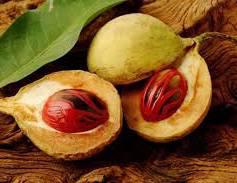
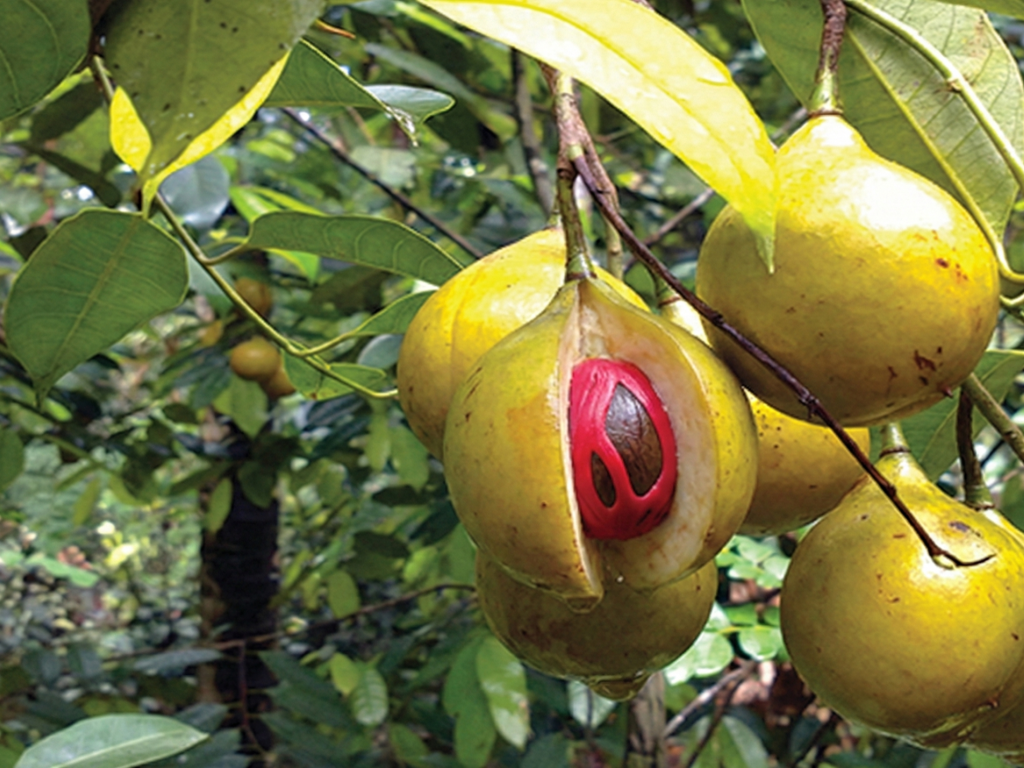
Originating from the Banda Islands in Maluku, the nutmeg tree (Myristica fragrans) is unique for yielding two distinct spices: nutmeg (the seed) and mace (the aril covering the seed). When the ripe, apricot-like fruit splits open, it reveals a dark brown seed encased in a lacy, crimson-red aril – the mace. Both possess warm, aromatic, and slightly sweet-woody notes, yet each has its own distinct character.
Culinary Use: Nutmeg is a staple in creamy sauces, baked goods, custards, and even savory dishes like soups and stews. Mace, with its more delicate and refined flavor, is preferred in lighter preparations, seafood, and some traditional liqueurs.
Health Benefits: Traditionally, nutmeg and mace have been used for digestive issues, as anti-inflammatory agents, and for their potential to induce sleep. Modern research explores their antioxidant and antimicrobial properties.
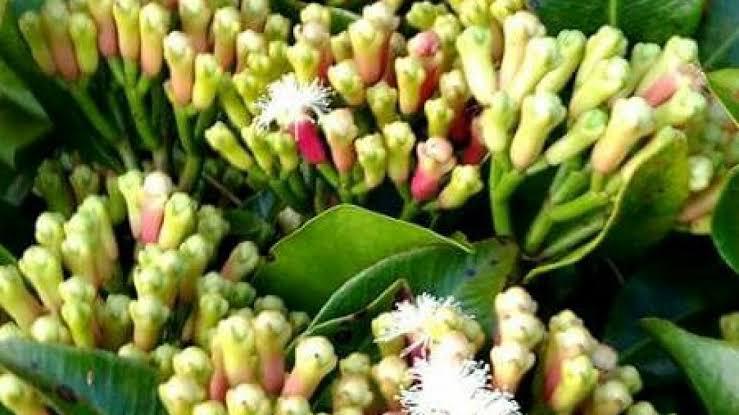
Also a native of the Maluku Islands, cloves (Syzygium aromaticum) are the dried flower buds of a tropical evergreen tree. Their intense, pungent, and warm aroma is instantly recognizable and has made them indispensable in kitchens and medicine cabinets worldwide.
Versatility: Cloves are a cornerstone of many spice blends, particularly in Indian, Middle Eastern, and Indonesian cuisines. They add depth to curries, rice dishes, meat marinades, and festive drinks like mulled wine. Beyond cooking, clove oil is a well-known remedy for toothaches and a popular scent in aromatherapy.
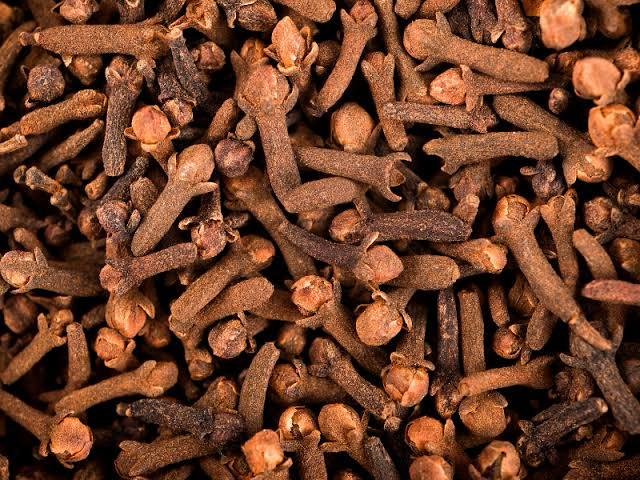
Medicinal Power: Rich in eugenol, cloves boast powerful antioxidant, anti-inflammatory, and antiseptic properties. They’ve been a staple in traditional medicine for pain relief, digestive health, and respiratory ailments.
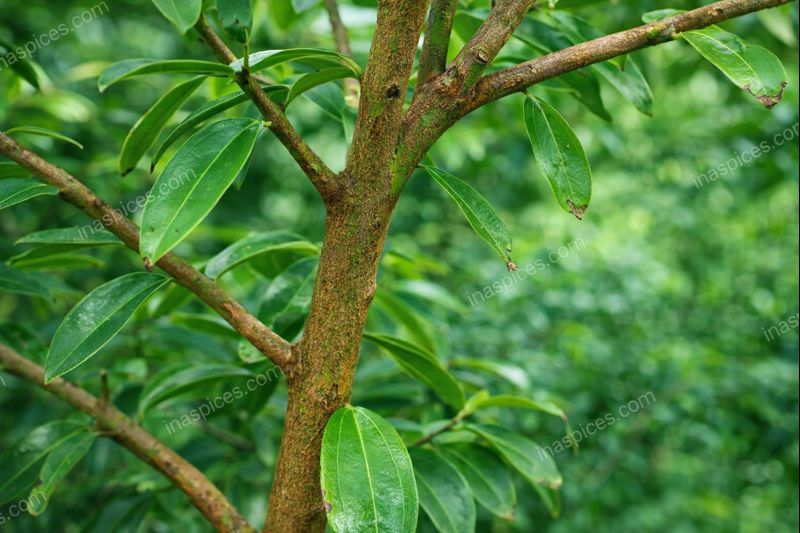
While often associated with Sri Lanka, Indonesia is also a significant producer of high-quality cinnamon (Cinnamomum burmannii), known as Cassia cinnamon. This beloved spice comes from the inner bark of various trees belonging to the Cinnamomum genus. The bark is peeled, dried, and then curls into the familiar quills or is ground into powder.
Culinary Versatility: Cinnamon’s warm, sweet, and slightly spicy flavor makes it incredibly versatile. It’s essential in desserts, pastries, and beverages, but also plays a crucial role in savory dishes, especially in Middle Eastern, Indian, and Indonesian stews and curries.
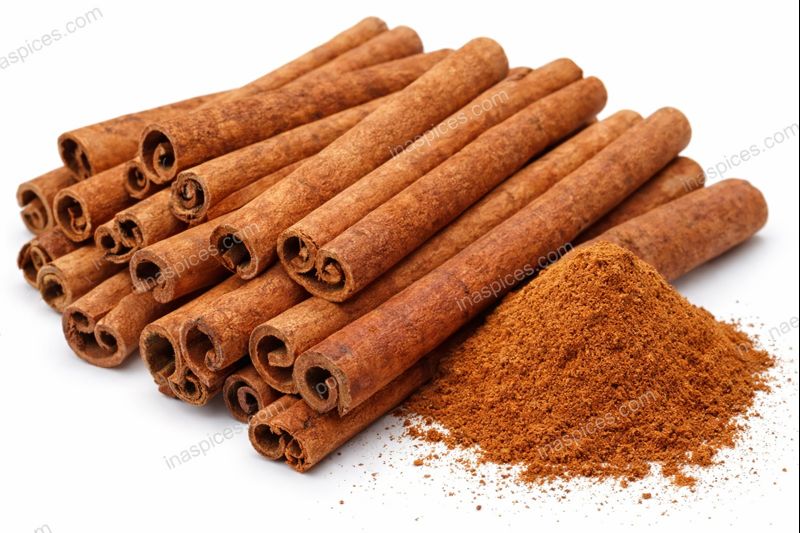
Health Benefits: Beyond its delightful taste, cinnamon is celebrated for its health-promoting properties. It’s packed with antioxidants, has anti-inflammatory effects, and is widely studied for its potential role in blood sugar management and heart health.
These Indonesian spices are not merely flavor enhancers; they are powerhouses of wellness. For millennia, they have been integral to traditional healing systems, including Indonesia’s own Jamu herbal medicine. Their potent compounds offer a spectrum of benefits:
From soothing a sore throat to boosting immunity, the wisdom of these spices continues to be validated by scientific inquiry, bridging the gap between ancient remedies and modern pharmaceuticals.
The influence of Indonesian spices extends far beyond their traditional uses. They have become pillars of global gastronomy, essential to countless international cuisines. Beyond the kitchen, their aromatic profiles make them popular in perfumery, cosmetics, and even as natural room fresheners, imbuing spaces with warmth and exotic charm.
As we savor the complex notes of nutmeg, the fiery warmth of clove, or the sweet embrace of cinnamon, we are not just tasting a spice; we are experiencing centuries of history, culture, and nature’s incredible bounty. Indonesia continues to be a vital steward of these precious plants, ensuring their legacy ensures for generations to come.
Their story is one of adventure, conflict, discovery, and ultimately, enduring appeal. These spices remind us of the incredible richness of the earth and the deep connections that flavor our world.