
For centuries, the very name “Indonesia” whispered tales of exotic aromas, incredible flavours, and untold riches. Far from being just a vast archipelago of stunning beauty, Indonesia is the fabled origin of some of the world’s most coveted spices. These aromatic treasures – particularly nutmeg, mace, cloves, and cinnamon – didn’t just flavour food; they reshaped global trade, ignited empires, and inspired daring expeditions across oceans. Let’s embark on a fascinating journey to explore the profound legacy of these golden spices.
A Scented History: The Spice Route and Indonesia’s Dominance
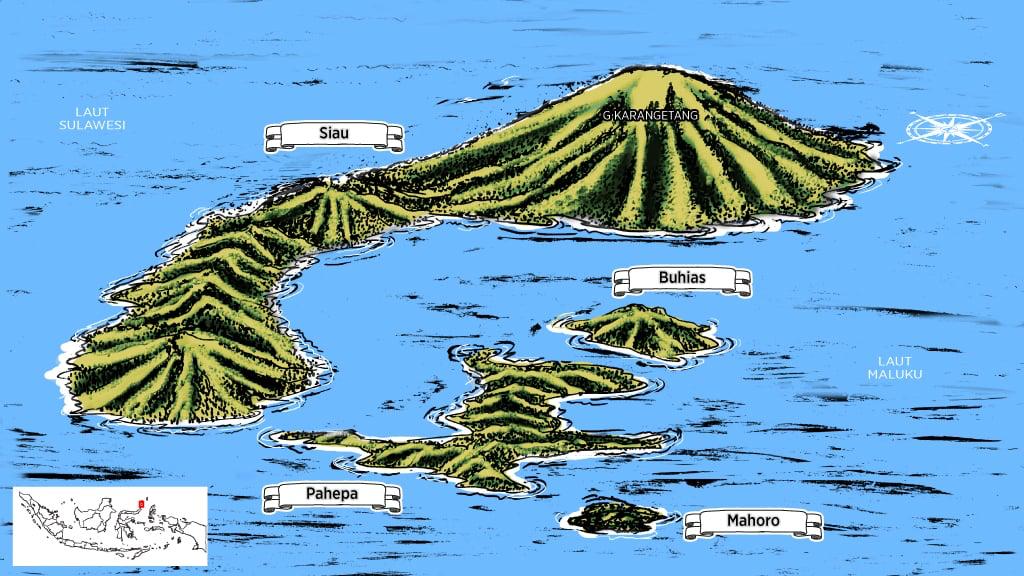
Before the age of refrigeration, spices were invaluable not only for enhancing the taste of food but also for preservation, medicine, and even perfumery. Among the most desired were those originating from the remote Maluku Islands (the Moluccas), famously dubbed “The Spice Islands.” It was here, particularly on small islands like Banda, that nutmeg and mace grew wild, and the vibrant cloves blossomed.
The quest for direct access to these islands fueled the Age of Exploration, propelling European powers like the Portuguese, Dutch, and English on perilous voyages across the globe. Control over the spice trade meant immense wealth and power, leading to centuries of intense competition and conflict. The historical significance of these small islands, their fragrant treasures, and the human drama they inspired, remains one of the most compelling stories in world history.
Nutmeg (Pala) and Mace (Bunga Pala): Two Treasures from One Fruit
Perhaps no spice embodies the uniqueness of Indonesia more than the nutmeg. What makes it truly extraordinary is that its fruit yields not one, but two distinct and prized spices: nutmeg and mace.
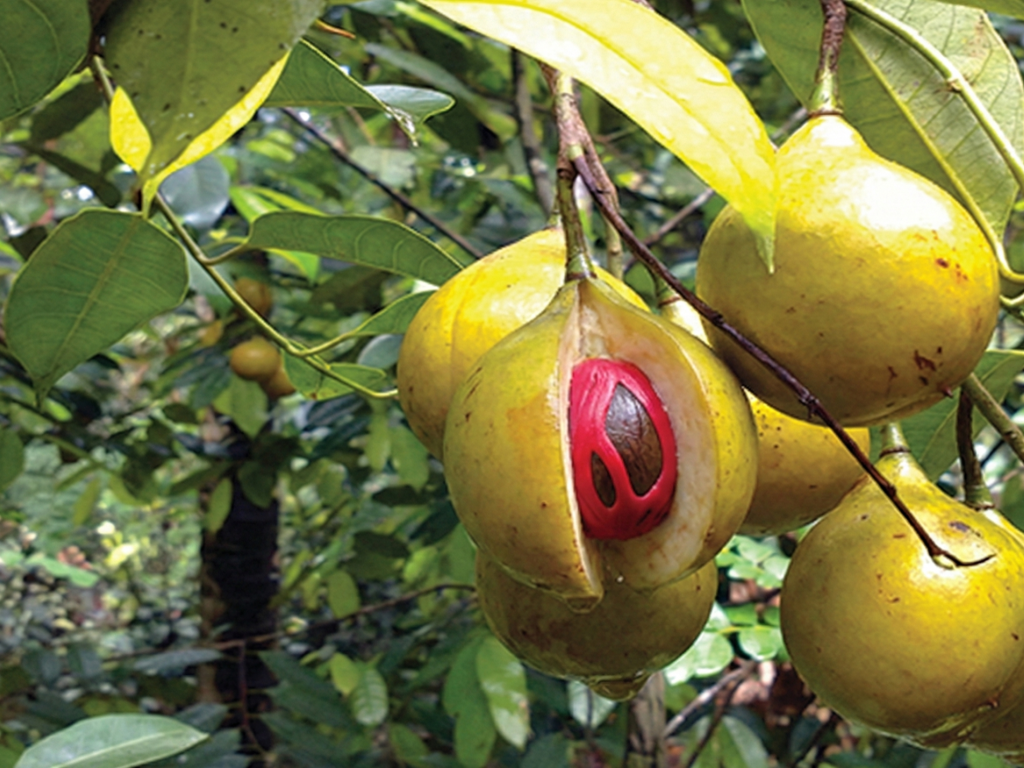
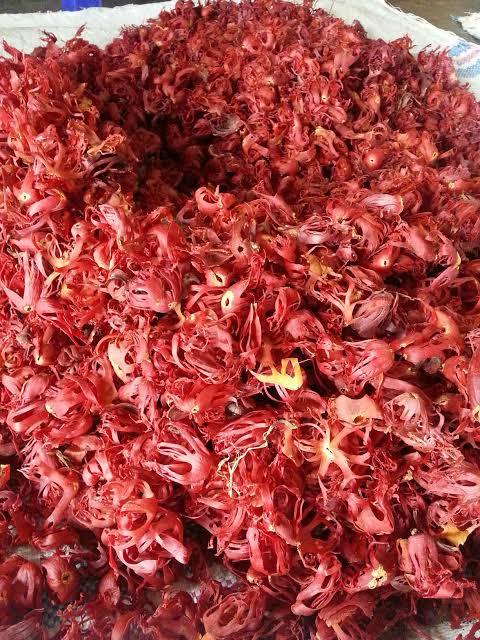
The nutmeg tree (Myristica fragrans) produces a fleshy, apricot-like fruit. When ripe, this fruit splits open to reveal a hard, dark-brown seed encased in a vibrant red, lace-like aril. The seed is the nutmeg, while the aril, carefully removed and dried, becomes mace. While both share a warm, aromatic, slightly sweet, and pungent flavour profile, mace is generally more delicate, ethereal, and subtly spicy than nutmeg.
In the culinary world, nutmeg is a staple in sweet and savoury dishes alike, from creamy sauces and baked goods to robust stews and warm beverages. Mace, with its finer nuances, often finds its way into lighter dishes, fish, poultry, and delicate desserts. Both are celebrated for their digestive properties and have been used in traditional medicine for centuries.
Cloves (Cengkeh): The Pungent Powerhouse
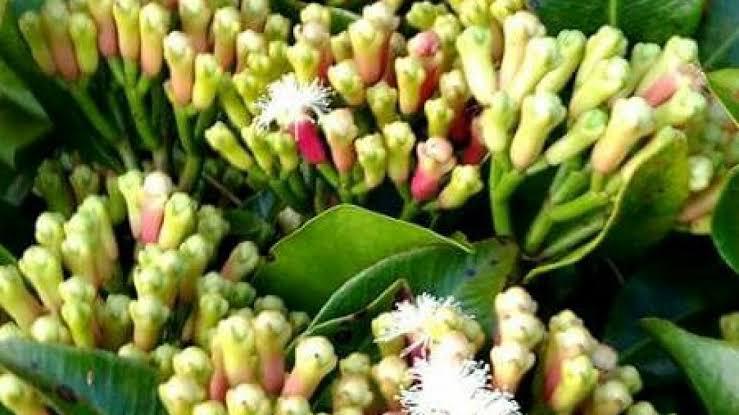
With their distinct nail-like shape and intensely aromatic flavour, cloves have captivated palates and healers for millennia. Native to the Maluku Islands, particularly the islands of Ternate and Tidore, cloves are the unopened flower buds of the evergreen clove tree (Syzygium aromaticum).
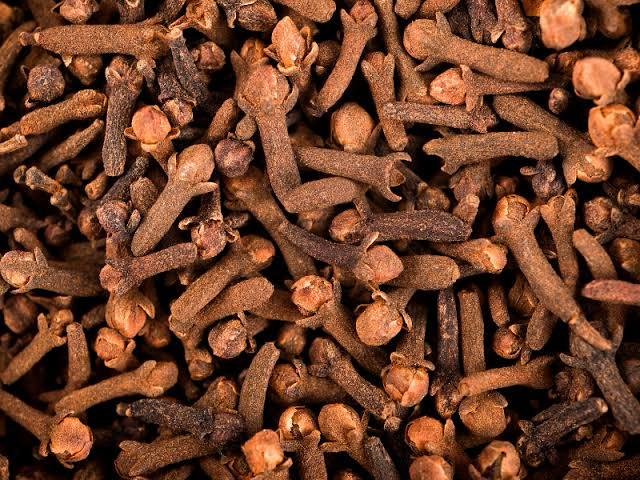
Cloves are hand-picked when they turn a reddish-pink, then dried until they become dark brown and firm. Their potent flavour is warm, sweet, and highly pungent, with a hint of bitterness. This makes them a dominant force in spice blends, lending depth to curries, mulled wines, roasted meats, and a variety of desserts.
Beyond the kitchen, cloves have a long history in traditional medicine, particularly in traditional Chinese medicine and Ayurveda. They are celebrated for their antiseptic, analgesic, and anti-inflammatory properties, often used for toothaches, digestive issues, and respiratory conditions. Their essential oil, eugenol, is still a staple in modern dentistry.
Cinnamon (Kayu Manis): The Sweet & Spicy Embrace
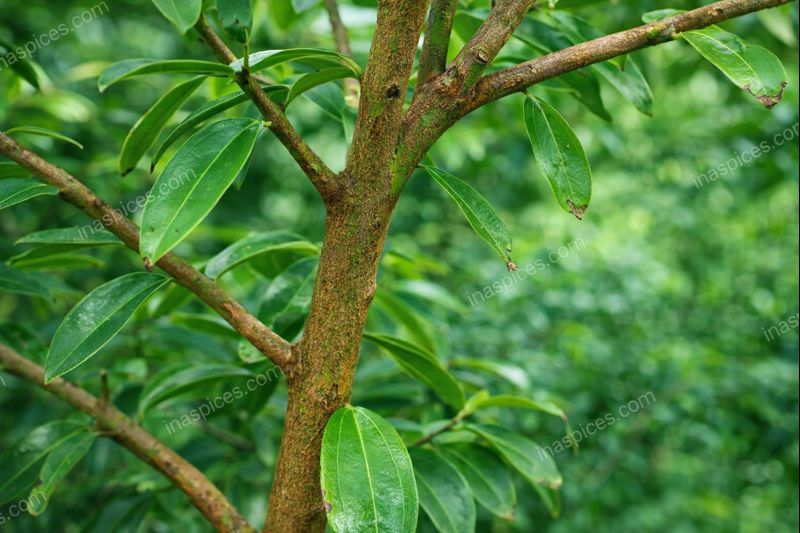
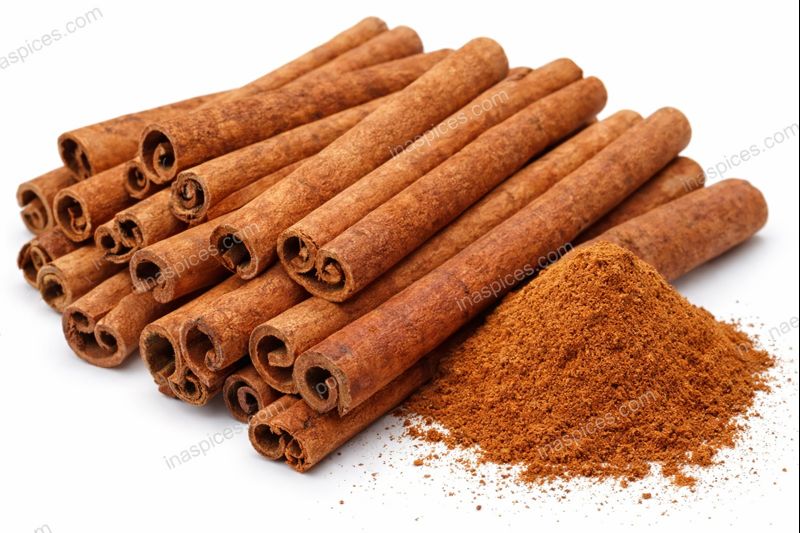
While often associated with Sri Lanka, Indonesia is a major producer of cassia cinnamon (Cinnamomum cassia), a close cousin to true Ceylon cinnamon. Known as “Kayu Manis” in Indonesia, this spice is derived from the dried inner bark of various cinnamon trees.
Indonesian cinnamon, or cassia, is characterised by its robust, sweet, and pungent flavour, often with a slightly spicier kick than Ceylon cinnamon. It’s widely used across the globe in everything from savoury stews and spice rubs to sweet pastries, coffees, and teas. Its versatility makes it a beloved ingredient in countless cuisines.
Historically and presently, cinnamon is revered for its health benefits. It is packed with antioxidants, possesses anti-inflammatory properties, and has been studied for its potential role in managing blood sugar levels. Its warm, inviting aroma also makes it a popular ingredient in aromatherapy and home fragrance products.
Indonesia’s Enduring Spice Legacy
From ancient trade routes to modern kitchens and pharmacies, the spices of Indonesia continue to enrich lives across the globe. Nutmeg, mace, cloves, and cinnamon are more than just flavourings; they are a testament to Indonesia’s rich natural heritage, its pivotal role in world history, and its ongoing contribution to global culinary and wellness traditions.
Their unique aromas, complex flavours, and remarkable health properties ensure their place as true golden treasures, forever linking the archipelago to a global tapestry of taste and tradition.
Rekomendasi Produk Spesial dari Inaspices.com (Basudara Pung Pilihan!)
Jang lupa, par kamong yang suka rempah-rempah berkualitas dari Maluku, coba lia di inaspices.com. Dong ada jual pala, bunga pala (fuli), deng cengkeh pilihan yang biking masakan kamong lebe pas, lebe harum! Sio, cuma di sini kamong dapa yang asli pung, langsung dari tangan petani.
- Pala Berkualitas Tinggi (High-Quality Nutmeg)
- Bunga Pala (Mace) Pilihan (Selected Mace)
- Cengkeh Asli Maluku (Authentic Moluccan Cloves)
Mari torang jaga deng lestarikan rempah-rempah katong pung warisan, par masa depan yang lebe bae!