
Upload images to this post to show gallery.
Hwe:ma kwaki’it, yama ‘inyo ‘ama k’wilkwalya:wa. Kwe:lyaw ‘iinyo wata ‘ama k’wilkwalya:wa. Inyaqwa ‘ama kwaki’it waki’it kwalyaw, kwekya ‘ama manya. Wata ‘iinyo kwe:lyaw. Far away, where the sun kisses the water, lies a land of ancient stories and potent flavors. This land, known as Nusantara, holds the very heart of the world’s most treasured spices. Imagine walking through forests where the air is thick with the scent of distant mountains and the earth itself breathes aroma. This is the home of nutmeg, mace, cloves, and cinnamon – not just seasonings, but gifts from the earth, carrying centuries of history and healing within their essence.
For generations, our ancestors knew these powerful plants. They were more than just food; they were medicine, they were prayer, they were wealth. They shaped the paths of ships and the destinies of nations. Today, we journey into their story, uncovering the deep roots and vibrant spirit of these remarkable treasures. From the subtle warmth of nutmeg to the fiery dance of cloves, each spice tells a tale of the earth’s bounty and humanity’s ancient quest for flavor and wellness.
Hwe:ma kwaki’it, kwekya ‘ama nya:ma ‘ama mat, ‘ama kwalyaw ‘iinyo waki’it kwalyaw. Many moons ago, the scent of these spices began to call people from far-off lands. This was the time of the great ‘old paths of spices’ (sejarah jalur rempah), a vast network of sea and land routes that connected East and West. Imagine brave sailors, guided by stars, seeking these precious treasures. They sought the fragrant gold of Nusantara, not just for taste, but for preservation, for medicine, and for status.
Indonesia, the heart of Nusantara, was not merely a stop along these routes; it was often the destination itself, the legendary Spice Islands holding the keys to global commerce and power. The stories of battles fought, alliances forged, and fortunes made, all centered around these small, dried wonders. From the Moluccas, the original home of cloves and nutmeg, to the plains where cinnamon grew wild, these lands were the center of a world-changing trade. The deep history of spices in Indonesia (sejarah rempah rempah di indonesia) is woven into the very fabric of its identity, a story of connection and rich heritage.
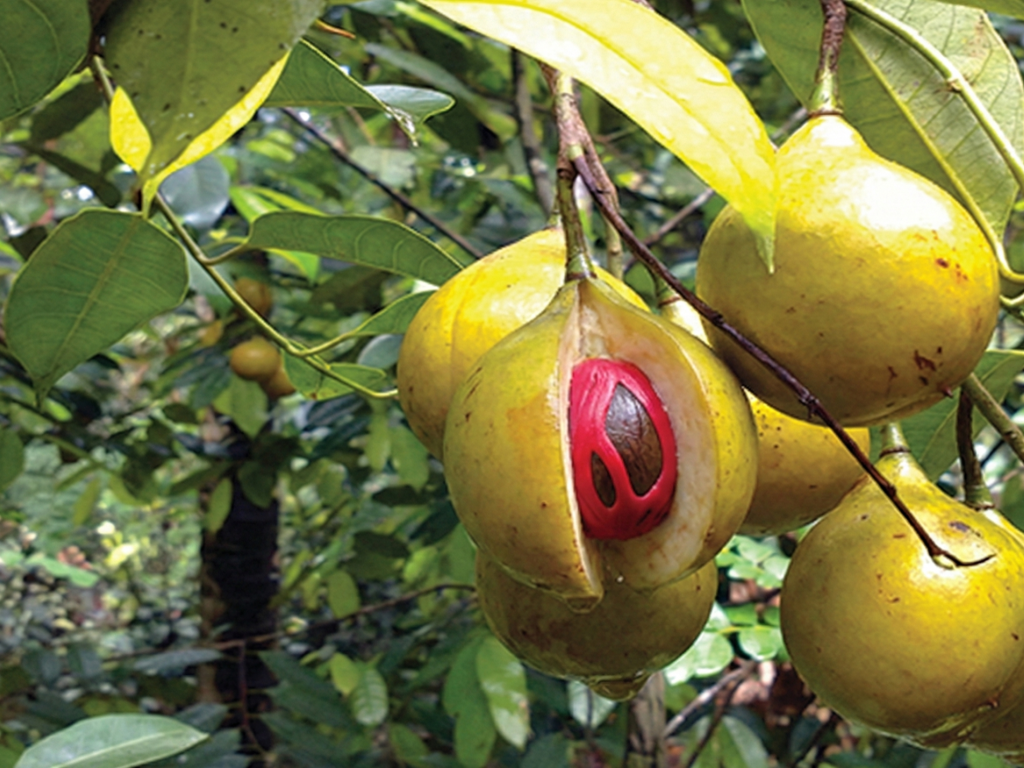
Hwe:ma kwaki’it, pala, hwe:ma kwaki’it, ‘iinyo ‘ama hwe:ma k’wilkwalya:wa. The nutmeg tree (Myristica fragrans) is a marvel of nature, giving us two distinct spices from a single fruit. The fruit itself, looking somewhat like an apricot, splits open when ripe to reveal a beautiful, glossy dark brown seed enclosed in a bright red, lacy aril. The seed is the nutmeg (múskat krydd), and the aril is mace. The term isa nutmeg, perhaps a special, emphasized nutmeg, speaks to its singular importance.
The nutmeg, once dried, is intensely aromatic, warm, and slightly sweet, with a hint of pine. It’s a fundamental flavor in countless cuisines around the world, from European puddings to Middle Eastern stews. Beyond its culinary appeal, nutmeg has been valued in traditional medicine for its calming properties. It was used to aid digestion, promote sleep, and even as a tonic. But, like all powerful medicines, it must be used with respect.
Inside the nutmeg, there is a special power, a compound known as Myristicin (מיריסטיצין). In small amounts, it contributes to nutmeg’s flavor and mild therapeutic effects. However, in larger quantities, it can have psychoactive properties, leading to its historical use (and sometimes misuse) in certain traditional practices. This duality underscores the potent nature of this ancient spice, a reminder of the fine line between remedy and reverence.
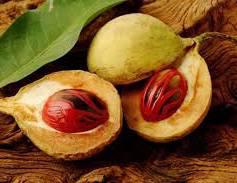
The intricate beauty of nutmeg, revealing its precious mace.
Hwe:ma kwaki’it, bunga pala, wata ‘iinyo waki’it kwalyaw, kwekya ‘ama wata ‘iinyo waki’it kwalyaw. The mace (bunga pala), with its striking red-orange hue before drying, is the elegant companion to nutmeg. While sharing some aromatic qualities with nutmeg, mace offers a more delicate, yet more piquant and slightly sweeter flavor profile. It’s often described as a more refined version of nutmeg, with a subtle citrusy undertone.
In the culinary world, mace is highly prized. It adds a vibrant color and distinct flavor to light-colored dishes like fish, poultry, and cream sauces, where nutmeg might overpower. It’s also a star in baking, especially in cakes and pastries, and features prominently in spice blends for sausages and pickling. When sourcing mace, discerning chefs and food producers often look for mace HPS, which stands for “High Purity Spice.” This designation indicates a premium quality mace, carefully selected and processed to ensure superior aroma, flavor, and appearance, free from imperfections. It represents the pinnacle of what mace can offer.
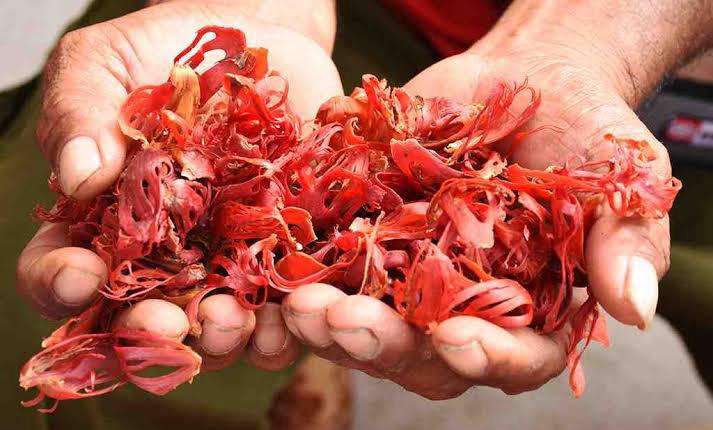
Mace, the delicate aril, held gently.
Hwe:ma kwaki’it, cengkeh, wata ‘iinyo waki’it kwalyaw. The clove tree (Syzygium aromaticum) originates from the Moluccas, an Indonesian archipelago known as the “Spice Islands.” These small, nail-shaped buds, known as cengkeh, are actually the aromatic flower buds of the tree, harvested before they open and then dried. Their distinctive, potent aroma and intense flavor are instantly recognizable, evoking warmth and depth.
Cloves are a powerhouse of flavor and wellness. They contain a compound called eugenol, which gives them their characteristic taste and is responsible for many of their traditional medicinal uses. Historically, cloves were used as a pain reliever, especially for toothaches, and as an antiseptic. They are also known for their antioxidant and anti-inflammatory properties, making them a valuable addition to many traditional remedies.
In the kitchen, cloves are incredibly versatile. They are essential spices in many savory dishes, lending their robust flavor to curries, stews, and roasted meats. In sweet preparations, they infuse warmth into apple pies, mulled wine, and gingerbread. The way these beautiful, tiny buds enhance both sweet and savory palettes is a testament to their enduring appeal and the reason they sparked centuries of global trade.
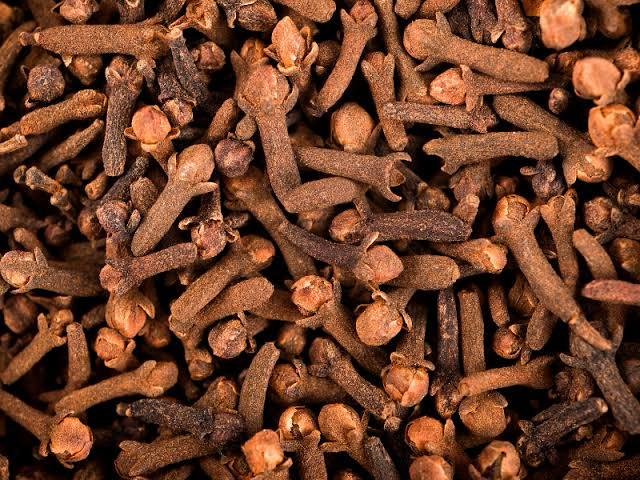
Dried cloves, ready to infuse flavor and warmth.
Hwe:ma kwaki’it, kayu manis, wata ‘iinyo waki’it kwalyaw. Cinnamon (kayu manis) holds a special place in the pantheon of spices, beloved for its sweet, woody, and comforting aroma. This ancient spice is derived from the inner bark of several tree species from the genus Cinnamomum. The bark is peeled, dried, and then curls into characteristic quills or sticks, or is ground into a fine powder.
While various types of cinnamon exist, such as Ceylon cinnamon (true cinnamon) and Cassia cinnamon, Indonesia is a significant producer of Cassia cinnamon, specifically Cinnamomum burmannii. This variety is known for its strong, pungent, and slightly spicy flavor, making it a favorite in hearty dishes and robust desserts. Harvesting cinnamon is an art, requiring skilled hands to carefully strip the inner bark without damaging the tree, ensuring sustainable practices for future harvests.
Cinnamon’s benefits extend beyond its delightful taste. It has been used in traditional medicine for centuries, particularly for its potential to help regulate blood sugar levels, reduce inflammation, and provide a rich source of antioxidants. Its warm, inviting flavor makes it a cherished ingredient in baked goods, breakfast cereals, and hot beverages. It’s also famously used in confections like lokum (Turkish delight), where its sweet spice perfectly complements the sugary treat, showing how spices in desserts transcend cultural boundaries to bring joy.
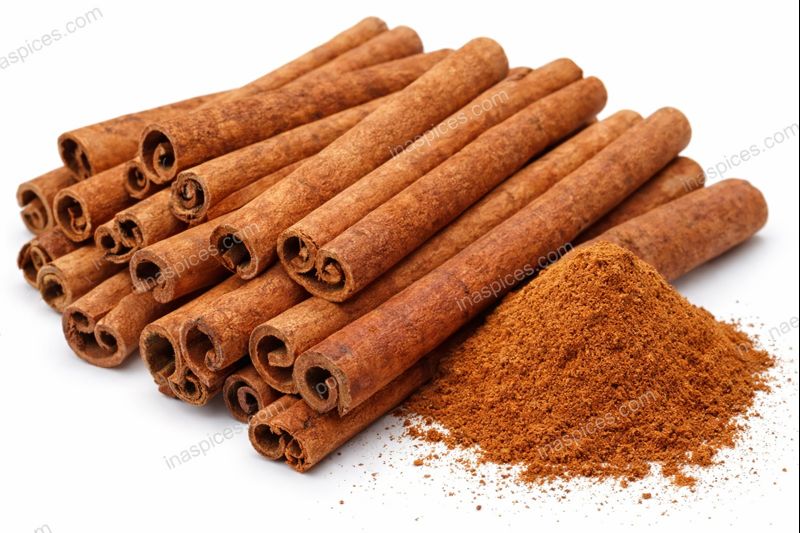
Cinnamon sticks and powder, essential for sweet and savory dishes.
Hwe:ma kwaki’it, kwekya ‘ama nya:ma ‘ama mat, ‘ama kwalyaw ‘iinyo waki’it kwalyaw. The whispers of these spices continue to echo through time. From ancient healing rituals to modern culinary masterpieces, nutmeg, mace, cloves, and cinnamon remain indispensable. They are more than just ingredients; they are a living heritage (pusaka rempah), a testament to the wisdom of generations who understood the profound power held within these botanical treasures.
Today, the quest for authentic, high-quality spices is stronger than ever. People worldwide seek the true essence of these flavors to elevate their cooking, support their well-being, and connect with a global heritage of taste. The phrase “a spices” encapsulates this universal appreciation – the understanding that these fundamental flavors are essential, enriching our lives in myriad ways, from the everyday meal to grand celebrations.
Indonesia continues to be a vital source for these extraordinary gifts from nature. The cultivation, harvesting, and processing of these spices are often carried out by communities with deep, ancestral knowledge, ensuring that the integrity and potency of each spice are preserved. Supporting these traditions means supporting sustainable practices and preserving a cultural legacy that benefits us all.
If you are inspired to explore the rich, authentic flavors of Indonesia’s spice heritage, we invite you to experience the quality and tradition that defines our offerings. From premium nutmeg and delicate mace to aromatic cloves and sweet cinnamon, each product is carefully sourced to bring the true essence of Nusantara directly to your kitchen. Elevate your culinary creations and embrace the history within every sprinkle. Discover the very best of Indonesian spices at inaspices.com.