
Upload images to this post to show gallery.
Nga pdiang sngewbha ia phi sha ka pyrthei ba itynnad bad ba kynsha jong ki rukom pynbang jong ka Indonesia – ka jaka ba la thaw da ki jingiwkhaw bad ki jingmad ba lah ban pynlong ia ka khana jong ka pyrthei. Ngam kwah ban iathuh tang shaphang ki jingbam; nga kwah ban iathuh shaphang ka histori, ka jingkoit jingkhiah, ka jinglong tynrai, bad ka jingdonkam ba kynja-tyrha jong ki syrni, ki tynrai, bad ki snep dieng kiba ngi pdiang kum ki nongpynbang.
Na ki lum ba jyrngam sha ki duriaw ba iaid lynti jong ki lieng; ka Indonesia ka dei ka kper jong ka pyrthei na ka bynta ki rukom pynbang. Ki jingpyrkhie kiba sngewtynnad jong u pala, ka jingbang jong ka bunga pala, ka jingkhih mynsiem jong u cengkeh, bad ka jingthiang jong u kayu manis ki la pynlong ia ka pyrthei ban khyllait bad ban iapher. Ngat sha kane ka jingiathuhkhana ba kynsha, ba la theh da ka jingiathuhkhana ba rim, ki jinghikai ba dang thymmai, bad ka jingmad ba phylla.
Lada ngi phai sha ka histori, ki rukom pynbang ki dei ki dieng ba kynja-tyrha, ba la niewkor than ia ki ban ia ka ksiar ne ka rupa. Ka jingwad ia kine ki dieng kynsha ka la pynlong ia ka ka histori jong ka lynti ki rukom pynbang (sejarah jalur rempah), ka jingiaid lynti jong ki nongkhaïi, ki nongiaid lynti, bad ki nongjop na kawei ka kontinent sha kawei pat. Ka Indonesia, khamtam ki Dewei Maluku, ba la tip kum “Ki Dewei ki Rukom Pynbang,” ka la long ka pdeng jong kane ka pyrthei. Nangta, ka ka histori jong ki rukom pynbang ha Indonesia (sejarah rempah rempah di indonesia) ka la pynpaw ia ka jingshah jop, ka jingngeit, bad ka jinglong ba la kynsha.
Kine ki Dewei Maluku ki la long ka pdeng jong ka pyrthei ba la wad ia ki rukom pynbang kum u pala bad u cengkeh. Ki lieng jong ki nongiakhai ki la iaid lynti da ki hajar kilomitar, da kaba pynngam ia ka rynñiang bad ki jingma, tang na ka bynta ban ioh ia kine ki jingthew ba kynsha. Ka jingdonkam jong ki rukom pynbang ha ka jingpynbam, ka dawai, bad ki rukom niam ka la kyntiew ia ka jingkhaïi ba shongdor, da kaba pynkylla ia ka dur jong ka pyrthei. Ka jingiapoi jong ki nong-Europe ha kane ka thain ka la long tang na ka bynta ban bat ia ka jingkhaïi jong kine ki rukom pynbang.
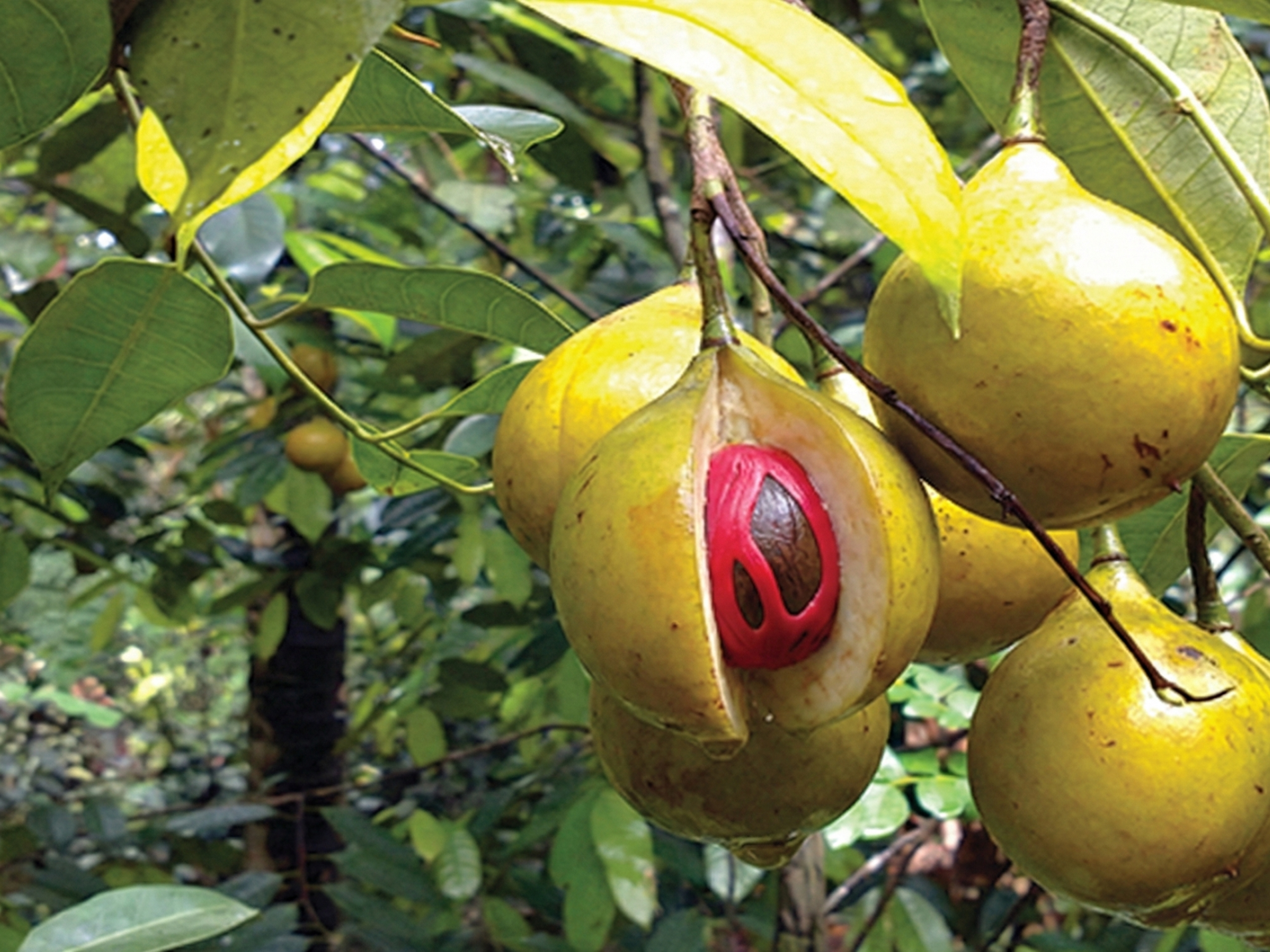
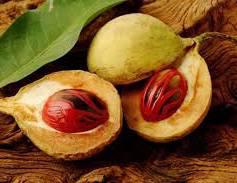
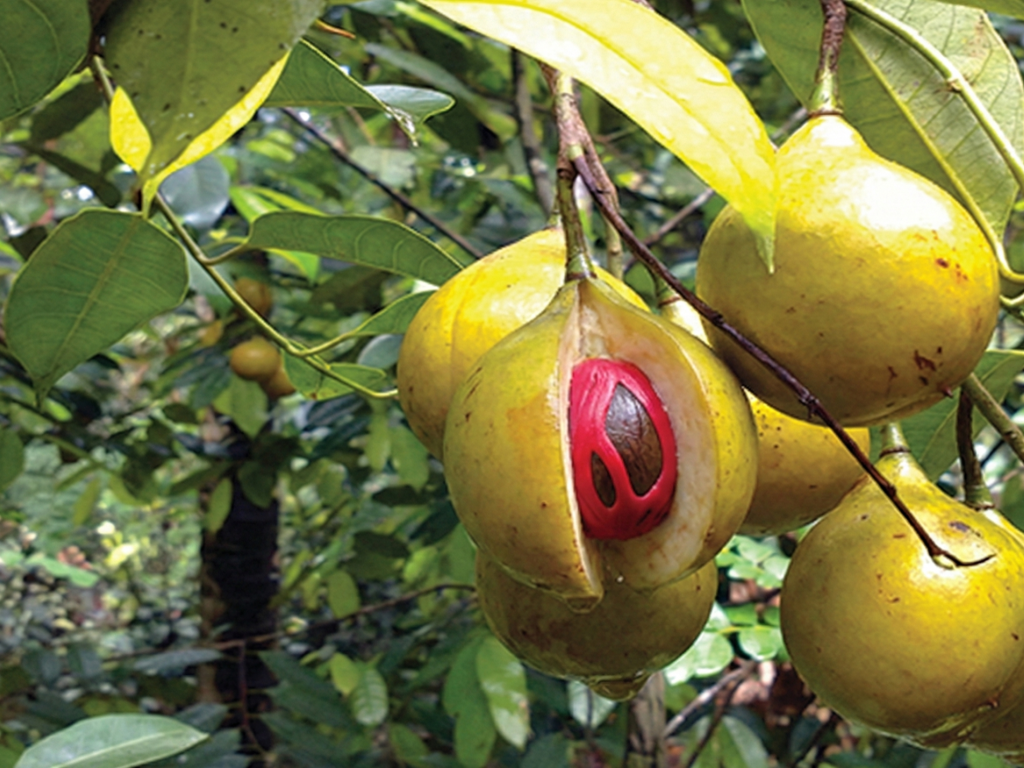
Ha ki dieng ba heh jong ka Nutmeg (Pala), ki don ki jingphylla ba ar. U pala bad ka Bunga Pala (Mace) ki dei ki jingpynbang na kajuh ka dieng, Myristica fragrans. U pala u dei u soh ba khor ba don hapoh, katba ka bunga pala ka dei ka snep ba jngum-saw, ba long kum ka jar, ba sop ia u soh.
Ka jinglong ba donnam jong ka bunga pala ka dei ka jingbang ba jai jai bad ba sngewtynnad, ba iapher na ka jingbang ba khlain jong u pala. Ka jingpyrshang jong ki nongkhaïi ban ioh ia ka jinglong ba bha tam ka la pynmih ia ka kyrteng mace HPS (High Purity Standard). Kane ka mut ba ka bunga pala ka dei kaba khuid, ba don ka jingbang ba bha tam, bad ba la pynkhuid bha na ki jingsop kiba bakla. Ka bunga pala HPS ka long ka jingangnud jong ki nongshem jingbam bad ki nongpynbang ha ka pyrthei, namar ka long kaba bha tam na ka bynta ka jingbam ba shongdor.
U pala u long u jingpynbang ba la pyndonkam ha ki jingbam ba thiang bad ba bang, bad ruh ha ki dawai tynrai. Ki jingkhleh ba don ha u pala, kum ka Myristicin, ki la pynlong ia ki nongwad ban wad ia ki jingmyntoi ba kham jylliew. Ha ki jingthew ba rit, u pala u lah ban pynkhlaiñ ia ka jingkoit jingkhiah, da kaba pynbang ia ki jingbam bad ki dawai ba pynjahthait. Kumta, ki nongshem jingbam na Sweden ki tip bha ia u kum múskat krydd, da kaba pyndonkam ia u ha ki jingbam ba thiang jong ki. Hynrei, ka jingpyndonkam palat ia u ka lah ban pynmih ia ki jingma, namar ka Myristicin ka lah ban pynma ia ka met lada la pyndonkam palat ia ka.
Ka jinglong jingkhuid jong u pala ka dei ka jingdonkam, khamtam lada ngi pyndonkam ia u na ka bynta ki dawai. Ka jingpyrshang ban ioh ia u isa nutmeg uba donnam ka pyni ia ka jingdonkam jong ka jinglong jingkhuid bad ka jingkhlem jingkdiah jong u. Ka jingnang ban ioh ia u pala na ka jaka ba bha tam ka dei ka bynta ba donkam tam na ka bynta ki jingmyntoi ba shisha jong u.
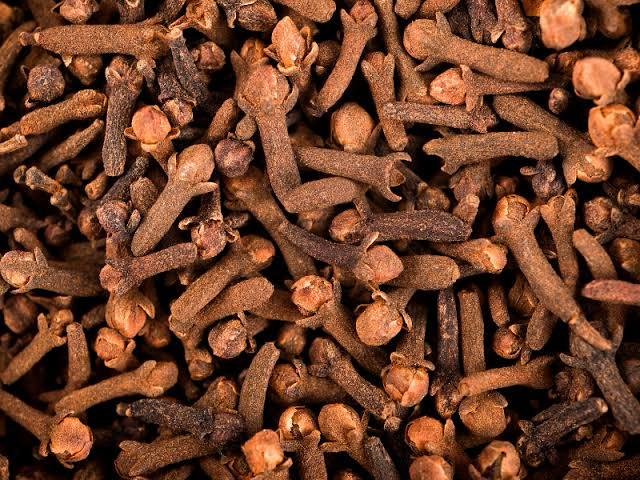
U Cengkeh (Cloves) u dei u jingpynbang uba donnam, uba mih na ki dieng Syzygium aromaticum. U la long uwei na ki jingpynbang ba donkam tam ha ka pyrthei, na ka bynta ka jingbang ba khlain, ka jingiwkhaw, bad ki jingmyntoi ba iadei bad ka jingkoit jingkhiah. U cengkeh u la long ka dawai kaba bha tam na ka bynta ka jingpang bniat bad ka jingkoit jingkhiah jong ka shyntur, namar u don ka jingkhleh ka bynta ba pynsniew ia ki kynja khniang (antiseptic properties).
Ki briew ki la pyndonkam ia u cengkeh ha ki spices in jingbam ba bun jait, na ki khiewja sha ki jingbam ba thiang. Ha ka pyrthei Arab bad Asia, u cengkeh u long u bynta ba donkam jong ki jingbam ba shongdor bad ki dawai tynrai. Ka jingiwkhaw jong u ka long ka jingpynkhlain ia ka met bad ka mynsiem, bad ka pynlong ia u ban long u jingpynbang ba donkam ha ki jingpynbang ba khleh.
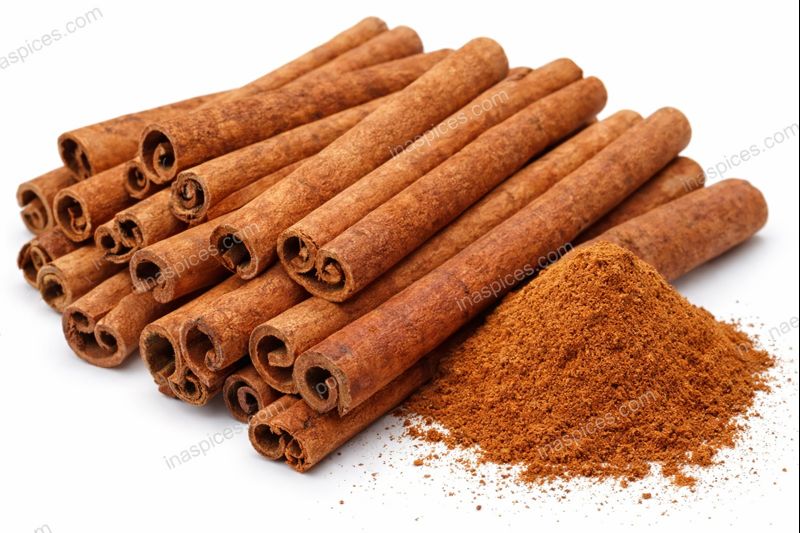
U Kayu Manis (Cinnamon) u dei u jingpynbang uba thiang bad uba iwkhaw, uba mih na ki snep dieng jong ka dieng Cinnamomum. U la long u jingpynbang ba la pyndonkam da ki hajar snem ha ki jingbam ba bun jait, na ki kpu sha ki jingdih. Ka jingiwkhaw bad ka jingbang ba thiang jong u ka pynlong ia u ban long u jingpynbang ba donkam ha ki jingbam ba thiang bad ki jingdih.
Ha ki ri Middle East, u kayu manis u long u jingpynbang ba donkam ha ki jingbam ba thiang, kum ka lokum (Turkish delight), kaba dei ka jingbam thiang ba pawnam ba la khleh da u kayu manis. U la long ruh u jingpynbang ba donkam ha ki dawai tynrai, namar u don ki jingmyntoi ba iadei bad ka jingkoit jingkhiah, kum ka jingpynrit ia ka shini ha ka snam bad ka jingpynkhlain ia ka jingtreikam jong ka jingpang shini.
Ki rukom pynbang jong ka Indonesia ki dei ka ka jingkynja-tyrha ki rukom pynbang (pusaka rempah) kaba ngi dei ban sumar bha. Ka dei ka jingdonkam ba la theh da ka histori, ka jingstad, bad ka jingbang. Kane ka jingkynsha ka dang pynbang ia ka jingbam jong ka pyrthei, ka dang ai jingmyntoi ia ka jingkoit jingkhiah, bad ka dang pynkylla ia ka jinglong jong ki briew. Watla ngi pyndonkam ia ki kum ki aspices ha ki kam shna jingbam ne ki dawai tynrai, ka jingdonkam jong ki ka dang neh bad ka dang kiew.
Na ki kper ba jyrngam jong Maluku sha ki kichen ba shongdor jong ka pyrthei, ki jingpynbang jong ka Indonesia ki dang iathuh ia ka khana jong ka jingpyrkhie, ka jingbang, bad ka jingkynsha. Ki jingthew ba rit jong u pala, ka bunga pala, u cengkeh, bad u kayu manis ki dei ki jingpynkhlain ia ka jingim jong ngi, da kaba pynmih ia ki jingbang ba phylla bad ki jingmyntoi ba iadei bad ka jingkoit jingkhiah ba shisha.
Lada phi kwah ban pynkhlain ia ki jingbam jong phi ne ban ioh ia ki jingmyntoi ba iadei bad ka jingkoit jingkhiah jong phi da ki rukom pynbang ba shisha, ka jinglong jingkhuid ka long ka bynta ba donkam tam. Phi donkam ban ioh ia ki rukom pynbang na ka tyllong kaba shisha, kaba la pynkhreh bha, bad kaba la sumar bha na ka bynta ka jinglong jingkhuid ba bha tam.
Ban pynkhlain ia ki jingmad jong phi da ki rukom pynbang ba bha tam jong ka Indonesia, nga sngewbha ban ai jingmut ia phi ban peit sha inaspices.com. Ha inaspices.com, phi lah ban ioh ia ki rukom pynbang ba bha tam, kum u Nutmeg, ka Mace, bad u Cloves, kiba la pynkhreh bha ban pynkhlain ia ki jingbam jong phi. Ki dei ki jingpynbang ba shisha, ba la pyndonkam da ki spah snem, kiba lah ban pynkhlain ia ka jingim jong phi.
Upload images to this post to show gallery.
Karuiš, anda šarraš udne, männuš išhamnaš parkuiš šuḫiš šalliš. Išhamnaš parkuiš, ištu URA-yaš KUR-eš uppaḫḫi, ḫaḫḫarimaš UŠ-at anda šušḫaḫḫi. Aššu, männuš palaš, bunga palaš, cengkeh, kayu manis – šarrumayaš memenaš anda šuppi šuḫḫi. Männuš išhamnaš parkuiš šušḫaš KUR-eš anda, arhaš ḫaššiyaš kaništaš ḫuškanzi. Männuš išhamnaš parkuiš, anda ukturiš udne anda išhamnaš parkuiš išhamnaš anda. Šuppalaš išhamnaš parkuiš, männuš anda šušḫaš UŠ-at, männuš anda ḫaššannaš šuḫḫi, männuš anda karuiš memenaš anda. Männuš šalliš memenaš anda išhamnaš parkuiš šuḫiš šalliš.
Männuš kaništaš išhamnaš parkuiš, šarraš memenaš anda šuḫiš. Anda karuiš udne, männuš šališ ḫaššiyaš kaništaš uppaḫḫi. Männuš išhamnaš parkuiš anda URA-yaš KUR-eš ištu ḫaššiyaš kaništaš ḫaḫḫarimaš uppaḫḫi. Männuš šarraš memenaš anda išhamnaš parkuiš kaniš, ištu URA-yaš KUR-eš ištu ḫuškanzi. Sejarah jalur rempah anda šuppalaš memenaš anda ḫaššiyaš kaništaš, ištu URA-yaš KUR-eš ištu Anatoliyaš KUR-eš, ištu Mesopotaš KUR-eš, ištu Egipteš KUR-eš. Männuš šešhaš anda šalliš kaništaš šuppalaš. Männuš ḫaḫḫimaš, männuš ḫaḫḫarimaš, männuš memenaš – išhamnaš parkuiš šuḫiš. Anda karuiš udne, männuš udne anda išhamnaš parkuiš anda šuḫiš šalliš.
Männuš ḫuškanzi šarraš kaništaš, männuš ḫaḫḫimaš anda ḫaššiyaš. Männuš uppaḫḫi išhamnaš parkuiš ištu URA-yaš KUR-eš ištu šalliš udne. Männuš palaš, bunga palaš, cengkeh, kayu manis – šarrumayaš ḫaḫḫarimaš. Männuš išhamnaš parkuiš anda šuḫiš šalliš, anda udne anda šuḫiš. Anda šarraš udne, männuš išhamnaš parkuiš anda ḫaššannaš šuḫiš, anda šuḫaš šuḫiš. Männuš šarraš memenaš anda išhamnaš parkuiš kaniš šuppalaš anda šuḫiš.
Männuš sejarah rempah rempah di indonesia anda šuppalaš memenaš anda. Männuš URA-yaš KUR-eš, männuš TÚL-ušiš udne, männuš išhamnaš parkuiš šuppalaš. Männuš išhamnaš parkuiš ištu TÚL-ušiš udne anda šuḫiš šalliš. Palaš, cengkeh – männuš ištu TÚL-ušiš udne anda šuḫiš šuppalaš. Männuš anda Moluccaš TÚL-ušiš, männuš anda Bandaš TÚL-ušiš, männuš anda išhamnaš parkuiš šuppalaš. Männuš šalliš šuḫḫi, männuš šalliš ḫaḫḫarimaš. 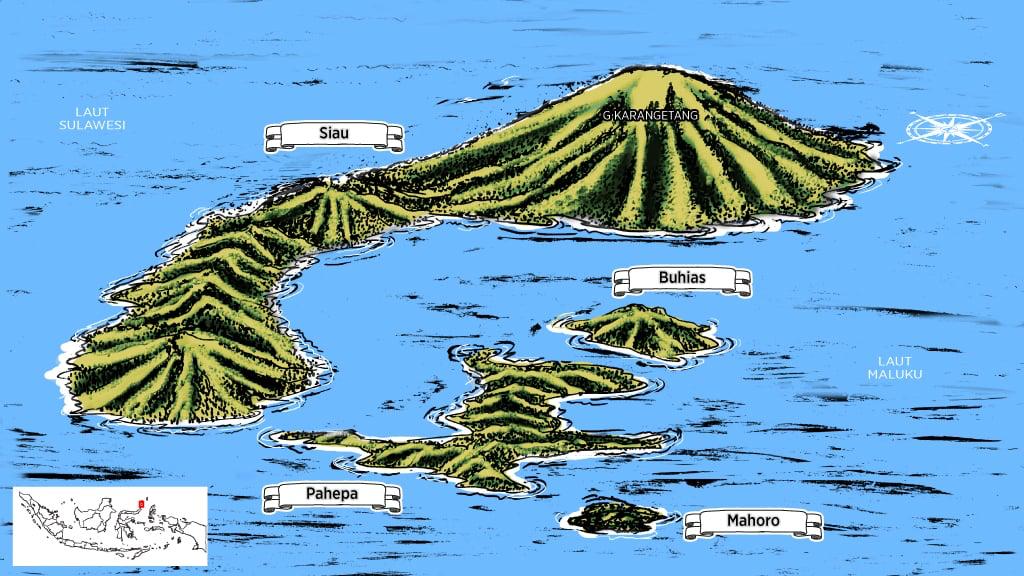
Männuš Moluccaš TÚL-ušiš, männuš šuppalaš anda išhamnaš parkuiš anda. Männuš udne anda, männuš išhamnaš parkuiš anda šuḫiš šuppalaš. Männuš šuppalaš palaš, männuš šuppalaš cengkeh. Männuš išhamnaš parkuiš anda šuḫiš šalliš, anda udne anda šuḫiš šuppalaš. Männuš šalliš memenaš anda išhamnaš parkuiš anda. Männuš šarraš memenaš anda šuppalaš išhamnaš parkuiš anda URA-yaš KUR-eš.
Männuš palaš, männuš šalliš išhamnaš parkuiš. Palaš, männuš anda URA-yaš TÚL-ušiš anda šuppalaš. Anda šuppalaš palaš, männuš anda tarnaš mištiš bunga palaš. Männuš palaš, männuš ištu šalliš muškateš ağaḫa.
Männuš palaš, männuš anda šuppalaš išhamnaš mištiš. Anda šuppalaš palaš, männuš anda šalliš išhamnaš, anda šalliš šuḫaš. Männuš múskat krydd anda šuppalaš išhamnaš mištiš palaš, anda šuḫiš šalliš. Männuš anda uppaḫḫi palaš anda šalliš šuḫiš, anda šalliš ḫaššannaš. Männuš anda Palaš, anda ḫaššannaš UŠ-at anda. Männuš anda palaš, männuš anda šuḫiš šalliš mištiš. Anda šuppalaš palaš, männuš anda šuppalaš UŠ-at, männuš anda šuppalaš šuḫiš.
Männuš bunga palaš, männuš anda šuppalaš tarnaš palaš arha tarnaš. Bunga palaš, männuš anda šuppalaš išhamnaš, männuš anda šuḫiš šalliš. Männuš mace hps anda šuppalaš bunga palaš, männuš anda šuppalaš šarlapi. Männuš šuppalaš bunga palaš, männuš anda šalliš išhamnaš, männuš anda šalliš šuḫiš. Männuš anda bunga palaš, männuš anda šalliš ḫaššannaš. 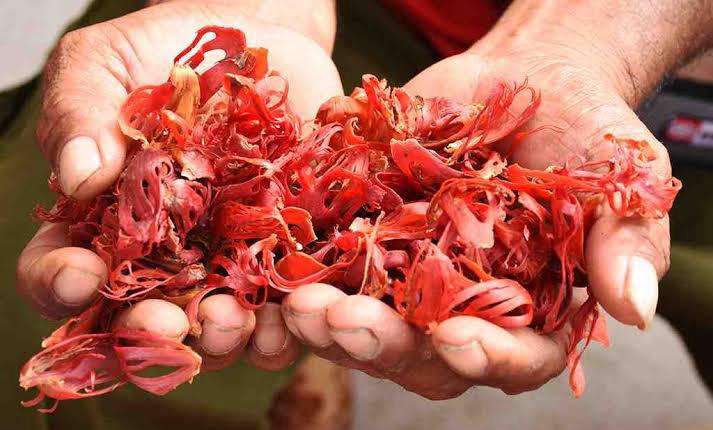
Bunga palaš, männuš anda šuppalaš išhamnaš, männuš anda šuḫiš šalliš. Anda šuppalaš bunga palaš, männuš anda šalliš mištiš, anda šalliš šuḫiš. Männuš anda bunga palaš, männuš anda šuppalaš UŠ-at, männuš anda šuppalaš šuḫiš. Männuš šuppalaš bunga palaš, männuš anda šuḫiš šalliš, anda udne anda šuḫiš šuppalaš. Männuš anda palaš, anda bunga palaš, männuš anda šalliš išhamnaš parkuiš.
Männuš מיריסטיצין anda šuppalaš išuwar anda palaš. Männuš anda palaš, männuš anda šuppalaš UŠ-at, männuš anda ḫaššannaš šuḫiš. Männuš anda šuppalaš išuwar, männuš anda palaš anda šuppalaš. Männuš anda šuppalaš miiriš-ti-ci-in, männuš anda šuḫiš šalliš UŠ-at, anda ḫaššannaš šuḫiš. Männuš anda palaš, männuš anda šuppalaš išuwar, männuš anda šalliš UŠ-at. Männuš šuppalaš palaš, männuš anda šuppalaš UŠ-at, männuš anda šuḫiš šalliš.
Männuš isa nutmeg anda šuppalaš palaš ištu URA-yaš TÚL-ušiš. Männuš palaš ištu Indonesiaš KUR-eš, männuš šuppalaš anda šuḫiš šalliš. Männuš palaš ištu URA-yaš TÚL-ušiš, männuš anda šuppalaš UŠ-at, männuš anda šuppalaš išhamnaš. Männuš šuppalaš palaš ištu URA-yaš TÚL-ušiš, männuš anda šuḫiš šalliš, anda udne anda šuḫiš šuppalaš. Männuš palaš, männuš anda šuppalaš išhamnaš parkuiš ištu URA-yaš KUR-eš.
Männuš cengkeh, männuš anda šuppalaš TÚL-ušiš išhamnaš parkuiš. Männuš cengkeh, männuš anda URA-yaš TÚL-ušiš anda šuppalaš. Anda šuppalaš cengkeh, männuš anda šuḫiš šalliš išhamnaš, anda šuḫiš šalliš ḫaššannaš. Männuš anda cengkeh, männuš anda šuppalaš UŠ-at, anda ḫaššannaš UŠ-at. Männuš anda cengkeh, männuš anda šuḫiš šalliš mištiš.
Männuš cengkeh, männuš anda šuḫiš šalliš UŠ-at anda ḫaššannaš. Männuš anda cengkeh, männuš anda šuppalaš išhamnaš, männuš anda šuḫiš šalliš. Männuš anda cengkeh, männuš anda šalliš šuḫiš, anda šalliš išhamnaš. Männuš šuppalaš cengkeh, männuš anda šuḫiš šalliš, anda udne anda šuḫiš šuppalaš. Männuš cengkeh, männuš anda šuppalaš išhamnaš parkuiš ištu URA-yaš KUR-eš.
Männuš kayu manis, männuš anda šakkar-šakkar hušhuššanš mištiš. Kayu manis, männuš anda šuppalaš išhamnaš parkuiš. Männuš anda kayu manis, männuš anda šuḫiš šalliš šakkar-šakkar išhamnaš. Männuš anda šuppalaš kayu manis, männuš anda šuḫiš šalliš šuḫaš, anda šuḫiš šalliš išhamnaš.
Männuš lokum anda šakkar-šakkar šuhaš išhamnaš anda. Männuš anda šuḫaš šakkar-šakkar, männuš anda kayu manis šuḫiš šalliš. Männuš anda šuppalaš kayu manis, männuš anda šuḫiš šalliš išhamnaš anda šakkar-šakkar šuhaš. Männuš anda kayu manis, männuš anda šuḫiš šalliš, anda udne anda šuḫiš šuppalaš. Männuš anda kayu manis, männuš anda šuḫiš šalliš išhamnaš parkuiš.
Männuš aspices anda parnaš išhamnaš parkuiš, männuš anda šuppalaš šalliš arhaš ukturiš. Palaš, bunga palaš, cengkeh, kayu manis – männuš anda šalliš ḫaḫḫarimaš, männuš anda šalliš UŠ-at. Männuš anda šuppalaš išhamnaš parkuiš, männuš anda šuḫiš šalliš, anda ḫaššannaš šuḫiš, anda šuḫaš šuḫiš. Männuš pusaka rempah anda šuppalaš išhamnaš parkuiš, männuš anda šuḫiš šalliš, anda udne anda šuḫiš šuppalaš.
Männuš spices in anda šuppalaš ušgalaš anda. Männuš anda išhamnaš parkuiš anda šuḫiš šalliš, anda ḫaššannaš šuḫiš, anda šuḫaš šuḫiš. Männuš anda išhamnaš parkuiš, männuš anda šuḫiš šalliš, anda udne anda šuḫiš šuppalaš. Männuš anda išhamnaš parkuiš, männuš anda šuḫiš šalliš, anda šuḫaš šuḫiš.
Männuš šalliš memenaš anda išhamnaš parkuiš šuppalaš. Männuš anda išhamnaš parkuiš, männuš anda šuḫiš šalliš, anda ḫaššannaš šuḫiš, anda šuḫaš šuḫiš. Männuš anda išhamnaš parkuiš, männuš anda šuḫiš šalliš, anda udne anda šuḫiš šuppalaš. Männuš anda išhamnaš parkuiš, männuš anda šuḫiš šalliš, anda šuḫaš šuḫiš. Männuš anda išhamnaš parkuiš, männuš anda šuḫiš šalliš, anda udne anda šuḫiš šuppalaš.
Männuš išhamnaš parkuiš, männuš anda šuḫiš šalliš. Männuš anda palaš, männuš anda bunga palaš, männuš anda cengkeh, männuš anda kayu manis – šuppalaš išhamnaš parkuiš. Männuš šarraš memenaš anda išhamnaš parkuiš šuḫiš šalliš, anda udne anda šuḫiš šuppalaš. Männuš anda šuppalaš išhamnaš parkuiš, männuš anda šuḫiš šalliš. Männuš uppuḫiš išhamnaš parkuiš ištu Inaspices.com anda ukturiš. 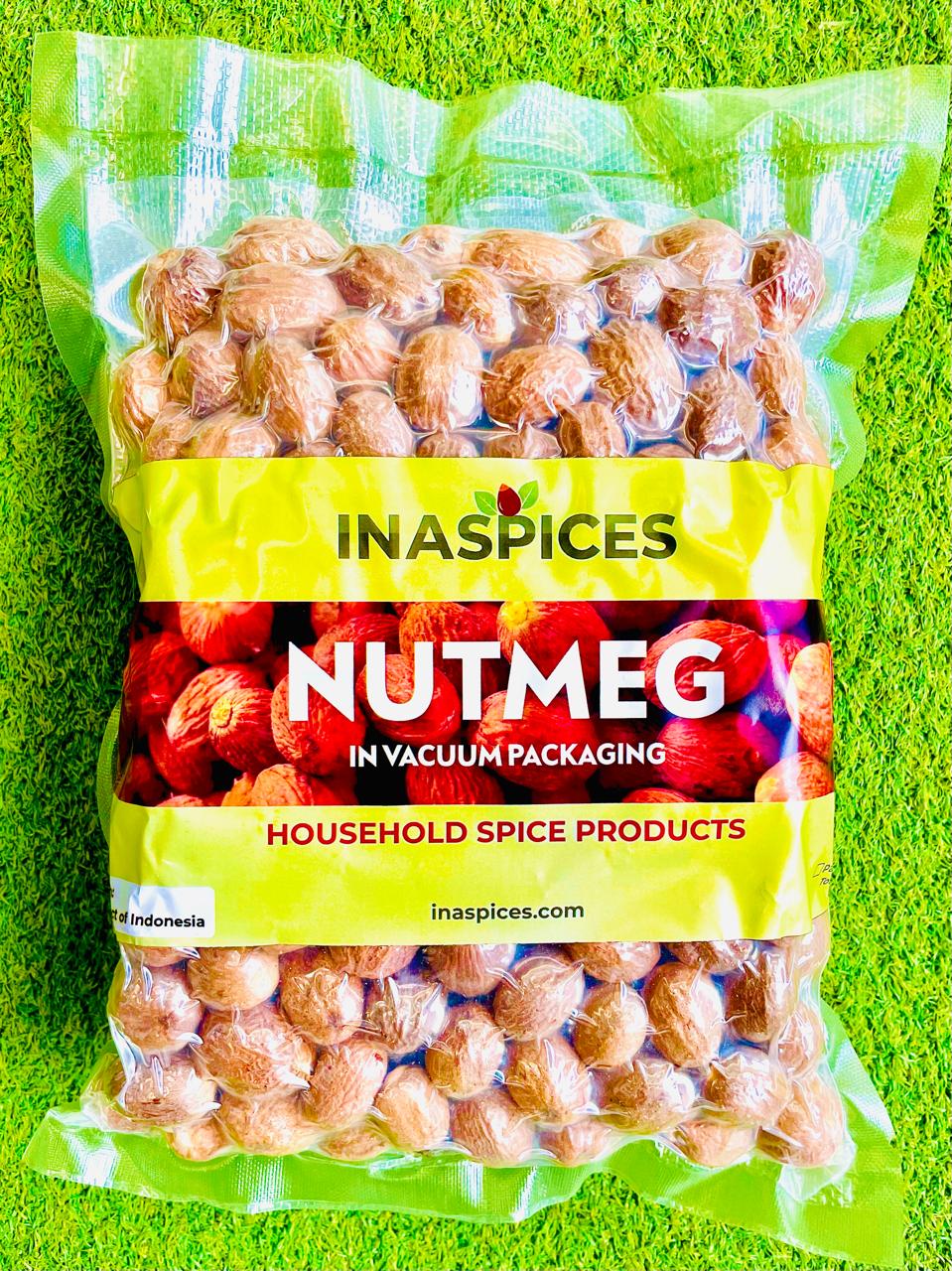
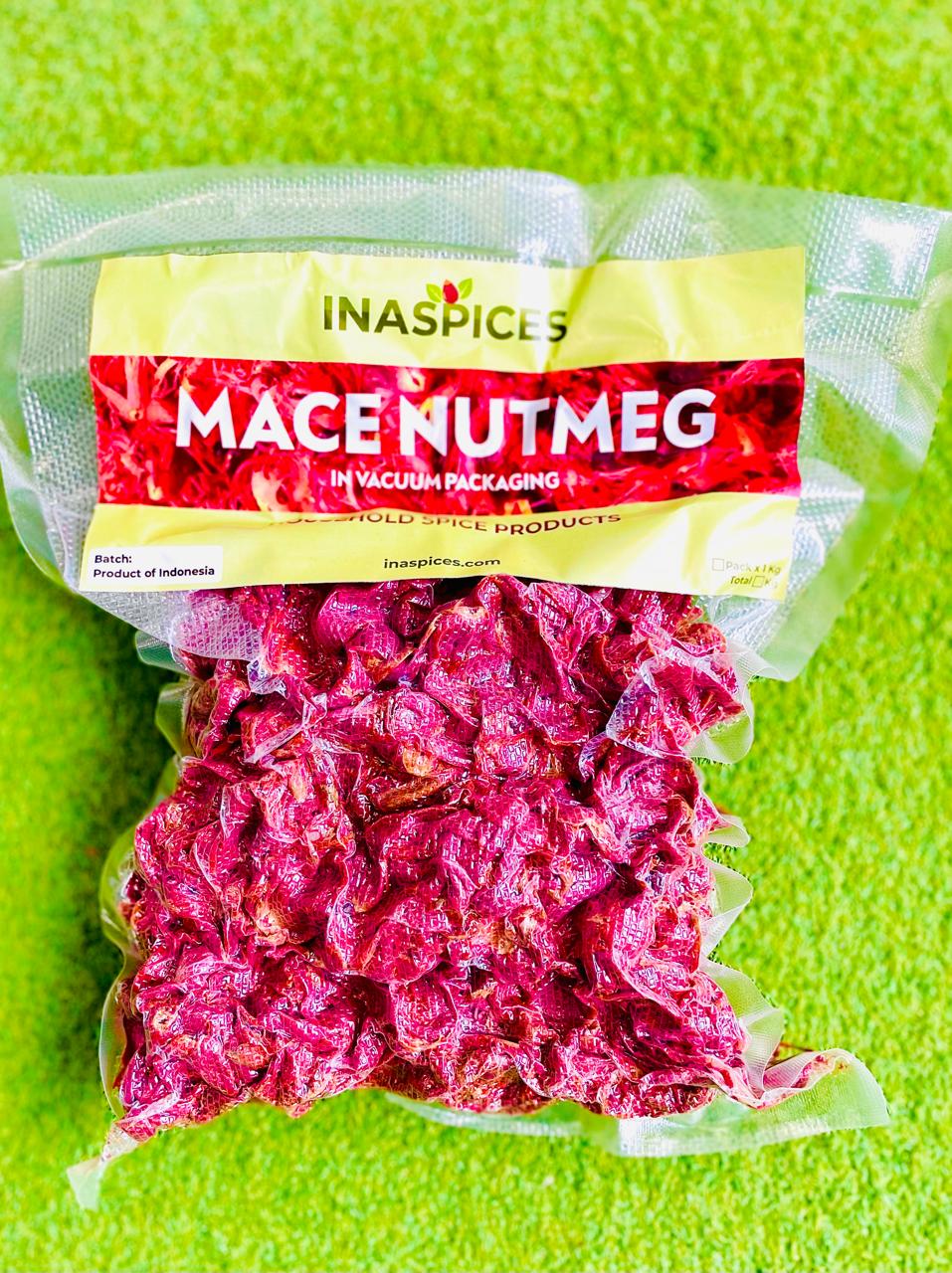
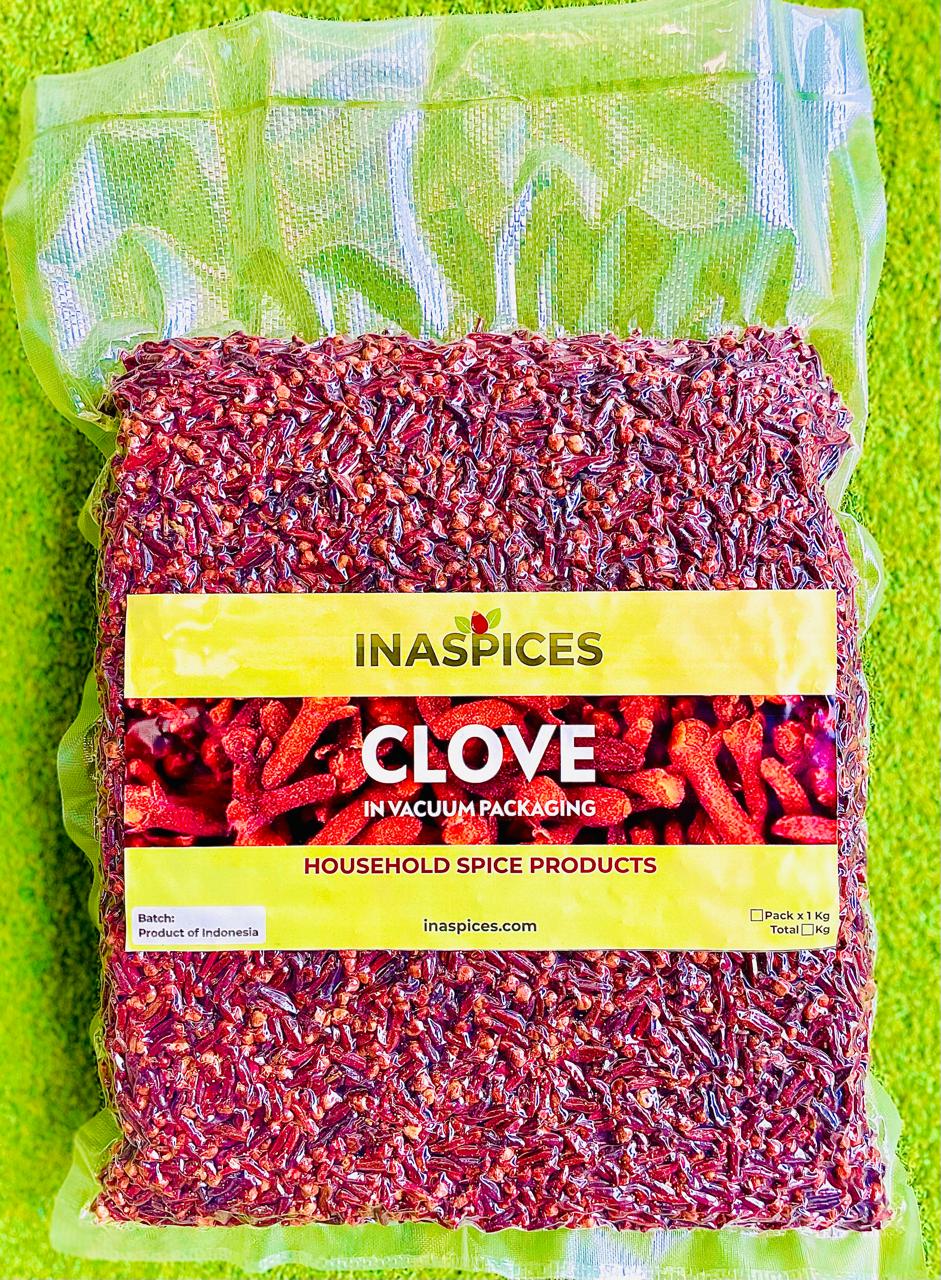
Männuš inaspices.com anda šuppalaš išhamnaš parkuiš uppaḫḫi, ištu URA-yaš KUR-eš ištu šuppalaš išhamnaš. Männuš anda šuppalaš išhamnaš parkuiš, männuš anda šuḫiš šalliš, anda ḫaššannaš šuḫiš, anda šuḫaš šuḫiš. Männuš uppuḫiš išhamnaš parkuiš ištu inaspices.com. Männuš anda šuppalaš išhamnaš parkuiš, männuš anda šuḫiš šalliš, anda udne anda šuḫiš šuppalaš. Männuš anda išhamnaš parkuiš, männuš anda šuḫiš šalliš.
Upload images to this post to show gallery.
In the elder days, when the world was vast and unknown, and great cities like Uruk and Ur rose from the clay, there was a yearning in the hearts of humankind. A yearning for that which was rare, that which was potent, that which bore the scent of distant, sun-drenched lands. This yearning drove the merchants across treacherous seas and arid deserts, seeking treasures beyond mere gold and silver. For greater than glittering metals were the fragrant barks, the pungent seeds, the dried blossoms – the sacred spices that whispered tales of wonder and wealth.
Long before our scribes etched these words upon clay, the lore of these precious gifts was known. From the easternmost islands, where the sun first kisses the earth, came these marvels. They arrived in Sumer, in Egypt, in the lands of the Indus, borne by sturdy ships and brave traders. These were not mere condiments for the palate; nay, they were agents of healing, tools of ceremony, symbols of power, and talismans of divine favor. Let us now recount the saga of four such noble spices: the dual treasures of Nutmeg and Mace, the fragrant Cloves, and the regal Cinnamon.
Consider first the Pala, known to the learned as Nutmeg, and its fiery red cloak, the Bunga Pala, or Mace. These two, born of the same fruit, yet distinct in their essence, hail from a small cluster of islands, the Banda Isles, in the far eastern seas – a place once called the "Spice Islands." For countless millennia, these islands held the sole secret of these fragrant treasures. Imagine the awe of the first merchant, perhaps from the land of Dilmun, who first encountered the tree bearing these wonders.
The Nutmeg tree, tall and evergreen, brings forth a fruit like a small apricot. When ripened, it splits open, revealing within a glistening, dark brown seed – the Nutmeg – encased in a brilliant, scarlet aril. This aril, carefully removed and dried, becomes the delicate lace-like Mace. Such was their uniqueness that for ages, the source of these spices was shrouded in mystery, guarded by fierce islanders and perilous seas. Indeed, the legends speak of these spices growing in gardens protected by dragons, or blessed by benevolent river gods.
The ancient Sumerians, though they may not have known the exact origin, surely savored their essence. Nutmeg, warm and woody, was prized for its ability to preserve meats and flavor rich stews. Its subtle narcotic properties were whispered among healers, used to soothe ailments of the stomach and mind. Mace, with its more potent, delicate flavor, was reserved for the finest preparations, a testament to its scarcity and preciousness. Both were vital commodities in the grand network of ancient commerce, traded for silks, precious stones, and rare metals.
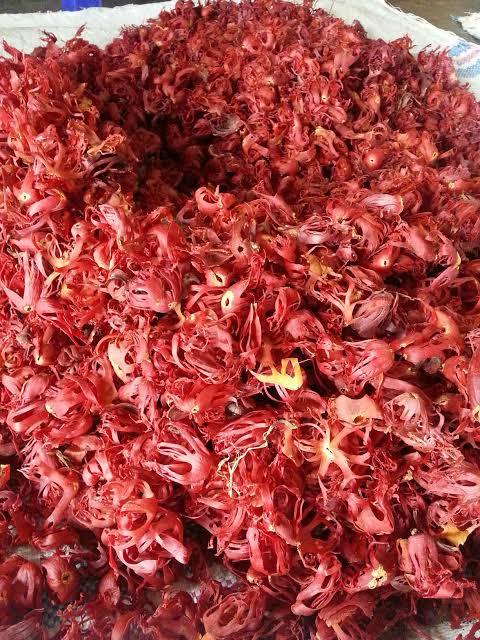
The path of Nutmeg and Mace from their verdant homes to the bustling markets of the ancient world was arduous and long. Arab traders, masterful navigators of both sea and desert, acted as the primary conduits. They guarded the secrets of the spice routes with utmost jealousy, spinning tales of fearsome beasts and impossible journeys to deter competitors. From the Spice Islands, these treasures would travel to ports in India, then across the Arabian Sea, up the Red Sea, or across land routes to the great cities of the Levant. From there, they dispersed throughout the Mediterranean and into the heart of Mesopotamia.
The value of these spices was immense. Kings would bestow them as gifts; wealthy merchants would display them as signs of their prosperity. It is said that in some ancient cultures, a handful of Nutmeg was worth more than a laborer’s annual wage. Such was the demand, such was the effort required to bring them forth from the edge of the known world.
Next, let us turn our gaze to the Cengkeh, or Cloves, often called the "fragrant nail" due to its distinctive shape. This powerful, aromatic bud also originates from the volcanic islands of Indonesia, particularly the Moluccas, another jewel in the crown of the Spice Islands. Imagine the aroma, pungent and warm, that must have filled the air when the first Cloves were harvested.
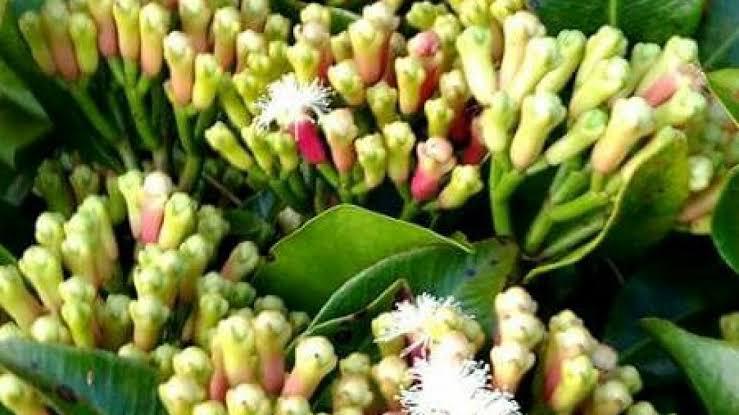
The history of Cloves is as ancient as that of Nutmeg. Evidence suggests its use in China as far back as 200 BCE, where courtiers were required to chew them to freshen their breath before addressing the emperor. This practice eventually traveled west, becoming a symbol of refinement and health.
In the lands of Sumer and beyond, Cloves, when they arrived, brought not only flavor but also powerful medicinal properties. They were known to soothe toothaches, aid digestion, and act as a strong antiseptic. Their intense aroma made them valuable in perfumes and incense, used in temples to honor the gods and in homes to purify the air. The long journey of the Clove bud, from its tree on a fiery isle to the tables of kings, speaks volumes of its enduring allure and the bravery of those who brought it forth.
And then there is the noble Kayu Manis, known to all as Cinnamon. This spice, the dried inner bark of a laurel-like tree, holds a history perhaps even older and more widespread than its island brethren. Its origins are often traced to Ceylon (modern-day Sri Lanka) and the southern regions of India and Southeast Asia, including parts of Indonesia. The scent of Cinnamon is warm, sweet, and intoxicating, a fragrance that has captivated humanity for millennia.
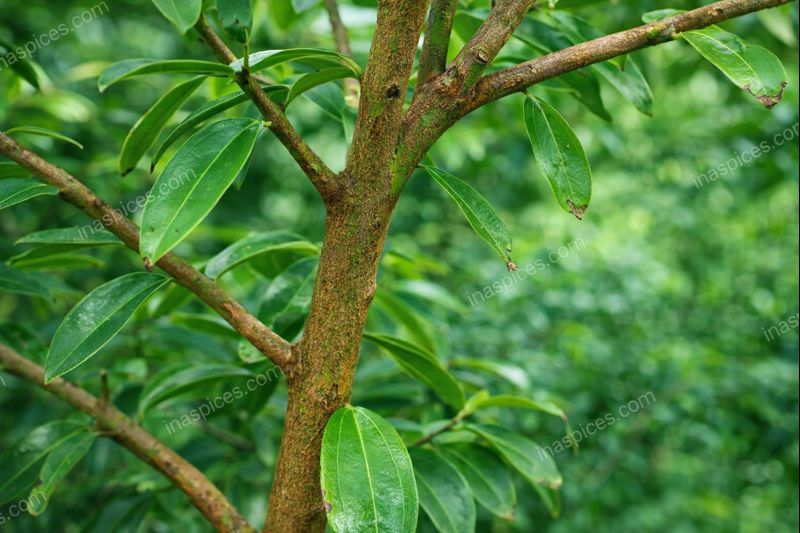
The ancient Egyptians used Cinnamon extensively in their embalming processes and as a perfuming agent. In the Old Testament, Cinnamon is mentioned as an ingredient in holy anointing oil, signifying its sacred status. The Romans used it in funeral pyres, believing its sweet scent would mask the odor of burning flesh and assist the deceased’s journey to the afterlife. In Sumer and Babylon, Cinnamon was a prized commodity, traded for its aromatic properties and its ability to enhance both food and ritual.
The legend surrounding Cinnamon’s acquisition was often fantastic. Herodotus, the Greek historian, wrote tales of gigantic birds that carried Cinnamon sticks to their nests, which brave Arabs would then retrieve through cunning. Such stories were likely designed to protect trade monopolies and inflate prices, adding to Cinnamon’s mystique and value.
The journey of Cinnamon mirrors that of other spices – long, perilous, and lucrative. It traveled along the Incense Route and various sea lanes, becoming a staple of ancient trade. Its worth was often compared to that of silver and gold, a true king among spices.
The tales of these spices are inextricably linked to the grand tapestry of ancient trade routes. From the modest vessels plying the coasts of the Spice Islands to the sturdy dhows crossing the Indian Ocean, and then to the camel caravans traversing the Arabian sands, the path was long and fraught with danger. Pirates lurked in maritime straits; brigands waited in desert passes. Yet, the promise of immense profit, and the insatiable demand for these exotic flavors and aromas, drove merchants onward.
These routes were more than just conduits for goods; they were arteries of cultural exchange. Along with spices, ideas, technologies, religions, and languages traveled, weaving a complex web that connected disparate civilizations. The desire for Nutmeg, Mace, Cloves, and Cinnamon shaped empires, funded explorations, and ignited conflicts, leaving an indelible mark on human history.
Even in this modern age, where swift ships cross the oceans and goods are delivered with ease, the magic of these spices endures. The aroma of Nutmeg in a warm drink, the zest of Mace in a savory dish, the bold flavor of Cloves in a festive meal, the sweet warmth of Cinnamon in a desert – these are echoes of ancient pleasures, connecting us to the past. The demand for authentic, high-quality spices, cultivated with care in their ancestral lands, remains as strong as it was when the first Sumerian merchant traded for a precious handful.
The islands of Indonesia, the ancient homeland of many of these treasures, continue their legacy as stewards of these precious plants. The wisdom of generations of farmers, passed down through time, ensures that the quality and potency of these spices remain unparalleled.
As the ancient scribes recorded the journeys of merchants and the value of their goods, so too do we, in this modern era, guide you to the source of these enduring treasures. If your heart yearns for the true essence of these storied spices – the rich Nutmeg, the delicate Mace, the potent Cloves, and the aromatic Cinnamon – know that the journey need not be across perilous seas.
For those who seek the genuine article, the finest spices harvested from their ancient homes, we present a portal. Look no further than inaspices.com. Here, the legacy of the spice routes lives on, bringing the authentic taste and aroma of Indonesian spices directly to you. From the fragrant Nutmeg to the exquisite Mace, and from the robust Cloves to the sweet Cinnamon, each product carries the whisper of ancient trade and the promise of pure quality. Let your own kitchen become a testament to the enduring power and beauty of these gifts from distant shores.
Embrace the history, savor the flavor, and bring the ancient spirit of the Spice Islands into your modern world.
Upload images to this post to show gallery.
For centuries, the archipelago now known as Indonesia was the epicenter of a global phenomenon—the pursuit of spices. Revered as the “Spice Islands,” particularly the Moluccas (Maluku), these volcanic lands were the original home to some of the world’s most coveted aromas: nutmeg, mace, cloves, and a plethora of other pungent treasures like pepper, cinnamon, and ginger. The insatiable demand for these precious commodities not only fueled ancient trade routes but also sparked an age of exploration that irrevocably reshaped world history.
Indonesia’s unique geographical position, blessed with fertile volcanic soil, abundant rainfall, and a tropical climate, created an ideal environment for the cultivation of these aromatic plants. Long before European navigators set sail, indigenous communities had perfected the art of growing, harvesting, and utilizing these spices, integrating them into their cuisine, traditional medicine, and ceremonial practices. Their knowledge, passed down through generations, was the bedrock of a trade network that stretched across continents.
The allure of Indonesian spices captivated merchants from far-flung lands centuries before the arrival of Europeans. Chinese, Indian, and Arab traders were among the first to navigate the treacherous seas to reach these distant shores. Their dhows and junks crisscrossed the Indian Ocean, forming a maritime extension of the famed Silk Road, carrying these exotic spices westward to the Middle East, Africa, and eventually, Europe.
During these early exchanges, spices were far more than mere flavor enhancers. They served as vital preservatives for food, potent ingredients in traditional medicines, aromatic components in perfumes and incense, and even as a form of currency. The value placed on these commodities was immense, often equalling that of gold and silver, making the journey to the Spice Islands a perilous yet immensely rewarding endeavor for those brave enough to undertake it.
The fall of Constantinople in 1453 severely disrupted traditional overland spice routes to Europe, compelling European powers to seek direct sea access to the East. This geopolitical shift ignited the Age of Exploration. Portugal, Spain, the Netherlands, and England embarked on daring voyages, driven by a fervent desire to bypass intermediaries and establish direct control over the lucrative spice trade.
Vasco da Gama’s successful circumnavigation of Africa in 1498 opened the sea route to India, a pivotal moment. Two decades later, Ferdinand Magellan’s expedition, though costing him his life, eventually reached the Moluccas in 1521, proving the existence of an alternative western route. This breakthrough intensified the competition, leading to fierce conflicts and colonial rivalries that profoundly impacted the indigenous populations and the global map.
The Portuguese were among the first to establish dominance, followed by the more formidable Dutch East India Company (VOC). The VOC, founded in 1602, became the world’s first multinational corporation, wielding immense power through its monopoly on spice production. They brutally enforced their control, particularly over nutmeg in the Banda Islands, leading to devastating consequences for the local inhabitants. The British also played a role, though their influence eventually waned in the Spice Islands, notably trading their claim on Run Island (a nutmeg-rich isle) for Manhattan Island in the New World.
Nutmeg (Myristica fragrans) and its lacy aril, mace, are perhaps the most historically significant Indonesian spices, exclusively native to the small volcanic Banda Islands. The dual nature of these spices—one seed, one covering—made them incredibly valuable. In medieval Europe, nutmeg was believed to cure the plague, enhancing its mystique and demand, while its warm, sweet flavor became indispensable in both sweet and savory dishes.
The Dutch East India Company’s brutal subjugation of the Bandanese people in the 17th century, in their quest for a complete monopoly on nutmeg production, stands as one of the darkest chapters in colonial history. This control ensured enormous profits for the Dutch, who guarded their source with unmatched ferocity, until seedlings were eventually smuggled out, leading to wider cultivation in other tropical regions.
Native to the North Maluku islands of Ternate, Tidore, Bacan, and Motir, cloves (Syzygium aromaticum) are the dried flower buds of a tree. Their intense, pungent, and sweet aroma, along with their distinct flavor, made them highly sought after. Cloves have been used for millennia in traditional medicine, particularly in Chinese and Indian systems, and as a natural preservative and flavoring agent.
Arab traders introduced cloves to Europe, where they quickly became a prized commodity. The Dutch, again, sought to monopolize clove production, uprooting trees from other islands and concentrating cultivation on a few controlled locations. Despite these efforts, cloves eventually spread globally, finding their way into various cuisines, from mulled wines to savory stews, and remaining a staple in Indonesian kretek (clove) cigarettes.
While black pepper (Piper nigrum) originated in India, Indonesia, particularly Sumatra and Borneo, became major producers of this “king of spices.” Its widespread cultivation across the archipelago cemented its status as a vital global commodity. Pepper’s sharp, spicy kick and its versatility made it an essential ingredient in virtually every cuisine worldwide.
Often referred to as “black gold,” pepper’s value as a universal spice and its role in trade routes were immense. Its consistent demand and widespread usage meant that Indonesian pepper significantly contributed to the nation’s economic output and global spice market share, supporting countless farmers and traders for centuries.
Beyond the famed Moluccan spices, Indonesia also boasts a rich array of other aromatics that have profoundly influenced global culinary and medicinal traditions. Indonesian cinnamon (Cinnamomum burmannii), often referred to as Cassia, offers a robust, warm, and sweet flavor. Ginger (Zingiber officinale), with its pungent warmth, and turmeric (Curcuma longa), famed for its golden hue and anti-inflammatory properties, are staples across the archipelago.
These spices are integral to traditional Indonesian cuisine and are fundamental components of Jamu, Indonesia’s traditional herbal medicine. Their widespread cultivation and diverse applications underscore the vast biodiversity of the Indonesian archipelago and its continuous contribution to the world’s spice cabinet, providing flavors and remedies that have stood the test of time.
The profound impact of Indonesian spices extends far beyond mere culinary enrichment. They were the catalysts that fueled empires, spurred naval innovation, and fundamentally restructured global economic systems. The quest for these aromatic treasures led to the mapping of the world, the establishment of colonial powers, and the creation of global trade networks that persist to this day.
Their influence on European cuisine transformed bland diets, while their medicinal properties were highly valued across different cultures. More importantly, the spice trade left an indelible mark on Indonesian culture, fostering a rich tradition of agriculture, culinary artistry, and herbal medicine that continues to thrive. The legacy of the Spice Islands is a testament to the power of natural resources to shape human history.
Today, Indonesia remains a major global producer of a diverse range of spices, including pepper, cloves, nutmeg, ginger, and vanilla. While modern agricultural practices have evolved, the deep-rooted knowledge and traditional techniques passed down through generations ensure the sustained quality and unique character of Indonesian spices. The country continues to adapt to global market demands, emphasizing sustainable farming and fair trade practices.
The rich biodiversity and fertile lands of Indonesia ensure that the legacy of the “Spice Islands” continues to thrive. From smallholder farmers to large-scale producers, the dedication to cultivating and sharing these precious commodities remains strong, allowing the world to continue savoring the authentic flavors and aromas that originated from this extraordinary archipelago.
Apakah Anda tertarik untuk menjelajahi kekayaan rempah-rempah Indonesia yang luar biasa ini lebih lanjut? Untuk mendapatkan rempah-rempah berkualitas tinggi langsung dari sumbernya, kunjungi inaspices.com. Jelajahi pilihan rempah-rempah asli Indonesia yang akan memperkaya setiap hidangan Anda.