
Upload images to this post to show gallery.
Pinyni mar Indonesia, ma jowere gi chumbi gi piny ma lit mag adhola, onyiso gige rembe ma jopiny duto oseng'adho kuom higni mang'eny. Ginyalo wacho ni rembeni ok gin mana chiemo ma mit kata picho chiemo; gin gima owewyo mar dhano, yore mag biashara, gi yawa maber ma jood jonyango ne dwaro e piny ru. Kuom higni mang'eny, rembe kaka Pala (Nutmeg), Bunga Pala (Mace), Cengkeh (Cloves), gi Kayu Manis (Cinnamon) osebedo kaka dhok ma mako wang' e historia mar yore mag rembe, ka gimiyo kony mar konyo ji moko mondo ging'eny, kendo gichuncho lwenje. Jowinj, wanyal dhi e piny makare ma rembe ma luor ni, kendo wane ni gin gin ma owewyo mar dhano.
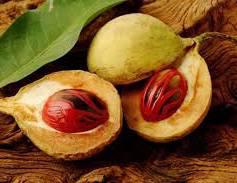
E dier yawa duto mag rembe, Pala (Nutmeg) gi Bunga Pala (Mace) gin mana kaka ruodhi. Ma gin rembe ariyo ma yudore kuom yath achiel, Myristica fragrans, ma odak e piny ma wan wacho ni Maluku, ma bende ji luongo ni "Yath mar Rembe" mar Indonesia. Yawa maler ni ne odwarore ahinya e piny ru, ma gimiyo rembeni ne gin dhok ma mako wang' e historia mar rembe e Indonesia. Yawa maler ni ne dwarore ahinya mondo opich chiemo, konyo dho yamo, kendo konyo adhola, ma ne gimiyo ne gin gige biashara ma joma dhi biashara ne dwaro ahinya.
Bang' ka ketho pala opogore gi bunge, Bunga Pala, ma bende luongore ni aril, ma oketho weng' pala. Ne dwarore ahinya e piny ru nikech dhoge ma nengone malo kendo rango ma nengone malo. Achiel kuom gige mace HPS (High Purity Standard) ma osebedo ka gidwarore ahinya e piny ru, kendo gin gi kido maler ma malo. Kata kamano, kata ni gin gige rembe ma dweche duto gin gi luor, thoth jowinj ok ong'eyo ni gin gige rembe ma gin gi kido ma miyo ji dhiyo e piny mar dho yamo, kendo gin gi kido ma miyo ji dhiyo e piny mar dho yamo.
Mich ma yudore e Pala, ma ji luongo ni מיריסטיצין, osebedo ka gimiyo pala obedo gi kido ma miyo ji dhiyo e piny mar dho yamo. Mich ma yudore ni e Pala miyo ji dhiyo e piny mar dho yamo, kendo gimiyo ji dhiyo e piny mar dho yamo. Kendo, múskat krydd, ma oketho Pala mar Norway, osebedo ka gimiyo rembeni obedo gi luor e piny duto, kendo gimiyo rembeni obedo gi luor e piny duto.
Ka wacho ni rembe duto gin gi luor e piny ru, Cengkeh (Cloves) gi Kayu Manis (Cinnamon) bende gin gi luor e piny duto. Cengkeh, ma luongore ni gige rembe ma ochiko, gi kido ma rangore gi kido ma achiek, gi mich ma ji luongo ni eugenol, ma gimiyo ne gin gige rembe ma konyo ji ahinya. Ginyalo konyo ji e piny ru, kendo ginyalo konyo ji e piny ru. Kayu Manis, ma luongore ni yawa ma rangi ma wang'e ochiek, gi kido ma mit gi kido ma mamit, osebedo ka gimiyo ji dhiyo e piny mar dho yamo, kendo gimiyo ji dhiyo e piny mar dho yamo. Mich ma yudore ni e Kayu Manis, ma ji luongo ni cinnamaldehyde, osebedo ka gimiyo rembeni obedo gi luor e piny duto, kendo gimiyo rembeni obedo gi luor e piny duto.
The allure of these aspices was not lost on the ancient world. From the Spice Islands of Indonesia, these treasures began their long and arduous journey across oceans and continents, forming the legendary sejarah jalur rempah (spice trade routes). Arab traders, followed by European powers like the Portuguese, Dutch, and English, competed fiercely for control over these lucrative pathways, leading to empires built and destroyed by the pursuit of flavor. Each shipment of spices in a merchant’s hold represented immense wealth and power.
It was this intense demand that made spices like Pala, Bunga Pala, Cengkeh, and Kayu Manis more valuable than gold at certain points in history. For instance, the Dutch East India Company (VOC) went to extreme lengths to monopolize the nutmeg trade, even exchanging the island of Manhattan for Run Island in Maluku, primarily for its nutmeg trees. This historical tidbit highlights the incredible value once placed on what we now consider common kitchen ingredients.
Beyond their culinary appeal, these spices have long been valued for their medicinal properties. Ancient texts from various cultures describe their use in traditional medicine.
These ancient uses and benefits underscore why these spices were considered pusaka rempah, a true heritage of wellness and flavor, long before modern medicine understood the chemical compounds responsible for their effects. From boosting immunity to soothing ailments, these gifts from nature have played a vital role in human health for millennia.
The influence of Indonesian spices extends far beyond their origins, shaping global culinary traditions. The distinctive flavor of múskat krydd, whether in baked goods in Scandinavia or savory dishes in India, is a testament to its versatility. Cengkeh lends its robust warmth to everything from Ethiopian berbere to Indian garam masala, and is a key flavor in many Christmas preparations across Europe.
Kayu Manis, too, has found its way into countless kitchens, from the sweet pastries of France to the rich tagines of Morocco. And who could forget the delightful Turkish sweet treat, lokum, often flavored with subtle hints of various spices, including cinnamon or cloves? These spices don't just add taste; they tell stories of cultural exchange, migration, and the universal human desire for delightful flavors.
Ka wanyalo neno, rembeni ok gin mana gige chiemo. Gin gige ma owewyo mar dhano, gin gige ma oweyo mag historia, gin gige ma oweyo mag adhola. Gin gige ma oweyo mag yore mar biashara, ma gimiyo jopiny duto oseng'adho kuom higni mang'eny. Ginyalo konyo ji e piny ru, kendo ginyalo konyo ji e piny ru. Kendo, ginyalo konyo ji e piny ru, kendo ginyalo konyo ji e piny ru.
Ka kendo watimo gimachielo, wanyalo neno ni rembeni ok gin mana gige chiemo. Gin gige ma owewyo mar dhano, gin gige ma oweyo mag historia, gin gige ma oweyo mag adhola. Gin gige ma oweyo mag yore mar biashara, ma gimiyo jopiny duto oseng'adho kuom higni mang'eny. Ginyalo konyo ji e piny ru, kendo ginyalo konyo ji e piny ru. Kendo, ginyalo konyo ji e piny ru, kendo ginyalo konyo ji e piny ru.
The journey of these Indonesian spices from distant islands to every corner of the globe is a fascinating narrative of human endeavor, exploration, and the enduring power of flavor. As you savor the taste of mace HPS in a delicate sauce or the warmth of cinnamon in your morning tea, remember the profound history embedded in each sprinkle.
For those who appreciate the true essence of high-quality Indonesian spices, there's no better place to source them than directly from their origin. At inaspices.com, you can explore a curated selection of premium spices, including the finest Nutmeg, Mace, Cloves, and Cinnamon. Experience the authentic flavors that have captivated the world for centuries. Discover the rich heritage and exceptional quality that only comes from the heart of the Spice Islands. Visit inaspices.com today and bring the authentic taste of Indonesia's spice legacy to your home.