
Upload images to this post to show gallery.
Naagoh ts’eehdaa gwihch’in khok, gwihch’in natsuu k’eegwinyaa eendaih gwihch’in dinah ts’an. Adanh gwik’it gwihch’in natsuu ts’eehdaa dinah gwihch’in k’iizhit gwihch’in ch’adhoh. Naagoh dzan gwihch’in natsuu k’eegwinyaa eendaih gwihch’in dinah gwik’it ts’eehdaa gwihch’in ch’adhoh gwa’an gwihch’in natsuu giiyagoh ts’at gwihch’in giiyagoh ts’an. Nutmeg (Pala), Mace (Bunga Pala), Cloves (Cengkeh), chu’ Cinnamon (Kayu Manis) gwihch’in ch’adhoh gwihch’in natsuu kwai’ eendaih ts’eehdaa dinah ts’an.
Adanh gwihch’in k’iizhit gwihch’in natsuu, gwihch’in k’eegwinyaa eendaih ts’eehdaa gwihch’in ch’adhoh gwa’an ts’eehdaa gwihch’in natsuu gwihch’in khok. Gwik’it gwihch’in natsuu gwihch’in khok ts’eehdaa gwihch’in dinah gwihch’in k’iizhit gwihch’in ch’adhoh ts’eehdaa gwihch’in natsuu gwihch’in k’iizhit gwihch’in ch’adhoh gwa’an gwihch’in natsuu giiyagoh ts’at gwihch’in giiyagoh ts’an. Eendaih gwihch’in k’iizhit gwihch’in ch’adhoh ts’eehdaa gwihch’in natsuu gwihch’in khok ts’eehdaa gwihch’in dinah ts’an, chu’ gwihch’in natsuu gwihch’in k’iizhit gwihch’in ch’adhoh gwa’an gwihch’in natsuu giiyagoh ts’at gwihch’in giiyagoh ts’an. Adanh gwihch’in k’iizhit gwihch’in ch’adhoh ts’eehdaa gwihch’in natsuu gwihch’in khok ts’eehdaa gwihch’in dinah ts’an, gwihch’in natsuu gwihch’in k’iizhit gwihch’in ch’adhoh gwa’an gwihch’in natsuu giiyagoh ts’at gwihch’in giiyagoh ts’an.
Naagoh Gwihch’in Natsuu Gwihch’in Khok (sejarah jalur rempah) gwihch’in ts’eehdaa dinah gwihch’in k’iizhit gwihch’in ch’adhoh. Adanh gwihch’in dinah gwihch’in natsuu gwihch’in k’iizhit gwihch’in ch’adhoh ts’eehdaa gwihch’in natsuu gwihch’in k’iizhit gwihch’in ch’adhoh gwa’an gwihch’in natsuu giiyagoh ts’at gwihch’in giiyagoh ts’an. Eendaih gwihch’in k’iizhit gwihch’in ch’adhoh ts’eehdaa gwihch’in natsuu gwihch’in khok ts’eehdaa gwihch’in dinah ts’an. Ts’eehdaa gwihch’in dinah gwihch’in natsuu gwihch’in k’iizhit gwihch’in ch’adhoh ts’eehdaa gwihch’in natsuu gwihch’in k’iizhit gwihch’in ch’adhoh gwa’an gwihch’in natsuu giiyagoh ts’at gwihch’in giiyagoh ts’an. Long ago, ships sailed across vast oceans, seeking the treasures of these faraway lands. They braved storms and unknown territories, all for a taste of the exotic, a scent of the divine.
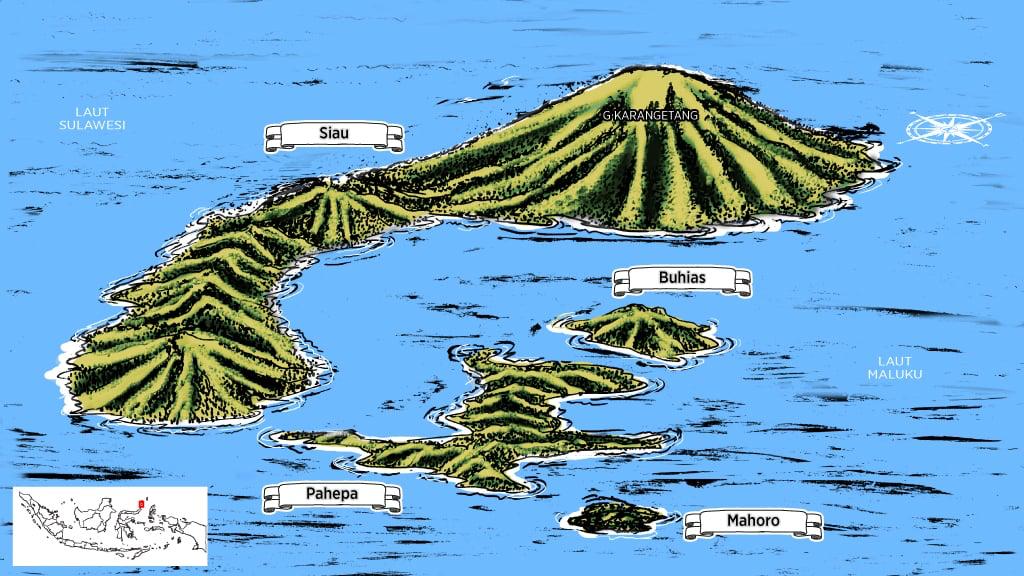
Gwihch’in Natsuu Gwihch’in Eendaih Gwihch’in Dinah (sejarah rempah rempah di Indonesia) gwihch’in ts’eehdaa dinah gwihch’in k’iizhit gwihch’in ch’adhoh. The Maluku Islands, known as the “Spice Islands,” were the ultimate prize. Here, nature had bestowed upon the earth the rare and wondrous trees that bore nutmeg and cloves. These were not just condiments; they were currency, power, and a catalyst for global exploration and, sadly, conflict. Many nations fought over these lands, seeking to control the lucrative spice trade, forever changing the course of history.
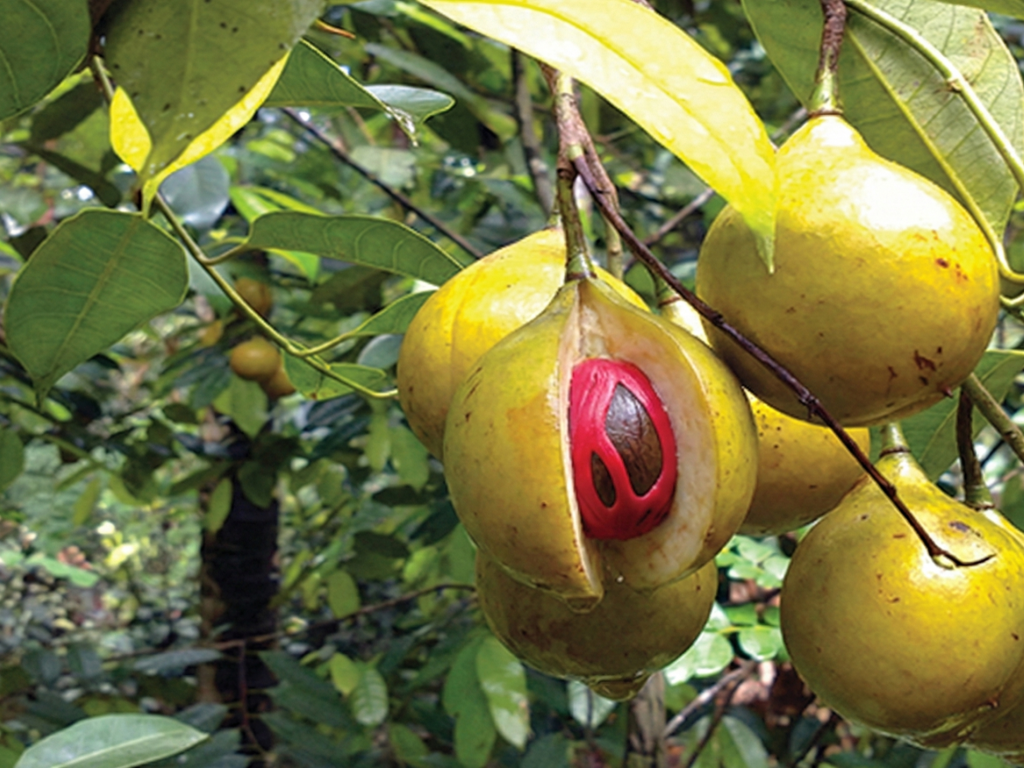
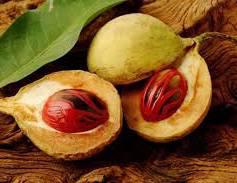
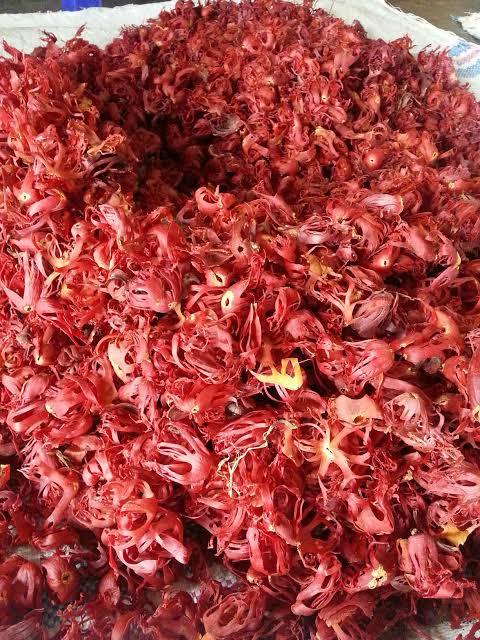
Nutmeg (Pala) chu’ Mace (Bunga Pala) gwihch’in ts’eehdaa gwihch’in natsuu gwihch’in ch’adhoh. Gwihch’in k’iizhit gwihch’in ch’adhoh ts’eehdaa gwihch’in natsuu gwihch’in khok ts’eehdaa gwihch’in dinah ts’an, chu’ gwihch’in natsuu gwihch’in k’iizhit gwihch’in ch’adhoh gwa’an gwihch’in natsuu giiyagoh ts’at gwihch’in giiyagoh ts’an. The nutmeg tree (Myristica fragrans) yields two distinct spices from a single fruit. The hard, dark-brown seed is nutmeg (pala), and the lacy, reddish-orange aril that surrounds it is mace (bunga pala). This duality makes it truly unique in the spice world.
The flavor profile of nutmeg is warm, sweet, and slightly woody, making it a staple in both sweet and savory dishes globally. From creamy custards and rich eggnogs to savory béchamels and hearty stews, the *múskat krydd* (nutmeg spice) adds a comforting depth. Mace, with its more delicate, subtly pungent, and floral notes, is often preferred in lighter dishes, baked goods, and some traditional curries, where its nuanced flavor can shine without overpowering other ingredients. For those seeking the best, understanding the origin of mace hps (highest purity standard mace) is crucial for unparalleled culinary results.
Beyond the kitchen, nutmeg holds a place in traditional medicine. It contains compounds like Myristicin (מיריסטיצין), which have been studied for their potential medicinal properties. Historically, it was believed to aid digestion, relieve pain, and even induce sleep. However, like all potent substances, it must be used in moderation due to its psychoactive properties in large doses. The phrase *isa nutmeg* (it is nutmeg) carries with it a history of both culinary delight and therapeutic application.
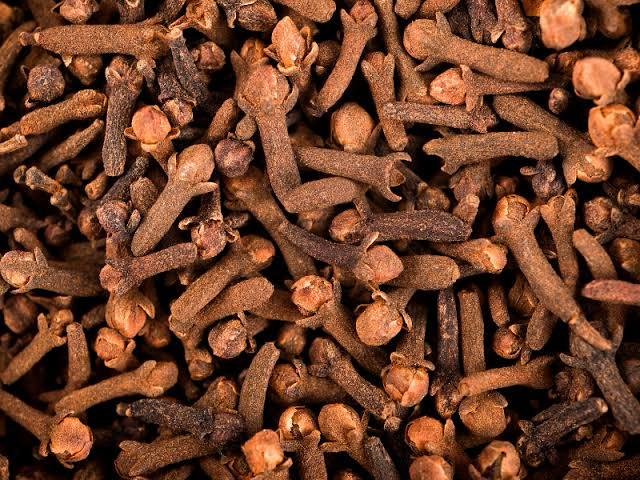
Cloves (Cengkeh) gwihch’in ts’eehdaa gwihch’in natsuu gwihch’in ch’adhoh. Gwihch’in k’iizhit gwihch’in ch’adhoh ts’eehdaa gwihch’in natsuu gwihch’in khok ts’eehdaa gwihch’in dinah ts’an, chu’ gwihch’in natsuu gwihch’in k’iizhit gwihch’in ch’adhoh gwa’an gwihch’in natsuu giiyagoh ts’at gwihch’in giiyagoh ts’an. These dried flower buds of the clove tree (Syzygium aromaticum) are small but mighty. Their intense, warm, and sweet-peppery flavor is unmistakable. Cloves were another primary target of the spice traders, originating predominantly from the Maluku Islands.
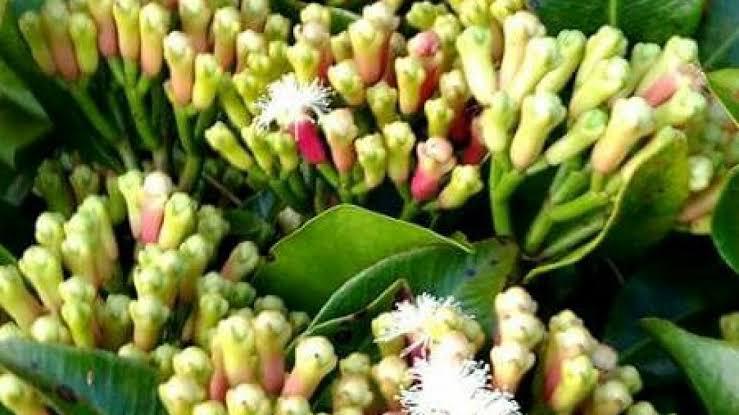
In culinary applications, cloves are incredibly versatile. They are essential in many traditional European dishes, from spiced ham to mulled wine. In Asian and African cuisines, cloves are a key component of many spice blends, curries, and stews. They also feature prominently in sweet dishes, especially apple pies, gingerbread, and various pastries. The strong aroma of cloves even makes them a popular addition to scenting oranges for holiday decorations.
Traditionally, cloves have been highly valued for their medicinal properties. Clove oil, rich in eugenol, is a potent antiseptic and anesthetic. It has been used for centuries to alleviate toothaches and as a component in various oral health products. The warming properties of cloves are also used in traditional remedies for digestive issues and respiratory ailments. It truly is an *aspices* (a spice) that offers more than just flavor.
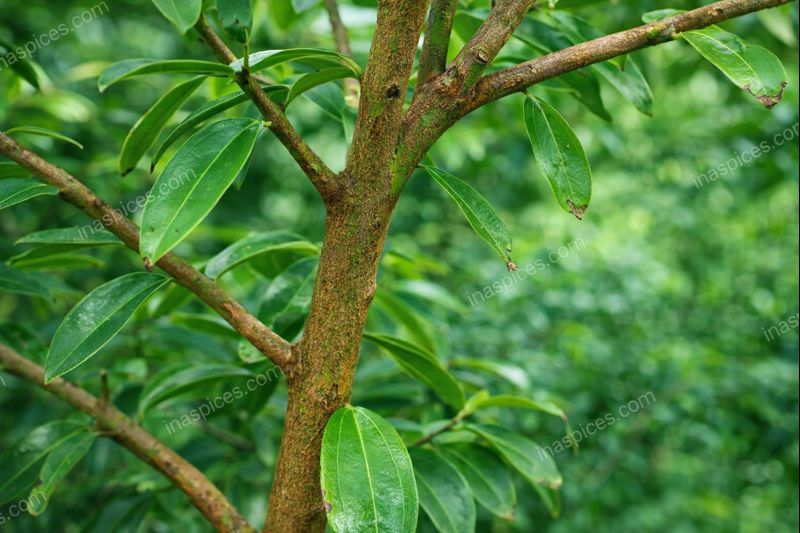
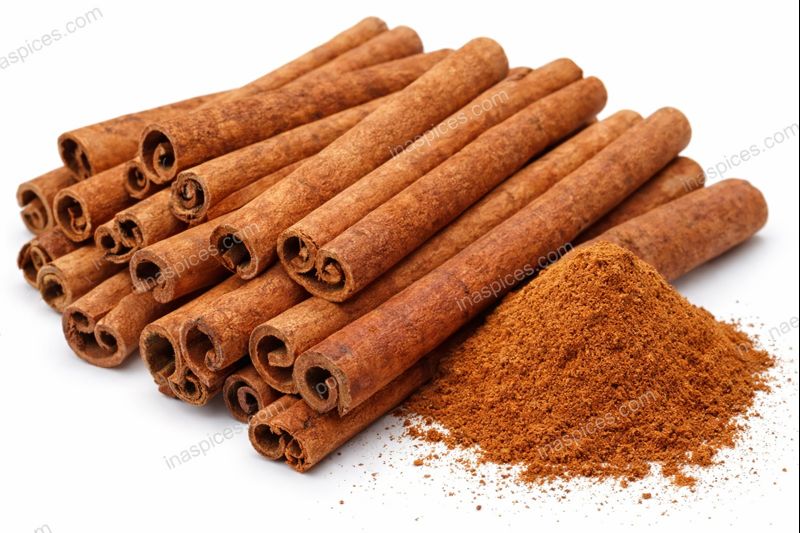
Cinnamon (Kayu Manis) gwihch’in ts’eehdaa gwihch’in natsuu gwihch’in ch’adhoh. Gwihch’in k’iizhit gwihch’in ch’adhoh ts’eehdaa gwihch’in natsuu gwihch’in khok ts’eehdaa gwihch’in dinah ts’an, chu’ gwihch’in natsuu gwihch’in k’iizhit gwihch’in ch’adhoh gwa’an gwihch’in natsuu giiyagoh ts’at gwihch’in giiyagoh ts’an. While often associated with Sri Lanka (Ceylon cinnamon), Indonesia is a major producer of cassia cinnamon, which is more robust and spicier. Cinnamon is the inner bark of several tree species from the genus Cinnamomum, rolled into quills or ground into powder.
The sweet, woody, and slightly citrusy notes of cinnamon make it one of the most beloved spices worldwide. It’s a key ingredient in countless desserts, from apple pie to cinnamon rolls. In savory cooking, it adds complexity to meat dishes, particularly in Middle Eastern and Indian cuisines. It’s also a common addition to beverages, like coffee and tea, and a vital component in spice blends such as garam masala and Chinese five-spice powder. Who could imagine a world without the comforting embrace of cinnamon?
Beyond its culinary appeal, cinnamon has been used for its medicinal properties for millennia. It is known for its antioxidant, anti-inflammatory, and antimicrobial effects. Modern research continues to explore its potential benefits in managing blood sugar levels and supporting heart health. It’s a spice that transcends mere flavor, offering a tangible link to ancient practices and health wisdom.
The journey of these spices—nutmeg, mace, cloves, and cinnamon—is more than just a tale of trade; it is a profound pusaka rempah (spice heritage) that has shaped civilizations. From the ancient Egyptians who used them for embalming and fragrance, to the Romans who savored them in their feasts, and medieval Europeans who valued them more than gold, spices have always held an almost mythical allure. They fueled exploration, sparked wars, and connected distant lands, creating a global tapestry of flavors and cultures.
These spices are not just ingredients; they are storytellers. They whisper tales of volcanic islands, intrepid explorers, and bustling marketplaces. They remind us of the enduring human desire for flavor, aroma, and the exotic. The intricate dance of flavors in a delicate lokum (sweet spice delight) or the bold punch of a traditional curry showcases the versatility and power of these natural treasures. They are a testament to nature’s bounty and humanity’s ingenuity in harnessing it.
Today, the legacy continues. These spices are still cultivated with care, harvested by skilled hands, and brought to kitchens around the world. Each pinch, each dash, carries with it centuries of history, culture, and the essence of the lands from which they came. They are a bridge between the past and the present, a reminder of the global interconnectedness forged through the pursuit of aroma and taste.
To truly experience the rich legacy and vibrant flavors of these ancient spices, quality matters. For those who appreciate the genuine taste and potent aroma that only high-quality, ethically sourced spices can provide, consider exploring the offerings from Inaspices.com. They connect you directly to the source, bringing the authentic essence of Indonesian spices, from the finest nutmeg and mace to aromatic cloves and exquisite cinnamon, straight to your kitchen. Discover the difference that true isa nutmeg (is a nutmeg) and other premium spices can make in your culinary adventures. Embrace the pusaka rempah and transform your cooking with their exceptional range.
Nihkhwii gwihch’in natsuu gwihch’in ch’adhoh ts’an: