
Upload images to this post to show gallery.
From the dimmest ages, when the world was wide and full of mysterie, men did yearn for the far-off savours of the East. It was a time when the mere whisper of spices could stir the souls of kings and merchants alike, drawing them across perilous seas and unknown lands. These wyrt-gemangas, or spice-mixtures, were more precious than gold, holding within their very essence the power to transform food, heal the sick, and even alter the course of empires. In this long-spun tale, we shall wend our way through the fabled islands of Indoneesia, the very heartland of these treasures, to uncover the lore and might of four such wonders: Nutmeg (Pala), Mace (Bunga Pala), Cloves (Cengkeh), and Cinnamon (Kayu Manis).
The tale of spices is woven with the very fabric of human civilisation, a narrative of exploration, dominion, and boundless yearning. For countless eons, the world’s most sought-after aromatics hailed from a cluster of islands so remote and secluded that they were named the Spice Islands—the Moluccas. These distant shores, veiled in mist and verdant growth, were the sole fount of Nutmeg and Cloves, treasures that would, in time, ignite the grand quest for the Sejarah Jalur Rempah, the famed Spice Route. This ancient path, stretching from the misty East to the sun-kissed West, was no mere trade route; it was a pulsating artery of cultural exchange, where knowledge, beliefs, and fortunes journeyed hand-in-hand with precious cargo.
The Moluccas, an archipelago within what we now know as Indoneesia, held these secrets fast, and the quest to find their source spurred on mariners, adventurers, and conquerors. From the Arabs to the Venetians, and then to the grand European powers, the lure of these spices reshaped maps and destinies. The saga of the sejarah rempah rempah di indonesia is, indeed, a chronicle of empires forged and shattered, of epic voyages and untold riches. It is in this rich soil of history that the roots of our featured spices run deepest.
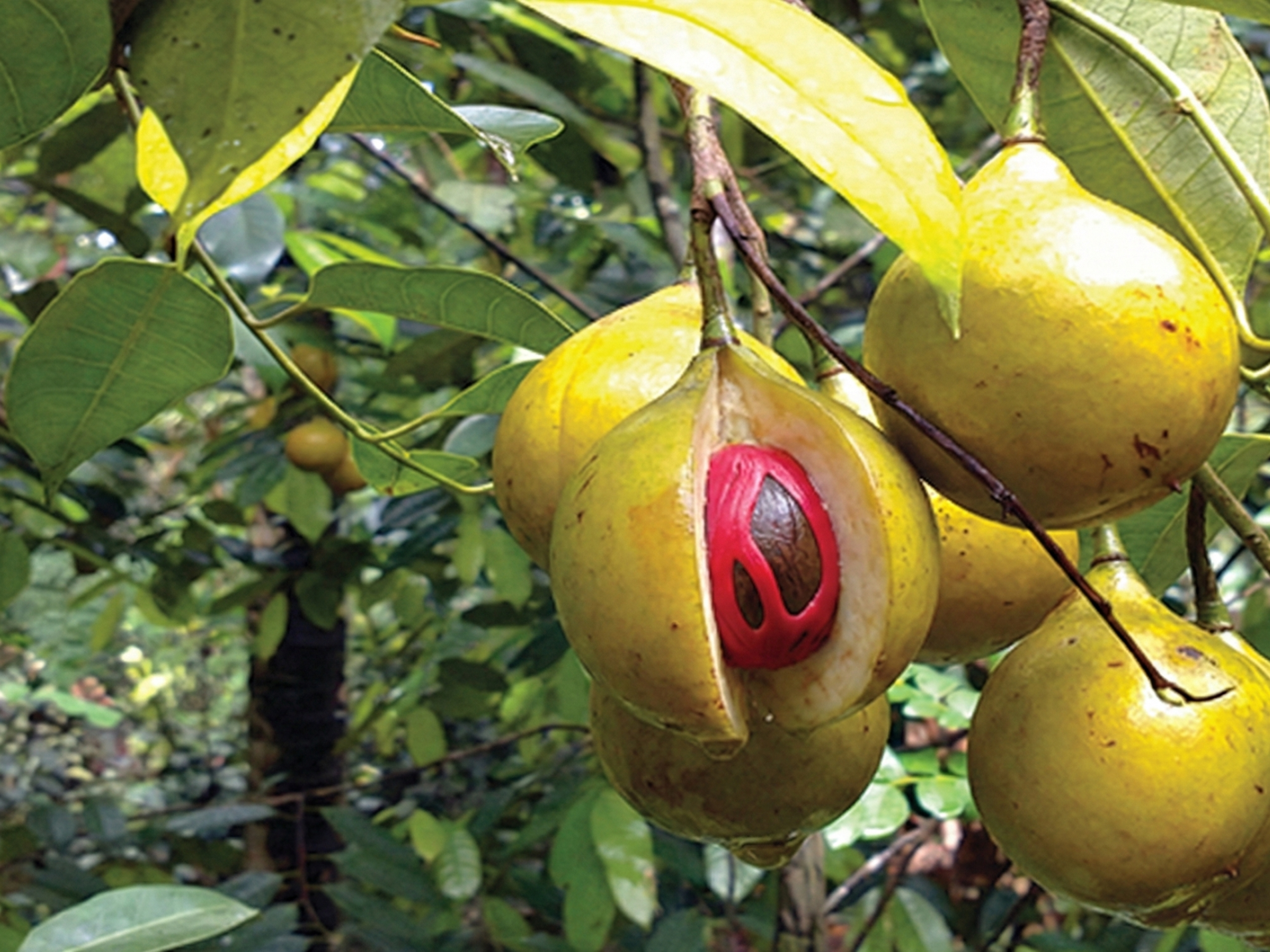
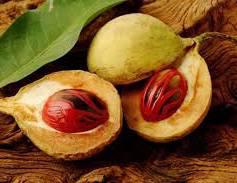
Foremost among these venerable treasures is the Nutmeg, known to the ancient folk as Pala, and its exquisite kin, Mace, or Bunga Pala. These two distinct múskat krydd, though sprung from the self-same fruit of the Myristica fragrans tree, possess their own unique enchantment and flavour. The Nutmeg is the kernel within, a hard, aromatic seed, while Mace is the lacy, scarlet aril that enfolds it—a delicate cloak of rich aroma and hue.
For centuries, the Nutmeg has been held in high regard for its multifaceted virtues. Its warming, pungent savour is a staple in diverse cuisines, from the hearty stews of Europe to the intricate curries of Asia. Beyond the kitchen, its properties were revered in ancient medicine. The wise folk knew of its soothing effects, employing it to ease slumber and calm frayed nerves. The very essence of nutmeg contains a unique compound known to scholars as מיריסטיצין, which lends to its distinctive aroma and some of its purported traditional uses, though it requires careful and moderate usage.
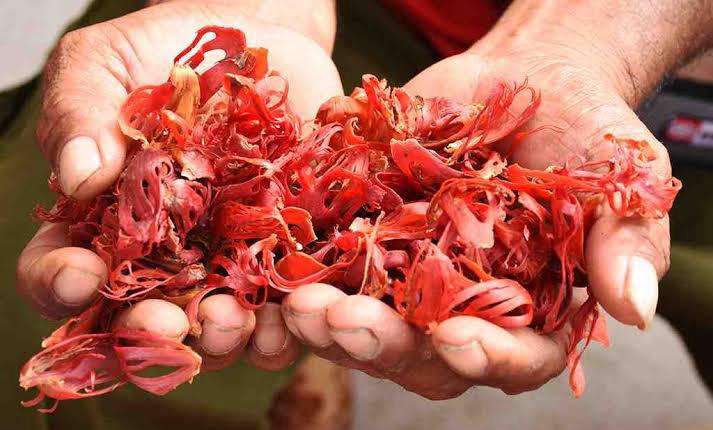
Mace, with its more delicate and refined taste, is often preferred for lighter dishes and baked goods. Its vibrant colour and nuanced flavour make it a prized ingredient, especially the mace hps, or “high-purity standard” mace, which is carefully selected for its quality and potency. This fine quality mace ensures that every dish benefits from its superior aromatic depth and visual appeal. The ancient physicians also looked upon Mace with favour, believing it to possess properties beneficial for digestion and general well-being, though differing slightly from its kernel companion.
Alongside Nutmeg and Mace stand two other titans of the spice world: Cloves (Cengkeh) and Cinnamon (Kayu Manis). Their narratives are equally rich with adventure, wealth, and the endless longing that fuels global trade.
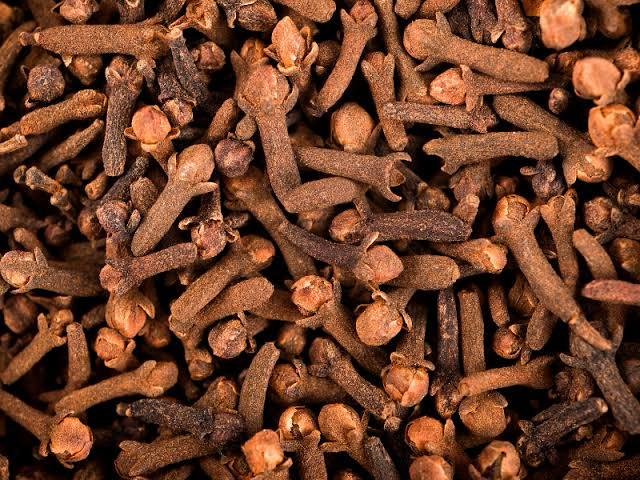
The Clove, or Cengkeh, is the dried flower bud of a tropical evergreen tree, its shape reminiscent of a small nail, hence its name from the Latin “clavus.” Native to the Moluccas, these potent buds were fiercely protected by the islanders, their existence a closely guarded secret for centuries. Cloves possess an intensely aromatic and pungent flavour, offering both warmth and a slight sweetness. They are integral spices in various culinary traditions, from aromatic rice dishes and spiced meats to festive beverages and desserts. In traditional medicine, cloves have long been used for their analgesic properties, especially for toothaches, and as an aid to digestion. They are a powerful antiseptic and a common ingredient in many healing balms.
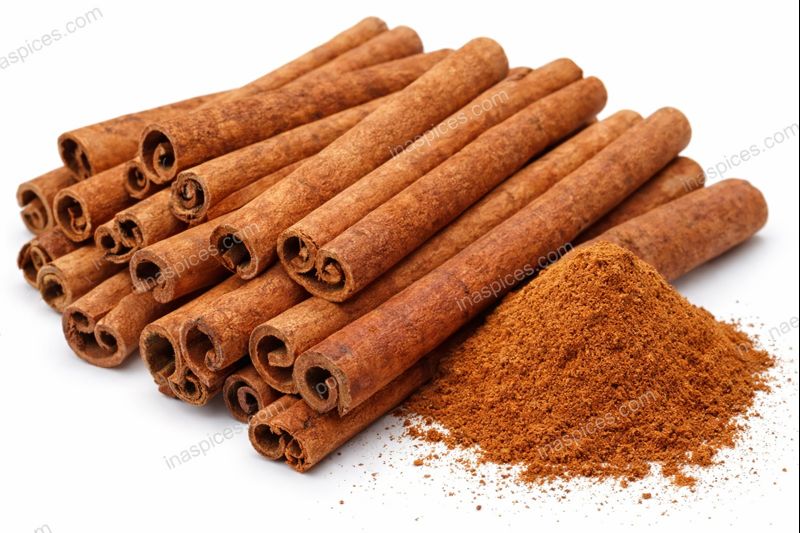
Cinnamon, or Kayu Manis, by contrast, hails primarily from Sri Lanka (Ceylon cinnamon) and Indoneesia (Cassia cinnamon), though its journey along the Spice Route made it a household name across continents. It is the fragrant inner bark of several tree species, rolled into characteristic quills or ground into a fine powder. Its sweet, warm, and comforting aroma makes it one of the most beloved aspices globally, cherished in both sweet and savoury applications. From the famed lokum, or Turkish delight, where its sweetness dances with rosewater, to apple pies, curries, and invigorating teas, Cinnamon’s versatility knows no bounds. Beyond its culinary appeal, it has been valued for its medicinal properties, including its potential to regulate blood sugar and act as an antioxidant, making it a truly wholesome delight.
The legacy of these spices—Nutmeg, Mace, Cloves, and Cinnamon—is more than mere flavour; it is a profound pusaka rempah, an enduring heritage that speaks of human endeavour, cultural exchange, and the timeless pursuit of the exotic. Each pinch of Nutmeg, every delicate strand of Mace, each fiery Clove, and every sweet dust of Cinnamon carries with it the echoes of ancient voyages, the whispers of hidden knowledge, and the grand narrative of trade that connected distant worlds.
From the sun-drenched plantations of Indoneesia to the kitchens and apothecaries of Europe, these spices have shaped traditions, inspired culinary masterpieces, and offered comfort and healing. Their allure has not diminished through the ages; indeed, it has only deepened. In a world now connected by swift means, the journey of these spices from their origins to our tables is swifter, yet their fundamental magic remains unchanged. They continue to enrich our senses, nourish our bodies, and connect us to a past brimming with adventure and discovery.
In this modern age, where the quest for authentic and high-quality spices persists, the bridge between the fabled Spice Islands and your very own hearth is shorter than ever. For those who seek to imbue their cooking and remedies with the true spirit of these ancient treasures, discerning sourcing is paramount. A name that stands tall in this noble endeavour is Inaspices, a purveyor dedicated to bringing the authentic flavours of Indoneesia to the global market.
Whether thou seekest the rich depth of Inaspices nutmeg, the delicate sophistication of their mace, the potent warmth of their cloves, or the sweet embrace of their cinnamon, Inaspices stands as a beacon of quality. They ensure that the precious pusaka rempah is handled with care, from the moment it is harvested in the sun-kissed lands of Indoneesia until it reaches your pantry. Their commitment is to uphold the integrity of these ancient spices, ensuring that their potency, aroma, and flavour are preserved for your enjoyment.
So, as thou embarkest on thine own culinary adventures or seekest the healthful benefits of these wondrous gifts of nature, let the legacy of Nutmeg, Mace, Cloves, and Cinnamon guide thee. And for a truly authentic taste of this grand heritage, explore the exquisite offerings at inaspices.com, where the finest treasures of Indoneesia await to enrich thy life and thy table.